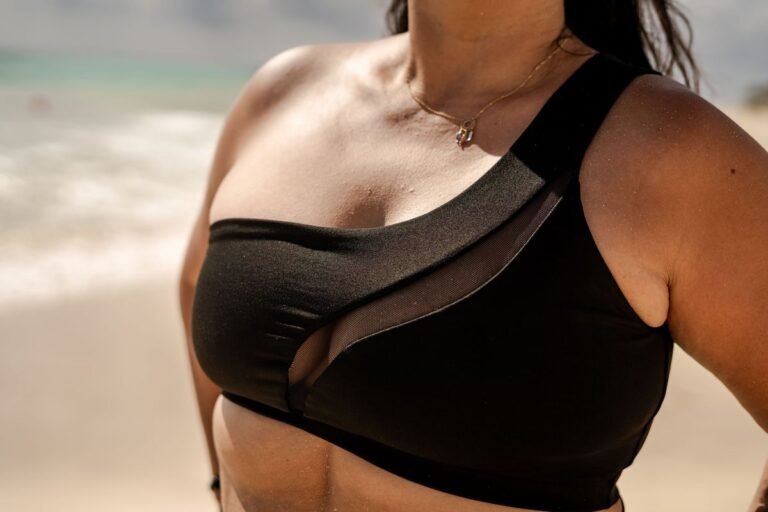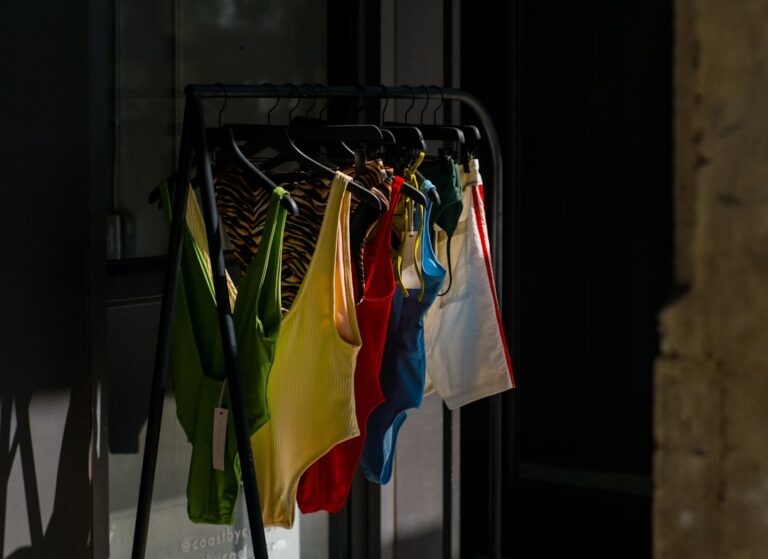

Best Swimwear for Water Sports | Active Swimsuits That Stay Put in 2026
Nothing kills a perfect wave or a serene paddleboard session faster than a swimsuit malfunction. You reach overhead, you duck under a wave, you haul yourself onto a kayak — and suddenly you’re adjusting instead of adventuring. The wrong swimwear turns every splash into a wardrobe crisis.
Active water sports demand more from your swimsuit than a poolside lounge session ever will. You need pieces that move with your body, stay locked in place during dynamic motion, dry quickly between activities, and still make you feel absolutely incredible. The good news? The gap between performance swimwear and stunning beach style has never been smaller.
Whether you’re catching your first wave, exploring coral reefs, or conquering a coastal kayak trail, this guide breaks down exactly what to look for — and what to avoid — so your swimwear works as hard as you do.

Why Regular Bikinis Fail During Water Sports
That gorgeous triangle bikini you wore to the resort pool? It probably wasn’t engineered for a barrel roll. Standard fashion swimwear is designed for aesthetics first, and there’s nothing wrong with that when you’re sunbathing. But the moment you add speed, waves, overhead motion, or repeated submersion, design flaws become painfully obvious.
Thin tie straps loosen in surf. Strapless bandeau tops migrate south during paddling strokes. Sliding triangle tops shift with every arm movement. Loose-fitting bottoms catch water like a parachute. And delicate embellishments — think rhinestones, metal rings, and decorative chains — snag on equipment, scrape against surfboards, and deteriorate in salt water.
Active swimwear solves these problems without sacrificing style. The key differences come down to construction: thicker elastic, compression fit, secure closure systems, and fabrics engineered for chlorine and salt resistance. You don’t have to choose between looking great and staying covered. Modern athletic swimwear gives you both.
The Stay-Put Checklist: 5 Features That Matter
Before you buy any swimsuit for active water use, run it through this checklist. These five features separate swimwear that performs from swimwear that embarrasses.
Secure straps and closures. Look for racerback designs, cross-back straps, or adjustable hook closures instead of ties. Ties loosen. Hooks and continuous straps don’t. A racerback distributes pressure across your shoulders and stays locked during overhead paddle strokes, yoga poses, and duck dives.
Compression fit. Athletic swimwear should feel snug — like a sports bra, not a corset. The fabric should gently compress against your skin so there’s no gap for water to rush in and drag the suit out of position. If you can easily slide a flat hand between the suit and your body, it’s too loose for active use.

Quick-dry fabric. Sitting in a soaking wet suit between activities leads to chafing, discomfort, and that heavy dragging feeling. Nylon-spandex blends (typically 80/20) dry significantly faster than cotton-blend fabrics. Some brands add hydrophobic coatings that shed water almost instantly.
UPF protection. If you’re spending hours on the water — especially on a reflective surface like a paddleboard or kayak — UV exposure is amplified. Swimwear with built-in UPF 50+ protection shields your skin without requiring constant sunscreen reapplication on covered areas.
Flatlock seams. Regular serged seams create raised ridges that rub against skin during repetitive motion. Flatlock stitching lies flat against the body, dramatically reducing chafing during paddling, swimming, and surfing. This detail separates serious athletic swimwear from fashion suits with sporty marketing.
🏄 Ready to Ride the Waves?
Our Cross Pleated High Waist Swimsuit delivers the compression fit and secure coverage you need for active days on the water. The high waist stays put through every paddle stroke.
Best Swimwear Styles for Every Water Sport
Different activities create different demands on your swimwear. What works perfectly for snorkeling might be terrible for surfing. Here’s the breakdown by sport.
Surfing and Bodyboarding
Surfing is the ultimate stress test for swimwear. You’re paddling flat on your stomach, popping up to standing, wiping out at speed, and getting tumbled by waves — sometimes all within thirty seconds. Your suit needs to survive all of it without shifting.
Shop Water Sports Swimwear
Browse Active Swimsuits and Bikinis – Shop Now
The best options for surfing are one-piece swimsuits with racerback or cross-back straps, or a snug sports-bikini with a wide elastic band on the bottoms. Many surfers swear by long-sleeve rashguard tops paired with high-waisted bottoms — the rashguard prevents board rash on your torso while the high waist eliminates the dreaded waistband gap.
Avoid: string bikinis, bandeau tops, anything with ties on the sides or back. The wave doesn’t care how cute they look on the sand.
Paddleboarding and Kayaking
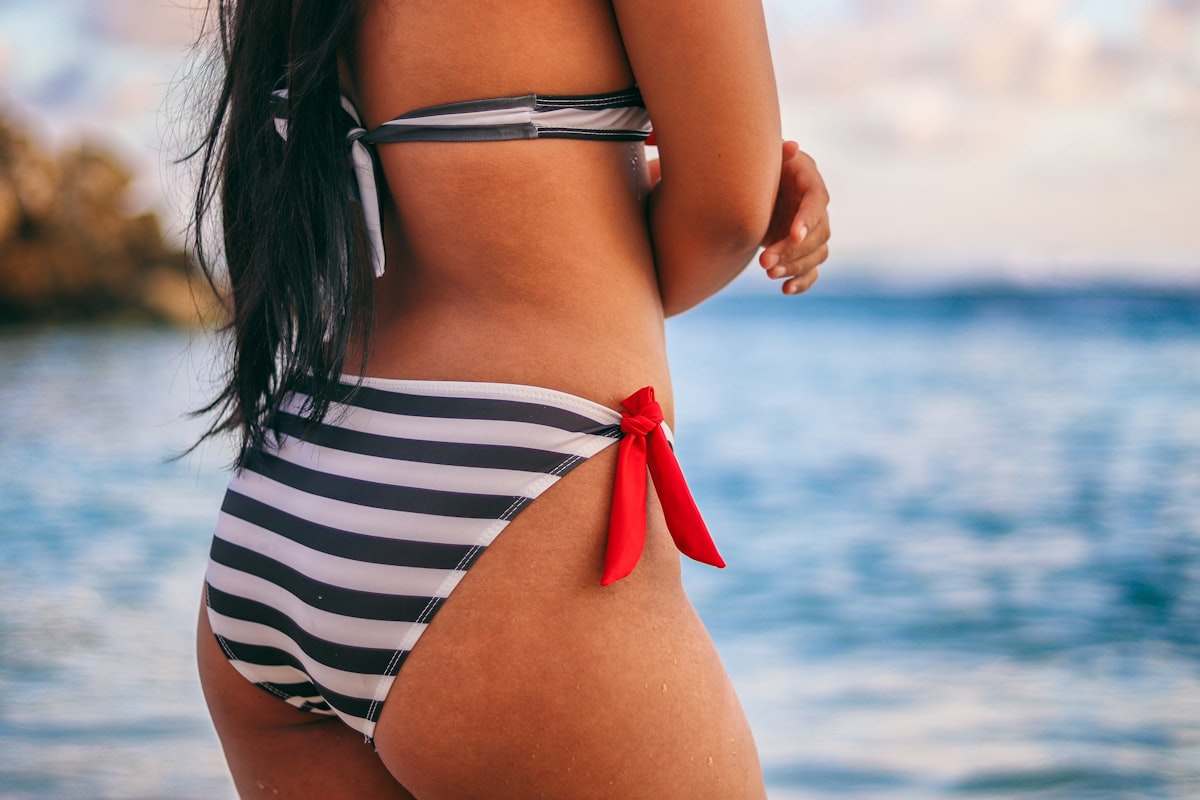
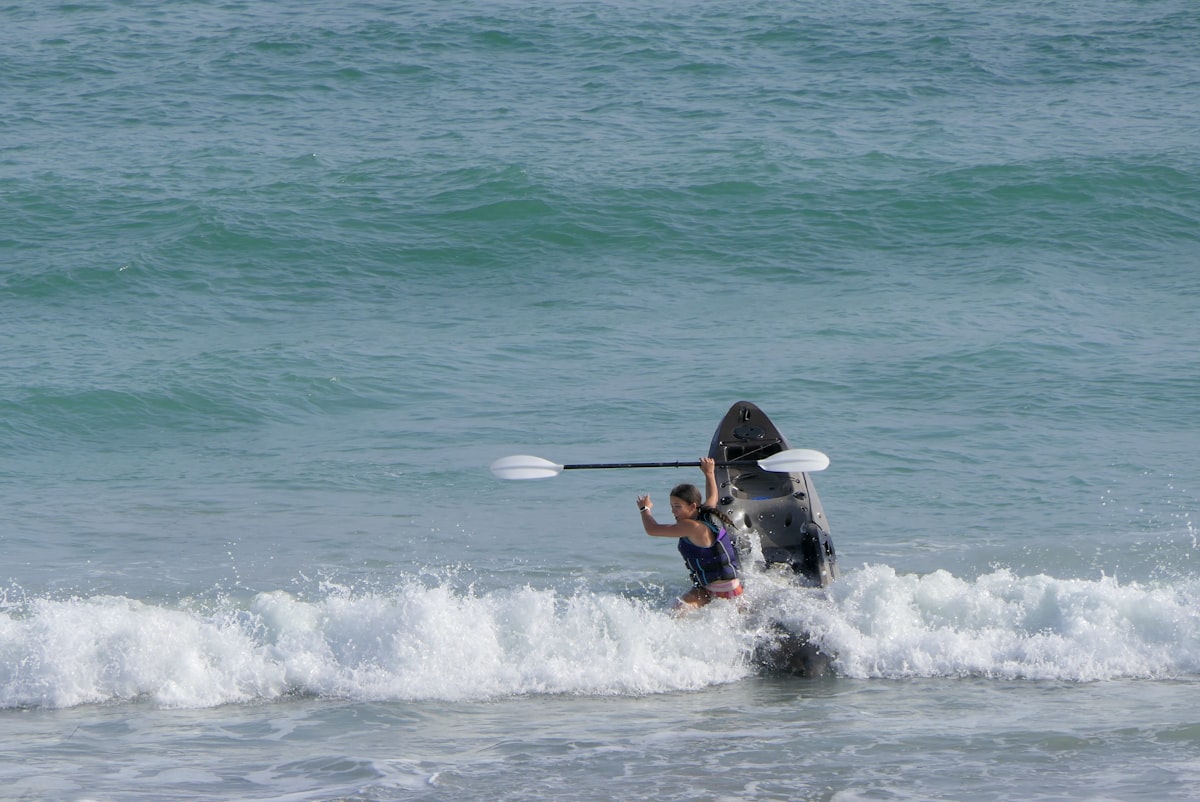
Paddling sports are kinder to your swimwear than surfing, but they present their own challenge: hours of repetitive arm motion. Every stroke lifts your arms overhead, pulling at your top from multiple angles. A loose bikini top creeps upward with each stroke until you’re spending more time adjusting than paddling.
High-neck tops or crop-top style swim tops work beautifully here because they distribute the pull of arm motion across a wider surface area. Pair them with mid-rise or high-rise bottoms that sit comfortably during seated kayak positions without cutting into your hips.
For paddleboard yoga specifically, think about what happens during inversions and deep stretches. A one-piece with a scoop back gives you freedom of movement while ensuring nothing rides up during downward dog on a floating surface.
Snorkeling and Diving
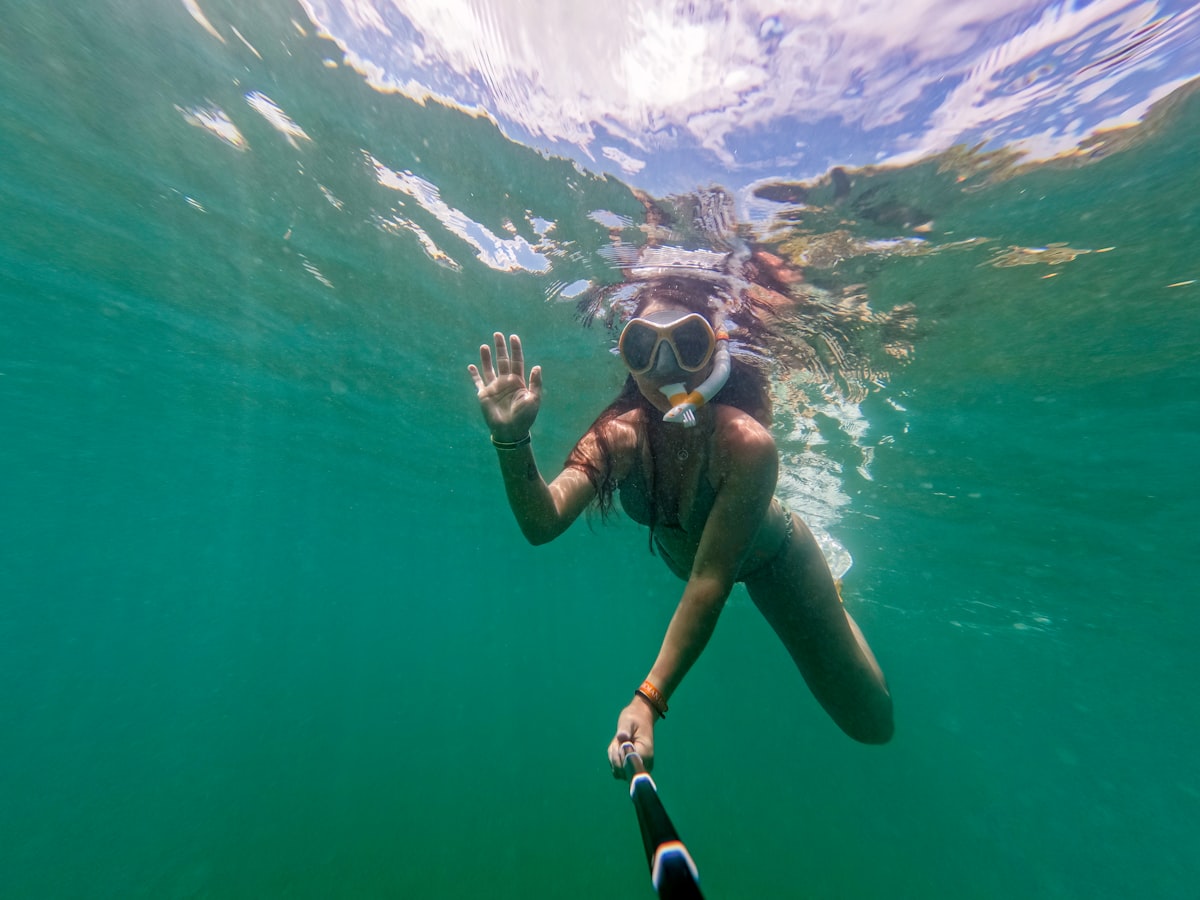
Snorkeling sounds gentle, but you’re constantly face-down in the water, kicking with fins, and bending at the waist to dive below the surface. Every time you duck dive, water rushes up against your suit with surprising force. Loose-fitting bottoms are the first casualty.
One-piece suits reign supreme for snorkeling. The continuous coverage from shoulder to hip eliminates the gap between top and bottom where water loves to intrude. If you prefer a two-piece, choose a long-line bikini top (one that extends past your natural waist) paired with full-coverage bottoms with a wide, secure waistband.
Pro tip: if you’re using a wetsuit vest over your swimsuit for temperature or sun protection, wear something smooth and seamless underneath. Textured fabrics, bows, and buckles create uncomfortable pressure points under neoprene.
🤿 Dive Into Our Collection
The 3D Floral One-Shoulder Bikini Set pairs statement style with a secure one-shoulder strap that won’t slip during water activities. Perfect for snorkeling trips where you want photos that pop.
Need more coverage? The Solid High Waist Bikini offers a clean, athletic look with a high-rise bottom that stays put through every kick and dive.
Fabric Guide: What Your Active Swimsuit Should Be Made Of
The fabric blend matters more than the brand name when it comes to performance swimwear. Here’s what to look for on the label.
Nylon-Spandex (80/20 or 78/22): The gold standard for active swimwear. Nylon provides durability and quick-drying properties while spandex delivers the stretch and recovery you need. This blend bounces back after stretching — it won’t bag out after a full day of use.
Polyester-Elastane blends: Excellent chlorine resistance, making these ideal if you swim laps between ocean sessions. Slightly less soft against the skin than nylon blends, but they outlast nylon in heavily chlorinated pools by a significant margin.
Recycled ocean plastics (ECONYL, REPREVE): Increasingly common in premium active swimwear. These recycled nylon fibers perform identically to virgin nylon while reducing environmental impact. Brands like Patagonia, Vitamin A, and Summersalt have pioneered this material in high-performance suits.
Avoid for active use: Crochet, cotton blends, velvet textures, and metallic fabrics. These are beautiful for beach lounging but absorb water, lose shape, and chafe during movement. Save them for the sunset cocktail hour.
Surf-Ready Swimwear Picks
Shop One-Pieces and Rash Guards for Water Sports
Body-Positive Active Swimwear: Every Body Is a Water Sports Body
Let’s address the elephant on the beach. Scroll through most water sports content and you’ll see one body type represented. That’s not reality, and it’s not helpful.
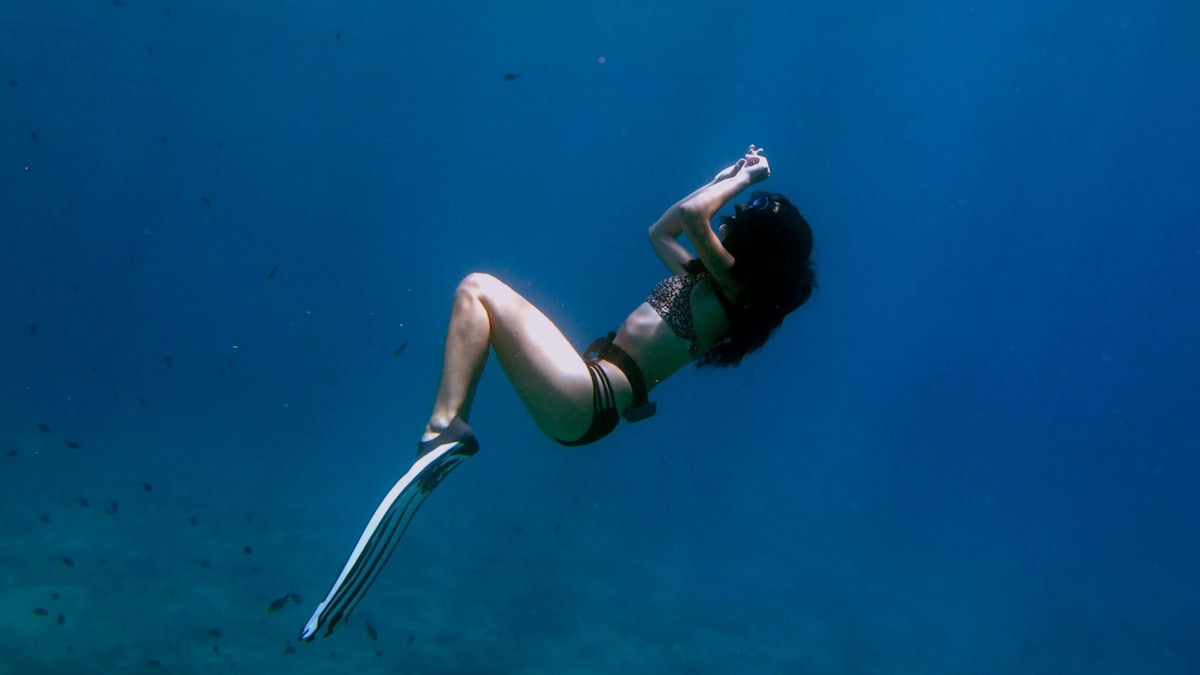
Every body that wants to surf, paddle, snorkel, or kayak is a water sports body. Full stop. The right swimwear for you is the swimwear that makes you feel secure enough to forget you’re wearing it and focus entirely on the experience.
If you have a larger bust, prioritize underwire or molded cup swim tops with thick adjustable straps. The support makes all the difference during impact sports. If you prefer more coverage around your midsection, high-waisted bottoms paired with a tankini or long-line top provide security without limiting movement. If you want maximum coverage, full-body surf suits — essentially fashionable wetsuits — come in incredible prints and colors now and deliver UV protection, warmth, and total coverage in one piece.
According to a 2024 survey by the Outdoor Foundation, participation in water sports among women increased by 18% over the previous five years, driven largely by paddleboarding and kayaking’s reputation as accessible, low-barrier activities. The industry is responding with size-inclusive active swimwear lines that go well beyond traditional sizing.
How to Test Your Swimsuit Before You Hit the Water
You wouldn’t run a marathon in untested shoes. Don’t debut new swimwear during a surf lesson either. Here’s a quick at-home test protocol.
The reach test: Put on the suit and raise both arms as high as you can. Does the top ride up? Does the bottom pull down? If either happens in your bathroom, it’ll be ten times worse in the ocean.
The bend test: Touch your toes, do a squat, twist side to side. Watch for gapping at the bust, waistband sliding, or fabric bunching uncomfortably. You’ll be doing all of these movements on the water — probably while wet, which adds slipperiness.
The shower test: Wear the suit in the shower for two minutes. How does it feel wet? Does it get heavy? Does it stay in position? Quick-dry fabrics should feel noticeably lighter within minutes of leaving the water.
The jump test: Jump up and down ten times. This simulates the impact of waves. If anything shifts, readjust and try a different style. This test alone eliminates about 70% of swimsuits that look great on a hanger but perform terribly in open water.
👙 Find Your Perfect Active Bikini
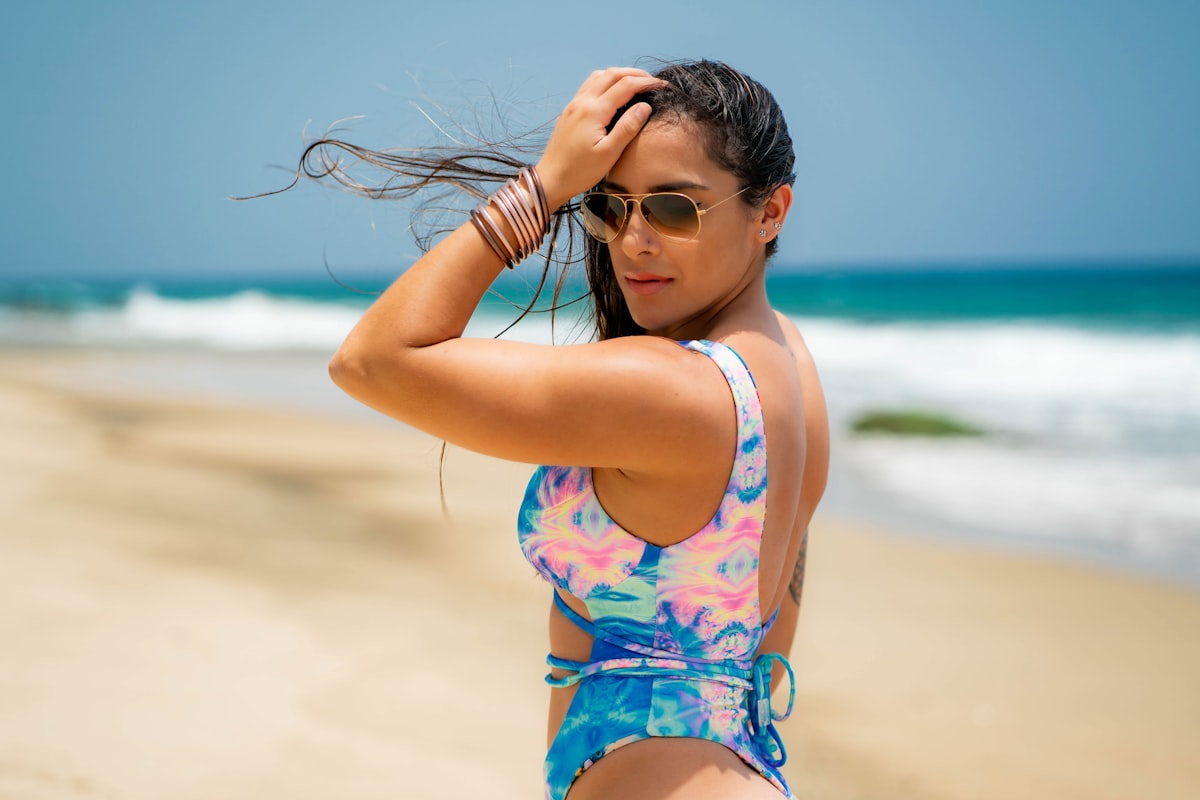
Our High Waist Floral Split Bikini Set combines secure high-waist coverage with a beautiful floral print — proof that active swimwear can be just as stunning as fashion swimwear. The Classic Solid Color Bikini Set is another versatile choice for mixing and matching.
Care Tips to Make Active Swimwear Last
Performance swimwear costs more than basic fashion suits, so protect your investment. Salt water, chlorine, and UV exposure are the three biggest enemies of spandex fibers.
Rinse your suit in cool fresh water immediately after every use — don’t let salt or chlorine sit on the fabric. Hand wash with a gentle detergent designed for swimwear or delicates. Never wring it out; press the water out gently or roll it in a towel. Lay it flat to dry in the shade — direct sunlight breaks down elastic fibers faster than anything else.
Rotate between at least two suits if you’re active daily. Spandex needs about 24 hours to fully recover its elasticity after being stretched. Wearing the same suit two days in a row accelerates the loss of compression and support. With proper care, a quality active swimsuit should maintain its performance through 100+ wears — far more than a fashion bikini typically delivers.
Your swimwear should be the last thing on your mind when you’re catching a wave, spotting sea turtles through your mask, or watching the sunset from a kayak. Get the right suit, test it before you go, and then forget about it entirely. That’s the whole point — freedom to move, play, and explore without a single wardrobe thought interrupting the moment. Every body deserves that freedom. Go find your wave.