Sustainable Swimwear | Eco-Friendly Bikinis & Swimsuits for Every Body 2026
What Makes Swimwear Sustainable
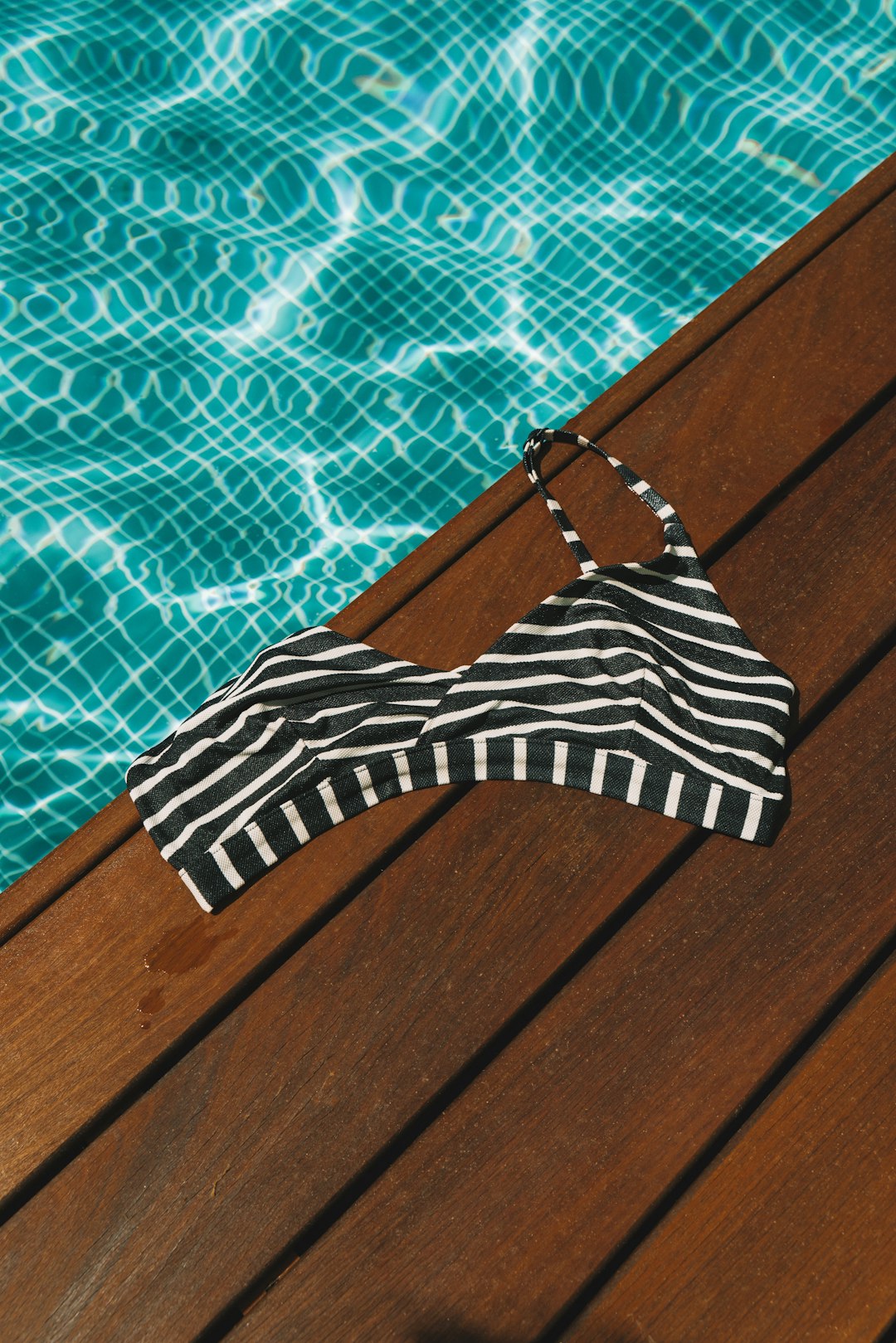
Sustainable swimwear represents a revolutionary shift in beach fashion, using recycled ocean plastics, innovative plant-based materials, and ethical manufacturing practices. Unlike traditional swimwear made from virgin nylon and petroleum-based fabrics, sustainable options transform waste into wearable art while maintaining the performance and style you expect from premium swimwear.
The materials used in sustainable swimwear tell a powerful story. ECONYL® regenerated nylon comes directly from discarded fishing nets, fabric waste, and carpet fibers that would otherwise pollute our oceans. This innovative material performs identically to virgin nylon but carries a much smaller environmental footprint. Additionally, many brands incorporate organic cotton, Tencel from sustainably sourced eucalyptus, and even algae-based foams for padding.
Manufacturing processes also distinguish sustainable swimwear from conventional options. Ethical brands prioritize fair labor practices, low-impact dyes, and water-efficient production methods. Many use solar-powered facilities and implement closed-loop water systems that minimize waste and pollution.
Environmental Impact of Traditional vs Sustainable Swimwear

The environmental contrast between traditional and sustainable swimwear is staggering. Conventional swimwear production contributes to ocean pollution through microplastic shedding, chemical runoff, and textile waste. A single polyester garment can release over 1,900 microfibers per wash cycle, eventually reaching marine ecosystems where they harm sea life.
Traditional swimwear environmental costs include:
- Virgin nylon production requiring significant petroleum resources
- Chemical dyes polluting waterways during manufacturing
- Microplastic shedding during washing and wear
- Non-biodegradable materials lasting centuries in landfills
- Energy-intensive production processes
Sustainable swimwear environmental benefits:
- Diverts plastic waste from oceans and landfills
- Reduces demand for virgin materials by up to 80%
- Uses renewable energy in production facilities
- Implements biodegradable or infinitely recyclable materials
- Supports ocean cleanup initiatives through purchase partnerships
Studies show that choosing sustainable swimwear can reduce your fashion footprint by up to 60% compared to conventional alternatives. When multiplied across millions of consumers, this represents a significant positive impact on ocean health and climate change mitigation.
Top Sustainable Swimwear Materials and Technologies
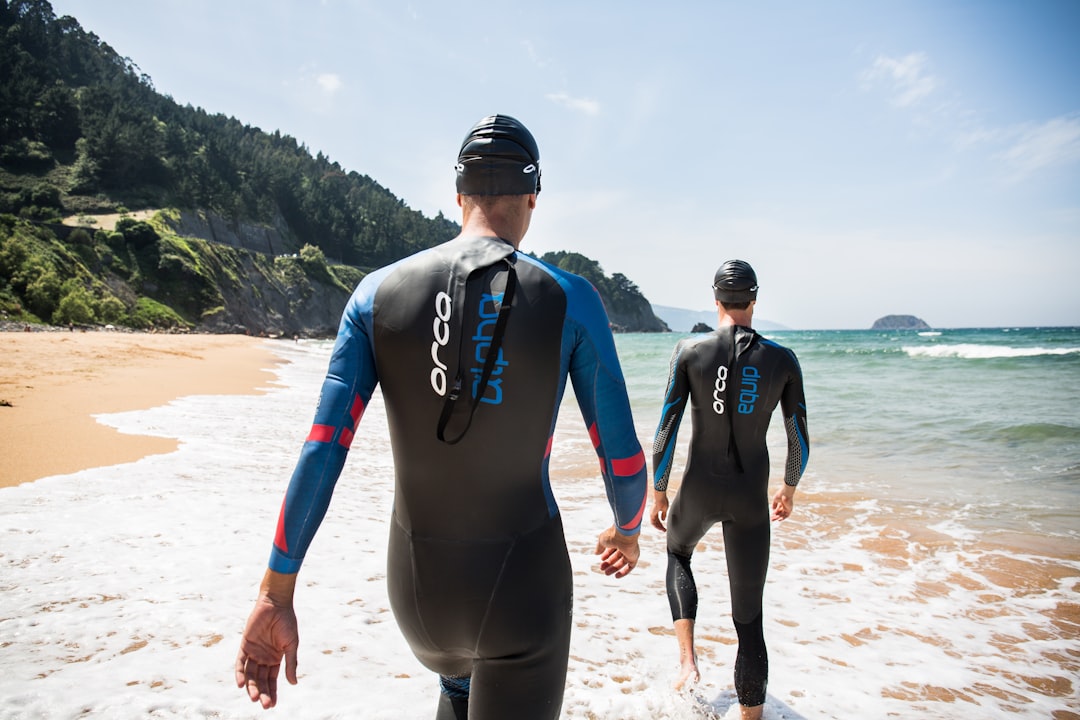
Innovation drives the sustainable swimwear industry forward, with new materials and technologies emerging regularly. Understanding these options helps you make informed choices that align with your environmental values while ensuring optimal performance in water activities.
ECONYL® Regenerated Nylon leads the sustainable materials revolution. This Italian-developed technology transforms waste into high-performance nylon that’s chemically identical to virgin materials. The process involves depolymerizing waste materials, purifying the result, and repolymerizing into new nylon fibers. Brands like Patagonia, Girlfriend Collective, and Stella McCartney use ECONYL® extensively.
Recycled Polyester (rPET) comes from plastic bottles and textile waste. While not infinitely recyclable like ECONYL®, rPET significantly reduces virgin plastic demand and diverts waste from landfills. High-quality rPET maintains excellent stretch, colorfastness, and chlorine resistance essential for swimwear performance.
Plant-Based Materials represent the cutting edge of sustainable textile innovation. Tencel Modal from beech trees offers silk-like softness and natural antimicrobial properties. Hemp blends provide durability and UV protection. Some brands even experiment with mushroom leather and lab-grown algae materials for unique textures and environmental benefits.
Natural Rubber Alternatives replace petroleum-based elastanes in waistbands and trim. Natural latex from rubber trees and plant-based spandex alternatives maintain stretch and recovery while reducing synthetic material dependence.
Best Sustainable Swimwear Brands for Every Body Type

The sustainable swimwear market now offers extensive options for every body type, style preference, and budget. Leading brands combine environmental consciousness with inclusive sizing and flattering designs that celebrate all bodies.
For Petite Frames: Reformation Swim creates proportioned cuts in recycled nylon that complement smaller figures. Their high-cut bottoms and supportive tops in ECONYL® offer both style and sustainability. Vitamin A also excels with delicate hardware and thoughtful construction in EcoLux fabric.
For Curvy Bodies: Girlfriend Collective Swim leads with size-inclusive ECONYL® pieces featuring supportive underwire tops and tummy-control one-pieces. Summersalt offers extensive cup and band sizing in recycled materials, with compression panels and adjustable features for optimal fit and comfort.
For Athletic Builds: Patagonia designs performance-focused sustainable swimwear using recycled nylon and polyester. Their pieces withstand intense water sports while maintaining shape and color. Picture Organic Clothing similarly targets active lifestyles with durable, recycled material construction.
For Plus-Size Bodies: Chromat champions size inclusivity with architectural designs in sustainable materials. Their structural engineering creates supportive, comfortable fits in larger sizes. Andie Swim recently expanded their sustainable line to include comprehensive plus-size options with thoughtful design details.
Budget-Conscious Options: Everlane offers accessible pricing on recycled polyester basics. Girlfriend Collective frequently runs promotions on their sustainable swim line. Kotn provides organic cotton cover-ups and accessories at reasonable price points.
Caring for Your Sustainable Swimwear
Proper care extends the life of sustainable swimwear while maintaining its environmental benefits. These specialized materials require specific maintenance practices that differ from conventional swimwear care routines.
Immediate Post-Swim Care: Rinse your sustainable swimwear immediately after each use in cool, fresh water. Salt, chlorine, and sunscreen can degrade even the most durable sustainable materials. Don’t let wet swimwear sit bundled in bags or towels, as this promotes bacterial growth and fabric breakdown.
Washing Guidelines: Hand wash sustainable swimwear in cool water with gentle, eco-friendly detergent. Avoid fabric softeners, bleach, or harsh chemicals that can compromise recycled fibers. If machine washing is necessary, use a mesh laundry bag on gentle cycle with cold water to minimize microfiber release.
Drying Best Practices: Air dry sustainable swimwear away from direct sunlight, which can fade colors and weaken fibers. Lay flat on clean towels rather than hanging, which can stretch delicate areas. Avoid heat sources like radiators, hair dryers, or dryers, as high temperatures damage recycled materials more than virgin fabrics.
Storage Solutions: Store clean, dry sustainable swimwear in breathable containers or drawers. Avoid plastic bags that trap moisture. Keep pieces separated to prevent color transfer, especially important with natural dyes used in eco-friendly swimwear. Consider using cedar sachets or lavender to maintain freshness naturally.
Repair and Maintenance: Address small issues immediately to prevent major repairs. Many sustainable swimwear brands offer repair services or instructions for common problems. Learn basic hand-sewing techniques to extend garment life, aligning with sustainable consumption principles.
Style Guide: Trending Sustainable Swimwear for 2026
Sustainable swimwear fashion for 2026 embraces both environmental consciousness and cutting-edge style. This year’s trends prove that choosing eco-friendly options doesn’t require compromising on aesthetics or performance.
Minimalist Silhouettes dominate sustainable fashion, emphasizing clean lines and versatile pieces that transition from beach to street. Think architectural one-pieces with strategic cutouts, high-waisted bikini bottoms paired with crop-style tops, and reversible designs that double your styling options while reducing consumption.
Earth-Inspired Colorways reflect the environmental connection inherent in sustainable swimwear. Expect warm terracotta, sage green, ocean blue, and sandy beige palettes created with low-impact, natural dyes. These colors complement all skin tones while celebrating nature’s beauty.
Mixed Material Construction combines different sustainable fabrics for both functional and aesthetic benefits. Designs might feature ECONYL® body panels with Tencel trim, or organic cotton details on recycled polyester foundations. This approach showcases material innovation while creating visual interest.
Retro-Inspired Cuts return with a sustainable twist. High-waisted bottoms reminiscent of 1950s styles pair with modern sustainable materials. Vintage-inspired one-pieces get updated with recycled content and improved fit technology.
Multi-Functional Designs address consumers’ desire for versatile, long-lasting pieces. Convertible straps, removable padding, and adjustable features allow customization while reducing the need for multiple garments. Some pieces even transition to activewear or casual tops.
Making the Switch to Sustainable Swimwear
Transitioning to sustainable swimwear benefits both your wardrobe and the planet. This shift requires thoughtful consideration of your swimming activities, style preferences, and budget while maximizing environmental impact.
Assess Your Current Collection: Before purchasing new sustainable pieces, evaluate your existing swimwear. Identify gaps in your wardrobe, pieces needing replacement, and styles you actually wear. This prevents overconsumption and ensures new purchases serve specific needs.
Start with Versatile Staples: Begin your sustainable swimwear journey with classic, versatile pieces that work for multiple activities and settings. A well-fitting black one-piece in ECONYL® serves for swimming, water sports, and vacation wear. Add a sustainable bikini in a neutral color that mixes and matches with existing pieces.
Research Brand Values: Look beyond marketing claims to understand brands’ true sustainability commitments. Check for third-party certifications like Global Organic Textile Standard (GOTS), OEKO-TEX, or Cradle to Cradle. Read impact reports, supply chain transparency information, and worker welfare policies.
Consider Total Cost of Ownership: Sustainable swimwear often costs more upfront but provides better value long-term. Higher-quality materials and construction mean pieces last longer, maintain their appearance better, and require fewer replacements. Calculate cost-per-wear to understand true value.
Support Circular Fashion: Many sustainable brands offer take-back programs, allowing you to return worn-out pieces for recycling into new garments. This closes the loop on sustainable consumption and supports truly circular fashion systems.
Sustainable swimwear represents more than a fashion choice—it’s a statement of values that prioritizes ocean health, ethical production, and long-term thinking. As consumers increasingly demand transparency and environmental responsibility from brands, the sustainable swimwear market continues expanding with innovative materials, inclusive sizing, and compelling designs.
The transition to sustainable swimwear requires initial research and investment, but the benefits extend far beyond individual wardrobe improvements. Each purchase supports cleaner oceans, reduced plastic waste, and ethical manufacturing practices while providing superior performance and style.
Whether you’re a weekend beach visitor or a daily swimmer, sustainable options now exist for every lifestyle, body type, and budget. The question isn’t whether to make the switch, but which sustainable swimwear pieces will best serve your needs while supporting the environmental future we all share.
Start small, choose quality over quantity, and care for your sustainable swimwear properly to maximize both environmental impact and personal satisfaction. Your beach bag—and the ocean—will thank you.
Shop our full range of bikinis and swimwear at the BikiniCool store →