Beach Cover-Up Styles: From Sarong to Kaftan (2026 Edit)
There’s a particular kind of magic in the moment you step off the warm sand, slip something soft and flowing over your swimsuit, and feel instantly put-together. The right beach cover-up does more than shield you from the sun — it carries you from the shoreline to the cocktail bar, from the boat deck to the boardwalk, without ever needing to change. From the gauzy simplicity of a sarong to the regal drape of a kaftan, this guide walks through every classic cover-up style and how to wear each one with confidence in 2026.

Why Your Cover-Up Deserves as Much Thought as Your Bikini
Most of us spend a long time choosing the perfect bikini, then grab whatever oversized t-shirt is closest as a cover-up. Here’s the secret: the right cover-up actually extends the life of your swimwear by giving it a styling moment of its own. A great cover-up should feel like a second skin — breezy enough to wear over wet skin, structured enough to look intentional, and flattering enough that you reach for it again and again. It’s the bridge between the water and the rest of your day.
And here’s the body-positive truth: there is no one “right” cover-up. The best one is the one that makes you feel like the main character of your own beach day, regardless of size, shape, or shoreline.
The Sarong: The Original Beach Cover-Up
Long before “resort wear” was a category, the sarong was already doing the job. Originating in Southeast Asia and the Pacific Islands, a traditional sarong is a single rectangular piece of lightweight fabric — usually cotton, rayon, or silk — that wraps around the body and ties at the hip, waist, or chest. What makes the sarong endlessly modern is its versatility. The exact same piece of fabric can be a mini skirt, a maxi dress, a halter top, or a strapless gown depending on how you tie it.
How to Style a Sarong in 2026
- Hip wrap: Tie low at the hip for a relaxed mini-skirt look — perfect over high-waisted bikini bottoms.
- Strapless dress: Wrap from chest height and knot at the bust for an instant cocktail-ready dress.
- Halter: Twist the corners behind your neck for a body-skimming halter dress that’s pure St. Tropez.
- Side-tied skirt: Knot at the side instead of the front for a flattering asymmetrical drape.
Pro tip: a longer, wider sarong is more forgiving and infinitely more wearable than a short one. Look for at least 60 inches of length so you have room to play with the drape.
The Kaftan: Effortless Elegance, Zero Effort
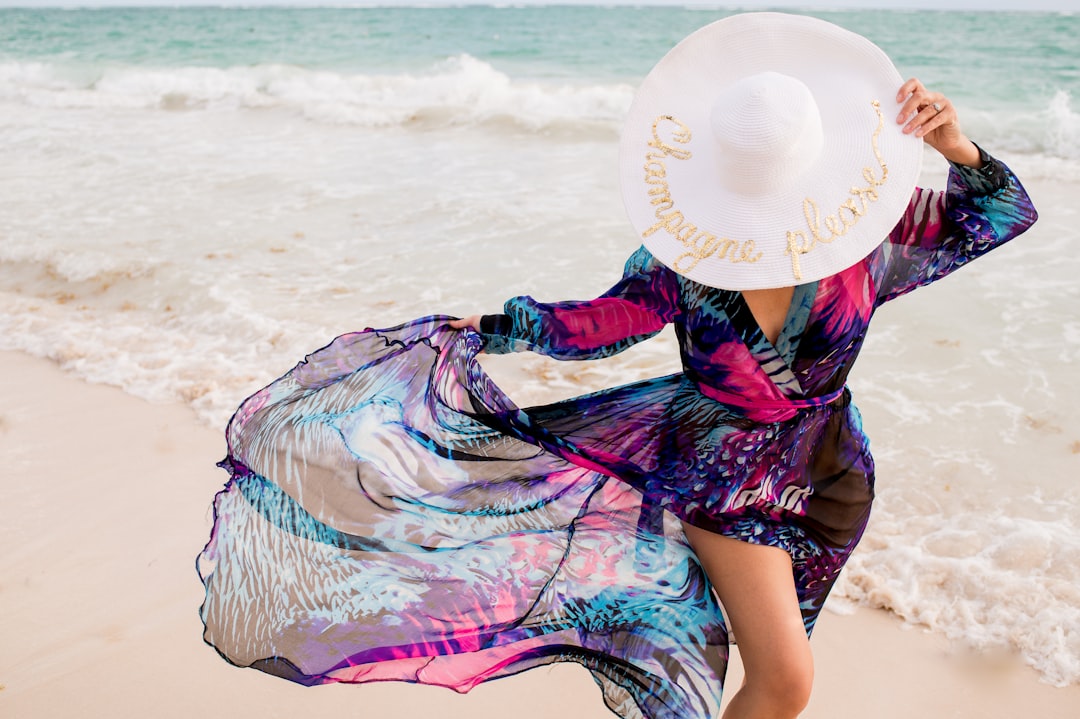
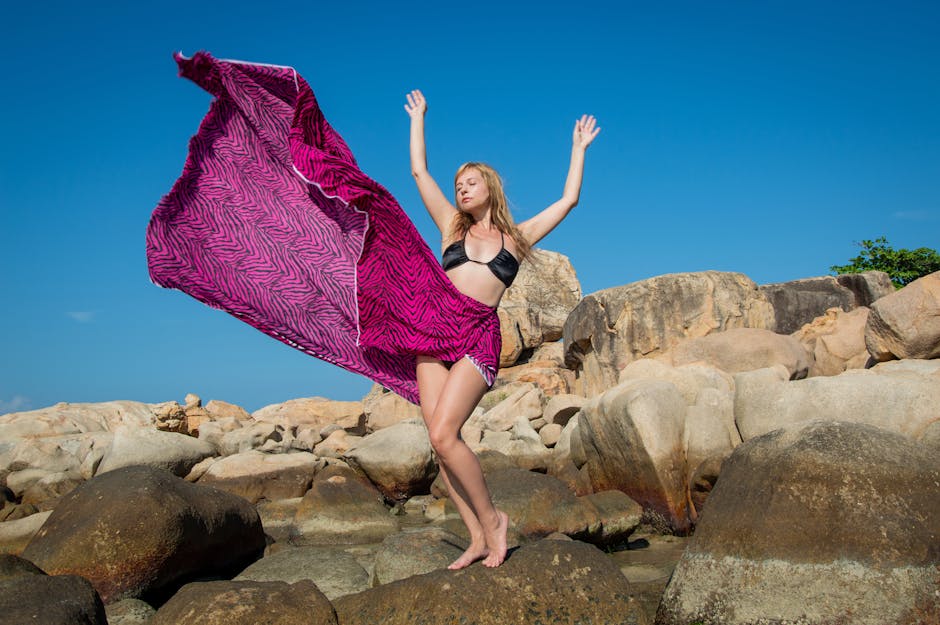
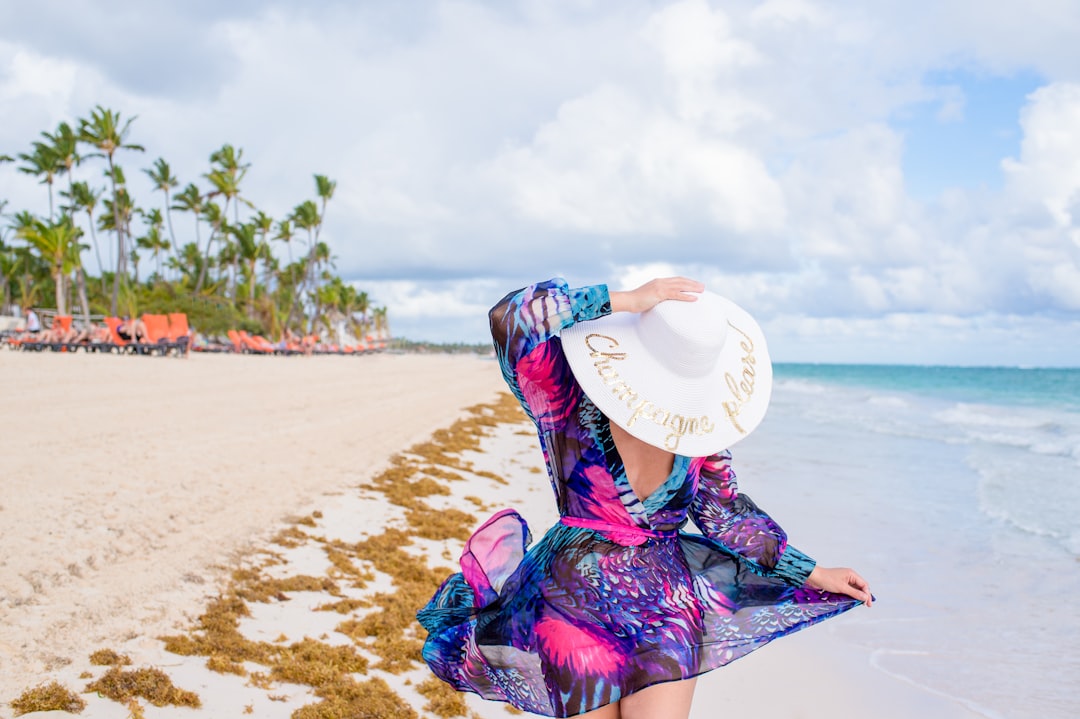
If the sarong is a beach essential, the kaftan is a beach statement. Originally a long, loose-fitting tunic from Persian and Ottoman traditions, the kaftan has been embraced by everyone from Elizabeth Taylor in the 1960s to today’s most stylish poolside guests. Its appeal is simple: a kaftan flows, it forgives, and it looks intentionally chic without you having to do a single thing.
The modern beach kaftan is typically calf or floor-length, made of breathable cotton, linen, or silk-blend chiffon, and often features bold prints, embroidered necklines, or tassel ties. Because it skims the body without clinging, the kaftan is one of the most universally flattering cover-ups ever made — it works across every body type, every age, and every beach setting.
When to Reach for a Kaftan
- Boat days, sunset dinners, and beach club lunches
- Days when you want coverage without sacrificing style
- Travel: a kaftan packs flat and unwrinkles in minutes
- Anywhere you want to feel a little dressed up while still wearing your swimsuit underneath
The Pareo: A Sarong’s Lighter, Sheerer Cousin
The pareo is a French Polynesian classic — and yes, it’s similar to a sarong, but with a lighter, often sheerer hand. Where a sarong might be opaque cotton, a pareo is usually a gauzy chiffon, georgette, or printed silk that drapes weightlessly over the body. Pareos are typically smaller than sarongs and best worn as hip wraps, beach skirts, or ultra-light shoulder shawls.
If you love the sheer, peek-of-skin look without committing to a fully transparent cover-up, a pareo is your best friend. Solid white, navy, or coral pareos pair beautifully with patterned bikinis, while bold printed pareos can elevate a simple black two-piece into something magazine-worthy.
The Beach Kimono: Boho Layering at Its Best
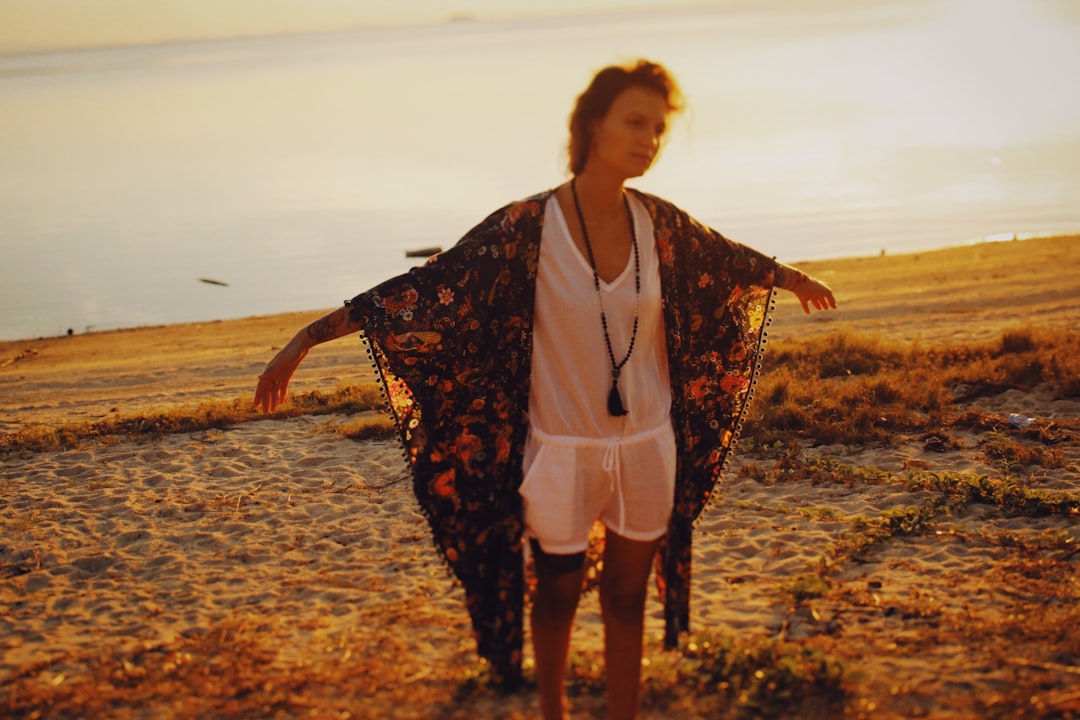
The beach kimono — a Western-influenced reinterpretation of the traditional Japanese garment — has become the go-to cover-up for boho-leaning beachgoers. Open in the front, often with kimono-style sleeves, fringe trim, or floral prints, the beach kimono is the layering piece you didn’t know your beach bag was missing.
What makes the kimono so wearable is that it doesn’t need to be tied or wrapped. You simply slip it on like a robe, and the open silhouette flatters every torso shape because it creates a long, vertical line down the center of the body. Pair a black kimono with a bold-print bikini, or a printed kimono with a solid swimsuit — the contrast is what makes it pop.
The Tunic Cover-Up: Coverage Without Compromise
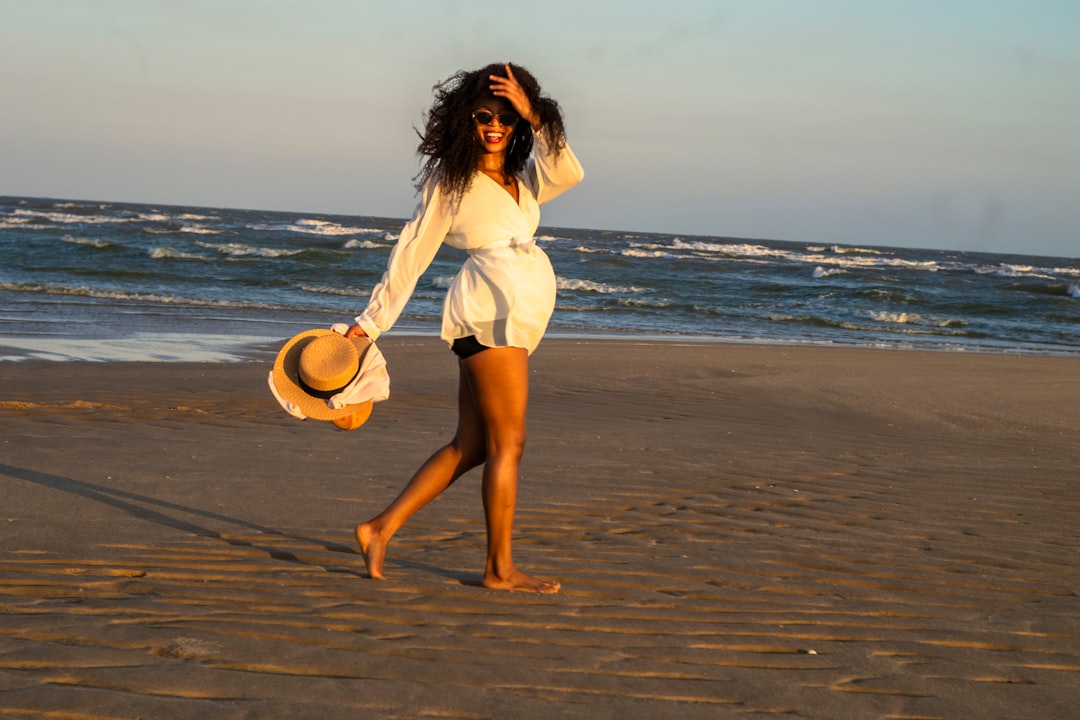
If you prefer more coverage but don’t want to sacrifice the feeling of a beach piece, the tunic is your sweet spot. Tunics fall somewhere between a long top and a short dress — typically hitting at mid-thigh or knee — and are made from breathable woven cotton, linen, or jersey. They slip on overhead, often have side slits for movement, and look polished enough to wear straight from the beach to a lunch reservation.
Tunics are an especially great choice for poolside reading, family beach days when you’ll be in and out of the water, or trips where you want a piece that earns its place in your suitcase by working triple duty.
The Maxi Beach Dress: From Shoreline to Sunset Dinner
The maxi beach dress is the cover-up that pulls double duty as actual outerwear. Long, flowing, often with a smocked bodice, halter neckline, or open back — the maxi takes you from beach to bar without missing a beat. Cotton gauze, linen-rayon blends, and printed chiffon are the most popular fabrics for true beach maxis because they breathe, dry quickly, and don’t cling when the air gets humid.
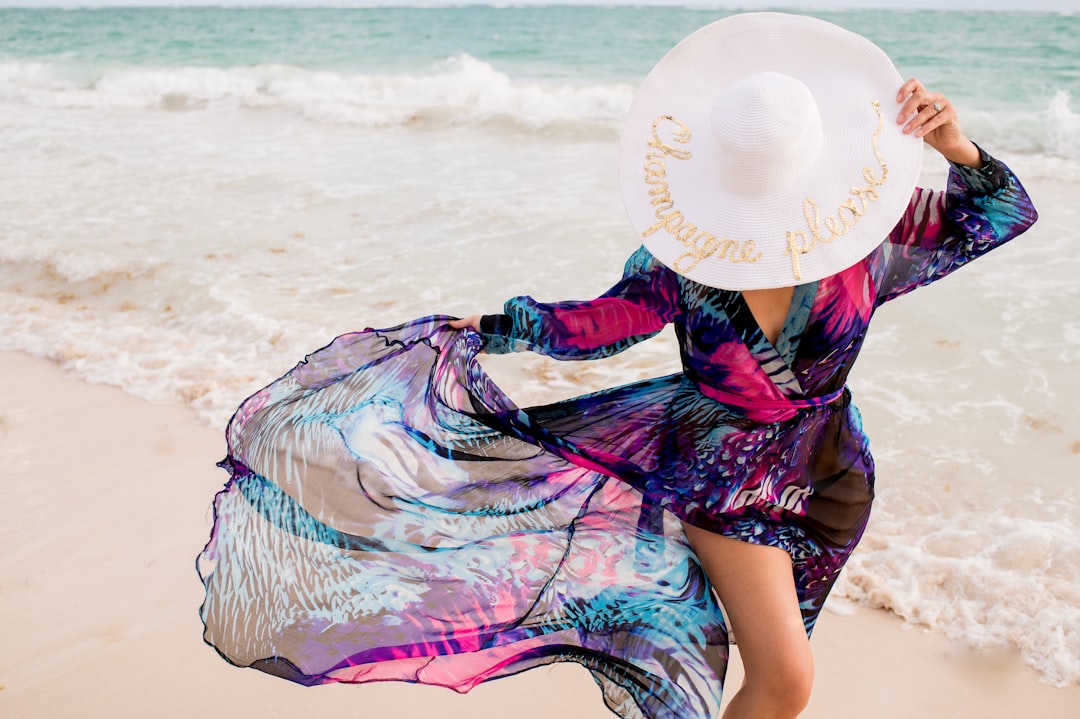
Body-positive note: the maxi is one of the most universally celebrated silhouettes precisely because it lets you choose where to highlight. A waist-defining smock, a deep V neckline, a high slit — pick the detail that feels good to you and let the rest skim freely.
The Crochet & Mesh Cover-Up: Texture That Steals the Show
Texture is one of the biggest beachwear stories of 2026, and crochet and mesh cover-ups are leading the trend. From handmade-looking crochet dresses to airy net tunics, these pieces add visual interest without weight. They’re also one of the most photogenic cover-ups for beach content — the texture catches light beautifully and creates depth in every photo.
The trick with crochet and mesh is to think about what’s underneath. A bold-color bikini in coral, emerald, or cobalt will pop against a cream crochet cover-up. A black bikini under a black mesh dress reads sleek and high-fashion. Don’t underestimate how much the layering decision shapes the final look.
Watch: How to Tie a Sarong Six Different Ways
Choosing the Right Cover-Up for Your Body and Beach Vibe
The honest truth? Every cover-up style on this list works for every body. What changes is how you wear it and what feels good to you. Here’s a quick guide to matching the cover-up to the moment, not to the imagined “rules” we’ve been taught about what flatters what.
Match the Cover-Up to the Setting
- Public beach or family pool: Tunic, maxi dress, or kaftan for full coverage between dips.
- Boat day or yacht: Lightweight kaftan or sheer pareo — wind-friendly and photo-ready.
- Beach bar or cocktail hour: Maxi dress, kaftan, or strapless sarong wrap.
- Quick swim and snack: Kimono or sarong — easy on, easy off.
- Resort breakfast: Tunic or kimono over a bikini — you look intentional, you feel comfortable.
The Five Cover-Up Mistakes to Skip in 2026
- Buying one that’s too short. A cover-up that hits awkwardly mid-thigh tends to look like a t-shirt. Aim for either above the bikini line, mid-thigh with a defined hem, or knee and below.
- Skipping color. If your bikini is neutral, your cover-up is your chance to play. Coral, mustard, cobalt, and crisp white all photograph brilliantly against the beach.
- Choosing fabric that doesn’t dry. Heavy cotton stays wet and clings unflatteringly. Linen, chiffon, and rayon blends are your friends.
- Forgetting the layering pieces. A simple straw bag, oversized sunglasses, and woven sandals turn a cover-up into a complete outfit.
- Letting the cover-up wear you. If you’re constantly adjusting, retying, or hiding inside it, it’s the wrong piece. The right cover-up disappears into how confident it makes you feel.
Frequently Asked Questions
What’s the difference between a sarong and a pareo?
A sarong is typically heavier, more structured cotton or rayon, and large enough to wrap into a full skirt or dress. A pareo is usually lighter, more sheer, and smaller — best worn as a hip wrap or shoulder cover.
Can I wear a kaftan if I’m petite?
Absolutely. Look for kaftans that hit at mid-calf rather than full floor-length, and choose smaller-scale prints or vertical patterns. A defined neckline (V-neck, embroidered placket) creates length and balances the volume.
Are crochet cover-ups practical for actual beach days?
Yes — they dry quickly, pack flat, and don’t cling when wet. The only consideration is sun exposure: crochet has open weaves, so apply SPF as you would when wearing the bikini alone.
How do I pack cover-ups for a beach vacation?
Roll them. Sarongs, pareos, kaftans, and kimonos all roll into compact tubes that take up almost no suitcase space. One of each, plus a maxi dress, will cover an entire week of beach moments.
Final Thoughts: Find the Cover-Up That Becomes Yours
The beauty of a great cover-up is that it stops being a cover-up and starts being your piece — the kaftan you bring on every trip, the sarong you’ve owned for five summers, the kimono that still gets compliments. From the structured drape of a sarong to the regal flow of a kaftan, every style on this list earns its place in a thoughtful beach wardrobe. Try a few, see what feels like you, and let the rest of the beach catch up.
Sources
- Vogue: A History of the Beach Cover-Up
- Harper’s Bazaar: Resort Wear Trends
- BBC Culture: The Kaftan as a Symbol of Summer
Shop our full range of bikinis and swimwear at the BikiniCool store →