
Bikini Rescue Guide: How to Revive Faded, Stretched & Stained Swimwear at Home
That favorite bikini you splurged on last summer? The one that survived three vacations, a hundred Instagram shots, and one very chlorinated hotel pool? If it’s looking faded, baggy, or stained, don’t toss it just yet. Most “ruined” swimwear can be brought back to life with a few kitchen-cabinet ingredients and twenty minutes of patience. Whether you’re rescuing a sentimental beach favorite or trying to stretch your wardrobe before the next summer haul, this rescue guide walks you through fixes that actually work — backed by fabric science, not Pinterest myths. Bring your tired suit. Leave with one that looks closer to the day you unwrapped it. Your body is gorgeous in every size, shape, and season, and your swimwear should match that energy.

Why Bikinis Die Before Their Time
Swimwear lives a brutal life. The same suit that has to look sleek on the beach also has to survive UV bombardment, chlorine, salt water, sunscreen oils, sand abrasion, and the chair-edge of every pool lounger in a 50-mile radius. It’s stretched on, stretched off, twisted out, and crammed into a wet plastic bag for the ride home. The spandex (also called elastane or Lycra) in your suit is what gives it that snap-back hug — but it’s also the most fragile fiber in the lineup. Heat kills it. Oil dissolves it. Chlorine slowly disintegrates it from the molecular level up.
The good news? Most swimwear isn’t actually dead when it looks dead. Faded color is often just sunscreen residue. Saggy fit is usually relaxed fibers that can be re-tensioned. Stains respond to the right pre-treatment. Pills shave off. Before you mourn a suit, run it through the diagnostic below.
First, Diagnose the Damage
A rescue only works if you treat the right problem. Lay your suit flat in good light and look it over carefully. Most tired bikinis have one or two of the following four issues — and each one has a different fix.
1. Faded or Dull Color
Hold the suit up to a window. If the color looks chalky, washed-out, or uneven (especially on the front panel that faces the sun), you’re dealing with sun bleaching plus sunscreen residue. The residue dulls the surface even when the dye is intact underneath. White suits often turn yellow from the same culprit. The good news: most of this is surface buildup, not permanent fading, and it lifts with the right wash.
2. Stretched-Out Fabric
Pull the leg openings and waistband gently. If they sag back into place without snapping, the spandex is fatigued. This usually happens from sitting too long in chlorine, getting wrung out aggressively, or being tumble-dried. Severe damage is permanent — but mild looseness can often be reversed with a cold-water shock treatment.
3. Stains and Discoloration
Sunscreen, self-tanner, mineral powders from sunblock, red wine from the pool bar, and even some moisturizers leave their fingerprints. Yellow patches near the seat, bust, or shoulder straps are almost always oil-based sunscreen reacting with chlorine. These need a degreaser, not just regular detergent.
4. Pilling, Snags, or Loose Threads
Rough deck surfaces, lounger Velcro, and rougher fabrics in the laundry can pull tiny loops of fiber to the surface, creating fuzzy pills. Snags happen when a single thread gets caught and pulled. Both are cosmetic, not structural — and both are fixable in under five minutes.
The Color Revival Treatment
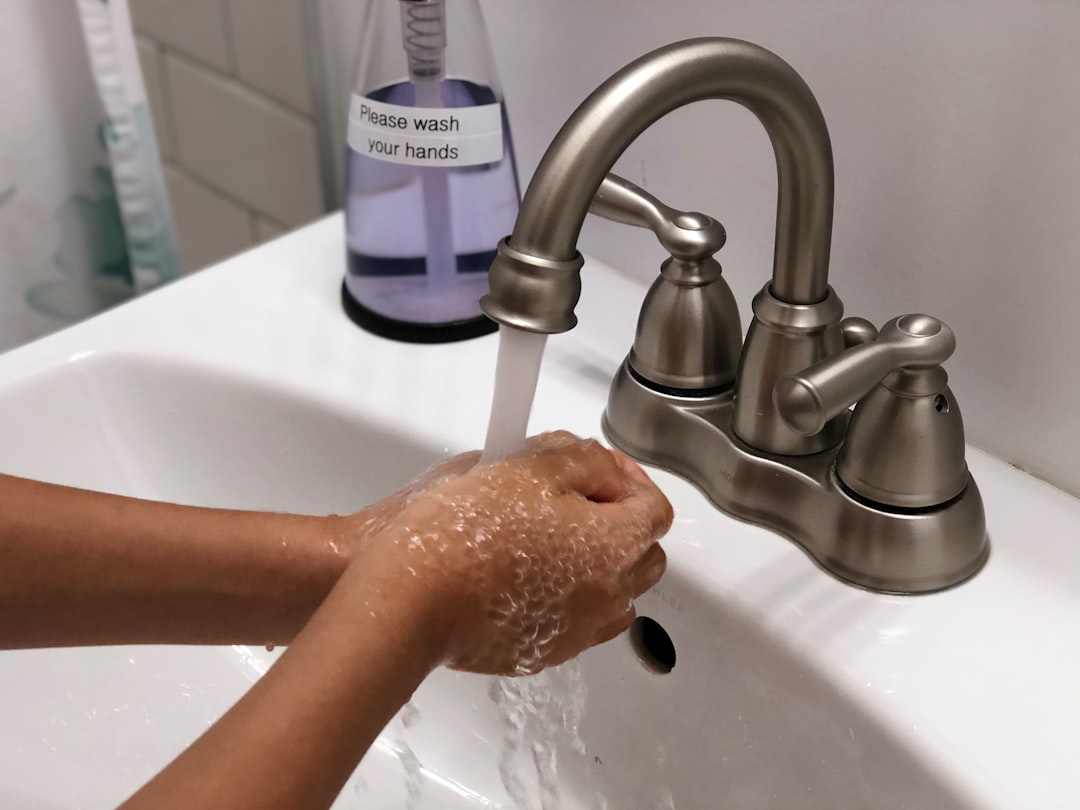
For dull or yellowed suits, the secret isn’t bleach (which destroys spandex) — it’s a long, cool soak in something that lifts oil and mineral residue. Here’s the recipe that has rescued more bikinis in my own drawer than anything else:
- Fill a basin with cool water (never warm — heat melts the elastane).
- Add one tablespoon of gentle baby shampoo or a delicates wash. Skip regular detergent, which is too alkaline.
- For yellowed whites, add one tablespoon of white distilled vinegar. The mild acid breaks down sunscreen residue without bleaching dye.
- Submerge the suit and gently swish. Don’t twist or scrub.
- Soak for two hours, then rinse in cool water until the water runs clear.
- Roll flat in a clean towel to press out water, then dry flat in the shade.
You’ll usually see a visible difference after the first soak. Stubborn cases may need a second round. Avoid optical brighteners and “whitening” detergents — they leave a film on synthetic fibers that traps the next round of sunscreen even faster.

Restoring Shape to a Stretched Suit
Mild fabric fatigue can be partially reversed with the same trick swimwear designers use after sample fittings: a cold shock. The cold causes the spandex to contract, and a quick controlled dry helps it set in a tighter relaxed state.
Soak the suit in ice water (yes, with actual ice cubes) for twenty minutes. While it’s submerged, gently scrunch and squeeze, working the cold through the fabric. Take it out, press out excess water in a towel, then lay flat to dry — but here’s the key step: pinch the leg openings and bust seam back into their original shape as you arrange it. The fabric will dry in that position. This won’t fix a suit that’s lost half its size, but it can revive a one-vacation droop into something wearable again. Repeat once a month for a suit you wear weekly.
Whatever you do, never put a stretched suit in the dryer to “shrink” it. Heat kills the remaining spandex and locks it in a permanent flop.
The Stain Removal Toolkit
Stains on swimwear are almost always oil-based — sunscreen, tanning lotion, body oil, hair conditioner, food spills. They need a degreaser, not just soap. Here’s a stain-by-stain cheat sheet you can keep on your phone:
- Sunscreen and self-tanner: Rub a thin layer of clear dish soap directly on the stain, let it sit for 15 minutes, then handwash in cool water.
- Oil and salad-dressing splashes: Sprinkle cornstarch or baby powder on the stain, leave for 30 minutes to absorb the oil, brush off, then wash.
- Red wine, fruit, or pool-bar mishaps: Cool-water rinse immediately, then soak in cool water with a tablespoon of oxygen-based stain remover (look for percarbonate-based, not chlorine bleach).
- Mystery yellow patches on white suits: The vinegar soak from the color-revival section above. Repeat as needed.
- Deodorant marks on straps: Rub the area gently with a damp microfiber cloth before washing — most aluminum-based residue lifts cold.
One golden rule: never use hot water on a swimwear stain. Heat sets oil stains permanently into synthetic fibers. Always work cold, even when your instinct says hot.

Fixing Pills, Snags, and Loose Threads
Pilling looks like the suit is dying. It’s actually just loose fiber loops bunching up on the surface. A battery-powered fabric shaver — the kind you’d use on a sweater — runs over the surface in seconds and shaves the pills clean off. Hold the fabric taut, work in slow circles, and don’t press hard. One pass usually does it. The suit looks brand new.
For snags (a single thread pulled into a loop on the surface), resist the urge to cut. Instead, use a needle or a small crochet hook to gently push the loop back through to the inside of the fabric. From the wrong side, you can secure it with a tiny dab of clear nail polish or a single hand stitch. Cutting a snag in spandex creates a hole that will run.
Loose stitching at seams — especially where the lining meets the outer fabric — is the easiest fix of all. A few hand stitches with matching polyester thread restores the seam invisibly. If a strap is starting to detach, reinforce it before it fully separates; a fully detached strap is a much harder repair.
Rescue or Retire? Knowing When to Let Go
Some suits are too far gone, and that’s okay. Letting go of a beach favorite isn’t a moral failure — it’s making space for a suit that fits you the way you deserve to be fit right now. Here are the signs that no rescue will save:
- The fabric has lost so much elasticity that the suit slips off in water no matter how you adjust it.
- You can see through the fabric when wet (chlorine has thinned the weave to translucency).
- Stains remain after two rounds of oxygen soak and direct degreaser treatment.
- The lining is fully detached and shifting around inside the outer shell.
- The fabric feels stiff, brittle, or papery — that’s elastane death, and it doesn’t come back.
Retired swimwear can still have a second life. Cut up old suits make excellent gym gear lining, sports-bra patches, or even reusable produce bag material. And every body deserves swimwear that holds and supports it — at every size, every age, every season of life.

Habits That Keep the Rescue Working
Once you’ve revived a suit, a few small habits will keep it in rescued condition for many more wears:
- Rinse in cool fresh water within 30 minutes of leaving the pool or ocean — before chlorine, salt, and sunscreen lock in.
- Apply sunscreen at least 15 minutes before putting on your suit so it can absorb into skin instead of soaking into the fabric.
- Never wring out a wet bikini. Press it between towels instead.
- Dry flat in the shade. Sun-drying on a balcony fades the color you just rescued.
- Store dry in a drawer, not stuffed in a beach bag. Wet plastic is a mildew incubator.
- Rotate suits if you swim daily — fabric needs at least 24 hours to fully recover its shape between wears.
You Deserve Swimwear That Loves You Back
A bikini that fits, holds, and flatters is one of the most confidence-boosting pieces of clothing you can own. Rescuing the ones you already love is cheaper, kinder to the planet, and more rewarding than constantly replacing them. So before you scroll the new arrivals, give your tired favorites the two-hour soak they deserve. You might be surprised how much life is still left in that suit — and in yourself.
Sources
- American Cleaning Institute — guidance on fabric care and stain chemistry
- The Spruce — household laundry and stain-removal references
- Good Housekeeping — textile care testing and recommendations
Shop our full range of bikinis and swimwear at the BikiniCool store →