Supportive Swimwear for Larger Busts: The Engineering Behind Real Bra-Level Hold
You know the moment. You wade in past your hips, a small wave catches you off-guard, and suddenly the swimsuit that looked perfect in the dressing room is doing something it absolutely should not be doing. For anyone with a D-cup or larger, supportive swimwear for larger busts is not a style preference — it is a structural requirement, and the difference between a suit that performs and a suit that panics comes down to engineering you can learn to spot in thirty seconds.
This guide skips the usual roundup of pretty pictures and gets into the construction details that actually matter: the underwire, the strap geometry, the power mesh, the band, and the sizing system. Once you can read a swimsuit the way a bra fitter reads a bra, you stop being at the mercy of brand marketing and start buying suits that hold you the way you deserve to be held.
Why Mainstream Swimwear Fails Larger Busts
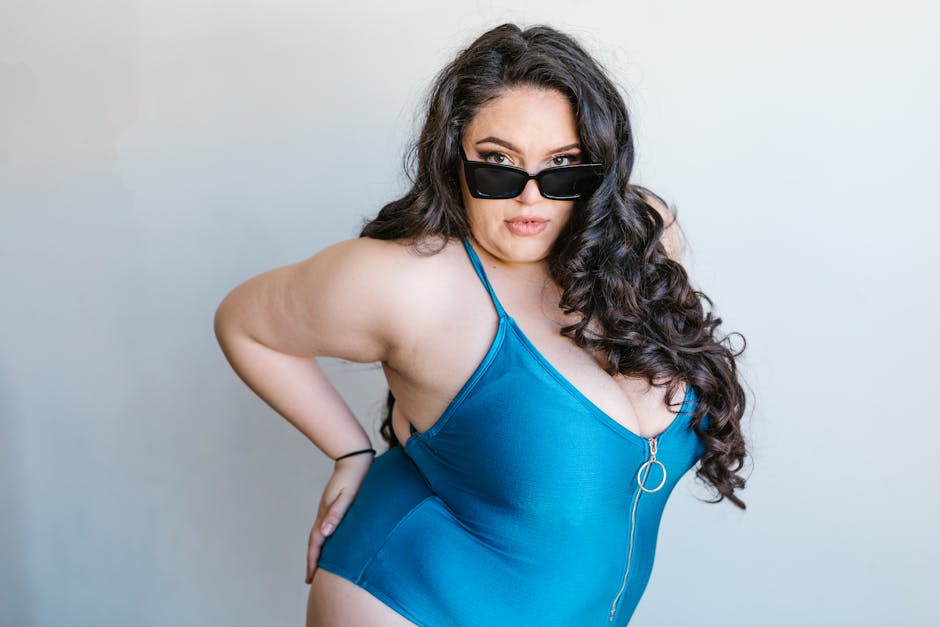
Most mass-market swimwear is graded from a base size cut to fit a B cup, with the assumption that bigger means a wider torso rather than a fuller bust. A “large” top in that system is simply a stretched B-cup pattern with longer ties — not a structurally different garment with different load-bearing requirements. That is why a 36DD wearer can squeeze into a size large, technically close the clasp, and still spend the day adjusting, hoisting, and dreading the next jump into the pool.
Larger busts need a swim garment that thinks like a bra first and a fashion piece second. The good news is that body-positive swimwear has come a long way, and the brands paying attention now build suits with real cup engineering. The slightly less good news is that they sit alongside hundreds of look-alike options that will let you down. Knowing what to look for is the whole game.
The 7 Engineering Features of Truly Supportive Swimwear
If a swimsuit is missing more than two of the features below, it is not supportive — it is decorative. Use this as a checklist when you read product descriptions or run your hands over a suit in store.
1. Real Underwire, Not a Decorative Seam
True swim underwire is a sealed, rust-resistant wire encased in a waterproof channel that wraps the full curve from the center gore out under the arm. Press the lower edge of the cup along the seam — you should feel a continuous, gently springy band. A curved decorative seam without a wire inside will feel soft and floppy; that suit will hold for a beach photo and nothing else.
2. Wide, Fully Adjustable Straps
Spaghetti straps on a heavier bust become cheese wire by lunchtime. Aim for straps at least three-quarters of an inch wide, ideally with a smooth-glide adjustable slider on each side. Halter ties are fine when they back up the engineering, but they should not be doing the entire job — a halter with no band structure simply transfers all the weight to your neck.
3. Power Mesh Lining Inside the Cup
Power mesh is the dense lycra-spandex weave hidden inside well-engineered cups, and it is doing most of the lift work that you cannot see. Stretch the inside of the cup between your fingers — if there is a second, firmer layer that resists noticeably more than the outer fabric, you have power mesh. If the cup is a single soft layer of swim fabric, the suit cannot create internal lift and will collapse the moment it gets wet.
4. Side Boning and Structured Side Panels
Flexible boning along the side seams stops the dreaded side spillage and keeps the cup walls vertical instead of letting them flatten outward under load. Run your fingers down the side seam from the strap to the band — if you feel two thin, flexible rods inside the casing, that suit was designed to corral a fuller bust, not just to dress one.
Shop Underwire Bikini Tops on Amazon →
5. Three-Row Hook-and-Eye Back Closure
The back of a supportive swim top should look more like the back of a bra than the back of a bikini. Three rows of hooks let you tighten the band as the suit relaxes through a season of wear, and the closure itself anchors the band against your ribcage so the straps do not have to carry all of the weight. Tie-back-only tops can be charming, but they slip during the day and offer none of this microadjustment.
6. Molded Cups Cut in Real Bra Measurements
Padded and supportive are not the same word. A pre-formed molded cup made from compressed foam holds its shape wet or dry, prevents nipple show-through under thin lycra, and keeps the silhouette smooth even when the fabric stretches. Look specifically for the word “molded” rather than “removable padding” — pads that float around the cup get gobbled by the spin cycle within three washes.
7. Band-and-Cup Sizing, Not S / M / L
This is the single biggest tell. If the size chart only lists Small, Medium, and Large, the brand is asking you to fit your bust into a dress-size silhouette — which is exactly the gap that lets bigger cups down. Brands that take fuller busts seriously will sell tops in 32D, 34DD, 36DDD, 38G, and so on, with the band number and cup letter chosen independently. That is the same logic you already trust your bra drawer to follow.
Style Families That Work for D-Cup and Above
Once you know the engineering checklist, almost any silhouette can work — but a few style families consistently deliver the goods with less hunting.
The Bra-Engineered Halter
Not the spaghetti-string halter from your twenties. The bra-engineered version pairs a real underwire band with a halter tie that adjusts independently from the band, giving you four points of micro-tuning. The neck tie controls lift, the band controls anchor, and the two work together instead of fighting each other. This is the suit you wear when you want cleavage to behave without disappearing.
The Full-Coverage Tankini
The tankini got an unfair reputation in the early 2000s, but the modern bra-cup tankini is one of the most quietly powerful pieces of supportive swimwear for larger busts on the market. You get full underwire, side boning, and a flowing torso panel that uncouples your bust support from your hip coverage. If you want freedom to mix-and-match with high-waisted bottoms or briefs without rebuilding the whole suit, this is the format.
Shop Supportive Underwire Tankinis on Amazon →
The Bra-Cup One-Piece
A one-piece with a built-in cup-sized shelf bra is the gold standard for active swimming, paddleboarding, snorkeling, or any trip where you do not want to think about your suit. The combined torso panel adds load-bearing fabric across the back and sides, which is exactly the support architecture that smaller-band, larger-cup bodies need most. Look for a power-mesh lined front panel and adjustable shoulder straps with sliders.
Shop Full-Bust One-Piece Swimsuits on Amazon →
The Structured Bandeau (Yes, Really)
The bandeau gets a bad rap with full busts because the strapless versions are usually engineered for an A or B cup. A bandeau built on a real bra band with detachable halter or convertible straps is a completely different garment — the bra band carries the weight, and the strap simply prevents drift. Worn this way it gives you tan-line freedom without the freefall.

How to Measure Your Swim-Bra Size at Home
If you have been a stable bra size for a few years, that is your starting point. If not, take five minutes with a soft tape and write the numbers down — most fit complaints trace back to a wrong band, not a wrong cup.
- Band measurement. Wrap a soft tape snugly around your ribcage directly under your bust, parallel to the floor. Round to the nearest even number — that is your band size.
- Bust measurement. Wrap the tape loosely around the fullest part of your bust while wearing a non-padded bra. Note that number.
- Cup size. Subtract band from bust. Each inch of difference equals one cup: 1″ = A, 2″ = B, 3″ = C, 4″ = D, 5″ = DD, 6″ = DDD/F, and so on.
- Sister-size sanity check. Swim fabric has more stretch than bra fabric, so if you sit between sizes, size down in the band and up in the cup (a 36DD often translates to a 34F swim cup).
Care That Preserves the Support You Paid For
Engineered swimwear is expensive precisely because of all the structural layers we just walked through, and chlorine, sunscreen, and saltwater are all corrosive to those layers. A few small habits add years to a supportive suit’s working life.
- Rinse in cold fresh water within thirty minutes of leaving the pool or ocean.
- Hand-wash with a gentle detergent every two or three wears — never tumble dry.
- Lay flat to dry in shade; UV breaks down the elastane that powers the stretch.
- Rotate two suits if you swim daily so each one fully dries between wears.
- Apply sunscreen and let it absorb for at least ten minutes before getting dressed — fresh sunscreen on swim fabric is one of the fastest ways to yellow and degrade it.

The Body-Positive Bottom Line
Supportive swimwear for larger busts is not about hiding, minimizing, or making your body more polite for the beach. It is about removing the background noise of constant adjustment so you can actually be present at the pool, on the boat, or wading into a sunset wave. A suit built with the right engineering disappears — you stop noticing it, and you start noticing the day you are in.
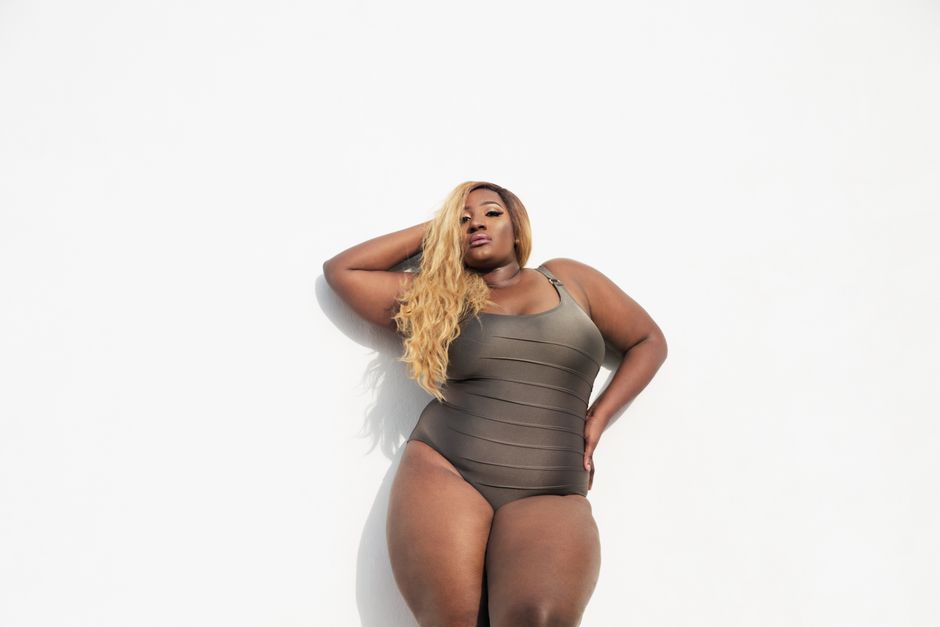
Buy the structure first and the print second. Trust your bra-size math. Walk away from any brand still selling you a Small-Medium-Large solution for a problem that needs a 34F. The right suit exists, and once you have worn one, you will never go back.
Sources
- Wikipedia — Brassiere measurements and sizing
- Wikipedia — Swimsuit history and construction
- Good Housekeeping — Swimwear fit and care guides
- WHO — Ultraviolet radiation and fabric degradation
Shop our full range of bikinis and swimwear at the BikiniCool store →