
Sun Protection, Comfort, and Style: The One-Piece vs Bikini Comparison That Actually Matters
Ask someone how to choose between a one-piece and a bikini, and the answer is almost always the same: it depends on your body shape. The advice that follows is predictable — cover this, show that, minimize here, balance there. But here is the problem with that framework: it does not actually tell you how swimwear performs when you are in it. It does not account for six hours under the sun, a wave catching your top off-guard, or whether you can comfortably eat lunch and get back in the water. The real one-piece vs bikini comparison is a performance question, a comfort question, and a style question. And the answers are far more useful than any body type chart.
The Sun Protection Difference Is Bigger Than You Think
One-pieces cover more skin — that is obvious. What is less obvious is how meaningful that difference becomes across a full beach day. A standard one-piece eliminates your entire midsection from sun exposure, removes a large swath of your lower back from the reapplication rotation, and reduces the total surface area you need to manage with SPF. For anyone who has forgotten to reapply sunscreen across a bikini gap and paid for it with peeling skin by Wednesday, this matters more than it sounds.

Bikinis offer maximum skin exposure — which means more sun, the option to tan more evenly by adjusting straps, and a more modular coverage experience throughout the day. The trade-off is honest: more fabric means more protection, and less fabric means more to manage. With a one-piece, your primary sunscreen zones are your legs, arms, shoulders, and chest. Add your entire midsection, lower back, and hip area to that list when you switch to a two-piece. Neither is wrong. They just require different levels of attention.
If UV protection matters to you — and dermatologists have made it increasingly clear that it should, regardless of skin tone — look for swimwear with a UPF (Ultraviolet Protection Factor) rating in both categories. UPF 50 fabric blocks approximately 98 percent of UV rays and is available in one-pieces and bikinis alike. A UPF-rated one-piece dramatically shrinks your total exposure window. A UPF-rated bikini top at least protects the covered areas while you manage everything else with broad-spectrum sunscreen reapplied every two hours without exception.
Shop UPF 50 One-Piece Swimsuits on Amazon →
In the Water: Which Style Actually Holds Up
This is where one-pieces earn a clear structural advantage, and it comes down to basic physics. A one-piece is one unified garment. There is no gap between top and bottom that a wave can catch, no separate tie that loosens in a current, no independent waistband that shifts when you dive. If you are doing anything more athletic than standing in shallow water, a well-fitted one-piece stays in place in a way that most bikinis simply cannot guarantee.

Bikinis require active management in water. Underwire can warp with sustained pool use. Halter ties loosen under pressure. Bandeau tops — gorgeous on dry ground — are genuinely risky in surf because they rely entirely on friction and body tension to stay put. If you swim laps regularly, surf, or plan a water park day, a one-piece with functional racerback straps is the honest engineering choice. It removes the mental overhead of wondering whether your top is still where you left it.
For casual wading, paddling in calm water, or the typical beach rhythm of sit-and-dip, a bikini is completely functional. The difference only becomes meaningful when the water gets active. Modern bikinis with thick straps, back closures instead of ties, and molded cups have improved significantly — brands have invested heavily in designs that solve the movement problem. But if you are going to be upside-down in waves on a regular basis, the one-piece remains the smarter structural choice, and there is no body-type reasoning involved in that conclusion at all.
All-Day Comfort: What Beach Days Actually Reveal
This is the comparison that a long beach day exposes, and it is more nuanced than most swimwear marketing admits. One-pieces have one practical limitation that is well-known but rarely discussed directly: bathroom breaks. A one-piece requires you to shift or remove the entire garment to use the restroom — simple in a beach shower, slightly more involved at a busy resort restaurant. It is a small thing. It is also real, and after a few hours and several drinks it starts to matter.
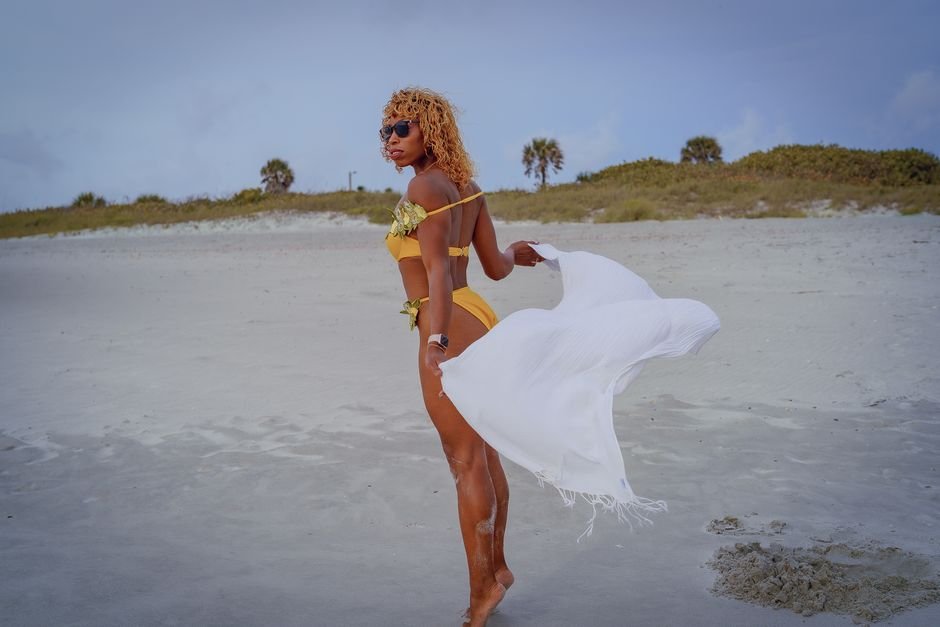
One-pieces also hold body heat differently. Covering your core means you will feel warmer while lying in the sun, which is a non-issue for some people and genuinely uncomfortable for others. If you tend to run hot or plan to spend the afternoon baking in direct sunlight without much movement, a bikini’s ventilation is a tangible comfort advantage — not a style preference, but a thermoregulation one.
Bikinis offer more adjustability across the day. You can loosen ties while lying down, tighten them before going in the water, and layer with a sarong or high-waisted cover-up in ways that feel more modular and intentional. The trade-off is that all those adjustment points require attention. A bikini that fits flawlessly in the dressing room can drift over a full beach day in ways a structured one-piece simply will not.
For extended resort days that move from breakfast to beach to pool to lunch and back — many women find that a bikini’s modularity gives them the most flexibility across the full arc of the day. Others prefer the streamlined, no-fuss feel of a one-piece from morning to evening. The answer depends on whether you prioritize adjustability or structural consistency, and that is a personal question only you can answer honestly.
Styling Versatility: Which Takes You Further Off the Beach
Wardrobe value is an underrated part of the swimwear conversation, and bikinis have a structural edge here: they are separates. A bikini top can function as a crop top with high-waisted shorts, tuck into a midi skirt for a beach bar look, or layer under a sheer blouse for a rooftop dinner. The bottoms work as underwear-cut shorts or pair with a cover-up dress. You get two garment pieces with multiple applications each — which changes the cost-per-wear calculation when you factor in everything you wear outside of water.
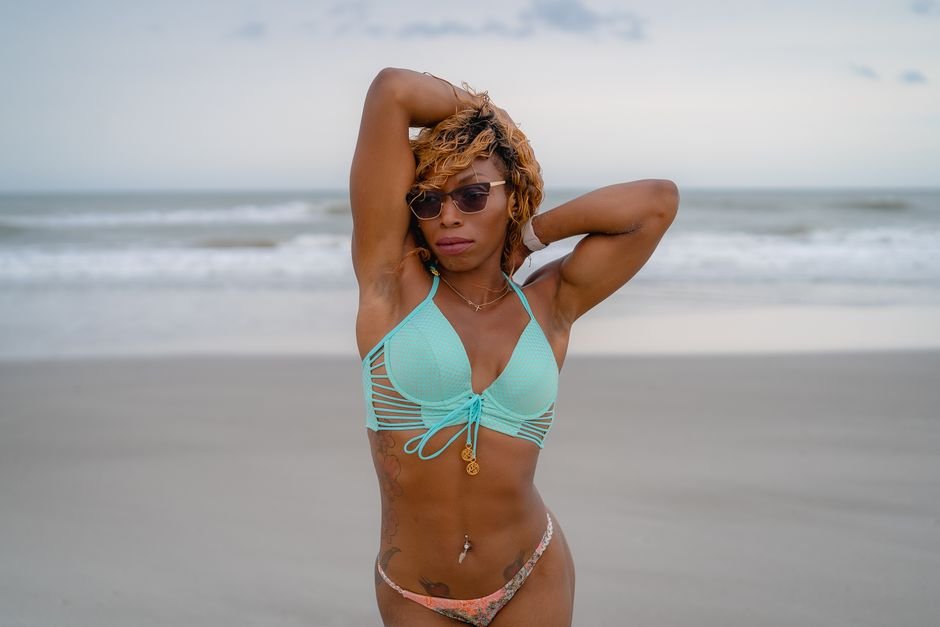
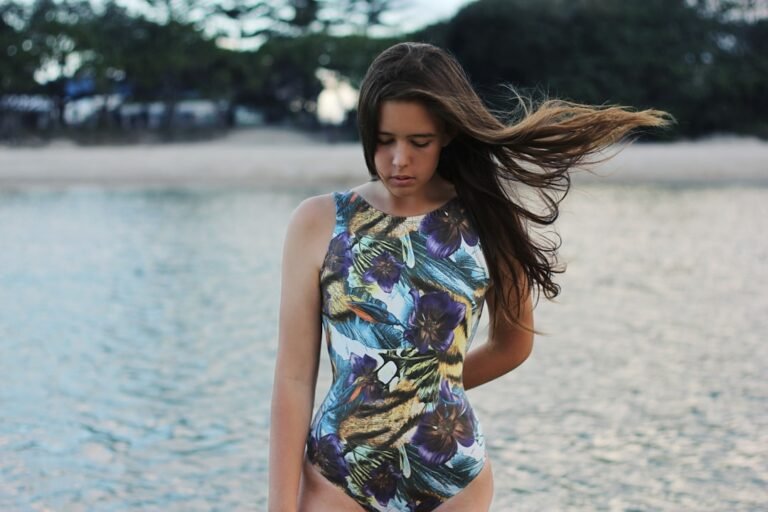
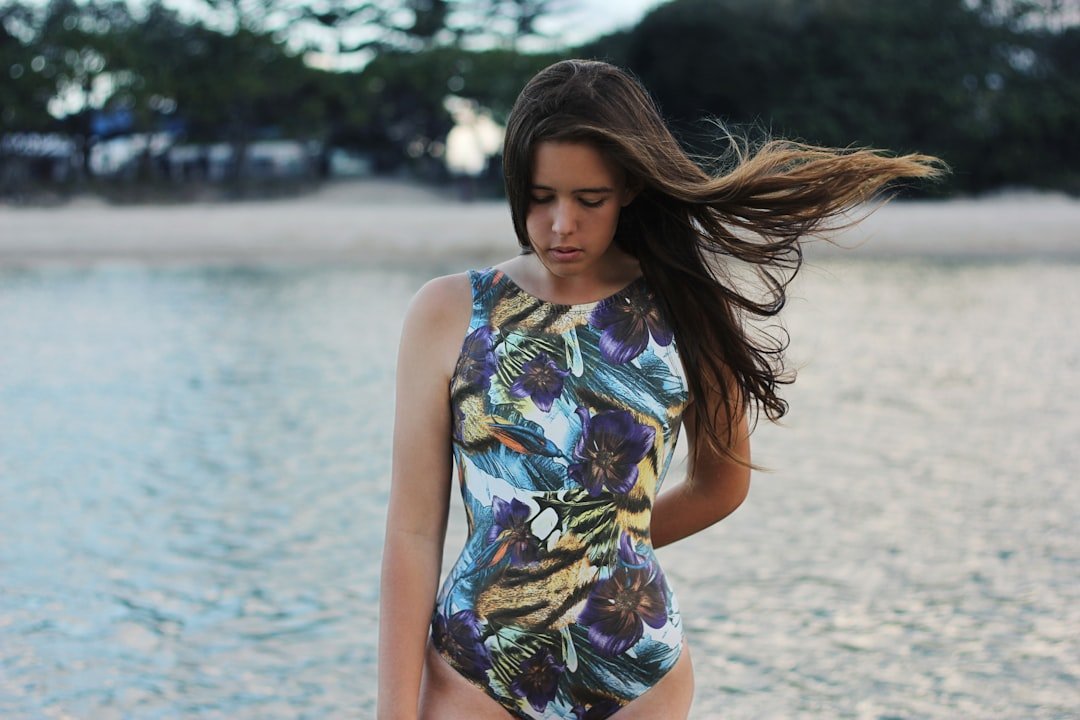
One-pieces have their own styling story, and it has been building for years. The modern one-piece is firmly fashion territory — scoop backs, architectural cutouts, plunge fronts, and bold prints have elevated one-pieces into genuine statement pieces that rival any two-piece for visual impact. They pair beautifully with wide-leg linen trousers, high-waisted shorts, and oversized blazers for a beach-to-dinner look that requires almost no effort. The clean, catsuit-adjacent energy of a well-designed one-piece is something a bikini top cannot replicate.
Shop High-Waisted Bikini Sets on Amazon →
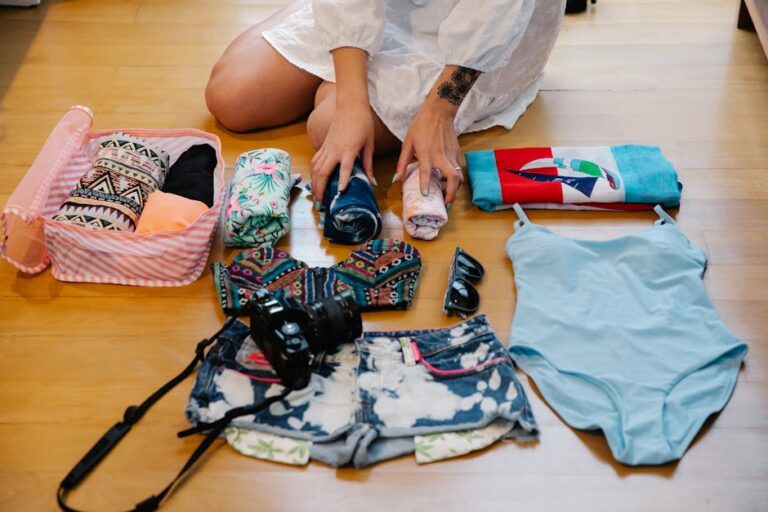
Mix-and-match bikini buying takes versatility further still. Pairing a neutral solid bottom with a printed top — or collecting coordinating sets across a few colorways — gives you more combinations per item than either a single one-piece or a single matching set ever could. If packing light is a priority or you want maximum outfit variation from a travel wardrobe, strategic bikini separates outperform the same number of one-pieces on sheer combination count.
The Confidence Factor: What the Rules Get Wrong
Here is what actually determines whether you feel good in swimwear: fit and your own relationship with your body on that particular day. Not the style category. Not which silhouette is supposedly most flattering for your measurements. A bikini that fits you well and makes you feel powerful will outperform a one-piece chosen from a body-type chart every time — and the reverse is equally true.

The persistent idea that one-pieces are for hiding and bikinis are for displaying has never served real women. One-pieces can feel incredibly bold and sensual — and regularly do, on every body that wears them with intention. Bikinis can be covered and modest, especially in high-waisted cuts with structured, full-coverage tops. The spectrum within each category is enormous, and the coverage-to-confidence equation is personal to the point where outside recommendations become nearly useless unless they account for who you are on that specific day.
What does matter practically: buying the size that fits your current body rather than the one you are working toward. Swimwear that fits correctly — does not gap, does not cut, does not demand constant adjustment — is the real source of confidence. A properly sized bikini will feel more comfortable and freeing than a one-piece you are tugging at all afternoon. A one-piece that matches your actual torso length and cup size will feel more secure than a bikini that works loose every twenty minutes. Size is the variable. Style is a preference layered on top of that foundation.
Making the Call
Run through the actual variables. Where are you going and what are you doing? Active water sports, surf, or pool laps call for a one-piece or a sport-structured bikini with secure closures. A resort pool day with a long lunch built in calls for whatever feels most comfortable across six hours, bathroom logistics included. A beach day that starts with swimming and ends with dinner suggests something that transitions well — which could honestly be either style depending on your cover-up approach.

Consider whether you run hot or cold, whether you want maximum freedom of movement, and whether you plan to restyle the pieces outside of swimming contexts. If you travel frequently and pack for efficiency, bikini separates earn their place through sheer versatility. If you want to get in the water without thinking about your swimwear at all, a well-fitted one-piece removes every variable and lets you focus on the water instead. Both are valid priorities. Neither makes you more or less of anything.
If budget allows: own both. A one-piece for active, high-movement days. A bikini for lounging, styling, and packing light. They serve different moments better, and there is no rule requiring commitment to one category. The women who look and feel most at ease at the beach are usually the ones who stopped treating swimwear as a reflection of their worth and started treating it as a tool — one that works for them, in real water, under a real sun, on a real day.
Shop Mix-and-Match Bikini Separates on Amazon →
Sources
The Skin Cancer Foundation | American Academy of Dermatology | Vogue