Every Bikini Style Explained: Find Your Perfect Match — Updated 2026 Edition (2026)
Walk into any swim shop or scroll a single product page and you will meet a wall of words: triangle, bandeau, halter, tie-side, high-waisted, cheeky, underwire. They sound like a secret language, and that is exactly the problem. The truth is that a bikini is just two garments with a surprisingly logical vocabulary behind it. Once you understand what each name actually describes — how a cut sits, what it supports, where it falls on the hip — choosing swimwear stops feeling like a gamble and starts feeling like reading a menu. This guide walks through that whole vocabulary, top to bottom, so you can name what you like and skip what you don’t.
There is no “best” bikini here, and no body this guide is secretly written for. Every shape in the catalogue exists because it serves someone beautifully. The goal is simply fluency: knowing the difference between a halter and a bandeau the way you know the difference between a crew neck and a V-neck, so the next time you shop you are choosing on purpose rather than hoping.
Reading a Bikini Like a Map
Before the individual styles, it helps to know the three questions every cut quietly answers. The first is coverage — how much fabric, and where. The second is support — whether the design relies on straps, underwire, padding, or simple tension to hold the bust. The third is connection — how the pieces attach to your body, whether they tie, clasp, slip over the head, or pull on like shorts. Almost every name you will ever read is just a shorthand for the answers to those three questions. Once you hear a style name and can guess its coverage, support, and connection, you have already done the hard part.
It also helps to remember that tops and bottoms are sold as a system but worn as separates. Mixing a structured top with a relaxed bottom — or the reverse — is not a fashion crime; it is how most people actually build a set that fits, because the bust and the hips rarely wear the same size. Keep that freedom in mind as you read. You are assembling, not matching.
The Tops: A Vocabulary of Support and Shape
Tops are where the most names live, because the bust is where fit and support matter most. Understanding the top half of the alphabet is most of the battle.
The Triangle
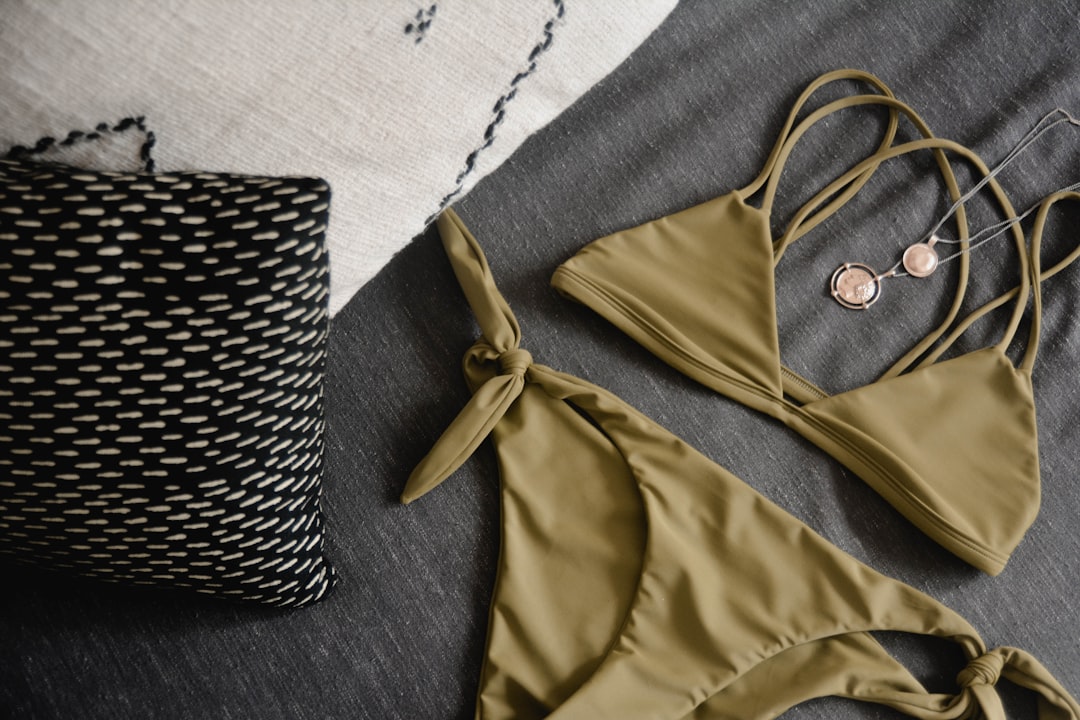
The triangle is the archetype — two fabric triangles connected by thin strings that tie at the neck and back. It is light, packs flat, and tans with minimal lines. Because the fabric is soft and the support comes only from tension, the classic triangle flatters smaller and medium busts beautifully and gives a relaxed, barely-there feel. Many modern triangles add a slider so you can adjust the width, and some hide a thin removable cup for a touch of shape. If you love the look but want more security, look for a triangle with a thicker underband or a back clasp rather than a simple knot.
The Bandeau
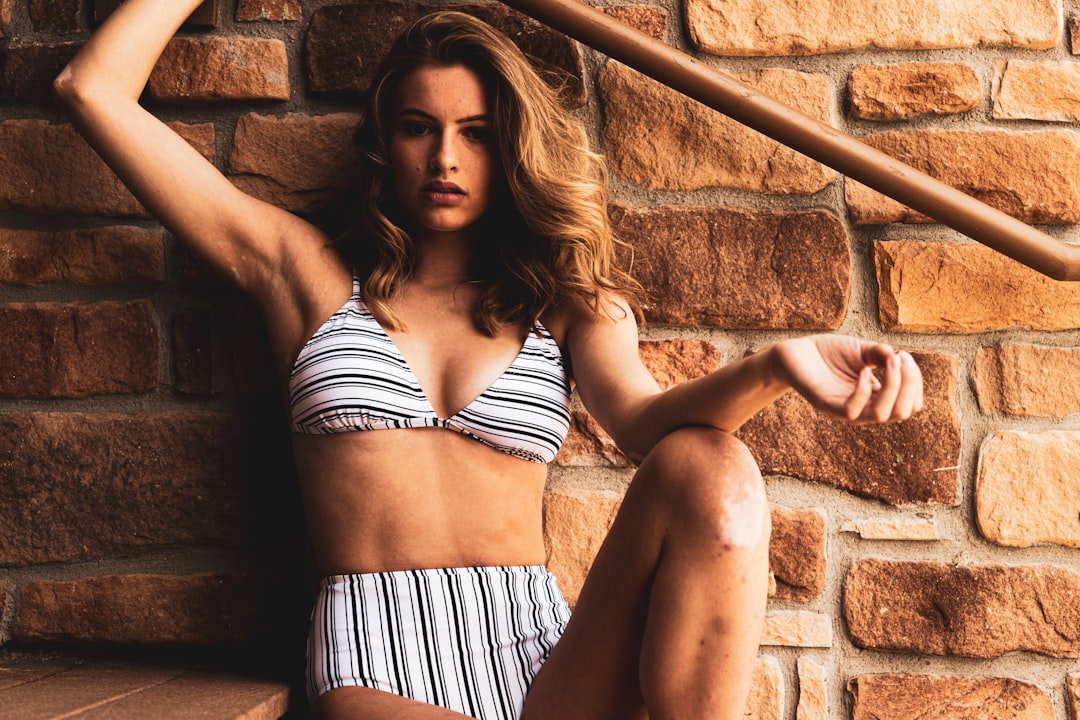
A bandeau is a straight band of fabric worn straight across the bust with no straps over the shoulders. Its entire appeal is the clean, strapless line — perfect under off-the-shoulder cover-ups and for erasing strap tan lines. The trade-off is support, so the best bandeaus build it back in cleverly: a snug elastic underband, internal boning, or a center twist or knot that lifts and separates. Many come with a detachable halter strap you can add on a more active day and remove when you want the uninterrupted neckline.
The Halter
A halter ties or fastens behind the neck, sending the weight of the bust up toward the shoulders and neck rather than across the back. That single change makes it one of the most genuinely supportive casual styles, which is why it is a favourite for fuller busts and anyone who wants real lift without a full sports-bra build. Halters create a lovely framed neckline and a subtle hourglass effect at the shoulders. The one thing to watch is neck strain on long beach days — a wider, padded neck strap spreads the load and keeps it comfortable.
Underwire and Molded Cups
Some tops borrow directly from lingerie engineering. An underwire bikini runs a flexible wire beneath each cup to lift and separate exactly like a good bra, and molded or foam cups add smooth shaping and modesty. These are the styles to reach for when you want dependable structure — true bra sizing, defined shape, and support that does not rely on cinching a string tighter. They are especially worth the search for larger busts, where a real cup size beats a vague small-medium-large any day.
Shop Underwire Bikini Tops on Amazon →
Bralette, One-Shoulder, and Beyond
Beyond the big four sit a cluster of newer favourites. The bralette top mimics a soft, full-coverage lounge bra — wide band, comfortable straps, no wire — and reads sporty and easy. The one-shoulder asymmetric top puts a single strap across one shoulder for a fashion-forward, architectural line that has dominated recent seasons. Longline and crop-style tops extend the fabric down toward the ribs or midriff, offering more coverage and a top-meets-tank silhouette. None of these is more advanced than the others; they are simply different answers to the same three questions of coverage, support, and connection.
The Bottoms: Where Coverage Lives
If tops are a language of support, bottoms are a language of coverage and rise. Two numbers tell you almost everything: how high the waistband sits, and how much of the seat the fabric covers. Everything else is detail.
The High-Waisted Bottom
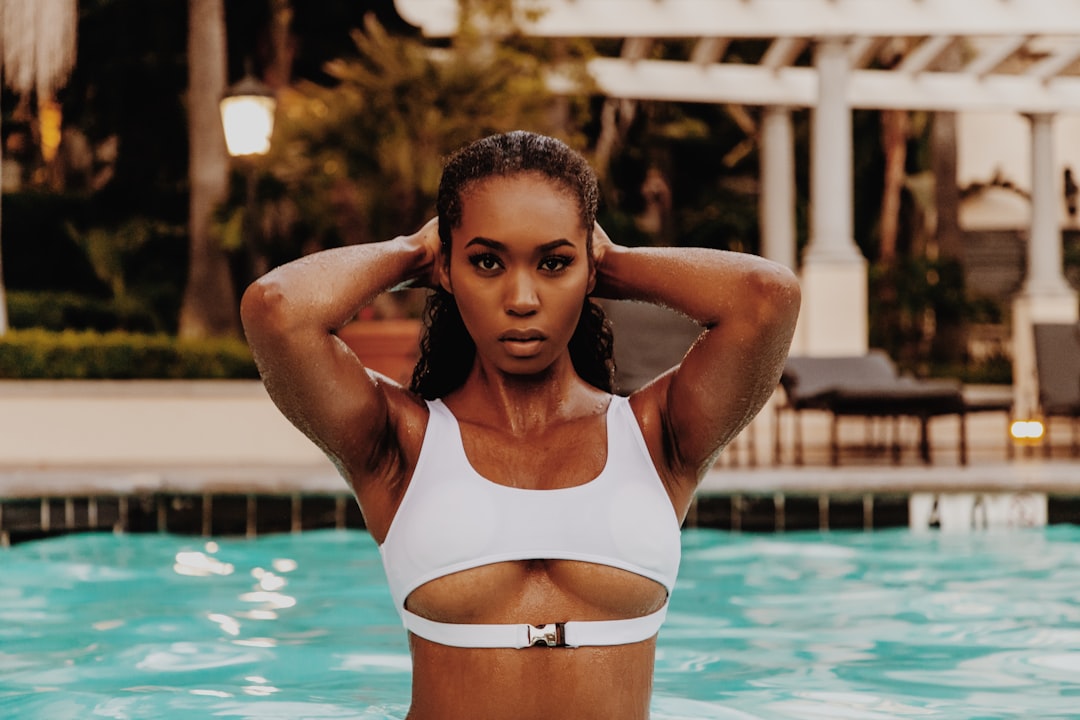
The high-waisted bottom rises to or above the natural waist, often hitting near the belly button. It carries a retro, pin-up elegance, smooths the midsection, and feels secure for swimming and movement because nothing shifts. Paired with a bandeau or triangle, it gives that timeless 1950s silhouette; paired with a sporty top, it reads modern and athletic. It is one of the most universally loved cuts precisely because it offers coverage without sacrificing style.
Mid-Rise, Hipster, and Brief
In the middle of the range live the everyday workhorses. A mid-rise or classic brief sits comfortably below the belly button with full seat coverage — the no-fuss default that suits almost everyone. The hipster sits low on the hips with wider side panels, a flattering choice that elongates the leg without rising high. These are the bottoms most people actually live in, and they pair quietly with any top in the catalogue.
Tie-Side and Adjustable Bottoms
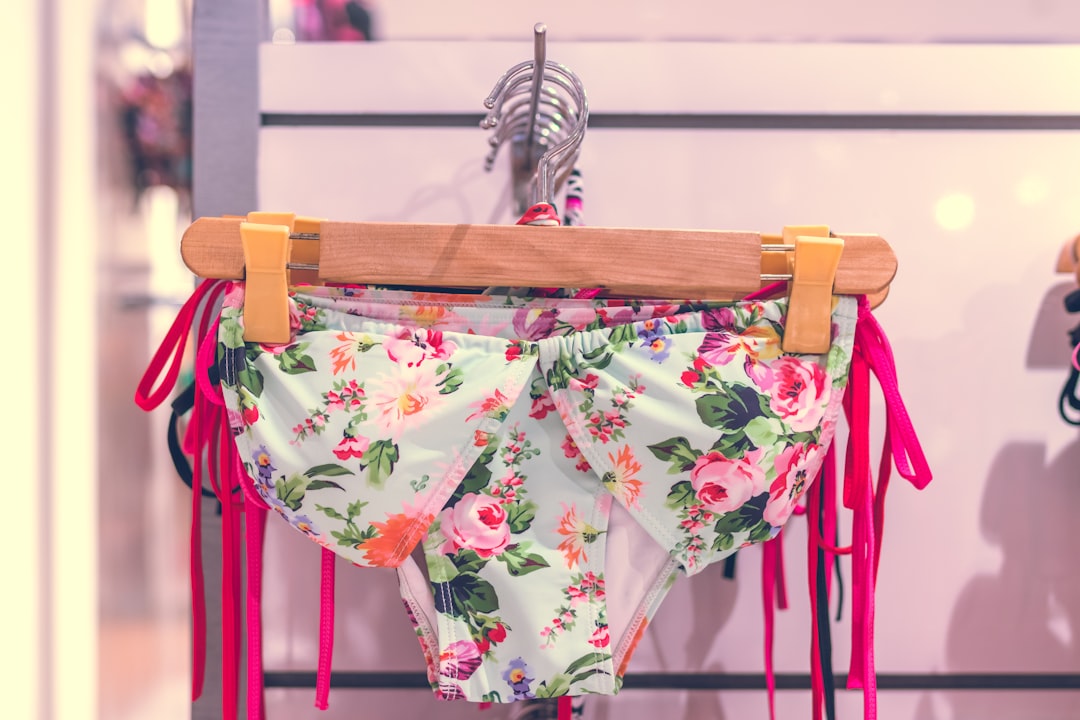
Tie-side bottoms replace a fixed waistband with strings you knot at each hip. The genius here is adjustability — you control the rise and the fit on each side independently, which is a quiet gift for anyone between sizes or whose body changes through the month or the season. They also create a soft, flattering diagonal line at the hip. If you have ever bought a bottom that fit the seat but pinched the waist, a tie-side solves exactly that problem.
Cheeky, Brazilian, and Full Coverage
The last axis is simply how much of the seat the fabric covers, and this is purely a matter of preference and comfort. Full-coverage bottoms cover the seat completely and are wonderful for active swimming and walking. Cheeky and Brazilian cuts show progressively more, lengthen the leg, and reduce tan lines for those who want them. None is more grown-up or more daring than it needs to be — it is your beach, your call. The smartest move is to own a couple of different coverages and choose by the day: full coverage for a long hike to a cove, cheeky for a lazy afternoon on a lounger.
Shop High-Waisted Bikini Bottoms on Amazon →
Beyond the Classic Two-Piece
A few silhouettes sit just outside the strict definition of a bikini but belong in any honest field guide, because they solve real wishes. The tankini swaps the bikini top for a tank-style top that covers the torso to the hip, offering the coverage of a one-piece with the bathroom-break convenience of two pieces. The high-neck or crop top brings a sporty, surf-ready coverage up to the collarbone. And the increasingly popular mix of a bikini top with swim shorts or a swim skirt gives an active, modest option that moves with you. These are not compromises; they are simply the same vocabulary of coverage and support, stretched a little further.
Matching the Style to the Day, Not the Body
Here is the quiet reframing that makes shopping easier: the most useful question is rarely “what suits my body type” and far more often “what am I actually doing today.” A bandeau is glorious for a still afternoon of sunbathing and frustrating for bodysurfing. A halter or underwire top earns its keep when you are chasing kids or playing beach volleyball. A high-waisted, full-coverage set is your friend on a long, walking, exploring kind of day. When you match the cut to the activity, the “flattering” part tends to take care of itself, because confidence is mostly just not having to adjust your swimsuit every two minutes.
The best bikini is the one you forget you are wearing — the one that lets you walk into the water without a second thought about the fabric.
It is worth saying plainly: there is no waist measurement, no cup size, and no shape that disqualifies you from any cut in this guide. Brands have spent years implying otherwise, but the only real rule is fit and comfort. A style that makes you feel at ease is flattering by definition. If a top digs, sizes up. If a bottom rides, try a tie-side or a different rise. Fit problems are almost always design mismatches, not body problems — and the whole point of learning this vocabulary is so you can name the fix.
Building Your Personal Swim Wardrobe
Once the names make sense, a practical strategy appears. Rather than hunting for one mythical perfect bikini, most people are happiest with a small, deliberate rotation: one structured, supportive set for active days, one easy relaxed set for lounging, and perhaps one statement piece — a bold colour, a one-shoulder line, a print you love — for the days you want to feel a little dressed up at the shore. Because tops and bottoms mix freely, three or four pieces can quietly become a dozen combinations.
Pay attention to fabric and construction as much as cut. A good swim fabric holds its shape, dries reasonably fast, and resists the sag that chlorine and salt eventually bring. Lined fabric, finished seams, and adjustable hardware are signs a piece will last more than one season. When you find a brand whose sizing and cut genuinely work for you, note it — fit consistency is worth more than chasing the newest trend every summer.
Shop Mix-and-Match Bikini Sets on Amazon →

The Only Test That Matters
Every style explained here is just a tool, and tools are neither flattering nor unflattering on their own — they are simply right or wrong for the job and the person. Now that you can read the labels, you can shop the way you would for any other clothing: with opinions, with reasons, and without the quiet anxiety that the swim aisle so often manufactures. Try the cut that suits your day, move around in the fitting room, and trust the one that disappears the moment you stop thinking about it. That feeling — ease, motion, forgetting the fabric entirely — is the only fit test that has ever really counted.
Sources
- Wikipedia — Bikini (history and style overview)
- Wikipedia — Swimsuit (construction and types)
- American Cancer Society — sun safety and skin protection guidance
Shop our full range of bikinis and swimwear at the BikiniCool store →