
Sarong Styling Decoded: The Fabric-First Guide to Getting Every Look Right
Pick up any sarong and you’re holding what might be the most underestimated piece in beach fashion. It’s a rectangle of fabric — sometimes silk-weight chiffon, sometimes sturdy cotton, sometimes silky rayon — and it asks almost nothing of you except a little curiosity. The catch is that most people settle on one tying method, call it done, and then wonder why the look doesn’t quite come together the way it does in photos. Sarong styling isn’t about memorizing a checklist of techniques. It’s about understanding how the fabric behaves, which knots hold and which ones slip, and how placement — high or low, front or side — changes the entire message of the piece.
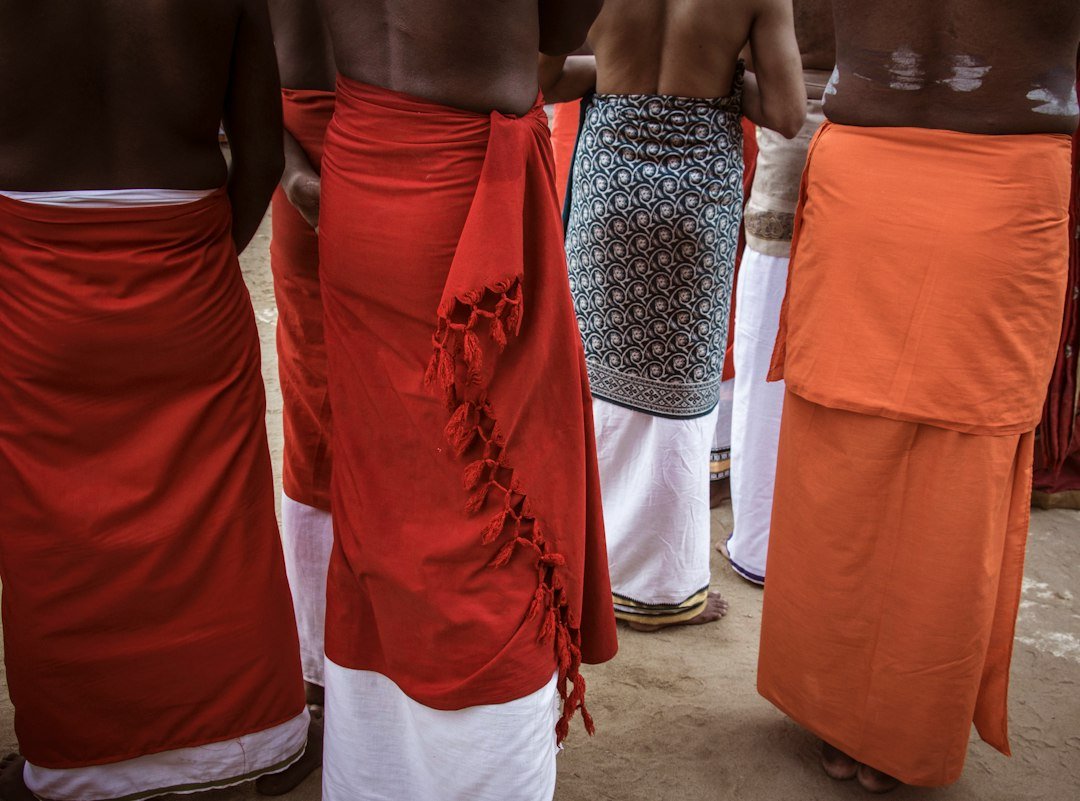
Why the Fabric You Choose Changes Everything
A lightweight chiffon sarong moves like water. It drapes beautifully over the body, catches a breeze, and creates soft romantic silhouettes with almost no effort. But chiffon doesn’t hold structured folds well. Complex knots will slip unless you double the fabric first, and a chiffon sarong tied at the hip will need repositioning throughout the day. For a relaxed open drape over the shoulder or a flowing skirt you’ll wear mostly stationary on the sand, chiffon is ideal. For a look that needs to survive a walk to a beach bar and back, it’s not your most reliable material choice.
Cotton and cotton-blend sarongs are more forgiving for technique. The slightly rougher texture grips itself when tied and keeps knots in place without requiring constant adjustment. These hold up best for complex folds, waist-level ties, and looks where you want structure that lasts through activity. Rayon sits comfortably between the two — it has enough weight to drape gracefully and enough grip to stay where you tie it. When you’re shopping for a sarong you plan to wear in multiple ways, rayon or a rayon-cotton blend gives you the broadest range of options across all styling techniques.
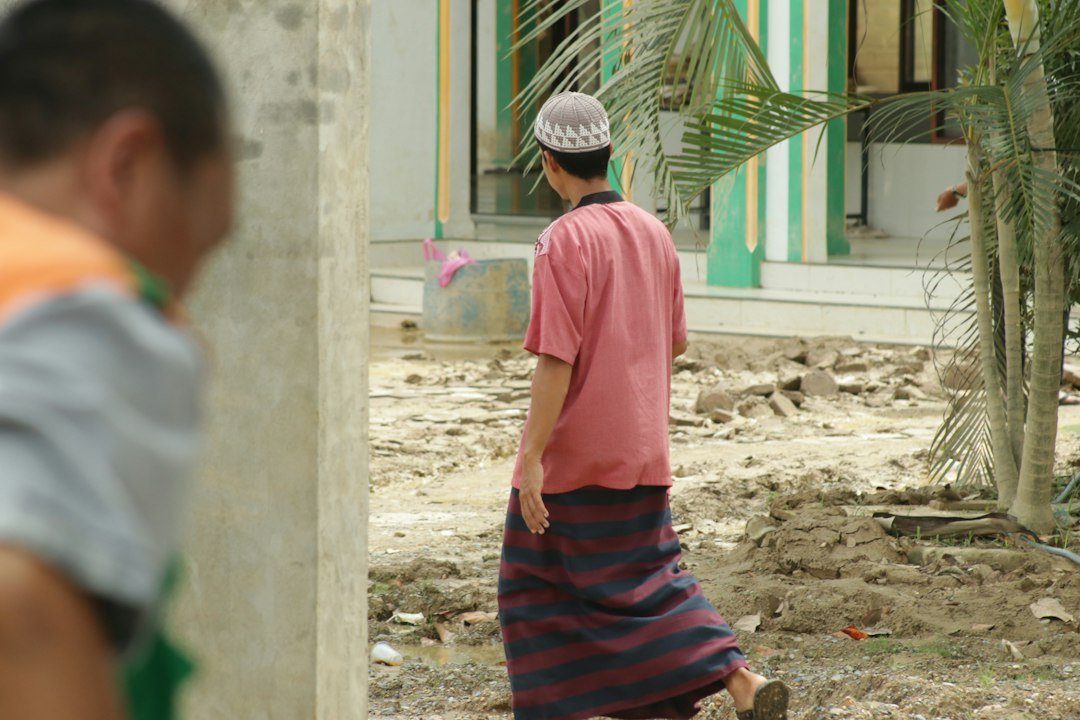
The Hip: The Most Versatile Starting Point
Hip-level tying is where most sarong looks begin, and for good reason — it’s secure, naturally flattering, and opens up more styling variations than any other starting point. The basic wrap is simple: hold the sarong at full width across your front at hip level, bring both ends around to your back, cross them, and tie in front. From here, what you do with that front knot determines the whole look. A side knot creates a relaxed wrap-skirt with a casual opening. A center knot with the fabric tucked into itself gives a cleaner, more tailored silhouette. A long-tail side knot creates visual movement and draws the eye along a flattering diagonal line down toward the leg.
Height matters more than most sarong guides acknowledge. Worn at the natural waist, a hip sarong becomes a midi-length skirt — great for transitioning from beach to lunch without changing. Worn at the hip bones, it sits shorter and more casual, reading clearly as beachwear. If you’re choosing between the two, try the natural waist first. If that feels too covered or too formal for the moment, drop it to the hip. There’s no universally correct placement, only the one that makes you feel confident and comfortable right now.
Shop Beach Sarong Wraps on Amazon →
Moving Up: The Chest Wrap and Strapless Look
When a sarong is wrapped and tied at the chest, it becomes a strapless cover-up or a beach dress, depending on the sarong’s length and where the hem falls. The process mirrors the hip wrap: fabric across the front at chest level, ends crossed at the back, tied in front. Tie placement determines the finish. A center-front knot is casual and relaxed, reading unmistakably as beachwear. A side knot is more structured. A tucked fold with no visible knot looks the most polished and works well if you’re heading somewhere slightly more dressed than the sand.
For a more secure chest wrap, fold the sarong lengthwise before wrapping — this creates a doubled band of fabric that’s substantially less likely to slip during movement. It also works particularly well for larger busts, since the doubled layer distributes fabric more evenly across the chest and relies less on knot tension alone for security. If you find chest wraps chronically unstable regardless of what you try, a small clip or sarong pin at the center back — hidden by your hair or a bag strap — solves the problem without any visible compromise to the look.
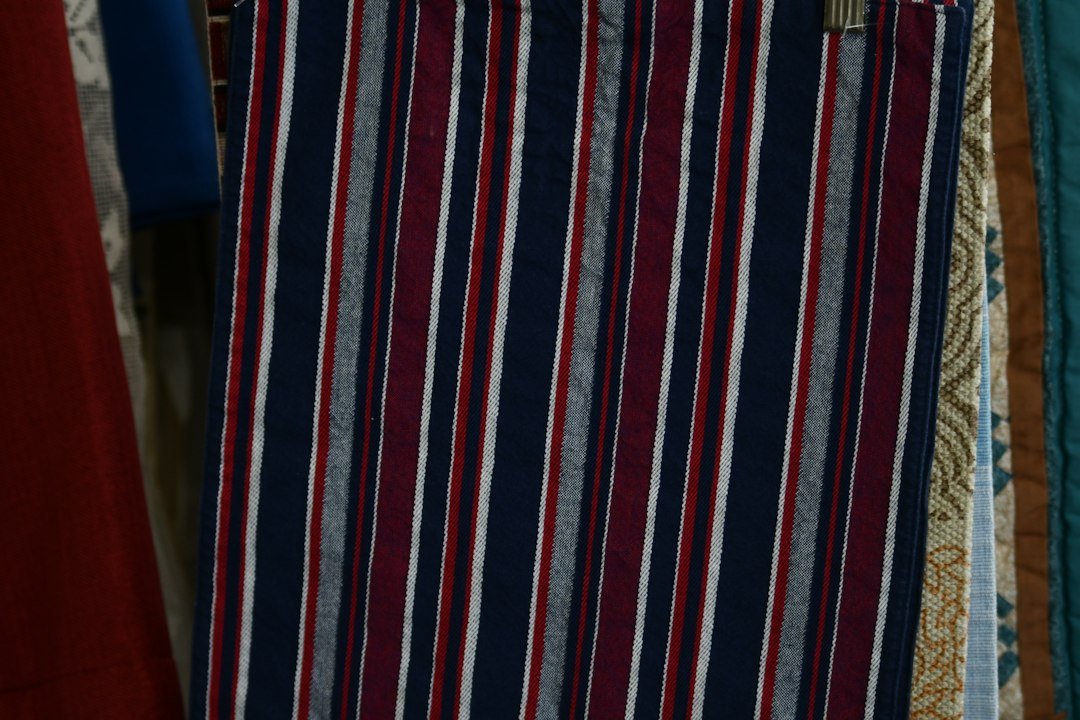
Over the Shoulder and the Halter Option
Over-the-shoulder styling turns a sarong into something that reads far more like a garment and far less like a beach cover-up. The simplest approach: gather one end of the sarong at one shoulder, creating a knot just above the chest on that side. The fabric falls diagonally across the torso and ties or tucks at the opposite hip, creating an asymmetric wrap-dress silhouette. This diagonal line is one of the most naturally flattering configurations a sarong produces — it draws the eye across and slightly downward, creating visual movement that suits a wide range of bodies and proportions.
For a halter look, start at hip level and bring both ends upward toward the neck, tying them behind the nape. The fabric drapes loosely across the front of the torso — especially beautiful in chiffon or lightweight rayon, where it creates a sheer, flowing panel over the swimsuit beneath. The halter configuration tends to work well for those who want to highlight the shoulders and neckline while keeping coverage through the midsection. It’s also easy to adjust on the fly: slightly looser feels casual, slightly tighter reads as more intentional and put-together.
Shop Chiffon Sarongs & Pareos on Amazon →
Using Your Sarong as a Layer
One of the least-discussed sarong techniques is treating it as a layer rather than the central piece. A sarong worn as an open skirt over a one-piece swimsuit creates an effortless resort outfit without requiring a change of clothes. The key is keeping the front panel deliberately open — use a loose side knot that allows the fabric to part as you walk, revealing the suit underneath. This works especially well with a bold-printed swimsuit, because the sarong frames the print rather than obscuring it.
Sarong layering also extends well beyond the beach. Tied at the natural waist over linen trousers or wide-leg pants, a sarong functions as a print-forward sash or floating overskirt that brings color and texture into an otherwise simple outfit. For this to read as intentional rather than accidental, anchor it at the natural waist rather than the hip and let the fabric fall long enough to create a genuine overskirt effect, rather than stopping awkwardly mid-thigh. The sarong isn’t covering swimwear here — it’s working as a summer statement piece in its own right.
The Body-Positive Truth About Sarong Styling
Here’s what often gets lost in sarong styling guides: the goal isn’t to use fabric placement to correct or conceal your body. A sarong adds coverage where you want it and removes it where you don’t, but the question of what to cover is entirely yours to answer. If you love your legs, a short hip wrap is great. If you prefer more length, wear it high at the natural waist. If you want the swimsuit to be the star, try an open-front drape. If you’d rather the sarong carry the whole look, a full chest wrap or diagonal dress style does exactly that.
Body-positive sarong styling is less about specific techniques and more about letting go of the idea that fabric needs to work against your figure. No wrap style inherently slims or distracts from anything — those framings put the sarong in an adversarial relationship with your body that it genuinely doesn’t deserve. What the sarong actually does is give you choices. The best technique is the one that lets you move through the beach, the pool deck, the restaurant — wherever you are — without adjusting, tugging, or second-guessing yourself. Find that, and the rest follows naturally.

Pairing Your Sarong: What to Wear Underneath
Sarong styling doesn’t happen in isolation — what’s underneath shapes how the full look reads. A solid black or dark navy swimsuit is the most flexible base because it disappears behind almost any sarong print or color without competing. Bright or patterned swimsuits pair best with solid-colored sarongs, or with sarongs that pull from a color already present in the suit’s print. Mixing patterns deliberately can work — a floral sarong over a striped bikini reads as intentionally stylish — but it requires at least one shared color to bridge the prints and keep the combination looking considered rather than chaotic.
One-piece swimsuits pair especially well with hip and halter sarong configurations, because the suit provides structural coverage at the torso and the sarong simply adds visual interest below or around it. Bikinis work with every sarong style. The real decision when pairing isn’t about swimsuit type — it’s about what you want to reveal or frame, and which sarong configuration creates that effect. That’s the complete picture of sarong styling: one rectangle of fabric, infinite decisions, and none of them wrong.
Shop Pareo Beach Wraps on Amazon →
Sources
- Wikipedia: Sarong — history and cultural origins
- Wikipedia: Pareo — Polynesian sarong tradition
- Harper’s Bazaar — beach and resort fashion