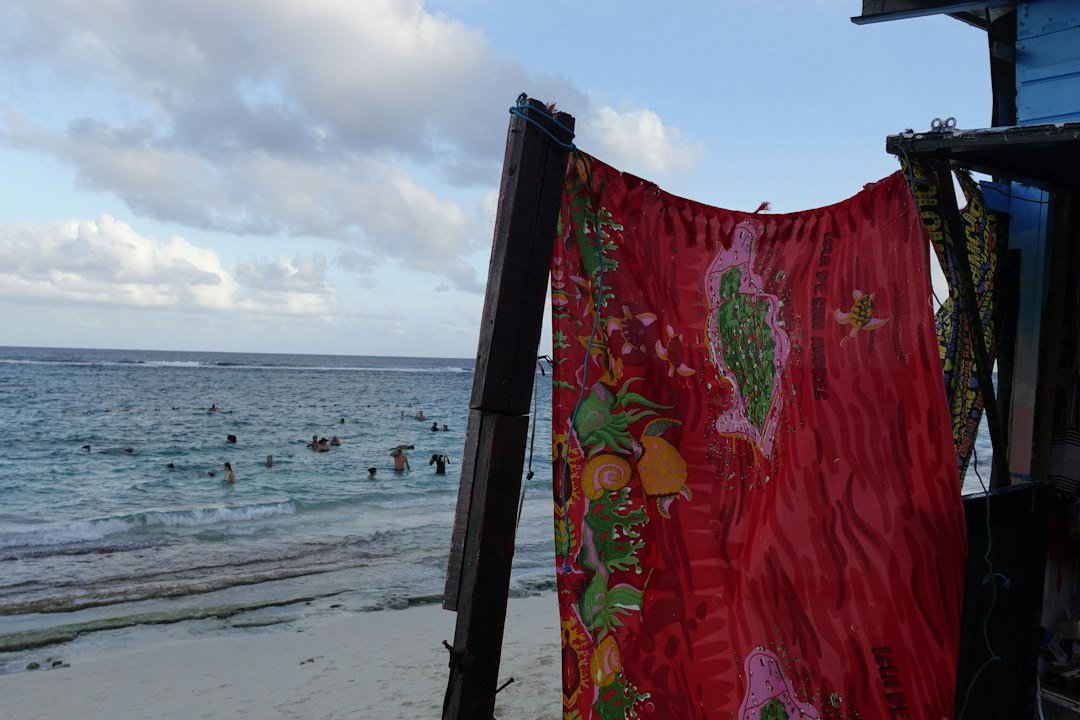
How to Style a Sarong: The Beach Cover-Up That Works for Any Body
A single rectangle of fabric shouldn’t be able to do this much. Yet the sarong — also called a pareo, lava-lava, or beach wrap — is one of the few pieces in any summer wardrobe that genuinely earns the word versatile. Sarong styling lets you wear the same piece as a skirt, a strapless dress, a halter top, a shawl, or a headscarf — and when you’re done wearing it, spread it on the sand or knot it into a tote. Unlike most cover-ups, it works across body types, sizes, and occasions without demanding anything complicated in return.
Why the Sarong Has Outlasted Every Beach Trend
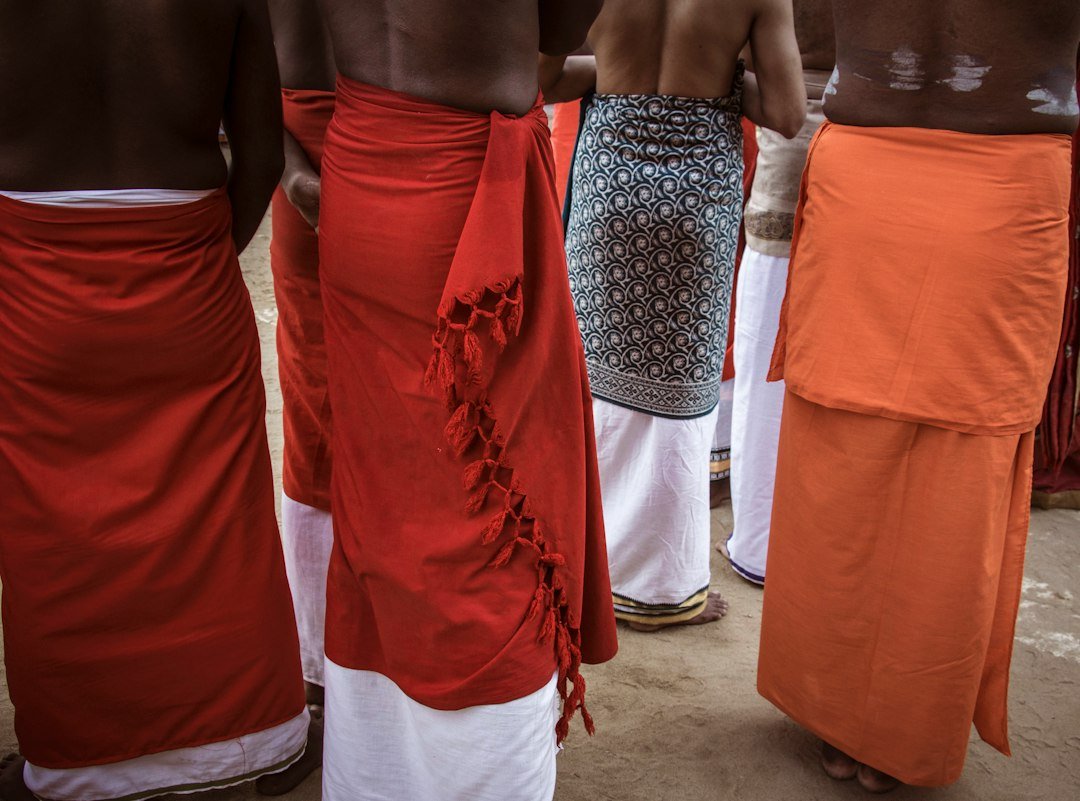
The sarong’s staying power isn’t a mystery. It originated in South and Southeast Asia — the word comes from the Malay sarung, meaning “sheath” — and variations appear across Indonesia, Malaysia, the Philippines, India, and the Pacific islands, each with their own tying traditions and textile patterns. The reason it traveled so far and stayed so long is structural: a rectangular piece of fabric has no wrong way to wear it. There are no cups, underwires, or sizing charts to navigate. It adapts to the person wearing it, not the other way around.
That adaptability is what makes sarong styling genuinely inclusive. A wraparound skirt adjusts to your waist. A chest wrap sits where your chest sits. There’s no standard body being catered to — you tie it where it fits, and it does. The sarong doesn’t ask you to fit into it; it meets you where you are. That’s a rarer quality than it sounds.
Finding the Right Sarong Before You Style It
Before getting into tying techniques, the foundation matters. Most sarongs sold as beach cover-ups fall into a few fabric categories: cotton for absorbency and quick-drying, chiffon and georgette for a floaty semi-sheer look, and rayon or viscose for a heavier drape that holds knots more securely. If you spend a lot of time in the water, cotton and rayon blends tend to dry faster and feel more comfortable on damp skin than pure chiffon, which can cling.
Size is worth paying attention to before you buy. A standard sarong runs roughly 44″ × 66″ (110 × 168 cm), which covers most styles adequately. An XL or “plus” sarong — typically 60″ × 72″ or larger — gives you more fabric for styles that require full-coverage wrapping, and it makes complex ties significantly easier to execute cleanly. If you’re taller, carry more width through the hips and torso, or simply prefer more coverage, sizing up is always the right call.
On print: batik and ikat patterns with tighter repeat designs are more forgiving of visible knots than large graphic prints, which can get visually interrupted by a thick tie at the waist. Solid sarongs and ombre pieces work beautifully for the structured dress styles where the drape itself is the design element. If you’re buying your first sarong, a medium-weight rayon in a compact print gives you the most styling flexibility.
👙 Shop Women’s Sarong Beach Wraps on Amazon →
The Classic Wraps and How They Actually Work
The four most common sarong styles have endured because they are fast, reliable, and look deliberately styled rather than improvised. Understanding what each one actually does structurally lets you execute them with confidence rather than trial and error at the beach.
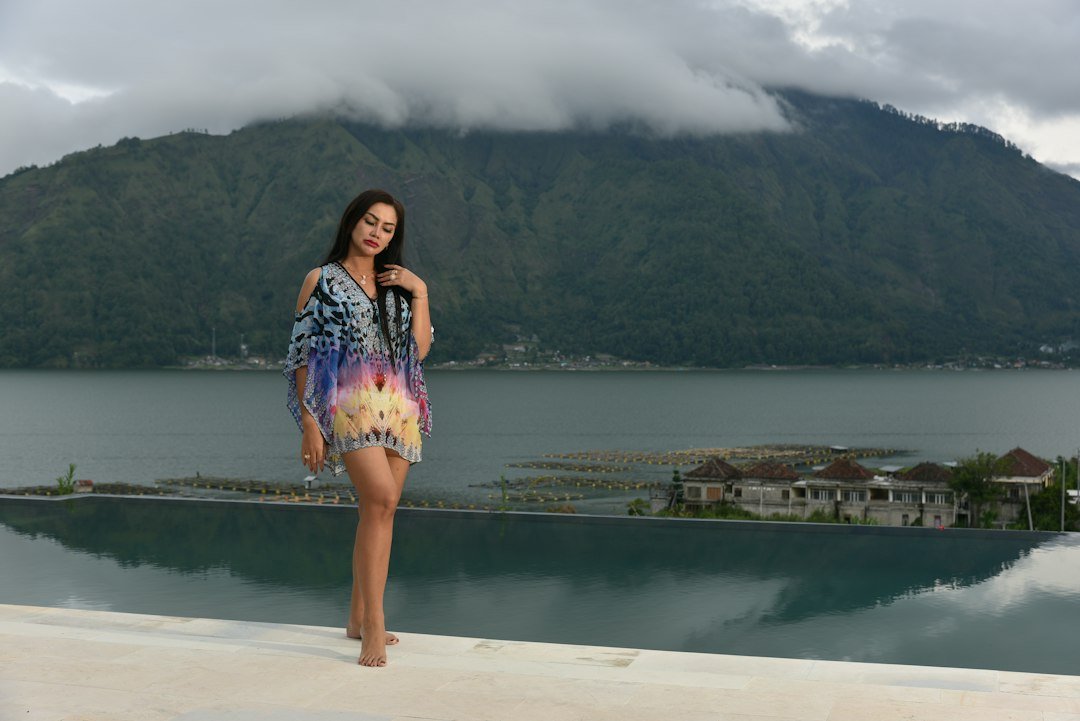
The wraparound skirt is the most accessible entry point. Hold the sarong horizontally behind you, bring both ends around your hips, and tie them at one side at the level you prefer — at the natural waist for a higher silhouette, at the hip for something more relaxed. For a more secure fit, tuck one corner into the waistband before knotting the other. Folding the top edge down twice before tying creates a built-in waistband that sits more firmly and resists rolling throughout the day. This variation works from a US size 0 to a 3X with no adjustment beyond where you position the knot.
The strapless dress takes the same fabric and moves the anchor point above the chest. Hold the sarong horizontally across your front at bust height, bring both ends behind you, cross them across the back, then bring them forward again to tie at the center front. Alternatively, bring both ends straight up and tie them behind the neck for a halter neckline. Folding the top edge down four to six inches first creates a cleaner neckline and adds a double layer across the bust for light coverage and support.
The one-shoulder halter dress reads as more intentionally styled than a beach wrap. Take one corner to your right hip, drape the fabric across your front and around your body, then bring the far corner up and over the left shoulder, tucking or tying it securely at the back. The asymmetric silhouette this creates looks less like a cover-up and more like a fashion choice — genuinely wearable for a beach lunch or a coastal market visit.
The side-knot skirt is the most casual and possibly the most flattering of the four. Wrap the sarong as you would for a standard skirt, but instead of tying the ends neatly at one hip, grab both layers of fabric at the side, twist them once, and knot them — leaving a cascading tail that falls to one side. The asymmetric hem this produces adds movement and works beautifully at any skirt length, from mid-thigh to ankle.

Creative Sarong Styling Beyond the Skirt
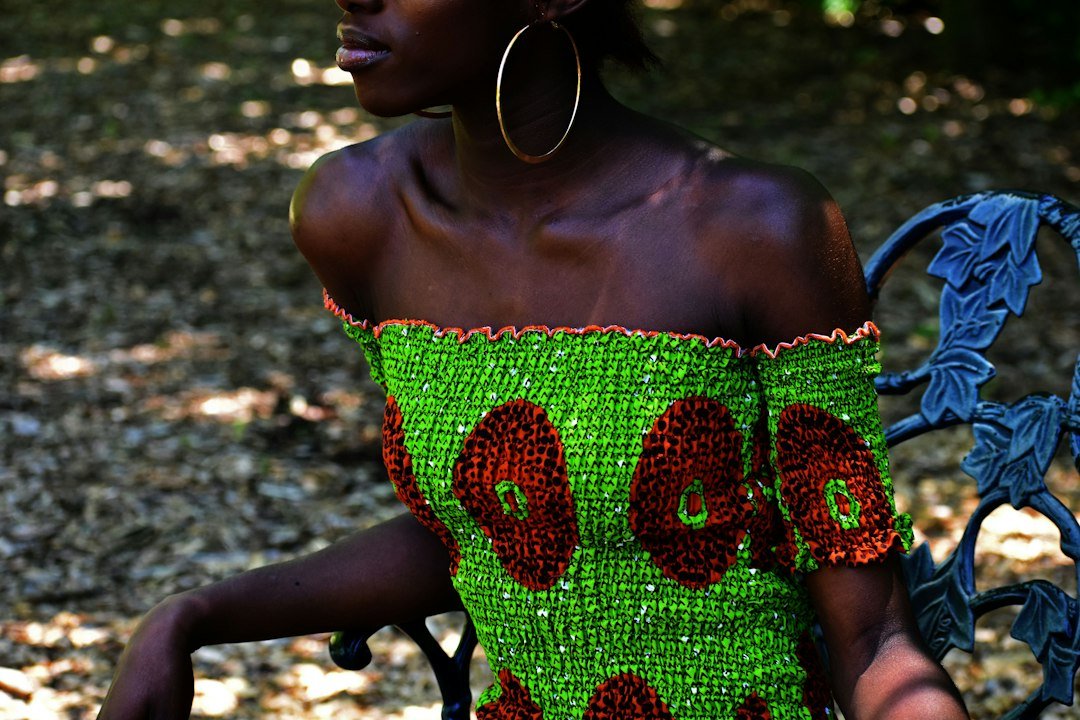
Once you move past the four classic wraps, sarong styling opens up into territory that feels less like cover-up and more like actual clothing. These approaches take slightly more fabric management but deliver looks that are genuinely unexpected.
As a halter bikini top: Fold the sarong lengthwise into a band roughly ten inches wide. Hold one end at your right side, wrap it across your chest, cross the ends behind your back, bring them forward to tie at the front — or bring them up and around the back of the neck for a secure halter. Worn over high-waisted bottoms or shorts, this creates a full beach outfit that works well past the water’s edge.
As a shoulder cover or shawl: Drape the sarong diagonally across one shoulder and knot the two nearest corners at the opposite hip. The result functions like a lightweight open-front cardigan for the walk from the beach to a café, without requiring you to change anything underneath. This is also the easiest grab-and-go option for cool evenings on a boat or terrace when you want coverage without the weight of a jacket.
As an off-shoulder wrap top: Fold the sarong to about twelve inches wide, wrap it across your back at shoulder height, bring both ends forward, cross them at the chest, and tie them behind the neck. The result has a natural off-shoulder quality that works over a bandeau or strapless bikini and transitions easily from beach to street.
As a head wrap: Fold the sarong lengthwise into a four-inch headband and tie it at the back for a clean retro look, or fold it wider and construct a loose turban by wrapping, tucking, and coiling at the crown. Beyond style, this one has real utility — protecting the scalp from direct sun, covering saltwater-dried hair, or managing curls that need containment after a swim.
👙 Shop Chiffon Pareo Wraps on Amazon →
The Utility Side: What a Sarong Does When You’re Not Wearing It
A sarong’s usefulness extends well beyond wearable styling. Spread it across wet sand and it functions as a lightweight beach blanket — not as absorbent as a towel, but far easier to shake clean of sand than any terrycloth alternative. Knot all four corners together to create a makeshift tote that can carry sandals, sunscreen, and a book from the water back to your bag. Draped over a beach chair back, it provides soft shade for a sunburned shoulder or a sleeping child. On long travel days, a thin cotton sarong doubles as a scarf or blanket in overly air-conditioned airports.

These utility uses aren’t afterthoughts — they’re part of what makes a sarong worth buying. You’re not carrying a single-purpose item. You’re carrying something that solves multiple problems at once and takes up almost no space doing it.

Wearing a Sarong With the Confidence It Deserves
A sarong works because it doesn’t impose a shape — it follows yours. But that framing, while true, can sometimes feel like a non-answer when you’re standing in front of a mirror trying to decide which version of the wrap to try first.
Here’s a more useful frame: the variables you control in sarong styling are where the knot falls, how high or low you anchor the wrap, and whether you leave the fabric loose or pulled close to the body. Moving the knot two inches changes the silhouette. Anchoring a skirt wrap at the natural waist creates a different look than anchoring it at the hip. Playing with these variables isn’t about disguising anything — it’s about finding the version that feels most like you.
Women who wear sarongs regularly consistently report the same thing: the more times you tie it, the faster and more natural it becomes. The first wrap feels uncertain. By the fourth or fifth time, it takes under thirty seconds and you stop second-guessing it entirely. The entry cost is just a few minutes of practice. Buy the fabric you love. Start with the wraparound skirt. Go from there.
👙 Shop Batik Sarong Cover-Ups on Amazon →
Sources
Wikipedia: Sarong — History and Regional Variations
Vogue: Beach and Resort Fashion
Harper’s Bazaar: Summer Style and Cover-Up Trends