

Swimwear Care Guide | How to Wash Your Bikini the Right Way
You just dropped serious money on that gorgeous new bikini, and the last thing you want is to watch it fade, stretch out, or fall apart after a few wears. Sound familiar? Most people toss their swimwear into the washing machine without a second thought — and then wonder why their favorite suit looks rough by July.
The truth is, swimwear fabric takes a beating every single time you wear it. Between chlorine, salt water, sunscreen, body oils, and sand, your bikini faces more harsh elements in one afternoon than most clothes deal with all week. But with the right care routine, you can keep your swimsuits looking vibrant and fitting perfectly for multiple seasons.
This swimwear care guide walks you through everything you need to know — from the post-swim rinse to long-term storage — so your bikinis stay as stunning as the day you bought them.

Why Your Bikini Needs Special Care
Swimwear isn’t made from the same sturdy cotton or polyester as your everyday wardrobe. Most bikinis use a blend of nylon and spandex (also sold as Lycra or elastane), which gives them that perfect stretch and snap-back fit. These fibers are lightweight, quick-drying, and incredibly comfortable in water — but they’re also delicate.
Here’s what breaks down swimwear fabric faster than anything else:
- Chlorine — Pool chemicals eat away at elastic fibers, causing your suit to lose its shape and stretch out permanently.
- Salt water — Dried salt crystals act like tiny abrasives, weakening fabric over time.
- Sunscreen and body oils — Chemical and mineral sunscreens leave residue that stains and degrades fabric.
- Heat — Hot tubs, dryers, and even sitting on scorching surfaces break down spandex fibers.
- Rough surfaces — Pool decks, concrete ledges, and hot sand can snag and pill delicate swimwear.
Understanding these enemies is the first step toward protecting your investment. And yes, a quality bikini is absolutely an investment worth protecting.

The Post-Swim Rinse: Your Most Important Habit
If you take only one thing from this entire guide, let it be this: rinse your bikini in cool, fresh water immediately after every single wear. Every time. No exceptions.
Whether you’ve been in the pool, the ocean, or just lounging with sunscreen on, a quick rinse under cold tap water removes the majority of harmful chemicals, salt, oils, and sand before they have time to settle into the fabric.
Don’t have access to a faucet right away? Keep a water bottle in your beach bag specifically for rinsing. Even a quick splash makes a difference compared to letting your suit sit damp with chlorine or salt for hours.
This single habit will add months of life to every swimsuit you own. Brands like Roxy and Speedo both emphasize this as the number one care tip for all swimwear.

How to Hand Wash Your Bikini (Step by Step)
Hand washing is the gold standard for swimwear care. It’s gentler than any machine cycle and takes less than ten minutes. Here’s exactly how to do it:
- Fill a sink or basin with cool to lukewarm water. Never hot — heat damages spandex fibers.
- Add a small amount of gentle detergent. Use a mild, color-safe formula. Baby shampoo works surprisingly well. Specialty swimwear detergents like Summer Solutions or Suit Juice are designed specifically for this purpose.
- Submerge your bikini and gently swish it around. Let it soak for 10 to 15 minutes. Don’t scrub, wring, or twist the fabric — that stretches out elastic fibers.
- Drain the soapy water and rinse thoroughly with cool water until all the soap is gone.
- Press — don’t wring — the excess water out. Lay the suit flat on a clean, dry towel. Roll the towel up gently and press down to absorb moisture.
- Lay flat to dry in the shade. Never hang your swimsuit by the straps (gravity stretches them out), and never put it in direct sunlight to dry (UV rays fade colors and break down fibers).
That’s it. Simple, quick, and incredibly effective. If you’re heading out on a beach vacation, pack a small bottle of gentle soap so you can wash your suits in the hotel sink each evening.
Can You Machine Wash a Bikini?
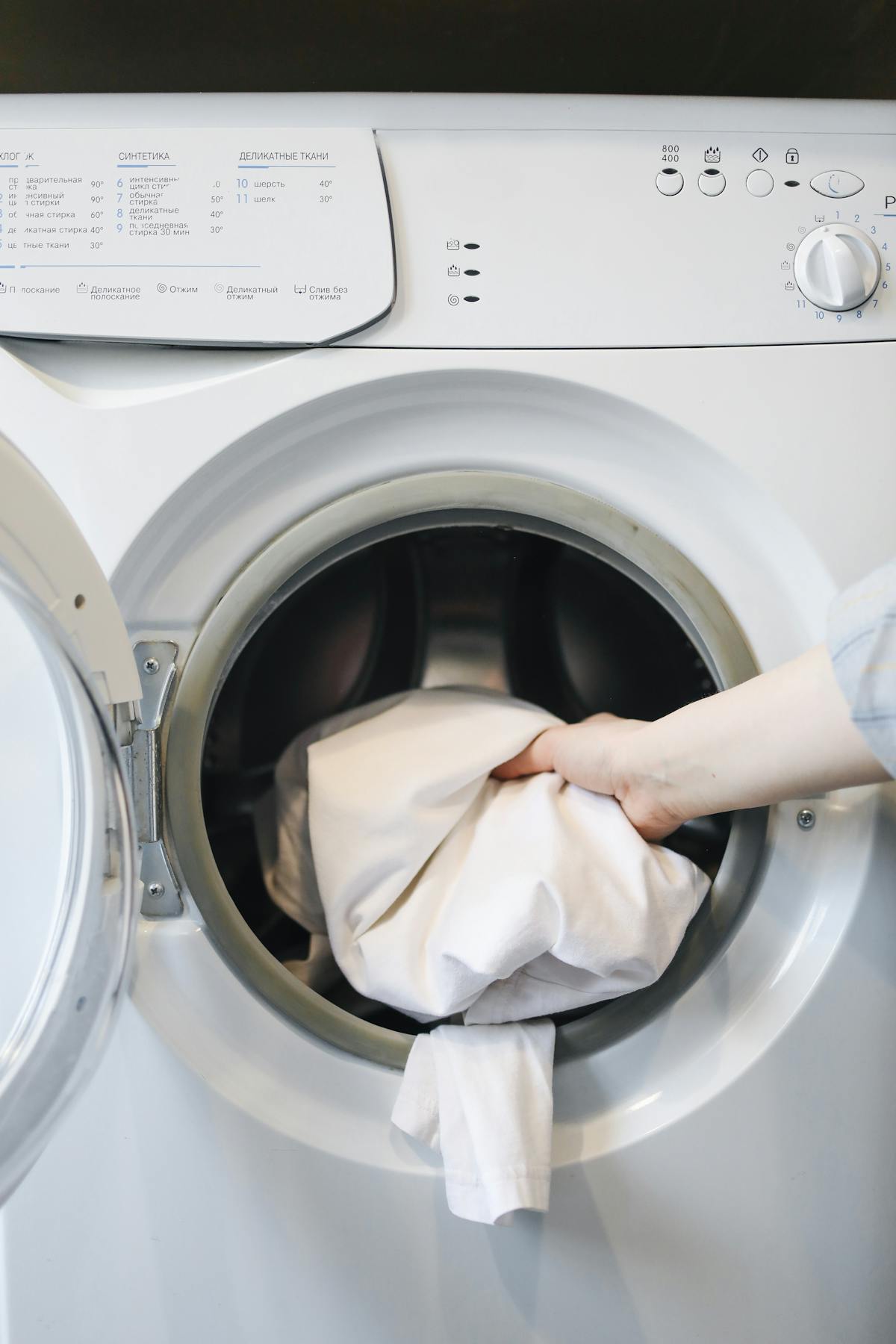
We’ll be honest — hand washing is always better. But we also live in the real world, and sometimes the washing machine is your only option. If you absolutely must use a machine, follow these rules to minimize damage:
- Use a mesh laundry bag. This protects your bikini from getting tangled, snagged, or stretched by other items. A lingerie bag works perfectly.
- Cold water only. Select the coldest, most gentle cycle your machine offers — often labeled “delicate” or “hand wash.”
- Mild detergent, small amount. Skip bleach, fabric softener, and anything with harsh chemicals. Fabric softener actually coats fibers and reduces elasticity.
- Wash with similar items. Pair your bikini with other delicates — not heavy jeans, towels, or anything with zippers or hooks that could snag.
- Never, ever use the dryer. The heat will destroy the elastic fibers faster than almost anything else. Always air dry flat.
Even with these precautions, machine washing will shorten your swimwear’s lifespan compared to hand washing. Reserve it for emergencies.
🛍 Upgrade Your Wash Routine
A mesh laundry bag is the single best $5 investment for your swimwear. It protects against snags, tangling, and stretching whether you hand wash or machine wash. Grab a set of fine-mesh lingerie bags in multiple sizes — your bikinis, bralettes, and delicates will all thank you.
Watch: How to Wash and Maintain Your Swimwear
Want a visual walkthrough? This helpful video breaks down the key steps for washing and maintaining your swimwear so it lasts:

How to Remove Chlorine Smell from Swimsuits
If you swim in pools regularly, that lingering chlorine smell is probably your biggest frustration. Regular detergent often isn’t enough to cut through it. Here are three methods that actually work:
Method 1: Baking Soda Soak
Add two tablespoons of baking soda to a basin of cool water. Submerge your suit and let it soak for 30 minutes. The baking soda neutralizes the chlorine compounds trapped in the fabric. Rinse thoroughly afterward.
Method 2: White Vinegar Rinse
Mix one part white vinegar with four parts cool water. Soak your swimsuit for 15 to 20 minutes, then rinse well. The acidity of the vinegar breaks down chlorine residue without damaging the fabric.
Method 3: Specialty Chlorine Remover
Products like Summer Solutions Suit Solutions or SwimSpray are formulated with vitamin C (ascorbic acid), which chemically neutralizes chlorine. These work faster and more thoroughly than home remedies.
For the best results, alternate between these methods and always start with that immediate post-swim rinse. Prevention beats treatment every time.
🧴 Pool Swimmers: Protect Your Suits
If you swim laps regularly, consider keeping dedicated chlorine-resistant swimwear for pool sessions and saving your fashion bikinis for the beach. Polyester-based suits (like Speedo Endurance+) hold up much better against chlorine than nylon-spandex blends. Your cute bikinis will last way longer when they’re not fighting pool chemicals every week.

Sunscreen Stains: The Hidden Swimwear Killer
Here’s something most people don’t realize — sunscreen causes more permanent swimwear damage than chlorine and salt water combined. Those yellowish stains on white or light-colored bikinis? That’s sunscreen residue, and once it sets in, it’s nearly impossible to remove.
The worst offenders are chemical sunscreens containing avobenzone (look for it on the ingredients list). Mineral sunscreens with zinc oxide or titanium dioxide are gentler on fabric, though they can still leave white marks.
To prevent sunscreen stains:
- Apply sunscreen and let it fully absorb into your skin (at least 15 minutes) before putting on your swimsuit.
- Wash your hands thoroughly after applying sunscreen and before touching your suit.
- Rinse your bikini as soon as possible after wearing it.
- For existing stains, try a paste of baking soda and water applied directly to the stain, left for 30 minutes before washing.
If you’re building your summer swimwear collection, check out our guide to every bikini top style for 2026 — and now you’ll know exactly how to keep each one looking incredible.

How to Store Swimwear (Off-Season and In-Season)
How you store your bikinis matters just as much as how you wash them. Bad storage habits can undo all your careful washing in a heartbeat.
During swim season:
- Store bikinis flat in a drawer — never leave them balled up in a damp beach bag.
- Make sure they’re completely dry before putting them away. Even a little moisture leads to mildew and that musty smell.
- Keep padded cups in their original shape. Fold them inward rather than flattening them.
- Rotate between at least two or three suits to give each one time to recover its shape between wears.
For off-season storage:
- Wash every suit thoroughly before storing for winter.
- Lay them flat in a cool, dry drawer or storage box. Avoid hanging — gravity stretches elastic fibers over time.
- Don’t store in plastic bags (they trap moisture). Use breathable fabric bags or just a clean drawer liner.
- Keep away from direct sunlight, even during storage. UV damage happens even through windows.
Love eco-friendly swimwear? Sustainable suits made from recycled materials follow the same care rules — and proper care means you buy less often, which is better for the planet too.

Common Swimwear Care Mistakes to Avoid
Even people who think they’re taking great care of their swimwear often make these mistakes without realizing it:
Wringing out your suit: Twisting and wringing is the fastest way to stretch out elastic fibers permanently. Always press water out gently with a towel instead.
Sitting on rough surfaces: Concrete pool decks, wooden dock benches, and rough stone walls will snag and pill your swimwear. Lay a towel down first or throw on a sarong or cover-up before sitting.
Trying on swimwear over underwear in fitting rooms: Actually, this one’s fine for trying on — but wearing your suit with underwear at the beach creates extra friction and bunching that wears down the fabric faster.
Using bleach or stain removers: Harsh chemicals destroy spandex and strip color faster than pool chlorine. Stick to mild detergents only.
Drying in direct sun: It feels natural to throw your wet bikini over a beach chair to dry in the sun. But UV radiation fades colors rapidly and degrades elastic fibers. Always dry in the shade.
Wearing one suit all vacation: Your bikini needs at least 24 hours between wears for the elastic fibers to fully recover their shape. Pack at least two or three suits for any trip and rotate daily.
👙 Build a Swim Rotation
The smartest swimwear investment isn’t one expensive suit — it’s three mid-range suits you rotate. Each suit gets more recovery time, lasts longer, and you get variety at the pool or beach. Look for sales at the end of summer when brands clear out inventory — you can build a solid rotation for the price of one designer piece.
Quick-Reference Swimwear Care Cheat Sheet
Bookmark this for easy reference every time you need a refresher:
✅ Always do:
- Rinse in cool fresh water after every wear
- Hand wash with mild detergent
- Press water out with a towel (don’t wring)
- Dry flat in the shade
- Rotate between multiple suits
- Store flat and completely dry
- Let sunscreen absorb before dressing
❌ Never do:
- Machine dry (the #1 swimwear killer)
- Use bleach or fabric softener
- Wring or twist to remove water
- Dry in direct sunlight
- Sit on rough surfaces without a towel
- Leave damp in a bag for hours
- Hang by the straps to dry
Follow these rules consistently and your bikinis will stay vibrant, stretchy, and beautiful far longer than you’d expect. Your future self (and your wallet) will thank you.
Looking for more swimwear advice? Check out our guides to the biggest bikini trends for summer 2026 and the most flattering swimsuit for every body type.