Swimwear Damage 101: Beat Chlorine, Sun & Stretching
You spent good money on that swimsuit. The print is perfection, the fit hugs in all the right places, and you finally feel like yourself in it. Then three pool days later the elastic is shot, the colors look chalky, and the cute back tie has stretched into a sad little noodle. Sound familiar? Most swimwear doesn’t die from age — it dies from preventable damage. The good news: with five minutes of care after each wear, the same suit can survive three or four summers looking nearly new.
This guide skips the vague “wash gently” advice you’ve heard a hundred times and goes straight to what actually destroys swimwear, what extends its life, and how to handle the specific problems your favorite suits face — chlorine, sunscreen, salt, stretched straps, and yellowing. Whether you wear a triangle string bikini, a one-piece, a tankini, or a high-waisted set, the same principles apply.
What’s Actually Killing Your Swimwear
Before you can save a swimsuit, you have to know what’s attacking it. Four villains do almost all of the damage, and most of us are unknowingly making things worse.
1. Chlorine
Pool chlorine eats elastane (the fiber sold as Lycra or spandex) — the stretchy thread that gives swimwear its bounce-back. After roughly 60 cumulative hours in chlorinated water, an untreated suit will lose elasticity, sag at the seams, and turn visibly pale. Hot tubs are even harsher: the higher chlorine concentration plus heat can shred a suit in a single weekend.
2. Saltwater and Sand
Salt crystals dry stiff inside the fibers and abrade them every time you move. Sand grains act like sandpaper, especially in seams and lining. Both leave swimsuits feeling crunchy, dull, and prematurely thin.
3. Sunscreen, Tanning Oil and Body Lotion
Mineral SPF (zinc oxide and avobenzone in particular) leaves yellow-orange marks that bond with synthetic fibers when heat-set in a dryer. Self-tanner is even worse — it can permanently dye light-colored swimwear within a single afternoon. Tanning oils and rich body lotions trap dirt and break down lining over time.
4. UV Rays and Heat
Direct sunlight fades dye, weakens stitching, and speeds up elastic breakdown. The dryer is the same enemy at higher intensity — heat is the single fastest way to shorten a swimsuit’s life. The cute pile of damp bikinis baking on a hot car dashboard? Stop doing that.
The 30-Second Habit That Doubles a Suit’s Life
Rinse before you swim. Wet your suit thoroughly in clean tap water (or the outdoor pool shower) before getting in chlorinated or ocean water. Saturated fibers absorb less of whatever chemicals you’re stepping into — the same way a wet sponge can’t soak up much new liquid. This one trick is the highest-ROI thing you can do for your swimwear, full stop.
Then rinse again as soon as you get out. Within 30 minutes is ideal. A quick freshwater rinse pulls out chlorine, salt, sunscreen, and sand before they have time to set. If you’re at a beach without a shower, even a water bottle squeezed over the suit before it goes in your bag helps.

How to Wash Swimwear Without Wrecking It
Care labels almost universally say “hand wash cold.” That isn’t a polite suggestion — synthetic stretch fabrics genuinely degrade in machines. But not everyone has time for hand-washing every single time, and there’s a safe machine-wash compromise.
The Five-Minute Hand Wash (Best Practice)
- Fill a clean sink or basin with cool water — never above 86°F / 30°C.
- Add a teaspoon of pH-neutral detergent or a dedicated swimwear wash.
- Submerge the suit and gently squeeze water through it for two minutes.
- Rinse twice in clean cool water until the water runs completely clear.
- Press flat between two clean dry towels to remove excess water — never wring.
Machine-Wash, If You Must
Place each suit in a mesh laundry bag, use cold water, choose the gentlest cycle (delicates or hand-wash), and skip the spin or set it to the lowest possible speed. Skip fabric softener entirely — it coats fibers and kills stretch. And never wash swimwear with anything that has a zipper, hook, or velcro; one snag will tear lining instantly.
The Detergent That Won’t Strip Your Suit
Skip Tide, OxiClean, or anything containing optical brighteners, bleach, or enzymes. Look for “delicate,” “swimwear,” or “lingerie” wash labels — Soak, Eucalan, or The Laundress Delicate Wash are gentle classics. In a pinch, a drop of unscented baby shampoo works beautifully and is probably already in your bathroom.
Drying Mistakes That Stretch and Fade Your Favorites
How you dry a swimsuit matters as much as how you wash it. Three common habits do more long-term harm than any wash cycle ever could.
- Hanging by the straps. Wet swimwear is heavy, and gravity will stretch the straps over hours, leaving them permanently loose. Lay flat to dry, or hang folded over a thick rod or padded hanger.
- Wringing it out. Twisting tears elastane fibers internally even if the suit looks fine on the surface. Press water out between two towels instead.
- Direct sun or the dryer. Both fade dye and bake out the elastic. Dry in a shaded, well-ventilated spot. If you need to speed things up, a fan moves air without adding heat.
How to Store Swimwear Between Wears
When the suit is fully dry — and only when it’s fully dry — store it flat. Fold it once at most, keep any padded cup shapes preserved, and give it some breathing room in the drawer. Don’t shove damp suits into a beach bag overnight (mildew sets fast in synthetic fabric and the smell never fully leaves) and never store anything rolled tightly with brand-new garments that might transfer dye.
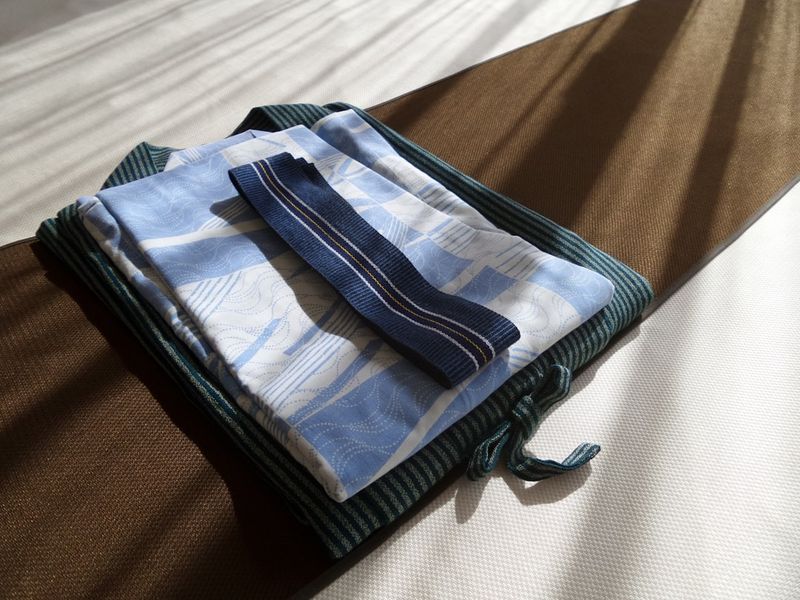
For off-season storage, line drawers with acid-free tissue paper, keep suits well away from cedar blocks and mothballs (the oils stain synthetic fibers), and rotate the stack every few weeks so the bottom suits don’t stay compressed all winter.

Stain Removal: Sunscreen, Self-Tan and Sangria
Caught the stain fast? Most marks come out without harsh chemicals. The golden rule for any swimwear stain: cool water first, never hot. Heat sets stains permanently into synthetic fibers.
Yellow Sunscreen Stains
Mix a paste of baking soda and cool water, dab onto the stain, leave it for 30 minutes, then hand-wash as usual. For stubborn marks, a drop of clear dish soap rubbed gently with your fingers (no scrubbing) lifts oil-based residue without damaging dye.
Self-Tanner Streaks
Lemon juice diluted 1:1 with cool water, applied with a cotton pad and rinsed within five minutes. Don’t leave acid on swimwear longer than that — it can lighten dye on darker prints.
Wine, Berry Juice and Cocktails
Cool water rinse first — heat sets the tannins. Then a cool soak with delicate detergent for 20 minutes. Avoid bleach pens entirely; on color swimsuits they create permanent white spots that are far worse than the original stain.
When to Rotate, and When to Retire, a Swimsuit
Even with perfect care, swimsuits have a lifespan. Rotation is the single best way to extend it: never wear the same suit two days in a row. The elastic needs a full 24+ hours to snap back, and rotating two or three suits through a vacation easily doubles the wear of each one.
It’s time to retire a suit when:
- The lining is see-through, frayed, or pilling badly
- The elastic doesn’t recover when stretched (it stays loose)
- Color has gone visibly chalky or unevenly faded
- Underwire pokes through, or padding bunches and won’t reshape
Worn-out swimwear isn’t trash. Many sustainable brands now accept old suits for textile recycling, and the lining alone makes excellent cleaning rags around the house. Some mending studios will even replace shot elastic on a beloved suit for a fraction of the price of a new one.


Material Matters: Lycra, Crochet and Recycled Fabrics
Different fabrics need slightly different care. The general principles above apply to everything, but a few materials have their own quirks worth knowing.
Standard Nylon and Lycra Blends
The most common swimwear fabric, found in most off-the-rack bikinis and one-pieces. Tolerates the routine above well. With proper care, expect a lifespan of two to four full summers.
Crochet and Knit Suits
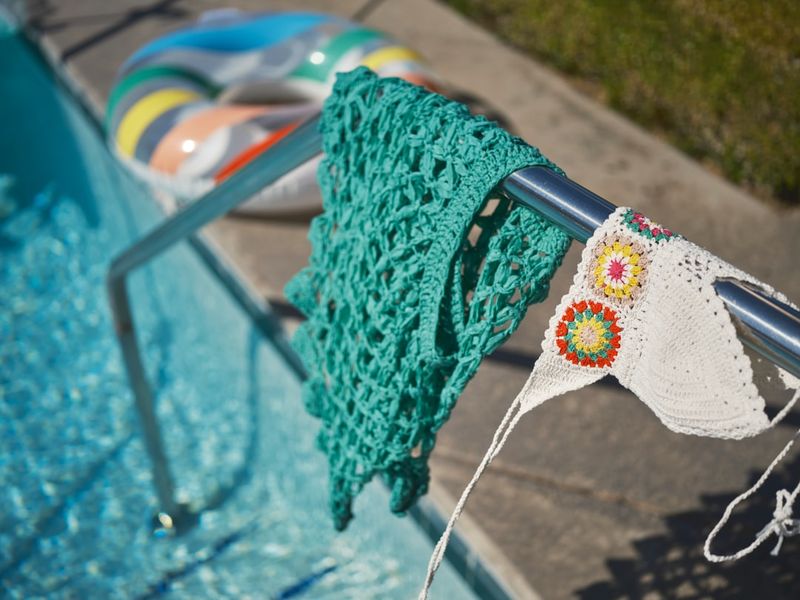
Skip the machine entirely. Hand-wash with extra-mild detergent, lay flat to dry on a thick towel, and gently reshape while still damp. Never hang — the open weave will sag under its own weight and warp permanently within an afternoon.
Recycled and Econyl Fabrics
Made from regenerated nylon (often from recovered fishing nets) — environmentally fantastic, but slightly more sensitive to chlorine than virgin nylon. The pre-swim rinse is non-negotiable, and washing after every single wear pays off in noticeably longer wear.
Ribbed and Textured Fabrics
The tactile ribs trap sunscreen, salt, and sand deeper into the fabric than smooth weaves do. A pre-soak in cool water for 10 minutes before regular washing makes a noticeable difference in how clean the suit feels afterward.
Quick Reference: Your Swimwear Care Cheat Sheet
- Always rinse before AND after pool or ocean (warm tap water works best)
- Hand-wash in cool water with a delicate, pH-neutral detergent
- Press water out between towels — never wring
- Dry flat in shade, never in the dryer or direct sun
- Store flat in a drawer, fully dry, away from heat and cedar
- Rotate suits — don’t wear the same one two days running
- Spot-treat any stains within 24 hours, always with cool water first
Final Thoughts: The Body-Positive Reason to Care
There’s a quiet empowerment in caring for clothes you love. A swimsuit that fits you well — that makes you feel beautiful exactly as you are right now — is worth protecting. You don’t need ten new suits a season. Two or three you genuinely adore, cared for properly, will serve you better than a drawer full of fast-fashion pieces that pill after one weekend trip.
Your body changes. The suit you bought last June might fit differently next June, and that’s normal — bodies aren’t static, and good swimwear shouldn’t punish you for living in yours. But while a suit fits and you love it, treat it like the small luxury it is. Five minutes of care, multiplied across a summer, gives you years instead of weeks. That’s how you build a swimwear collection that grows with you, not against you.
Sources
- The Laundress — How to Wash a Bathing Suit
- American Cleaning Institute — Caring for Specialty Fabrics
- Good Housekeeping Institute — Textile and Stain Testing
- Soak Wash — Lycra and Spandex Care Guide
Shop our full range of bikinis and swimwear at the BikiniCool store →