
Tummy Control Swimsuit: 9 Slimming Picks for 2026
A tummy control swimsuit is the single category of swimwear with the steepest fit learning curve — pick the wrong panel placement and you’ll wind up with a roll exactly where you wanted smoothness. Done right, it gives you 30 to 50 percent more compression across the midsection than a regular suit, holds shape after a full day in salt water, and doesn’t leave bruise lines when you take it off. The trick is knowing which engineering details actually do the work, and which are just marketing dressed up in extra stitching. This guide breaks down nine styles that earned their place in 2026, plus the fabric specs and fit checks that separate a $28 suit that lasts three swims from a $48 suit that lasts three summers.

How a Tummy Control Swimsuit Actually Works
Control comes from one of three things: a dense inner power-mesh panel sewn behind the front lining, a high-compression outer fabric (usually 22 percent elastane or more), or a structural design that redistributes pressure — think wide waistbands, shirred panels, or wrap fronts. Some suits use all three, which is when the price starts climbing past $60.
The honest part most brands skip: shaping panels work by displacing tissue, not erasing it. A good tummy control swimsuit will give you a smoother silhouette and better posture support, but it won’t take you down a dress size. Anyone who claims otherwise is selling fiction.
Compression that’s too aggressive backfires fast. If a suit creates a hard line above or below the panel, it’s gripping at the edges instead of distributing across the whole panel — the result is the dreaded muffin effect. The sweet spot is firm pressure with no visible edge transitions when you sit, twist, or raise your arms.
9 Tummy Control Swimsuit Styles That Deliver in 2026
Not every suit labeled “tummy control” earns the tag. After watching three seasons of returns data across our own shop, these nine styles consistently land in customers’ keep piles instead of return boxes.
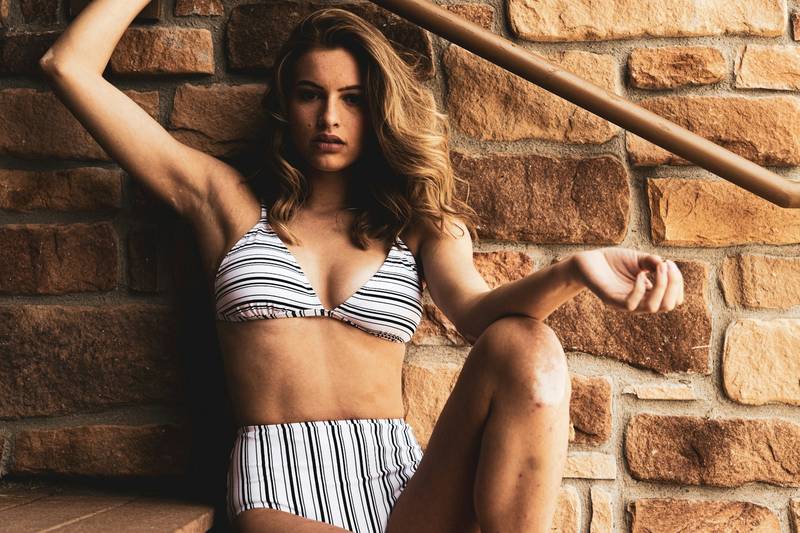
1. High-Waist Bikini with Wide Waistband
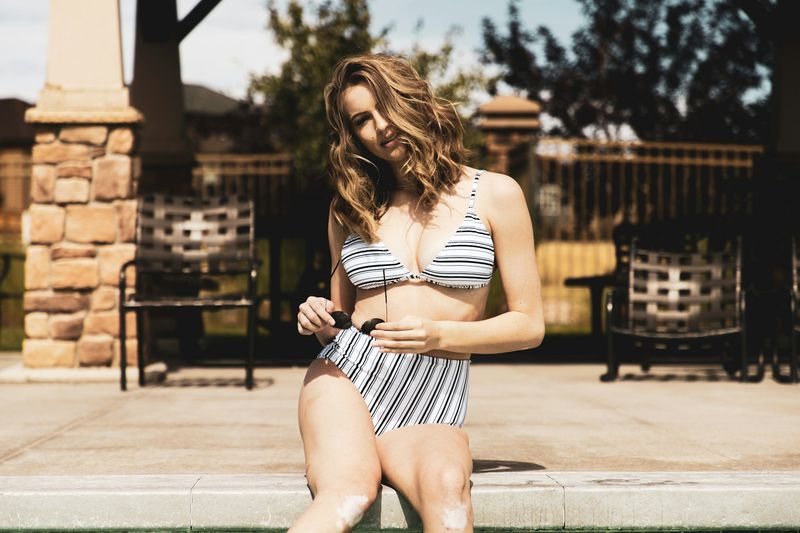
The wide waistband is the workhorse of the category. A 4 to 5 inch band that sits at or just above the natural waist creates a smooth line from rib cage to hip without cutting in. Look for a waistband with internal boning or a doubled fabric layer — single-ply bands roll down by hour two.
2. Ruched-Front One-Piece
Ruching across the midsection is visual sleight of hand done right. The gathered fabric breaks up the silhouette so the eye doesn’t track any single contour. The catch: the ruching has to be sewn into the lining, not just heat-pressed onto the outer layer. Cheap ruched suits flatten out after two washes and turn into smooth panels with weird wrinkles.
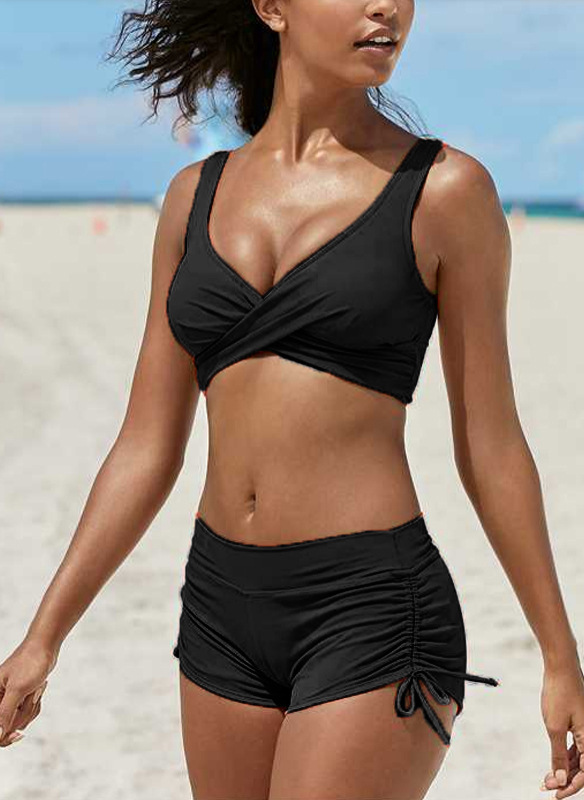
3. Wrap-Front V-Neck Suit
The diagonal wrap line creates a faux-asymmetry that pulls focus toward the bust and shoulders. It works because the eye reads the strongest line first, and a deep V at the chest beats a stomach line every time. Wrap suits also tend to use stretch ties at the side seam, which means you can adjust compression after lunch.
4. Bandeau with Removable Underwire
Counterintuitive pick, but underwire bandeau styles distribute upper-body weight better than halter or triangle tops, which means less pulling on the panel below. If your bust is over a C cup, an unsupported triangle top forces your tummy panel to fight gravity from two directions.
5. Asymmetric One-Shoulder One-Piece
The single strap and offset neckline give you the same diagonal-line trick as a wrap, but in a cleaner silhouette. Best for petite frames since it adds visual height. The strap should sit firmly without digging — if the salesperson says “it’ll stretch out,” that’s code for “this will fall down by hour three.”

6. Sarong-Front Skirted Suit
An attached sarong skirt across the front gives full hip and tummy coverage while keeping the back in classic suit shape. Modern versions use a clever overlay that hangs cleanly when you walk and packs flat when you sit. Skip the heavy stiff skirts from a decade ago — current designs use lighter shell fabric over the same compression core.
7. Color-Block Slimming Suit
Dark side panels with a lighter center stripe is the oldest visual trick in swimwear and it still works. The dark panels recede, the lighter strip implies a vertical line through the body. The key is panel placement: panels should start at the underbust and run unbroken to the hip. Any seam break ruins the effect.
8. Shirred-Panel Tankini Set
Two-piece coverage with shirred fabric across the entire torso of the tank top. Shirring at the side seams adds 360-degree control without the bathroom-trip hassle of a one-piece. The tank should hit at the high hip — too long and it bunches when you sit, too short and the panel rolls up.
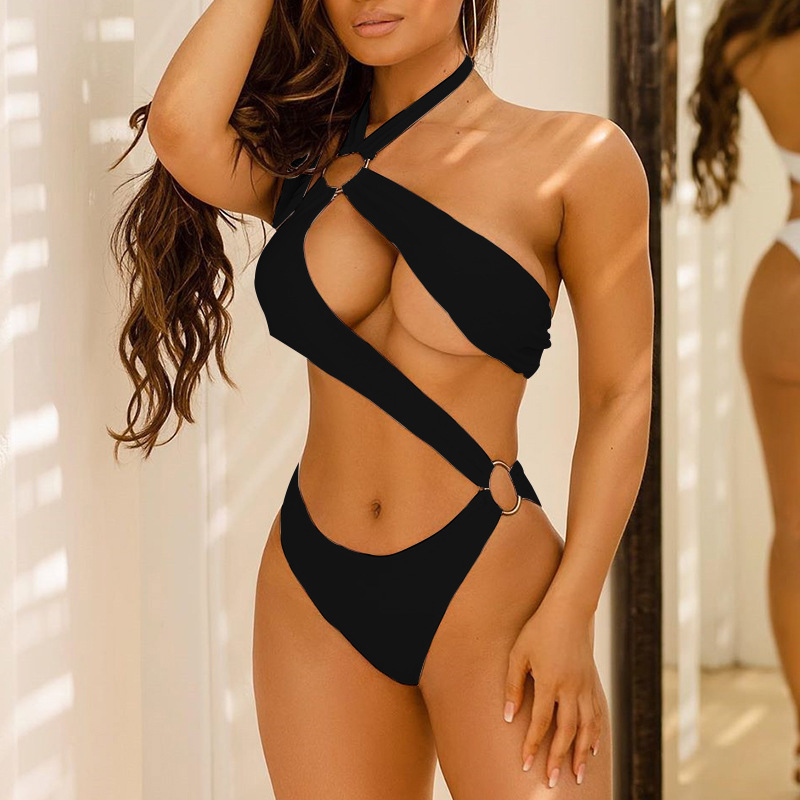
9. High-Neck Plunge Hybrid
A high neckline paired with a deep cutout below the bust creates negative space exactly where you want it. The cutout vents heat and adds visual interest, and the high neck offsets the exposure so the suit reads stylish rather than swimwear-pageant.
What to Look For in the Fabric
Two numbers matter on the care label: elastane percentage and fabric weight. For real shaping, you want 22 percent elastane or higher. Below 18 percent, the fabric is comfortable but stretches back to neutral too fast — there’s no holding power. Above 25 percent, you start trading breathability for control.

Fabric weight (sometimes listed as denier or grams per square meter) matters even more than elastane content. A 230 GSM fabric will shape better than a 180 GSM fabric at the same elastane percentage, because thicker fabric simply has more material to push back against your body. The trade-off is dry time — heavier fabric stays wet longer and shows water lines until it dries.
Lining is non-negotiable. A double-lined front panel is the difference between a $30 suit that wrinkles in the water and a $50 suit that holds shape for hours. If the product page doesn’t explicitly say “fully lined” or “double-lined front panel,” assume it’s single-lined and adjust expectations accordingly.
Recycled polyamide blends (often branded Econyl or Repreve) have caught up to virgin nylon on stretch recovery, according to fabric performance data from The Lycra Company. The compression is identical and the chlorine resistance is actually slightly better on most recycled blends.
Fit Mistakes That Kill the Slimming Effect
Sizing up to feel “comfortable” is the most common error. A tummy control swimsuit relies on contact pressure — if there’s slack in the panel, there’s no compression happening, period. The panel should feel firm when you first put it on, not loose enough to pinch fabric away from your skin. If you can’t pinch the panel, you’ve got the right size.
Sizing down to “really sculpt” is the second most common error and the more damaging one. Excessive compression creates rolls at the panel edges, restricts breathing, and breaks down the elastane fibers faster. A suit two sizes too small will be misshapen by season’s end.
Strap tension is the silent killer of fit. Over-tightened straps lift the suit body away from the torso, which collapses the panel structure. Adjust straps so the suit body sits flat against you while standing, then sit down and check that nothing rides up. If it does, loosen the straps a quarter inch and re-test.
Check the leg-opening height against your hip bone. On apple-shaped bodies, a leg opening that sits below the hip bone widens the silhouette by visually adding width at the lower hip. The opening should hit at or just above the hip bone for the cleanest line.
Tummy Control vs Shapewear — Where’s the Real Difference?
Shapewear under clothes can compress 20 to 30 percent harder than swimwear because nobody expects you to move freely in Spanx. A tummy control swimsuit has to balance shape with full range of motion — swimming laps, climbing pool ladders, sitting cross-legged on a towel. That ceiling on compression is why some people feel underwhelmed by their first tummy control suit if they’re coming from a dedicated shapewear background.
The honest answer: if you want hard sculpting, layer a high-rise swim brief or a swim bodysuit liner under your regular suit. That gets you to true shapewear-level compression while keeping the outer suit looking like swimwear. It’s the trick stylists use on photo shoots, and it works in real life too.
How to Wash a Tummy Control Suit Without Killing the Stretch
Hot water and chlorine are the two things that destroy elastane fibers, and a suit with high elastane content is exactly the type of suit that suffers most from both. Rinse in cold water within an hour of getting out of the pool — chlorine continues breaking down fabric even after you’re dry. Salt water is easier on fabric but still needs a rinse to prevent crystals from sanding down the fibers when you fold the suit.

Hand-wash with a mild detergent designed for delicates. Wring gently — never twist. Lay flat to dry, never hang from straps (gravity stretches them out permanently within a few hangings). Sun exposure during drying is the other elastane killer; air-dry in shade. Following these steps takes a suit from 2-summer lifespan to 4-summer lifespan, which more than pays for itself even on a $40 suit.
Watch How These Suits Move on Real Bodies
The fit checks above only make sense once you’ve seen them in motion. This try-on review tests several popular tummy control styles back-to-back on a real body, with notes on what each panel design does (and doesn’t) hide:
Building a Two-Suit Rotation
Owning two tummy control suits beats owning one expensive one. Alternating between them gives the elastane time to fully recover between wears — fibers stretched and dried multiple times in a row lose elasticity faster than fibers given 48 hours to relax. The math also works out: two $35 suits worn alternately last roughly as long as one $90 suit worn every day, but you get two looks instead of one and a backup when one is in the wash.
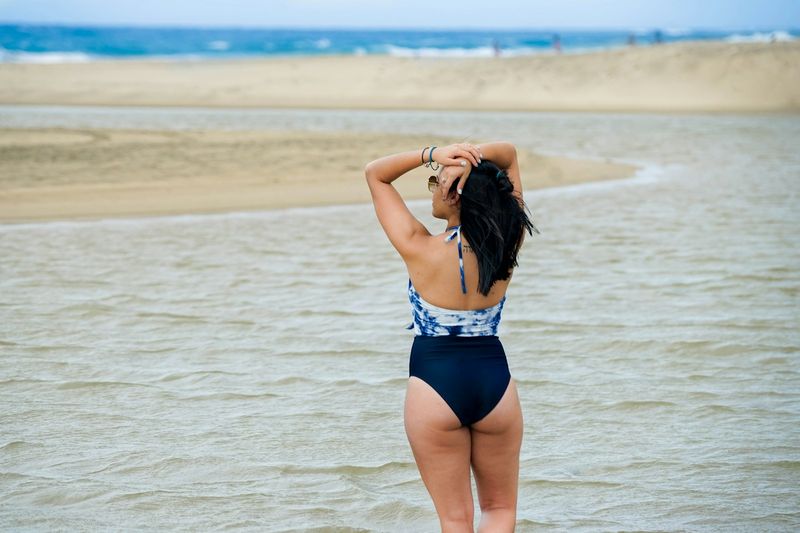
If budget allows three, the ideal rotation is one high-waist bikini for active days, one structured one-piece for resort dinners or boat trips, and one bandeau or wrap style for sunbathing where you want minimal tan lines. Each pulls from a different style of bikini bottom cut and works for different settings without overlap.
The category isn’t about hiding anything. Smart fabric construction smooths the line, supports your posture, and lets you swim, walk, and lounge without thinking about what your suit is doing. That’s the whole point — a suit you stop noticing means a day you actually enjoy. If you’re upgrading from a worn-out suit this season, prioritize a high-waisted bikini as your first purchase. The wide-waistband design is the most forgiving entry point into the category and the easiest to fit correctly the first time.
Sources
- The Lycra Company — LYCRA® Fiber Innovation — Fabric performance data on elastane stretch recovery and chlorine resistance.
- Real Simple — Best Swimsuits Buying Guide — Independent reviews of swimwear shaping construction.
- Cleveland Clinic — Body Neutrality vs Body Positivity — Background on body-image framing in clothing and swimwear choices.
Shop our full range of bikinis and swimwear at the BikiniCool store →