
When to Replace Your Swimsuit: How to Spot the End of Its Life
The bikini you’ve worn through three summers feels like an old friend. The cut still flatters, you know exactly how it fits, and the memories woven into the fabric — beach days, pool afternoons, that one trip — make it hard to imagine giving it up. But swimsuits aren’t built for forever. They live a hard life: chlorine, saltwater, sunscreen, sweat, sand, and relentless sun. At some point, even your favorite suit crosses a line where holding on stops being sentimental and starts becoming a fit, comfort, or confidence problem. Knowing when to replace your swimsuit is one of those small wardrobe skills that quietly saves you from a beach-day surprise — like realizing mid-cannonball that your bottoms have gone see-through.
Why Swimsuits Have a Shorter Lifespan Than You Think
Swimsuit fabric is engineered to do something genuinely hard — stay snug against your body while stretching in every direction, drying quickly, and resisting water damage. Most modern swimsuits use a blend of nylon or polyester with spandex (also called elastane or Lycra). Spandex is what gives your bikini its stretch and recovery, but it’s also the most fragile part of the construction.
Spandex breaks down in predictable ways. Chlorine slowly attacks its molecular structure. Sunlight degrades the fibers through UV exposure. Body oils, sunscreen ingredients (especially avobenzone), and the natural acids in sweat weaken elasticity over time. Heat — from sun, from dryers, from hot tubs — accelerates everything. The fabric doesn’t fail all at once. It loses a little tension every wear, until one day your favorite top no longer hugs the way it used to.

The Real Signs Your Swimsuit Has Reached the End
There’s no expiration date stamped on the tag, but your swimsuit gives you plenty of warning. Most women hold onto suits well past these signs because the wear feels gradual, day to day. Here’s what to actually watch for.
The Fabric No Longer Bounces Back
Pinch a section of fabric, stretch it gently, and let go. A healthy swimsuit snaps back almost instantly. A worn-out one stays loose, sags, or returns sluggishly. This is the single most reliable test you can run at home. Once the spandex has lost its recovery, no amount of careful washing will bring it back — the molecular damage is permanent.
Sagging Where It Shouldn’t
If your one-piece is bagging at the bust, drooping in the seat, or your bikini bottoms slip down when wet, the elastic is gone. You can sometimes shorten a too-loose strap, but if the body of the suit itself has stretched out, it’s done. A swimsuit that fit perfectly two years ago and now feels like it belongs to someone larger has lost its shape permanently — not because of you, but because of the fabric.
Color Fading or Yellowing
Bright colors fade gradually — pinks soften to peach, deep blues turn dusty, vivid prints lose their punch. White and pastel suits sometimes pick up a yellow or gray tinge from sunscreen residue and pool chemicals. A little fading after a season is normal. But if your suit looks visibly older than it did last summer, that fading often signals deeper fiber damage you can’t see on the surface.

Pilling, Thinning, or Transparency
Hold your wet suit up to the light. If you can see through fabric that used to be opaque, the threads have thinned. Pilling — those tiny fabric balls that form from friction against towels and other clothing — is a sign the surface fibers are breaking down. White and light-colored suits are most prone to becoming sheer when wet, and the change usually shows up in the seat or chest first.
Lining That’s Peeling or Bunching
The lining is usually the first part of a swimsuit to fail because it takes the most stress: stretched over your body, exposed to sweat and oils, rubbed against the outer fabric. If the lining is separating from the shell, bunching under the fabric, or has gone yellow and stiff, the suit has structurally aged out. A worn lining also makes a suit feel rougher and less comfortable, even if the outside still looks fine.
Elastic That’s Cracked or Loose
Run your fingers along the leg openings, bust band, and straps. The elastic should feel smooth and springy. If you feel hard, dry, or cracked sections — or if the elastic has gone limp and floppy — it’s reached the end. This is especially common in halter ties and underbust bands, which carry the most weight and stretch the most during wear.
How Long Should a Swimsuit Actually Last?
The honest answer is that it depends almost entirely on how you use it. A swimsuit you wear once or twice a year for a beach vacation can stay in good condition for three to five years. A daily lap suit at a chlorinated pool might be done in three months. Most casual summer wearers should expect a good-quality bikini to last one to two full seasons of regular wear.
Higher-end suits with better fabric blends — look for higher percentages of polyester or PBT, which are dramatically more chlorine-resistant than standard nylon-spandex — tend to outlast fast-fashion suits by years. A bargain suit worn weekly may show wear by midsummer; a well-made suit treated kindly can outlast it many times over. When you do the math per wear, the more expensive option is often the cheaper one.
Habits That Speed Up the Clock
Some habits are the swimsuit equivalent of running an engine hot. If any of these describe your summer, your replacement timeline shrinks significantly.
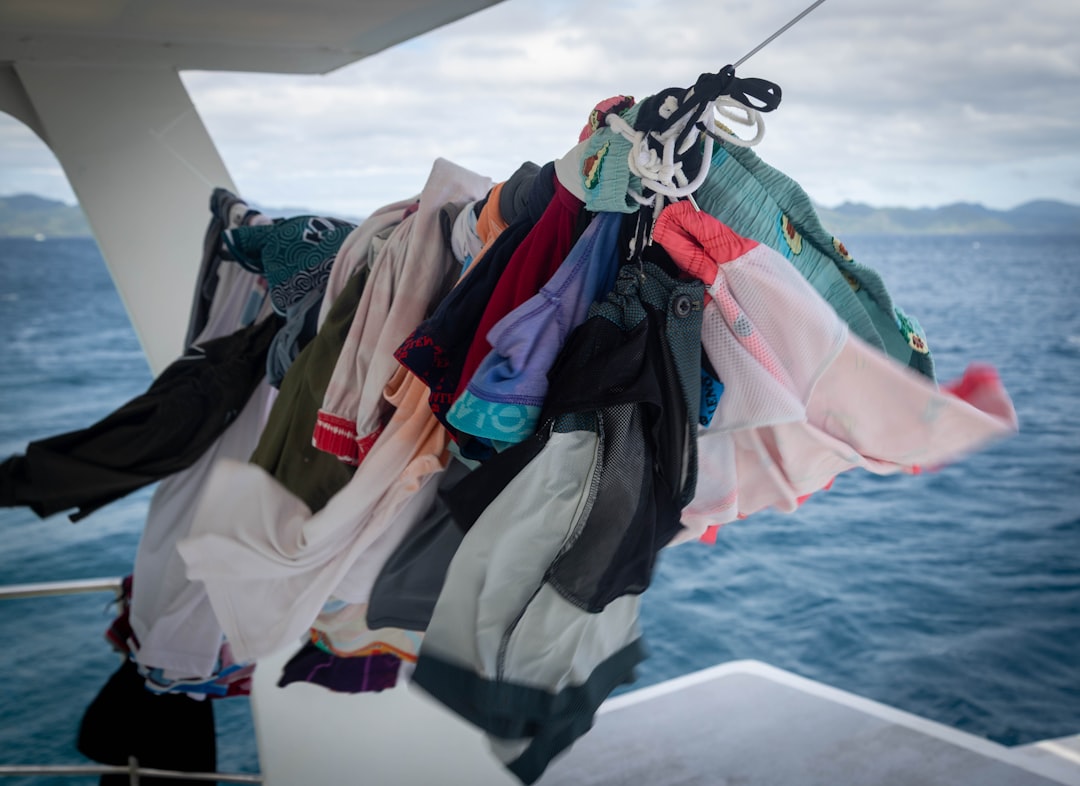
Sitting on pool concrete or wooden decks is one of the worst things you can do — the rough surface acts like sandpaper on wet, stretched fabric. Hot tub use accelerates spandex breakdown dramatically because heat plus chlorine is a worst-case combination. Skipping a rinse after swimming lets chlorine and salt sit in the fibers, continuing to break them down between uses. And tossing a wet suit in the dryer — even on low — is the fastest way to destroy elasticity in a single cycle.
Sunscreen interaction matters more than most people realize. Certain ingredients, particularly avobenzone and oxybenzone in chemical sunscreens, react with chlorine and pool minerals to create rust-colored stains and accelerate fiber damage. Mineral sunscreens — zinc oxide and titanium dioxide — are noticeably gentler on swim fabric. If your favorite suit keeps developing weird brown spots, your sunscreen might be the quiet culprit.
Extending the Life You Have Left
If your suit is showing early signs but isn’t quite done, a few habits can stretch its remaining time. Rinse in cool tap water immediately after every swim — even just stepping into the shower while still wearing it counts. Hand wash with a gentle soap (not regular laundry detergent, which is too harsh) once a week during heavy use. Lay flat to dry in shade, never in direct sun and never in a dryer. Rotate between at least two suits if you swim often, so neither has to recover from full saturation back-to-back.

One detail most people get wrong: wringing out a wet swimsuit permanently distorts the elastic. Press the water out gently between a clean towel instead. The difference in lifespan between a wrung-out suit and a press-dried one is meaningful — sometimes a full season. The same logic applies to bunching a wet suit into a beach bag; the longer it sits compressed and damp, the faster the fibers degrade.
Ready to Replace? What to Look For Next
When you’re ready to update your swim drawer, you have more options than ever. Pay attention to fabric blend: suits made with PBT or those marketed as chlorine-resistant or featuring Xtra Life Lycra will outlast standard nylon-spandex blends by a wide margin. Double-lined construction handles pool wear better than single-lined fast fashion. Wide straps and bands distribute stress better and resist sagging longer.
For body-positive shoppers, the good news is that the market has finally caught up. Inclusive sizing has expanded dramatically, with many brands offering true-to-body cuts that account for actual proportions — wider hips, fuller busts, longer torsos, shorter rises — rather than just scaling a single shape up. If past suits never quite fit, this is the moment to try a brand designed around your specific body rather than settling for stretched-up small sizes. A swimsuit that fits properly looks better than any trend or color choice ever will.

Think about how you actually swim. A suit that lives in a beach bag for two weekend trips a year has different requirements than one you wear in a chlorinated pool four times a week. Be honest with yourself about your real use, and shop accordingly. A delicate crochet bikini is gorgeous for resort photos and frustrating for actual swimming. A heavy-duty training suit feels overbuilt for a Saturday brunch by the hotel pool. Match the suit to the life it’s going to live.
The Sentimental Suits — And How to Let Go
Some swimsuits are more than fabric. The bikini you wore on your first solo trip. The one that fit perfectly the summer everything finally clicked. The cover-up your sister gave you the year you needed it most. There’s no shame in keeping a suit purely as a keepsake long after it’s wearable. But there’s a real difference between a memory and an active piece of your swim wardrobe. If you reach for a suit and end up adjusting it every five minutes, or hesitating to take it into the water, it’s already become a souvenir. Honor it by retiring it to a drawer of keepsakes — and giving its replacement room in your actual rotation.

When you do retire a suit, think before tossing. Worn-out swimsuits aren’t traditional fabric recyclables, but some brands accept old technical fabrics for repurposing through take-back programs. Otherwise, cut up your old suit into cleaning rags — the synthetic fibers make excellent streak-free glass cleaners and don’t shed lint. A swimsuit that gave you good summers can have a quiet second life under your kitchen sink.
An Honest Replacement Timeline
Here’s a realistic framework. A bikini or one-piece worn casually one to two days a week through a summer should be evaluated at the end of each season — stretch test, fabric check, lining check. Most will be ready for retirement at the two-year mark. Suits worn for regular pool swimming in chlorine should be checked every three months and rotated out before they sag visibly. Suits worn only on annual vacations can often go three to five years, especially if washed gently and stored away from light and heat.
The deeper truth: when you start wondering whether it’s time, the answer is usually yes. Confidence at the beach matters, and a great-fitting suit changes how you move through your day. Holding onto a stretched-out, faded, or worn-through suit because of how much you spent on it or how long you’ve had it costs you something every time you wear it. Replacing your swimsuit isn’t a luxury — it’s basic wardrobe maintenance, and you deserve a suit that fits you the way it did the day you bought it.
Sources
Shop our full range of bikinis and swimwear at the BikiniCool store →