Swimsuit Color Guide: Best Colors for Your Skin Tone
Choosing swimwear colors that complement your skin tone can make the difference between looking washed out and looking radiant. While personal preference ultimately rules, understanding which colors naturally flatter your complexion helps you shop smarter and feel more confident in your swimwear choices. This guide breaks down the best swimsuit colors for every skin tone.
Understanding Your Undertone
Skin tone goes beyond just light or dark. Your undertone, the subtle hue beneath your skin’s surface, determines which colors harmonize with your complexion. Undertones fall into three categories: warm, cool, and neutral.
Warm undertones have golden, peachy, or yellow hues. The veins on your wrist appear greenish. Gold jewelry typically looks more flattering than silver. You tan easily and rarely burn severely.
Cool undertones have pink, red, or bluish hues. Your wrist veins appear blue or purple. Silver jewelry typically looks more flattering than gold. You may burn easily or have difficulty tanning.
Neutral undertones balance between warm and cool without leaning strongly either direction. Both gold and silver jewelry look equally good. Your veins appear blue-green. Most colors work reasonably well on you.
Colors for Warm Undertones
Warm undertones glow in earthy, sun-kissed colors. Coral, peach, and warm pink create beautiful harmony with golden skin tones. These colors enhance your natural warmth rather than competing with it.
Orange and terracotta shades that might overwhelm cooler complexions look stunning on warm undertones. Embrace these vibrant options that others might shy away from.
Warm greens like olive, moss, and forest green complement warm undertones beautifully. These nature-inspired shades echo the golden tones in your skin.
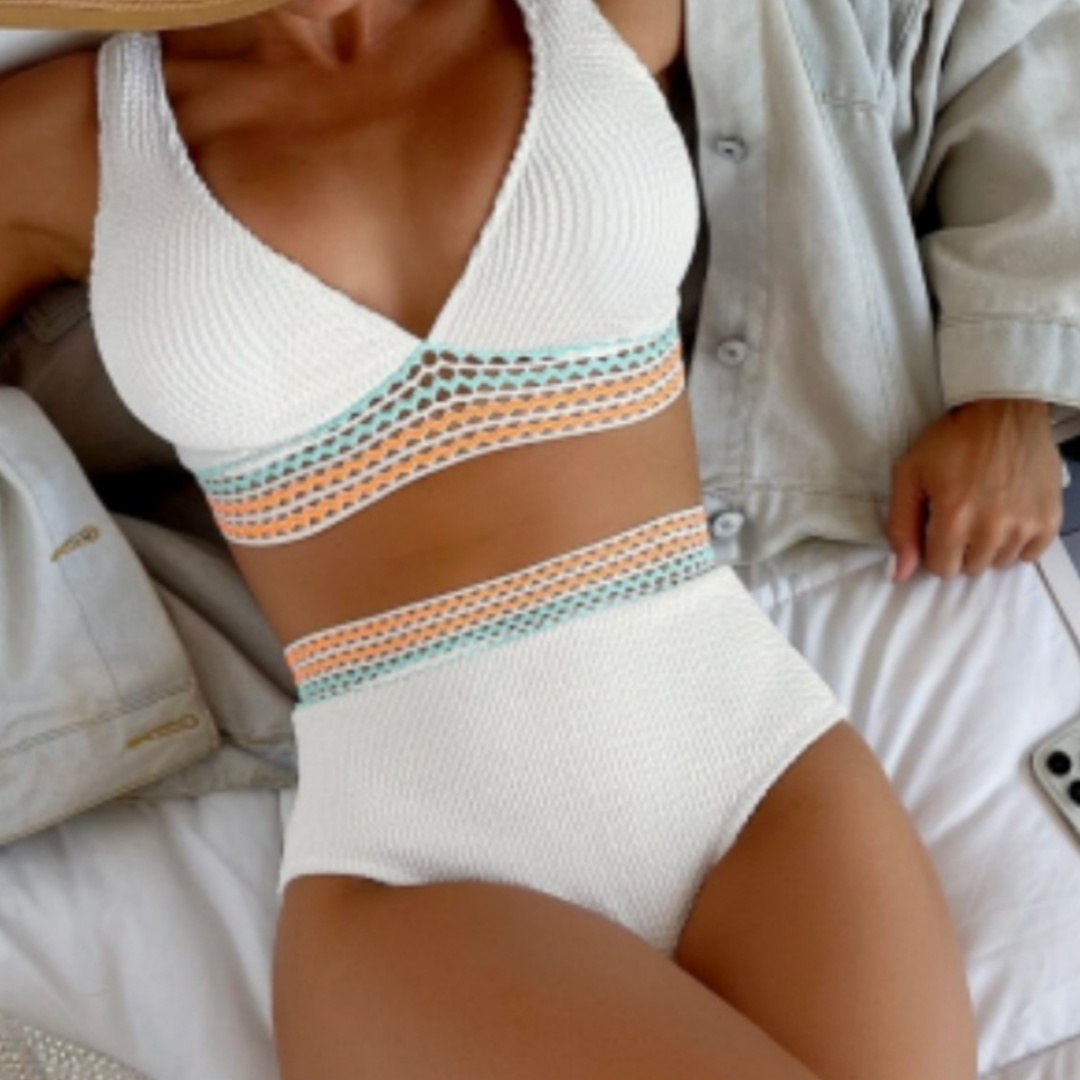
Avoid icy pastels and stark cool tones that can make warm-toned skin look sallow. Very bright white may also wash you out. Opt for cream or ivory instead.
Colors for Cool Undertones
Cool undertones shine in jewel tones and blue-based colors. Sapphire blue, emerald green, and deep purple create striking contrast that makes cool-toned skin glow.
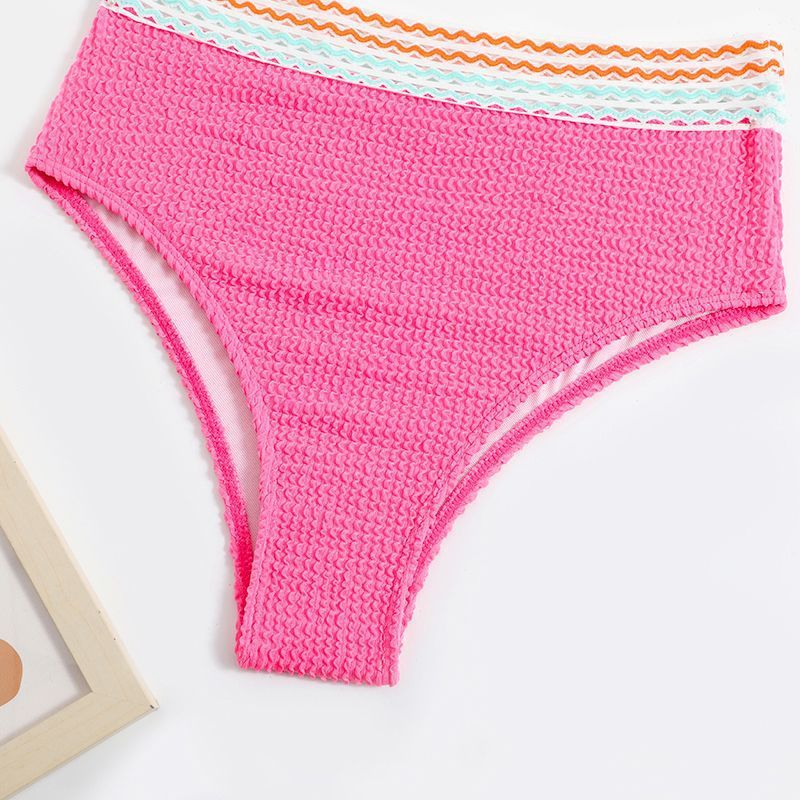
True pinks and magentas flatter cool undertones, while peachy pinks may clash. Look for pink shades with blue or purple bases rather than orange or yellow undertones.
Cool reds like cherry and berry suit cool complexions, while orange-reds can look jarring. Navy and true black are reliably flattering for most cool-toned individuals.
Avoid overly warm colors like orange, rust, and yellow-gold that can make cool-toned skin look tired or unwell. These create unflattering contrast with your natural coloring.
Colors for Neutral Undertones
Neutral undertones have the widest range of flattering options. You can experiment more freely because neither warm nor cool colors create significant clash with your complexion.
True medium tones work particularly well: jade green, true red, teal blue. These balanced colors neither lean too warm nor too cool, matching your balanced undertone.
Dusty and muted shades flatter neutral undertones without overwhelming. Dusty rose, sage green, and soft terracotta create sophisticated, understated looks.
While you have flexibility, extremes may still pose challenges. Very warm or very cool colors might not flatter as well as moderate shades.
Colors for Dark Skin Tones
Dark skin tones, regardless of undertone, often look stunning in bold, saturated colors that might overwhelm lighter complexions. Bright coral, hot pink, electric blue, and sunshine yellow pop beautifully against deeper skin.
White and cream create striking high-contrast looks on dark skin. These bright neutrals make bold statements that do not work as dramatically on lighter tones.
Jewel tones like ruby, emerald, and sapphire look luxurious against dark skin. Rich metallics including gold, bronze, and copper also create stunning effects.
Avoid colors that too closely match your skin tone, which can look undefined. Very dark colors may blend rather than contrast attractively.
Colors for Fair Skin Tones
Fair skin requires colors with enough contrast to stand out without overwhelming delicate coloring. Soft pastels in your flattering undertone family work well: blush for cool tones, peach for warm tones.
Navy and deep jewel tones create elegant contrast without the starkness of black. These rich colors provide definition while remaining sophisticated.
Avoid very pale colors that disappear against fair skin or very harsh colors that dominate your complexion. Moderate contrast creates the most flattering effect.
Black can work on fair skin but may be overwhelming for some. If black feels too harsh, try charcoal or navy for similar impact with softer contrast.
Breaking the Rules
Color guidelines are starting points, not absolute rules. If you love a color that theoretically does not suit your undertone, wear it anyway. Confidence and joy in what you are wearing matter more than technical color matching.
Explore colors across the spectrum in our collection to find shades that make you feel radiant.