Swim Cover Ups: 9 Best Styles for Beach & Pool 2026
Swim cover ups stopped being an afterthought somewhere around 2024, and 2026 is the year they fully graduated to main-character status. A good one bridges the walk from sand to beach bar, doubles as sun protection during the 11 a.m.–3 p.m. UV peak, and lets you order a margarita without feeling like you’re underdressed. The 9 styles below are the ones doing the heaviest lifting this summer — what they look like, who they suit, and how to wear them so the cover-up reads “intentional outfit” instead of “wrinkled tee I packed in a panic.”
What “Swim Cover Up” Actually Means in 2026
The category used to mean one thing: a sheer kaftan you threw on over a wet bikini. It now covers everything from terry matching sets to silk slip dresses to UPF 50+ sun shirts. The common thread is that these pieces are designed to go over swimwear without trapping water, and most are cut loose enough to skip a fit drama at the resort gift-shop mirror.
The shift matters because dermatologists keep raising the alarm on incidental sun exposure. The Skin Cancer Foundation notes that everyday clothing offers UPF in the single digits, while a dedicated cover-up with tight weave or rated fabric can push that to 30 or 50. So the cover-up earns its place in your beach bag whether your goal is style, sun safety, or the calmer end of beach-body confidence.
1. The Oversized Linen Button-Down
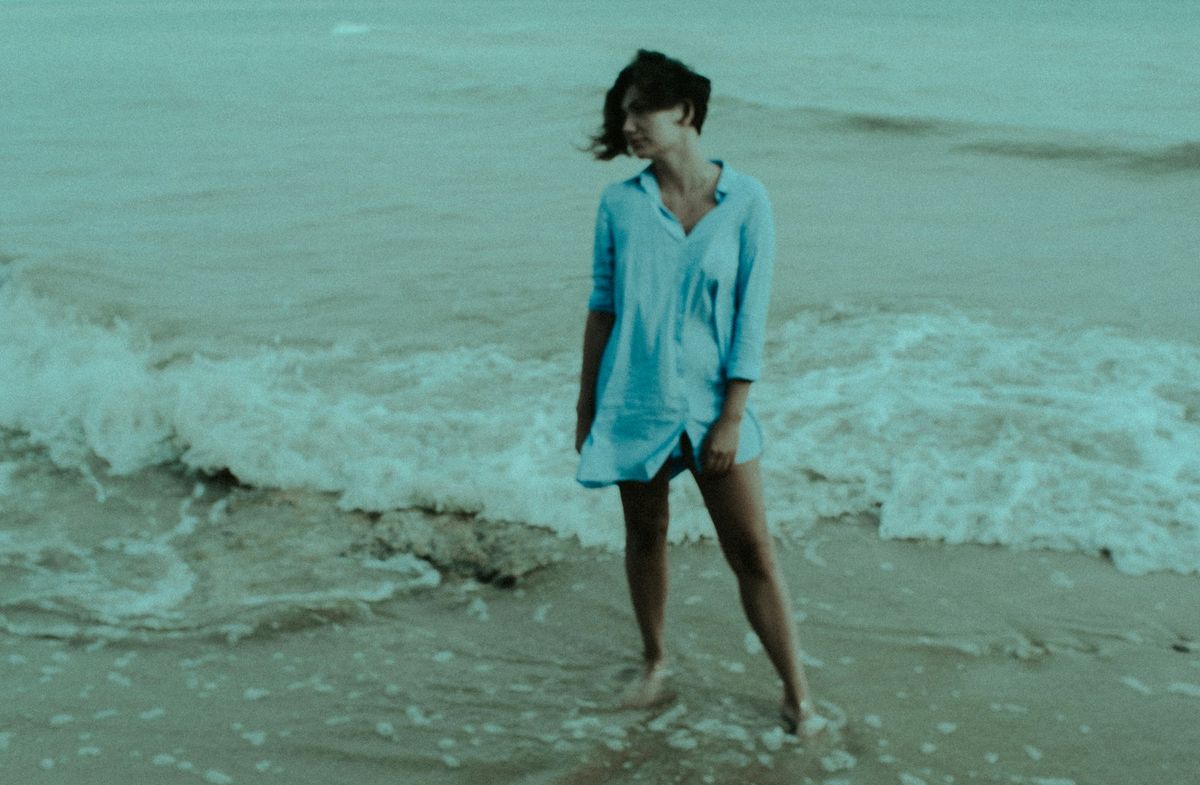
If you only own one swim cover up, make it this. An oversized linen shirt — usually 2–3 sizes larger than your normal fit — works on every body, layers over every swimsuit, and packs flat. Roll the cuffs, leave it open over a bikini, or button two middle buttons and belt it as a mini-dress. Beige, white, and rust are the colors getting the most play this year; bold prints date faster.
Look for a relaxed shoulder, a hem that hits mid-thigh, and a slightly heavier linen weight (around 4–5 oz). Anything too sheer becomes a problem in wind, and anything too crisp will get hot. Avoid stiff cotton poplin — it doesn’t drape over a wet swimsuit nicely.
2. The Classic Beach Kaftan
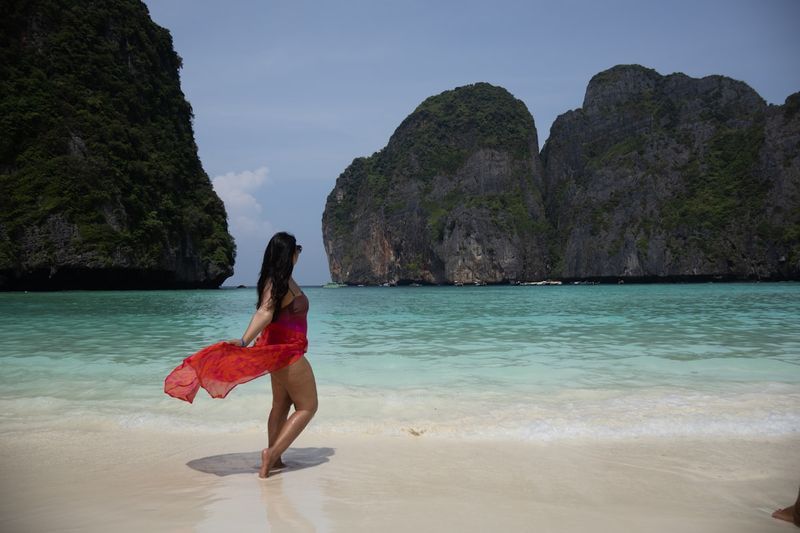
The kaftan is the cover-up with the longest receipts — Egyptian queens wore versions of it 3,000 years ago, and the silhouette still works because it ignores fit. A real kaftan skims rather than clings, which is exactly the property you want over a damp swimsuit. The 2026 update is shorter (mini and midi are dominating) and louder in print — think watercolor florals, marbled blues, and 1970s geometrics.
The trap with kaftans is buying one that’s basically a tent. You want some shape — usually a tied waist, a V-neck, or fluttered sleeves — so it reads “dress” rather than “bedsheet.” A drawstring waist is forgiving and adjusts when you’ve eaten too much ceviche at lunch.
3. The Printed Sarong Wrap
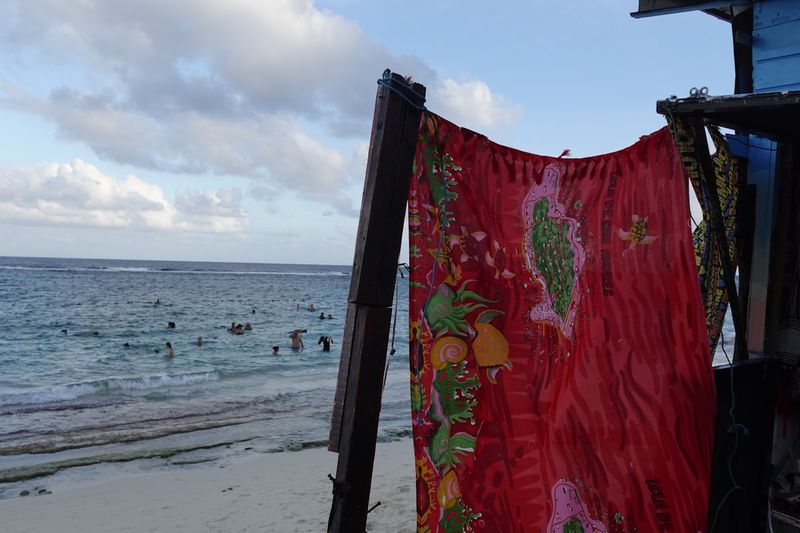
A sarong is a single rectangle of fabric, usually around 70″ x 45″, that becomes about 14 different cover-ups depending on how you tie it. Around the hips as a skirt. Across the chest as a strapless dress. Knotted at one shoulder for an asymmetric look. Folded over as a beach towel substitute. There’s a reason every beach vendor from Bali to Tulum sells them — they’re the most efficient piece in your bag.
Buy locally if you can. The hand-blocked prints from Bali, the batiks from Yogyakarta, and the indigo-dyed sarongs from Mali run circles around mass-produced versions in both fabric weight and pattern integrity. If you’re shopping online, lightweight rayon or cotton voile drape best — heavier weaves get clammy when wet.
For a full styling breakdown, our sarong styling guide walks through 10 different ways to wear one, from beach to dinner.
4. The Crochet Mini Dress
Crochet had a moment in 2022, took a year off, and came back loud. The 2026 version is denser (less skin showing through), often paired with a slip lining, and built in macramé patterns that look intentional rather than craft-fair. Picking the right one comes down to one rule: the crochet stitches should be tight at the bust and looser at the hem. Reverse the gradient and it pulls weirdly.
Cream and white still dominate, but earth tones — terracotta, sage, butter yellow — are gaining ground on Instagram-driven brands. Crochet doesn’t love saltwater (the fibers stretch when wet), so this is a “wear from villa to bar” piece, not something you swim in.
5. The Sheer Mesh Throw-On
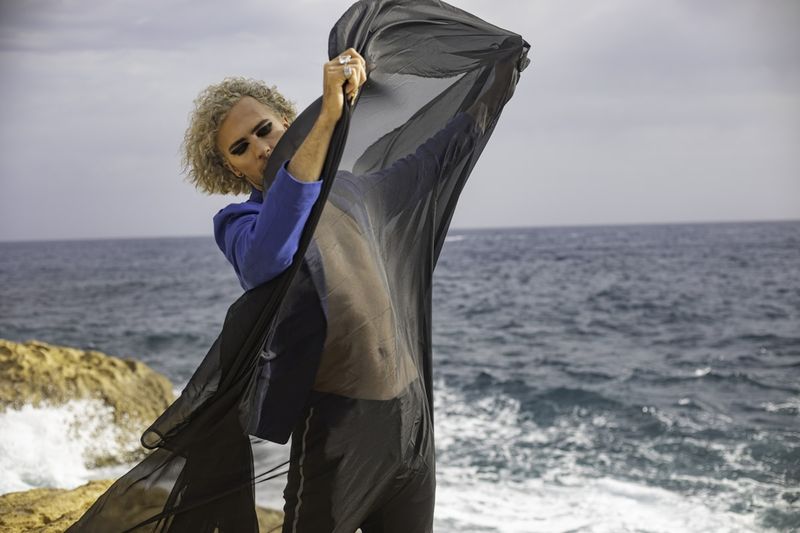
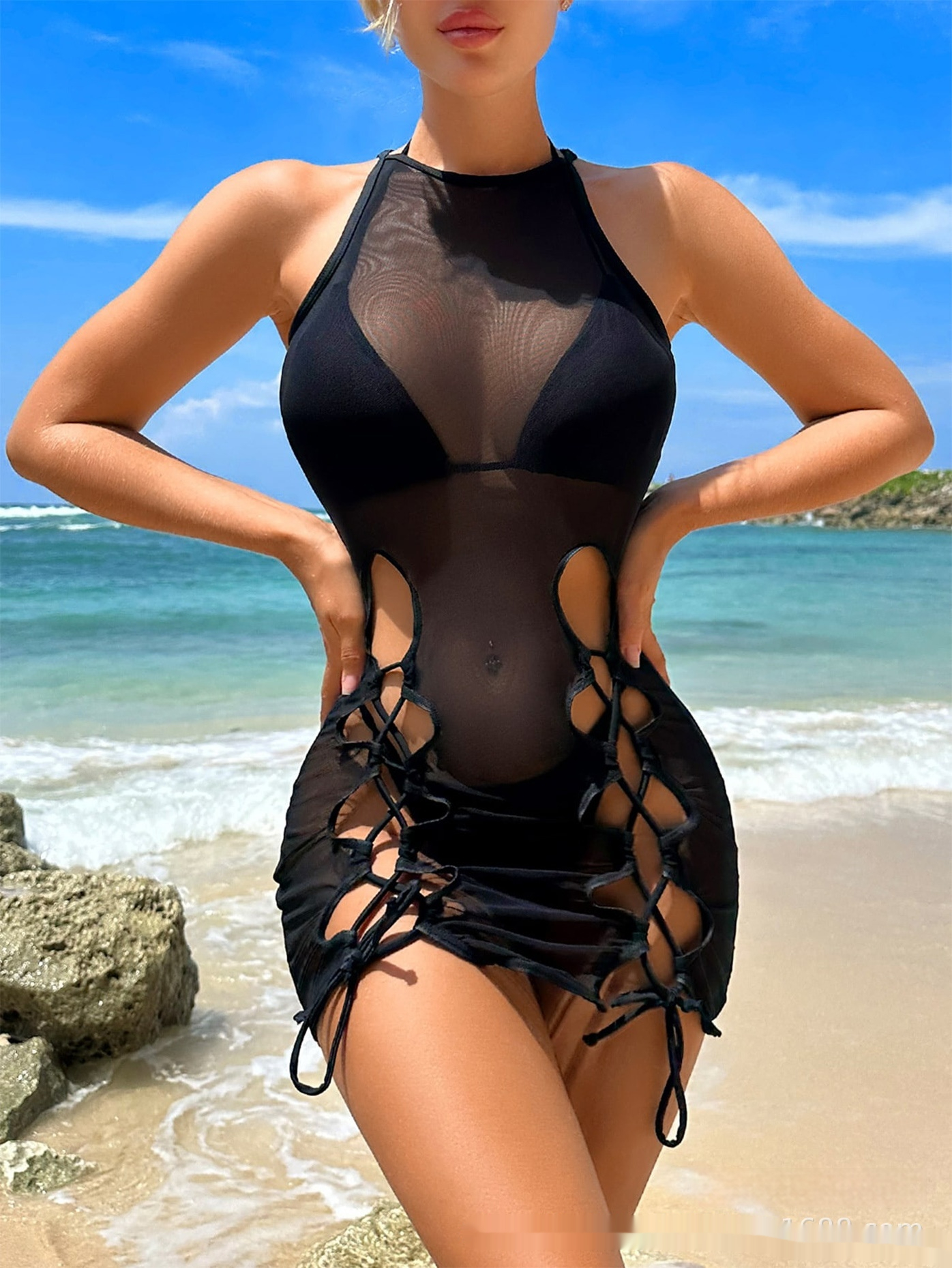
Mesh and tulle cover-ups split opinion. Critics say they don’t really “cover,” and they’re right — but that misses the point. A sheer mesh layer adds movement and a styled silhouette over a swimsuit without adding heat, which is the whole game in 90°F humidity. Black mesh is the most versatile because it reads “outfit” rather than “lingerie.” Pastels and ombrés have grown popular but harder to pull off.
If you want sheer without the see-through commitment, look for power mesh or jersey-knit overlays that have a stretch component. They’re more flattering than woven tulle and forgive a damp swimsuit underneath. Avoid anything labeled “fishnet” unless you’re committing to a specific aesthetic — it puckers at the seams after one wash.
6. The Beach Kimono
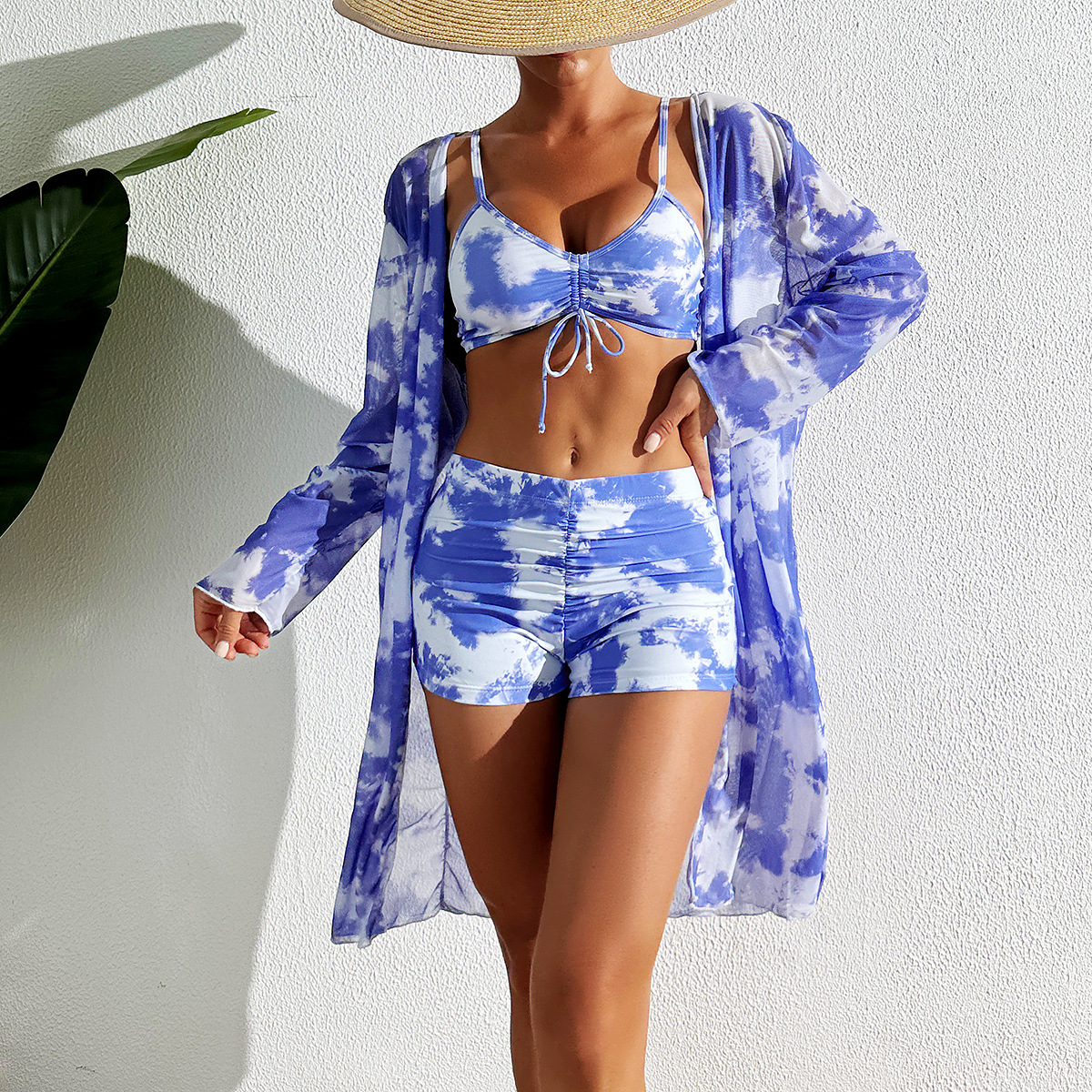
The beach kimono is the lazy person’s perfect cover-up. Slip it on, tie a loose knot at the front, done. The cut is open down the front with kimono-style wide sleeves, and the right one floats around you in the lightest breeze. Long versions (ankle-length) are having a moment again, and they double as a dress at dinner if the fabric is nice enough.
Watch the sleeve length. Standard “wide” sleeves are around 12 inches; bell sleeves can reach 18 inches and they will drag through your margarita. The compromise — a wide three-quarter sleeve — is the most practical for actual beach use. Rayon and cotton-blend voile drape better than polyester; polyester reads cheap and traps body heat.
7. The Maxi Shirt Dress
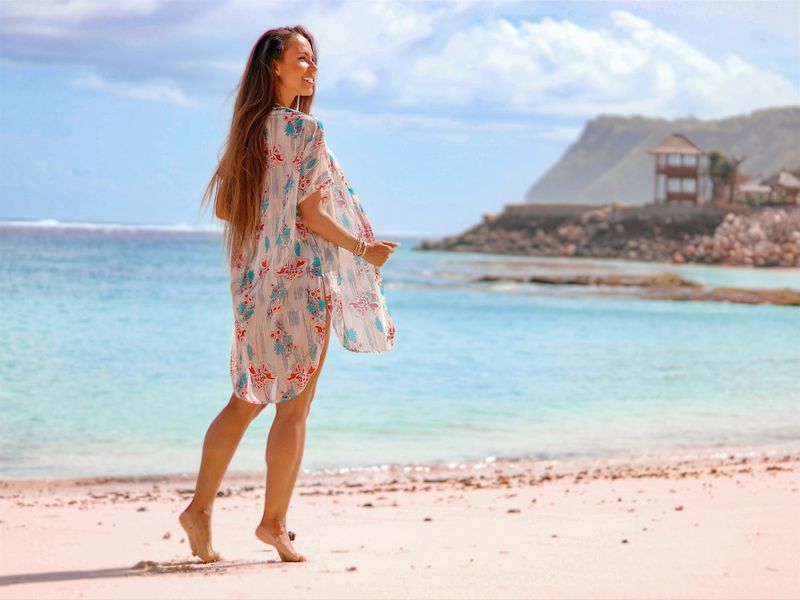
The shirt dress is what you wear when the cover-up needs to also be lunch. A floor-grazing button-down in cotton voile or rayon hits the sweet spot — relaxed enough to throw over a swimsuit, structured enough to walk into a beachfront restaurant without feeling underdressed. Slits up the side make it walkable; collar and cuffs make it look pulled-together.
Color is doing most of the work in 2026. Crisp white still dominates resort photography, but butter yellow, dusty pink, and ocean-blue are showing up across the editorial racks. If you live in heat, stick to natural fibers — synthetic shirt dresses don’t breathe and you’ll regret the choice by noon.
For the broader “swim to street” conversation, our beach to bar transition guide covers shoes, accessories, and the styling rules that let one piece pull double duty.
8. The Matching Set (Top + Flowy Bottom)
Matching sets — usually a relaxed button-down or tunic paired with wide-leg pants or a flowy short — were the breakout cover-up category in 2025 and they’re not going anywhere. Sydney Sweeney wore one across a viral resort shoot last summer; Aerie and Cupshe followed with their own runs. The reason it works: you’ve solved the whole outfit decision before leaving the room.
The best ones come in lightweight cotton, terry cloth, or muslin. Terry is having a real comeback for cabana-style sets — it absorbs water, it ages well, and the texture photographs beautifully in direct sun. The catch is terry can run hot in tropical heat; cotton muslin sets are the more practical pick for actual swimming weather.
9. The UPF Sun Shirt
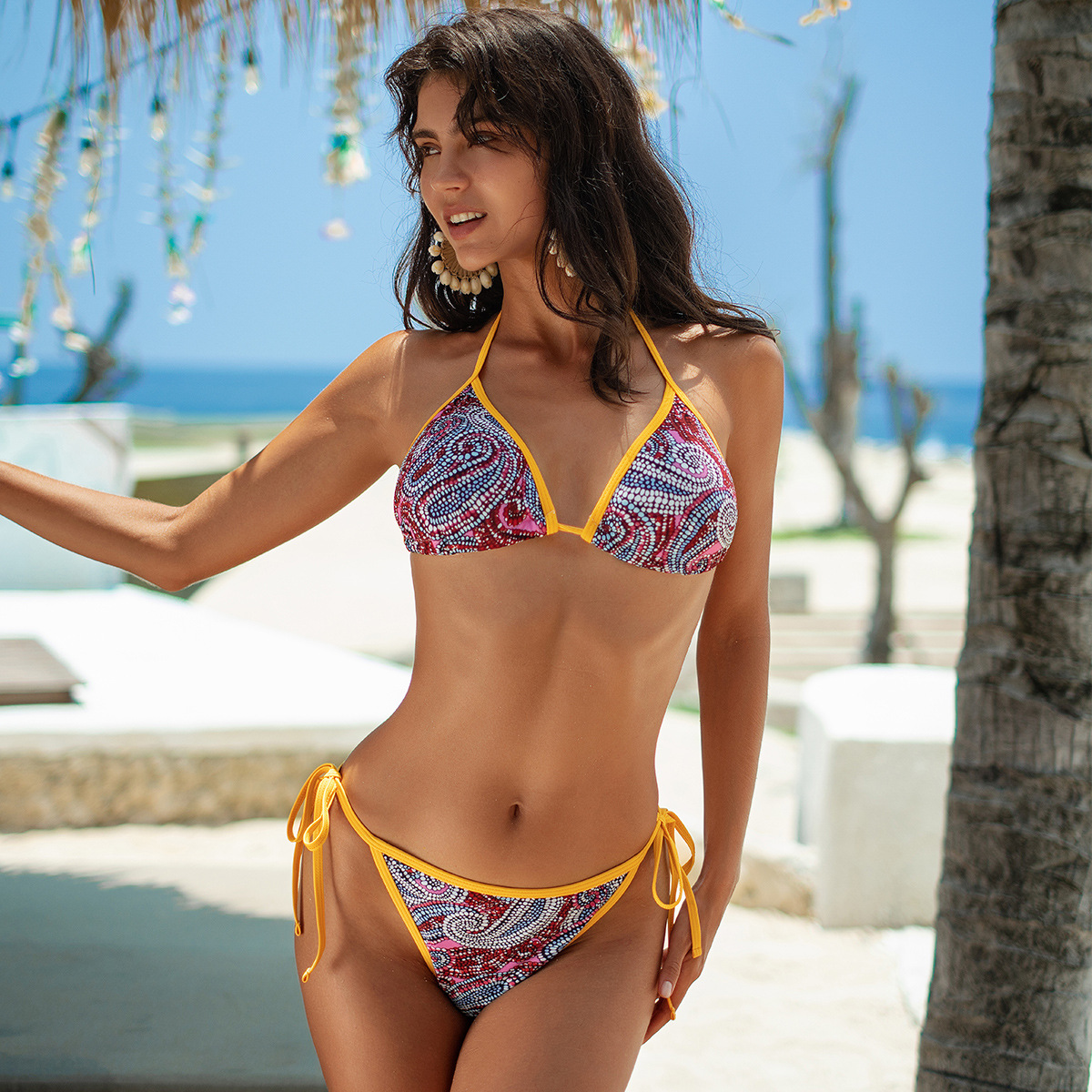
The unsexy entry on this list and the one your dermatologist will thank you for. UPF-rated swim shirts and long-sleeve rash guards have come a long way from the surfer-bro silhouettes of a decade ago. Brands like Coolibar, Solbari, and Athleta now make rated cover-ups that look like everyday tunics — the protection is built into the weave, not slapped on as a coating that washes out.
If you spend more than two hours on the water, this is non-negotiable. The American Cancer Society points out that UV reflects off sand and water, so even a wide-brim hat can’t fully shield arms and chest. A UPF 50+ shirt blocks roughly 98% of UV rays — a level no SPF lotion sustains across a full beach day.
How to Pick the Right One for Your Body
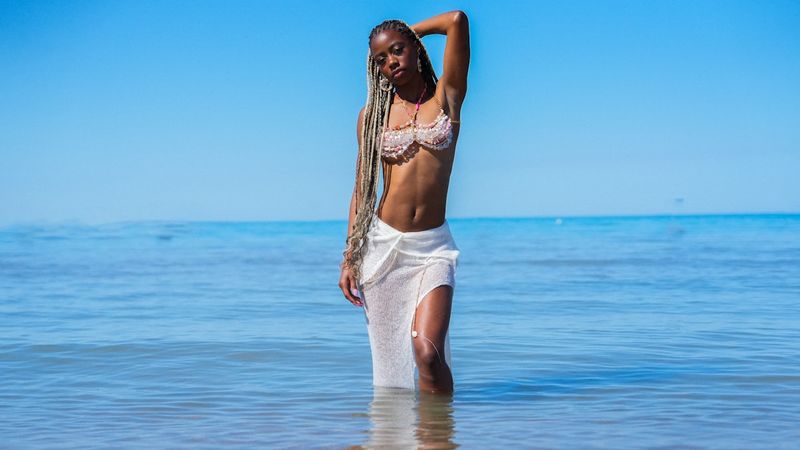
Forget the body-shape-as-fruit charts. They’re a marketing carryover from the 1990s and they don’t help. What actually matters is where you want the cover-up to fall, how much movement you want, and whether you’re using it for sun protection, styling, or modesty.
If you want to draw the eye up: pick something with a strong neckline — a deep V, a halter cut, a wide square neck. If you want to elongate, vertical button plackets and side slits do the work. If you’re aiming for the most flattering middle ground regardless of body type, an oversized linen shirt belted at the natural waist solves it 80% of the time.
The mistake most people make is sizing down. Cover-ups should always run loose enough to layer cleanly over wet swimwear without clinging. If you’re between sizes, size up — every time.
Fabric Guide: What Actually Breathes
Fabric matters more than cut once you’re at 32°C with 70% humidity. The hierarchy, roughly: cotton voile and linen at the top, rayon and viscose blends in the middle, polyester and acetate at the bottom. Polyester traps heat and odor; you’ll smell it after one warm day. Rayon drapes beautifully but pulls when wet.
Terry cloth is a special case. It absorbs water and feels heavy after swimming, which sounds bad but works in its favor — you towel off as you walk to the bar. Terry sets are dominating resort wear racks for exactly this reason. Just don’t pack a terry cover-up for a humid jungle trek; it never dries.
Where to Wear What
Beach club or pool day: matching set, shirt dress, or oversized linen button-down. Anything you can sit down in without exposing a chair-print on your thighs.
Boat day: UPF sun shirt, full stop. You’ll be in direct sun for hours, often without shade, and the wind chill is deceptive. Pack a kaftan or kimono for layering when you anchor.
Resort dinner: maxi shirt dress, beach kimono in silk or rayon, or a crochet midi. You want something that reads “dress” and lets you skip the costume-change between drinks and entrée. Our resort wear guide breaks down the full 7-day packing capsule that makes this work without overpacking.
Day-to-evening transitions: shirt dress and matching set are the two strongest plays. Swap flip-flops for a flat sandal, add a layered necklace, and you’ve cleared the dress code at every beach restaurant short of the Michelin set.
Packing: How Many Cover-Ups Per Week
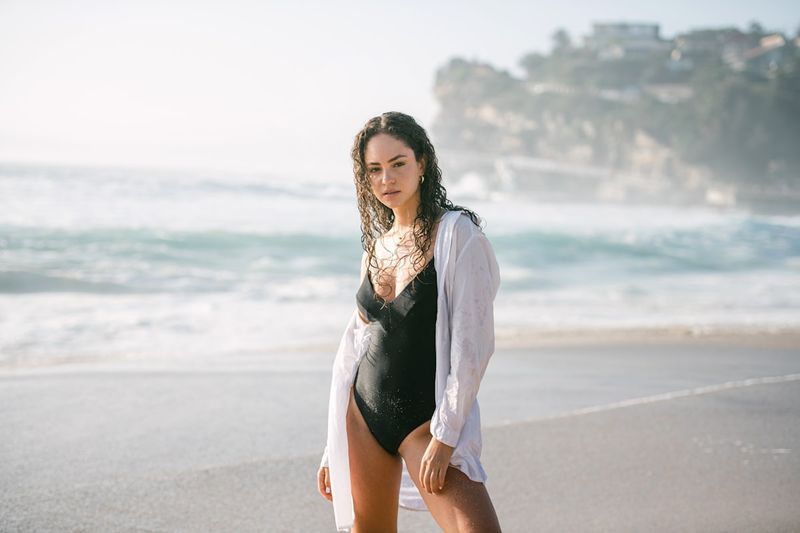
The two-cover-up rule works for most trips: one “wet” cover-up that can take saltwater and chlorine (linen shirt, sarong, mesh throw-on) and one “dry” cover-up reserved for dinners and walks (kaftan, shirt dress, kimono). Anything more than seven days at the beach, add a UPF shirt and a matching set.
The single best space-saver is the sarong — it weighs nothing, packs into a fist-sized roll, and converts into roughly four different outfits. The single biggest overpack is the linen shirt; you only need one, not three in different colors. Stick to a tight palette and you’ll cut your beach-trip suitcase in half.
Watch the Trend, Skip the Fad
Cover-ups draw real trend cycles for a category that sees you 6 weeks a year. Watch Busbee Style’s cover-up dress breakdown if you want a feel for what’s working in 2026; her takes on fit and fabric translate well to actual closets.
What dates fastest: anything heavily branded, anything in a 2024-specific Pantone color, anything labeled “Y2K” or “coastal grandmother.” What lasts: white linen, neutral kaftans, well-cut sarongs in solid colors, and a single great matching set in a tone that flatters your skin. Buy two pieces well rather than five pieces cheap, and your beach wardrobe will outlast three trend cycles.
One Cover-Up That Earns Its Spot
If your packing list is already overflowing and you can only squeeze in one new swim cover up this summer, make it the oversized linen button-down in a neutral color. It works on every body. It transitions from sand to bar without a costume change. It packs flat. And in five years it’ll still look exactly right — which is more than the rest of this list can promise.
Sources
- Skin Cancer Foundation — Sun-Protective Clothing — UPF rating guide and how everyday clothing compares to dedicated sun shirts.
- American Cancer Society — UV Protection — UV reflection on sand and water, layered defense recommendations.
- Who What Wear — Best Beachwear 2026 — Editor picks across cover-up categories and trend forecast for the season.
- Busbee Style — Swim Cover-Up Dress 2026 — Styling breakdown and fit notes from a long-running fashion vlogger.
Shop our full range of bikinis and swimwear at the BikiniCool store →