Crochet Bikini Top: 9 Styles With Real Coverage in 2026
The first crochet bikini top hit a beach in 1971 — and forty-five years later it’s still the swimwear style buyers second-guess the most. Search any forum and the question is the same: is this crochet bikini top see-through? The honest answer: some are, most don’t have to be, and the difference comes down to lining, weave density, and color choice. The nine crochet bikini top styles below are picked specifically for real-world coverage — the kind you can actually walk down the boardwalk in without a wrap.
Crochet swimwear sales jumped roughly 38% year over year on Lyst's 2025 trend report, the steepest gain of any single swim category. Y2K nostalgia is doing the heavy lifting, but the buyers driving repeat purchases aren't the ones who want the most exposure — they're the ones who finally found a crochet bikini top that doesn't require them to think twice when the water gets cold.
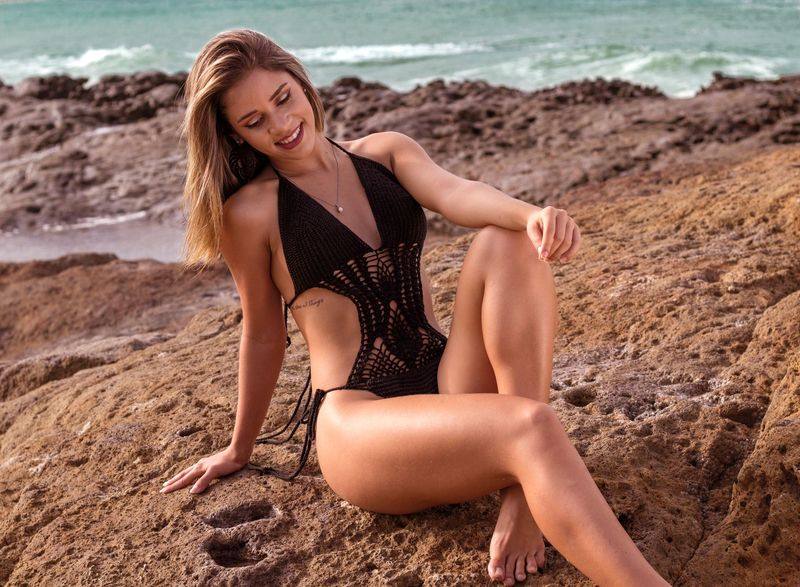
A dense black weave shows almost nothing through it — the easiest coverage win.
Why "See-Through" Is the #1 Worry With a Crochet Bikini Top
Open weave is the whole appeal of the crochet bikini top. It's also the entire problem. A loose stitch lets light, water, and (yes) skin tone pass through in a way that solid Lycra never does. The good news: lining is a near-universal fix, and most reputable swim brands now line their crochet tops by default. The bad news: cheap copies skip the lining to cut costs, and they're the ones flooding fast-fashion sites at $9 a set.
Two things determine whether a crochet bikini top will give you real coverage. First, the weave density — count the visible holes per square inch in the product photos and aim for tight, evenly spaced stitches rather than wide open lattice. Second, the lining layer — opaque jersey or nylon-spandex behind the crochet, ideally seamed into the cups rather than tacked at the edges. If the listing doesn't mention lining, assume there isn't one.
9 Crochet Bikini Top Styles That Actually Cover You
Coverage doesn't mean boring. Every style below leans into the texture and detail crochet is loved for — just without the wardrobe-malfunction math.
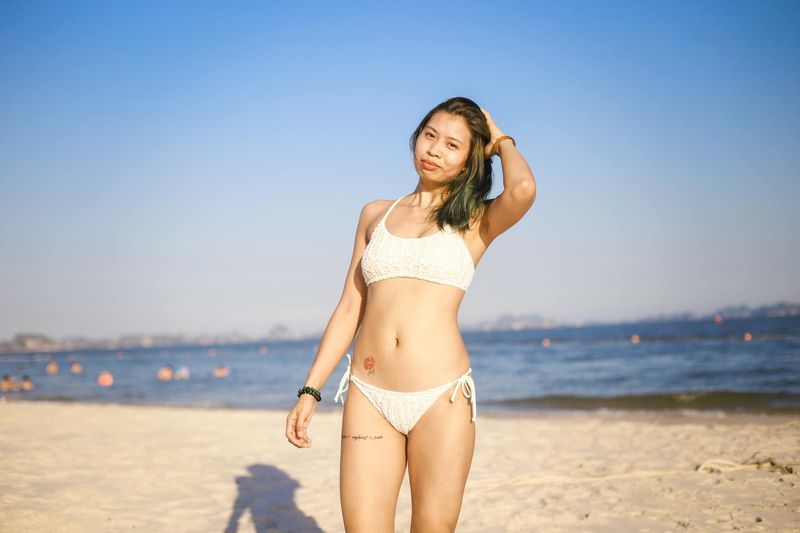
Dense bralette stitching with a full inner lining — the safest crochet pick.
1. Lined Crochet Bralette
The bralette cut is the bestseller of crochet for a reason: it covers more skin than a triangle, the wider straps spread weight, and the tighter knit pattern that bralettes typically use sits naturally against the body. A fully lined version is the safest entry point if you're crochet-curious but coverage-cautious.
2. Double-Layer Crochet Halter
A double-layer halter uses two crochet panels stitched together rather than relying on synthetic lining. The result is texture front and back, no contrast lining peeking through, and a noticeably more structured shape. It costs more — usually $65 to $95 versus $30 to $50 for single-layer — and it's worth it if you swim aggressively rather than pose.
3. Padded Crochet Cup Top
Removable pads do two jobs: they add shape, and they act as a second coverage barrier on top of the lining. Almost every padded crochet top from Cupshe, ZAFUL, and SHEIN's mid-tier collections includes them. If you don't want the padding, pull it out — but keep the pocket as a backup lining layer.
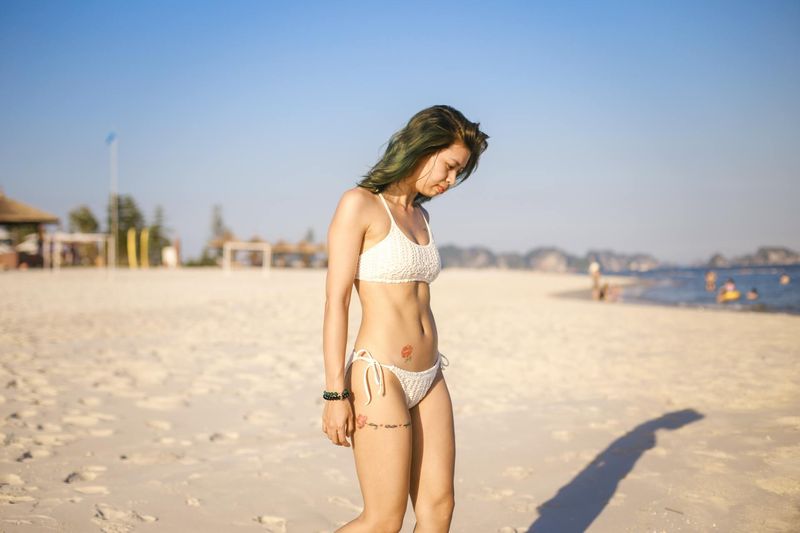
A wider strap and dense knit do most of the coverage work — pads are bonus.
4. Underwire Crochet Top
Underwire feels counterintuitive on a crochet piece — the whole point is loose texture — but the wire gives bust-forward bodies a coverage and support combo that no triangle tie can match. Triangle styles have their place, but if you wear a D-cup or above and want to stop checking your top every fifteen minutes, an underwire crochet is the move.
5. Solid-Knit Bandeau
A bandeau in a dense, almost knit-fabric crochet pattern looks like nothing else on the beach. The horizontal cut hides almost as much skin as a tankini at the back, and the solid stitch density means even unlined versions read opaque. If you like a strapless silhouette, this is the crochet form that delivers. For a deeper dive on the silhouette, the bandeau bikini styling guide covers the rest of the fit.
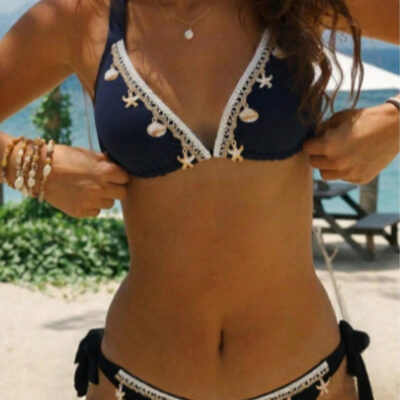
6. High-Neck Crochet Top
A high-neck cut shaves about three inches of exposed décolleté off a standard bralette. Combined with a tight stitch pattern, it's the closest crochet gets to a sports-bra silhouette. High-necks photograph beautifully against tan lines and pair especially well with high-waisted bottoms when you want a more retro look.
7. Wrap-Front Crochet Top
A wrap-front uses two overlapping crochet panels at the bust, which means the most exposed point of the design (the cleavage line) gets twice the fabric coverage. It's also the easiest crochet style to size up or down without losing fit — the wrap absorbs about two inches of variation before it stops sitting cleanly.
8. Long-Sleeve Crochet Crop
The long-sleeve crochet crop reads more festival than beach, but it covers shoulders and upper arms in a way no traditional bikini top can. It's the strongest sun-protection play in the crochet category, and on overcast or windy days it doubles as a layering piece you don't want to take off.
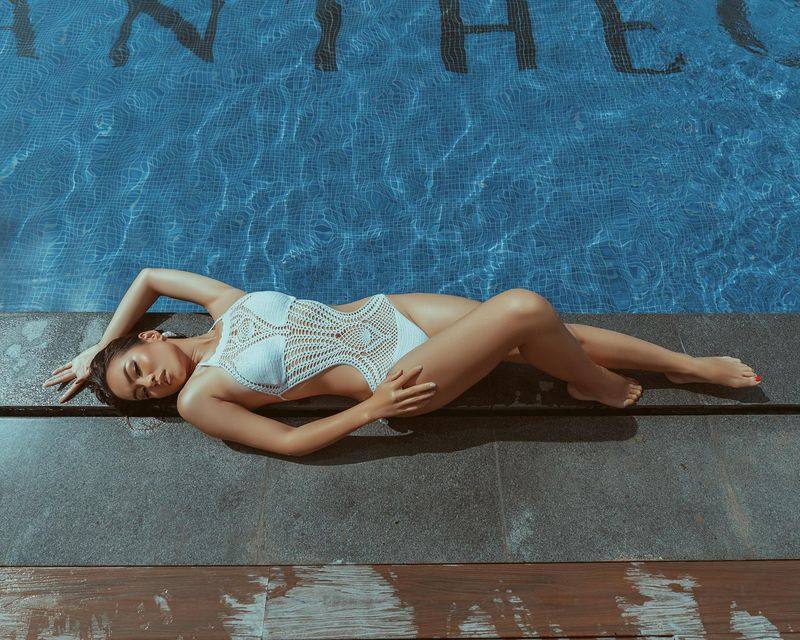
Open back, dense front weave — coverage where it matters, breathability everywhere else.
9. Color-Block Dense-Weave Top
A color-block crochet top sews dense weave panels in two or three contrasting tones — usually one dark band across the bust and a lighter band elsewhere. The dark panel does the visual coverage work; the lighter sections add the boho appeal. It's the closest crochet gets to wearing a print, without the print.
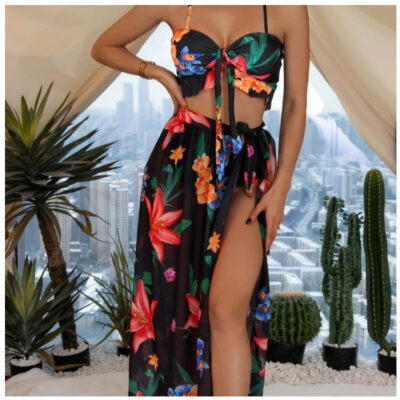
Color Choice Matters More Than You Think
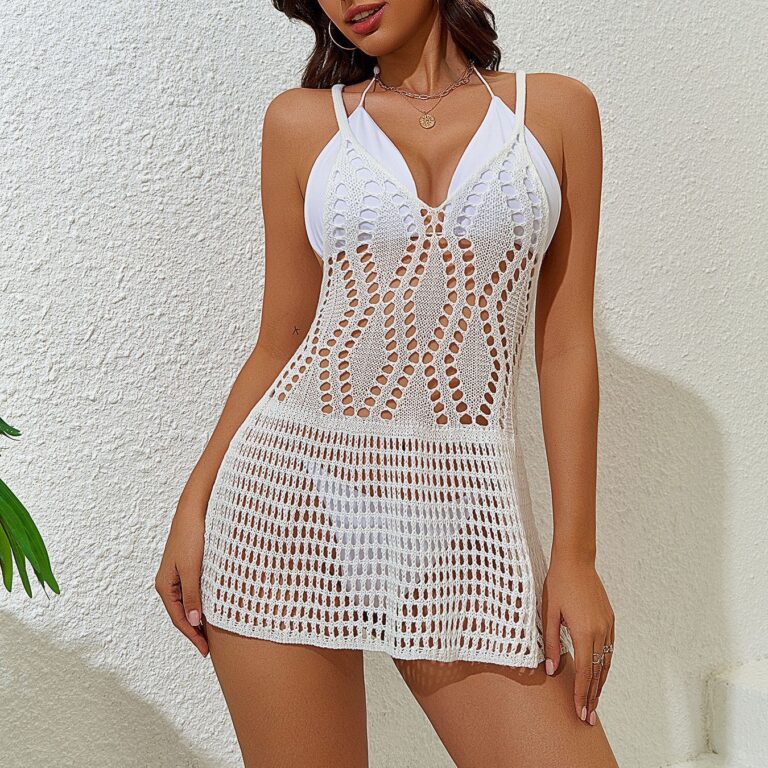
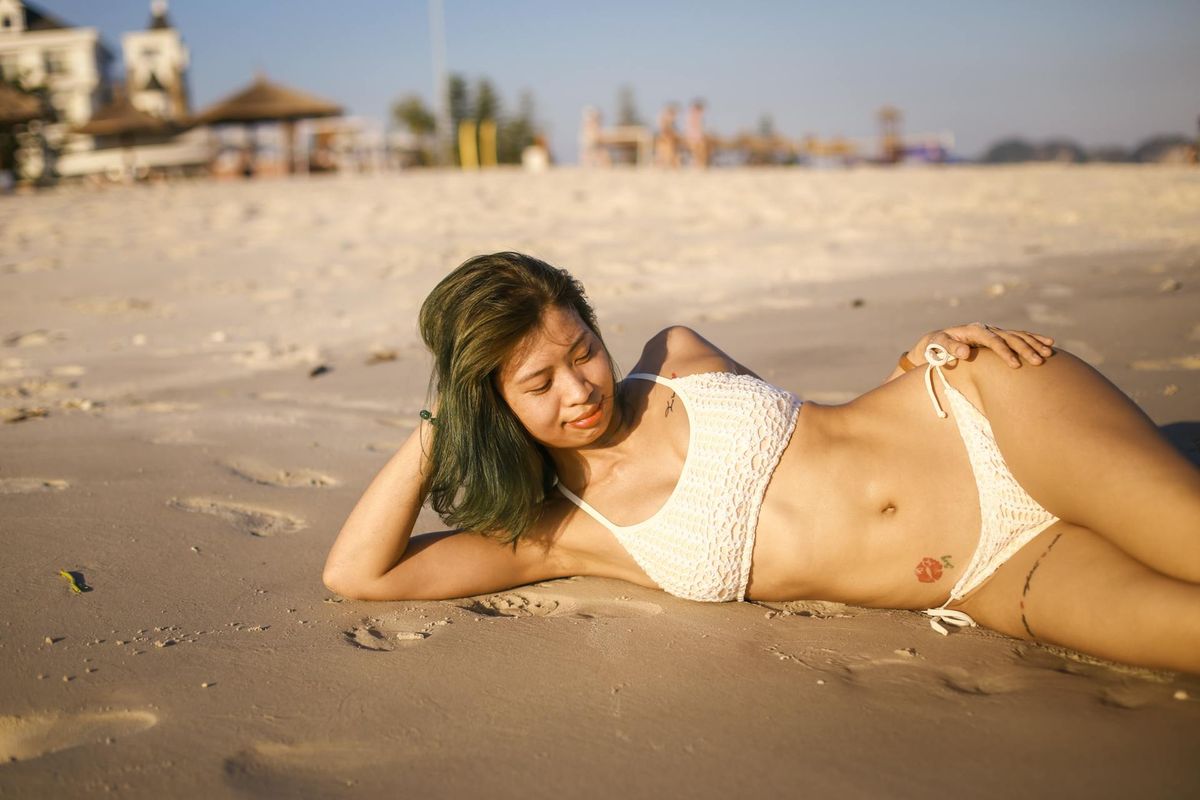
White crochet is the boho cliché — and the worst possible color for coverage. Wet white crochet against any skin tone reads almost transparent, especially in bright sunlight where the lining color shows through. If you want the white aesthetic, look for cream or ivory with a contrast-colored lining (nude, soft tan, or dusty pink) instead of white-on-white.
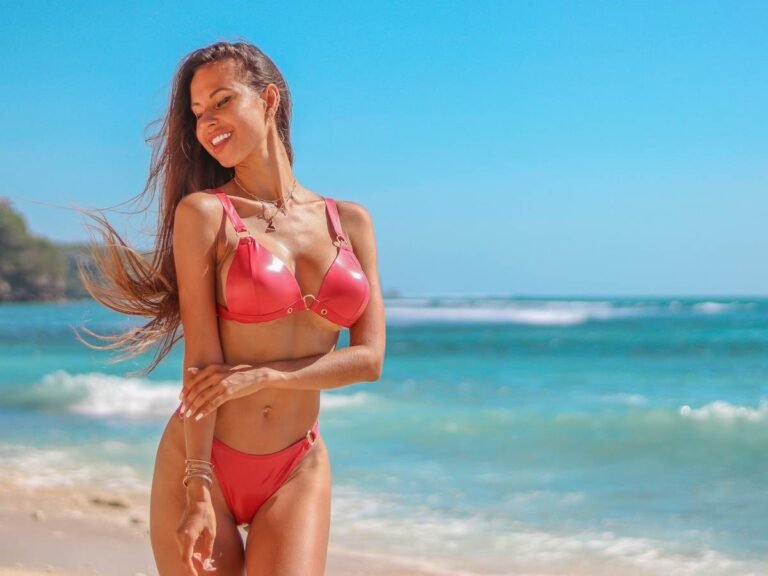
Black, deep navy, terracotta, and rust read most opaque both wet and dry. Bright reds and corals look strong in product photos but tend to show wetness more dramatically when they hit water — a quirk of how the dye interacts with backlight. Stick to mid-saturation tones if you plan to swim, not just pose.
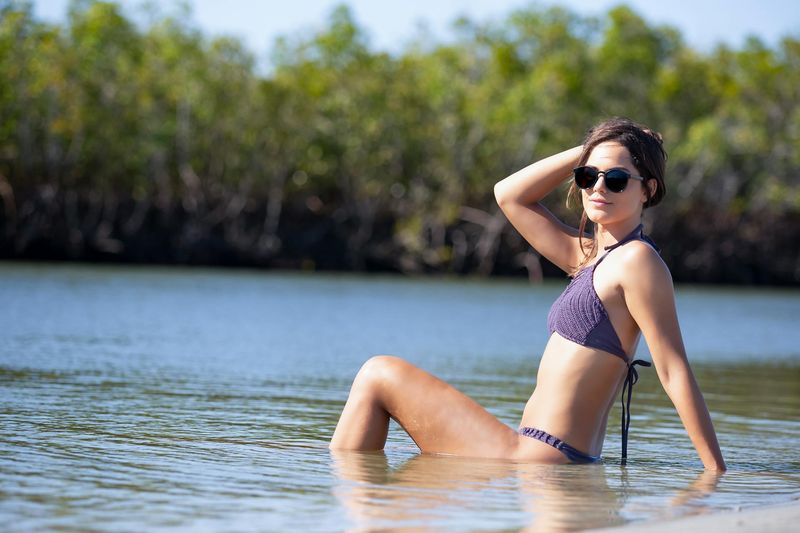
Mid-saturation tones like navy hold their coverage better than pale crochet when wet.
How to Spot a Well-Lined Crochet Top Before You Buy
Most retailers won't spell out lining quality. Use these visual checks on the product page before you click buy.
- Look at the inside-out shot. Reputable brands include a photo of the top reversed. Lining should cover the entire cup, not just the bust point.
- Check the model in water. If the only photos are dry studio shots, assume the brand is hiding wet-weight sag and translucency. Wet shots tell the truth.
- Read the fabric content for the lining specifically. Polyester-spandex blend or nylon-spandex blend > 100% polyester > unlined.
- Scan reviews for "see-through" or "sheer". One mention can mean a single mismatched buyer. Five mentions means the brand has a lining problem.
- Check the return policy on fit. Brands confident in their lining offer 30-day returns. Brands that aren't hide behind "final sale" on swim.
Watch: A Real Crochet Bikini Try-On Reality Check
For an honest look at how lined and unlined crochet tops behave in real light, this try-on haul covers the fit issues nobody mentions in product copy — including which brands lined what and which ones didn't bother.
Care That Keeps a Crochet Bikini Top in Shape
Crochet swimwear is more delicate than standard Lycra and rewards a gentler routine. After every swim, rinse the top in cool fresh water within the hour — chlorine and salt do most of their damage in the first 24 hours, and crochet stitching loses elasticity faster than woven fabric when it dries with chemicals still in the fibers. Hand-wash in cold water with mild detergent. Never wring it out — that's how the cup shape gets permanently distorted. Roll it flat in a towel to press water out, then dry flat away from direct sun.
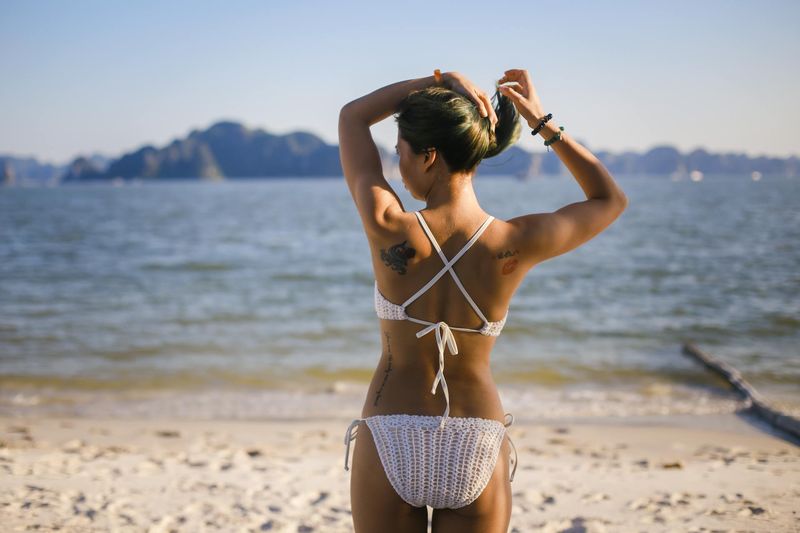
Tie-back versions stay in shape longer when you hand-wash and dry flat.
Storage is the part most people get wrong. Crochet stretches under its own weight on hangers. Fold flat, stack with the cups facing up so the shape stays defined, and keep away from anything with hooks or velcro — both will snag the open stitches in seconds. A small lingerie bag in your drawer prolongs the cup structure noticeably.
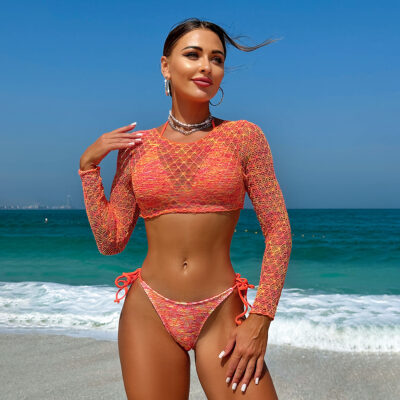
Pairing a Crochet Bikini Top With the Right Bottoms
A crochet top works hardest when the bottom doesn't fight it for visual texture. Solid-color bottoms in a coordinating tone — particularly high-waisted, ruched, or scrunch-back styles — let the top do the talking. Matched crochet sets photograph well in product shots but can look like a costume in person if every piece carries the same open weave.
For more on building the full coordinated look, the deeper crochet bikini 2026 boho styles roundup walks through complete set options. The short version: pick the top first, then the bottom that complements the texture rather than competes with it.
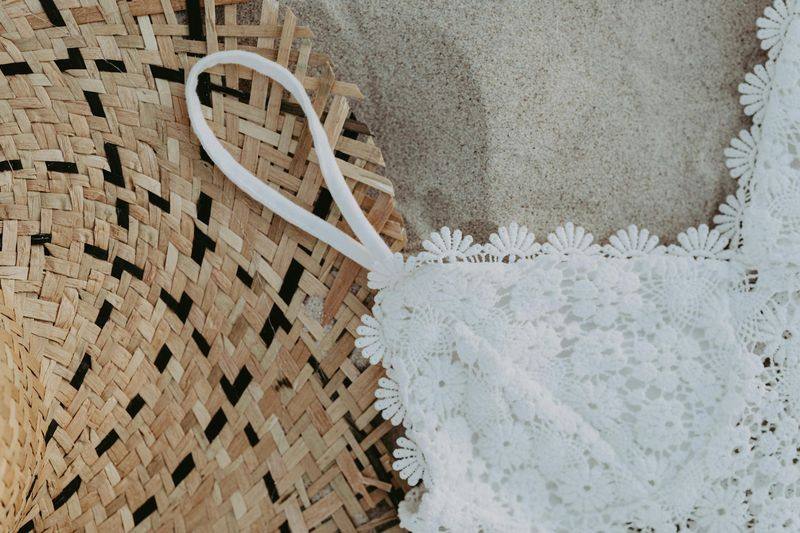
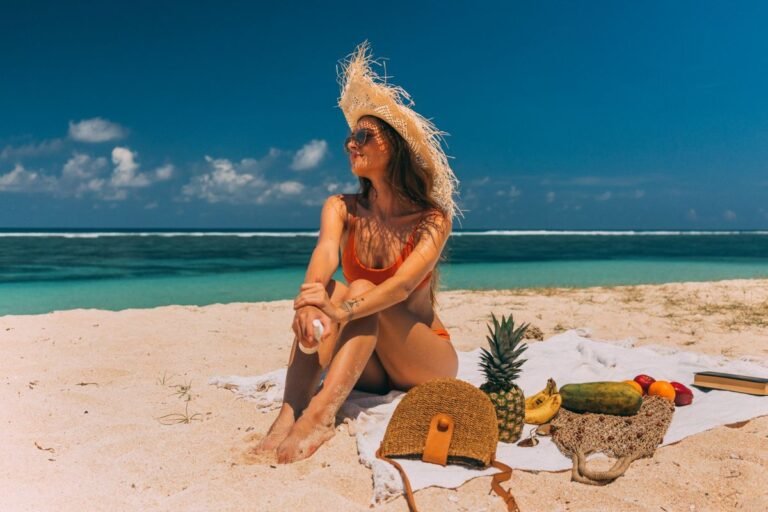
Pair texture with texture — a raffia hat next to a crochet top works visually.
Crochet Bikini Top Buying Quick-Reference
Three numbers tell you most of what you need before reading a single review. Stitch density — count the visible holes; under twenty per square inch reads opaque. Cup lining — fully seamed-in beats tacked beats none. Color tone — mid-to-dark beats white when wet.
The right crochet bikini top isn't the one that gets the most likes in product photos. It's the one you stop thinking about ten minutes after you've got it on — because the coverage is doing exactly what it's supposed to, and you're free to enjoy the beach instead of negotiating with your swimwear.
Sources
- Lyst Year-in-Fashion 2025 Trend Report — Crochet swim category growth data.
- Vogue: Y2K Fashion Trends Coming Back — Wider crochet revival context.
- Who What Wear: Swimwear Trends — Crochet bikini top buyer behavior.
- Refinery29: Best Swimwear of the Season — Lining quality and fit guidance.
Shop our full range of bikinis and swimwear at the BikiniCool store →