
How to Wash Bikinis Properly: Saltwater & Stain Rescue Guide
Your favorite bikini cost real money, and yet most of us spend more time picking it out than learning how to care for it. The reality is harsh: a few sloppy laundry decisions can turn a beautiful swimsuit into a stretched, faded shadow of itself in a single season. The good news? Washing bikinis the right way is genuinely simple — once you know what’s actually eating away at the fabric and how to neutralize it before it sets in. This guide breaks down a full rescue routine for the three biggest swimwear villains — saltwater, chlorine, and sunscreen — plus how to wash, dry and store your bikinis so they keep their color, stretch, and shape for seasons to come.
Why Bikinis Need Special Care (Hint: It’s Not Just the Water)
Most bikinis are made from blends of nylon, polyester, spandex and elastane — synthetic fabrics that look beautiful and dry fast, but absolutely hate three things: heat, chlorine, and oils. Chlorine breaks down elastane fibers. Salt crystallizes inside the weave and causes friction wear with every movement. Body oils, sunscreen and self-tanner stain pale fabrics and leave a film that traps bacteria. Standard laundry detergent is too harsh for these fabrics, and the spin cycle on most washing machines stretches the elastic out of shape.
Treat your bikini like a piece of fine lingerie, not a workout shirt, and you’ll get years out of it instead of months. The good news is none of this requires expensive products — it just requires the right habits.
The Golden Rule: Rinse Within an Hour
The single most important thing you can do for your swimwear is rinse it in cool fresh water as soon as possible after wearing — ideally within an hour. This isn’t optional and it isn’t overkill. Saltwater and chlorine actively damage fabric every minute they sit in the fibers. A quick rinse in the shower or hotel sink dissolves most of the salt and dilutes the chlorine before it can cause real harm. You don’t need detergent at this stage — just cool, clean water and a gentle squeeze.
If you can’t rinse right away — say you’re on a boat, traveling, or hours from a tap — at least keep your bikini damp in a sealed bag until you can. Dried-in saltwater is much harder to remove than fresh, and crystallized salt grinds at the fibers like sandpaper.
Saltwater Rescue: After Every Beach Day
Saltwater feels gentler than chlorine, but it’s quietly brutal on swimwear. As water evaporates, salt crystals form inside the fibers and grind against each other every time you move. Over time, this causes fading, stiffness, and tiny tears in the elastic — even on suits that look perfectly fine to the eye.
To rescue a bikini after a beach day:
- Rinse in cool fresh water for 30 seconds, gently squeezing the fabric.
- Fill a sink with cool water and a teaspoon of mild swimwear wash or baby shampoo.
- Soak for 15 minutes — no agitation, no scrubbing.
- Rinse again until the water runs completely clear.
- Press out water with a clean towel — never wring — and lay flat to dry.
That’s it. Five minutes of care after every beach day, and your bikini will reward you with seasons of beautiful wear.
Chlorine Defense: Pool Day Recovery
Chlorine is far harsher than salt. It bleaches color, destroys elastane fibers, and leaves a chemical smell that ordinary water won’t rinse out. If you swim in pools regularly, your bikini’s lifespan can drop from years to weeks without a proper care routine.
A chlorine rescue routine that actually works:
- Rinse immediately in cool fresh water — do not wait for “later.”
- Soak for 30 minutes in cool water with a quarter cup of white vinegar (which neutralizes chlorine).
- Rinse thoroughly until the vinegar smell is gone.
- Wash with a small amount of mild detergent or swimwear wash.
- Lay flat to dry in shade — never direct sunlight, which compounds chlorine damage.
If a bikini still smells like chlorine after washing, repeat the vinegar soak. Vinegar is the single best chlorine neutralizer, it’s pennies cheap, and it won’t damage even the most delicate fabrics.

Sunscreen, Self-Tanner and Body Oil: The Sneaky Bikini Killer
Most people blame the pool or the ocean for ruining their swimwear when the real culprit is what they put on their skin. Sunscreens with avobenzone, mineral oils, and self-tanners leave yellow or orange stains that are nearly impossible to remove once set — especially on white, pastel, or light-colored bikinis.
The Pre-Soak Method for Oil Stains
- Mix one tablespoon of dish soap (the kind that cuts grease) into a bowl of cool water.
- Dab — never rub — the stained area with a soft cloth.
- Let sit for 10 minutes.
- Rinse and continue with your normal hand-wash.
For self-tanner stains, the same method works, but you may need a baking soda paste applied to the spot for 15 minutes before the dish soap step. The best protection, though, is prevention: apply sunscreen 15 minutes before putting your bikini on, so it absorbs into your skin instead of transferring straight onto fabric.
Hand-Washing Bikinis: The Step-by-Step
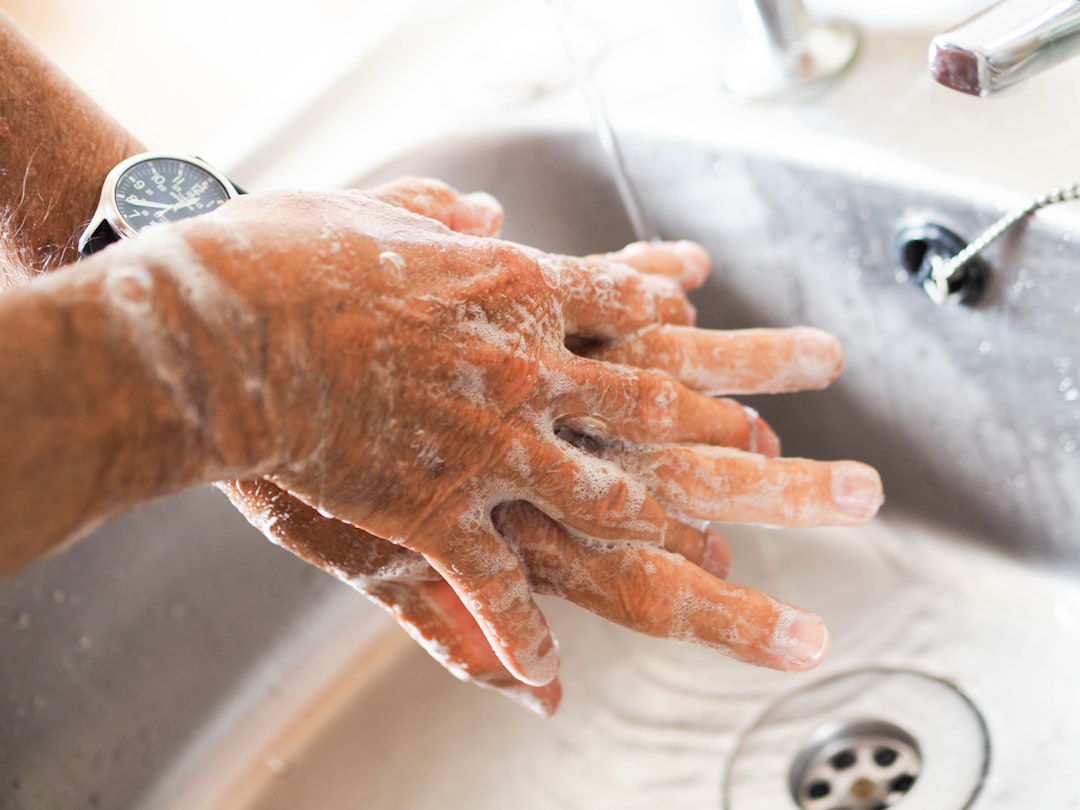
Hand-washing is non-negotiable for any bikini you want to last more than one season. It takes five minutes start to finish and saves you hundreds of dollars in replacement swimwear over a year.
- Fill a clean sink or basin with cool water — never warm or hot. Heat is what destroys elastane.
- Add a teaspoon of mild swimwear wash, baby shampoo, or wool-safe detergent. Avoid regular laundry detergent, fabric softeners and bleach.
- Submerge the bikini and gently swish for 30 seconds.
- Soak for 15 minutes.
- Rinse thoroughly in cool water until no suds remain.
- Press out water with a clean dry towel — do not wring or twist.
- Lay flat on a fresh towel and reshape gently while still damp.

When Machine Washing Is Okay (and How to Do It Right)
Sometimes hand-washing every bikini after every single wear isn’t realistic. If you must machine wash, follow these rules to minimize damage:
- Use a mesh laundry bag for every piece — never throw a bikini in loose.
- Cold water only.
- Delicates or hand-wash cycle.
- Mild detergent — no fabric softener, no bleach, no chlorine-based stain removers.
- Wash with similar colors only.
- Never include zippers, jeans or anything with hardware that could snag.
And skip the dryer entirely. Always. The combination of heat and tumble action is the single fastest way to destroy a bikini’s elastic and color in one cycle.
Drying Without Damage: Why Sunlight Is the Enemy
Here’s a counterintuitive truth: drying your bikini in direct sun often does more damage than the pool ever did. UV light breaks down dyes and weakens synthetic fibers, fading bright colors in just a handful of sessions.
The right way to dry a bikini:
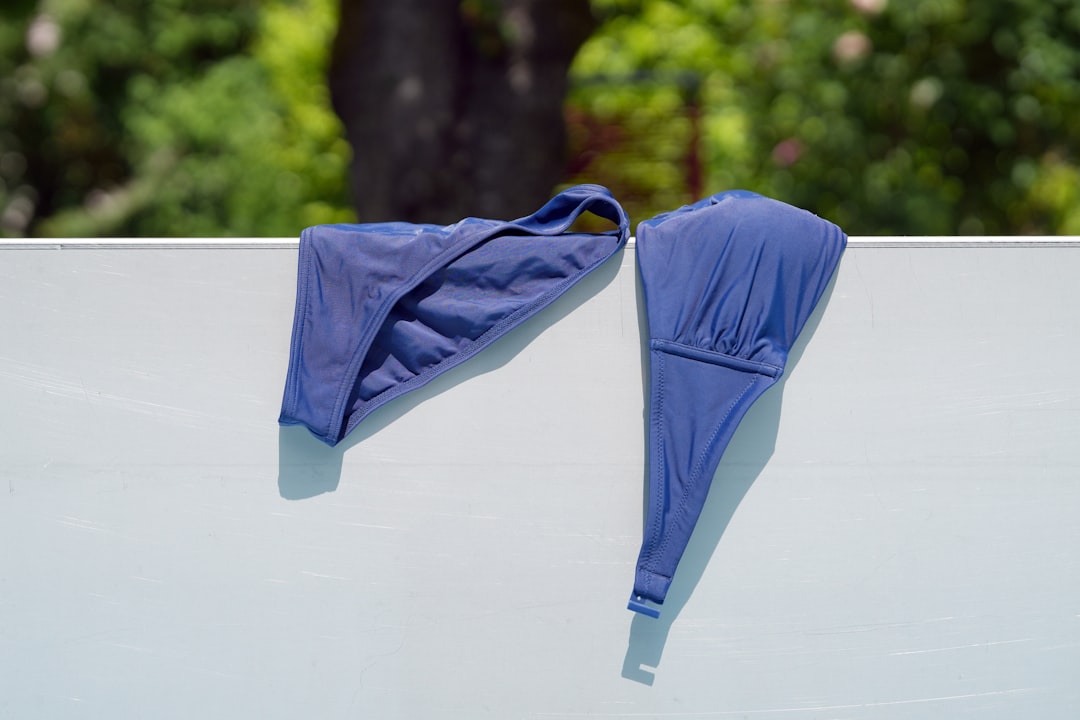
- Lay flat on a clean dry towel — never hang by the straps, which stretches them out permanently.
- Choose a shaded, well-ventilated spot — ideally indoors near an open window.
- Reshape gently while damp so cups, ties, and edges dry in their natural form.
- Allow 4-8 hours of air drying. No iron, no dryer, no heated towel rail.
Storage That Preserves Shape
Once your bikini is completely dry, how you store it matters more than people realize. Crumpled in a drawer with damp towels or other clutter, even a well-washed swimsuit will mildew or warp out of shape.
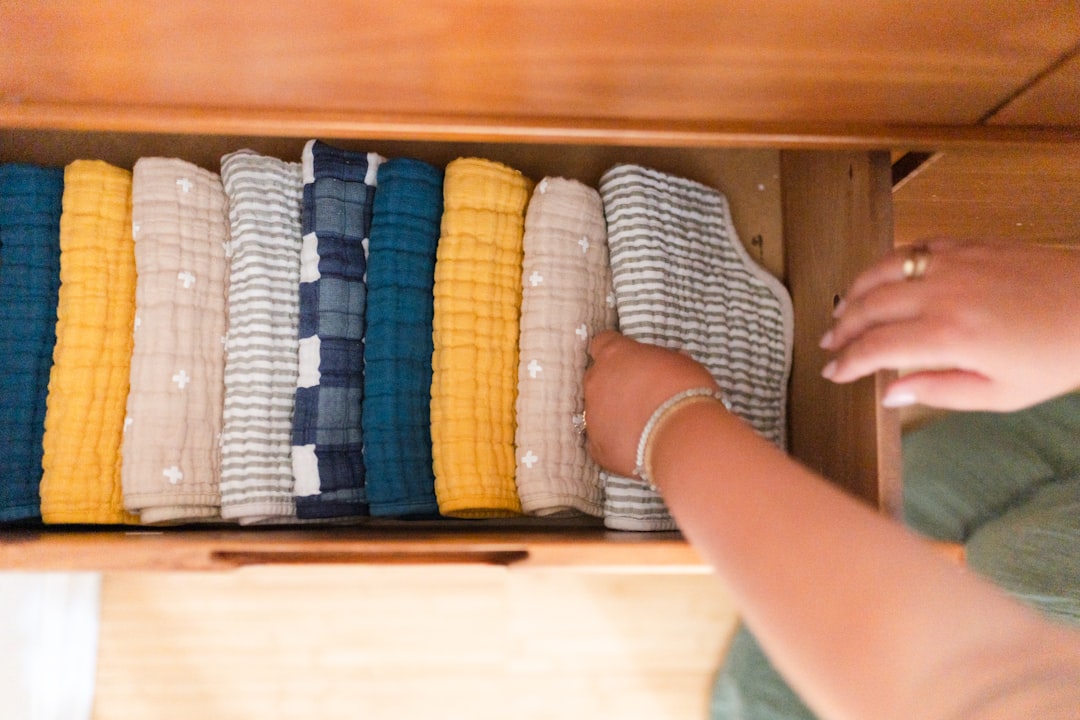
- Fold flat — never hang. Hangers stretch straps and elastic over time.
- Store in a cool, dry drawer with a sachet of lavender or cedar to repel moisture.
- Keep separated from rough fabrics like denim or sequined pieces that can snag delicate elastane.
- If traveling, pack bikinis in their own small mesh bag, not crushed at the bottom of a suitcase.

Common Mistakes That Shrink a Bikini’s Life
Even people who think they care for their swimwear properly often fall into these traps:
- Wearing a bikini in a hot tub. Heat plus chlorine equals destruction in a single session.
- Letting it sit wet in a beach bag overnight. Mildew sets in fast and is nearly impossible to remove.
- Using fabric softener. It coats the fibers, reduces stretch and traps oils.
- Wringing out water. This creates permanent creases and tears the elastic.
- Drying on a metal towel rail or radiator. Heat is fatal to elastane.
- Tossing it in the regular wash with jeans and zippers. Snags ruin the fabric in one cycle.
How Often Should You Actually Wash a Bikini?
The short answer: after every wear. The long answer: rinsing within an hour and giving a proper hand wash after every full-day use will extend your bikini’s life dramatically. If you’ve only worn it for an hour and didn’t sweat or swim much, a rinse-only treatment is enough — but never put a bikini back in the drawer without at least a freshwater rinse. Salt, chlorine and oils silently keep working even after the suit is dry.
Signs Your Bikini Is Past Its Prime
Even with perfect care, bikinis don’t last forever. Time to retire (or recycle) your swimwear when:
- The elastic stays stretched even when fully dry.
- Colors look visibly faded compared to when new.
- The fabric feels rough, brittle or “crunchy” to the touch.
- Pilling appears, especially on the inside lining.
- The fit feels loose or unsupported in places that used to be snug.
Your Bikini Deserves the Care You Give Your Skin
The same energy you put into picking out a flattering, feel-good swimsuit deserves to show up at the end of the day too. Bikinis are made to be loved — beach days, pool parties, vacation memories — but they’re not built to survive carelessness. Five minutes of gentle care after every wear means your favorite top still fits like new at the end of summer, the white set you splurged on still looks bright next year, and the bottoms that finally fit perfectly stay that way through every adventure.
You don’t need expensive products or complicated routines. You just need cool water, gentle soap, a soft towel, and a few habits that quickly become automatic. Your swimwear lasts longer, your wallet stays heavier, and your wardrobe stays full of pieces that make you feel amazing — exactly as it should be.
Sources
- Wikipedia — Swimsuit fabrics and history
- Good Housekeeping — Laundry care guides
- The Spruce — Fabric care library
Shop our full range of bikinis and swimwear at the BikiniCool store →