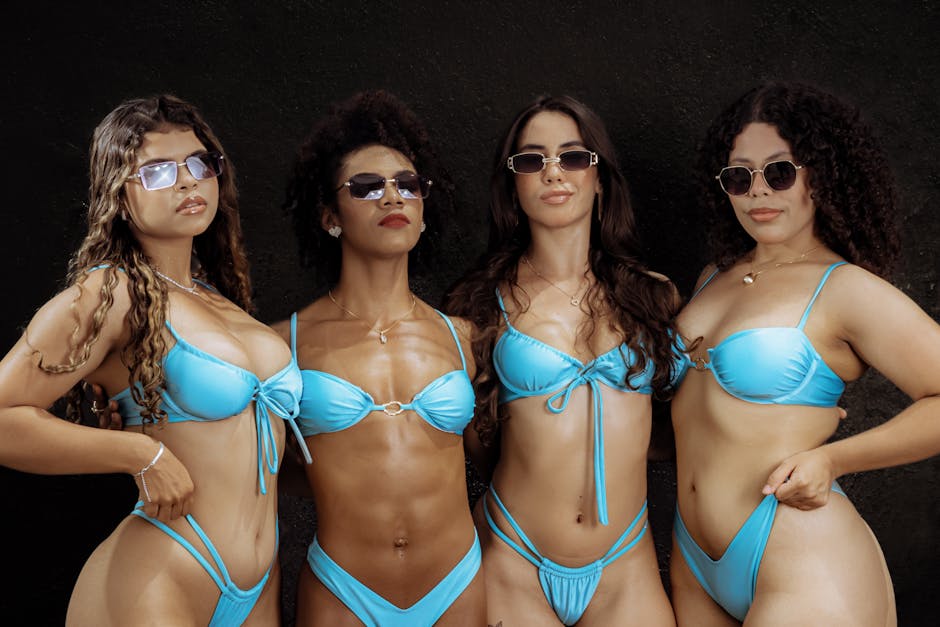
Designer vs Budget Bikinis: When the Price Tag Actually Matters
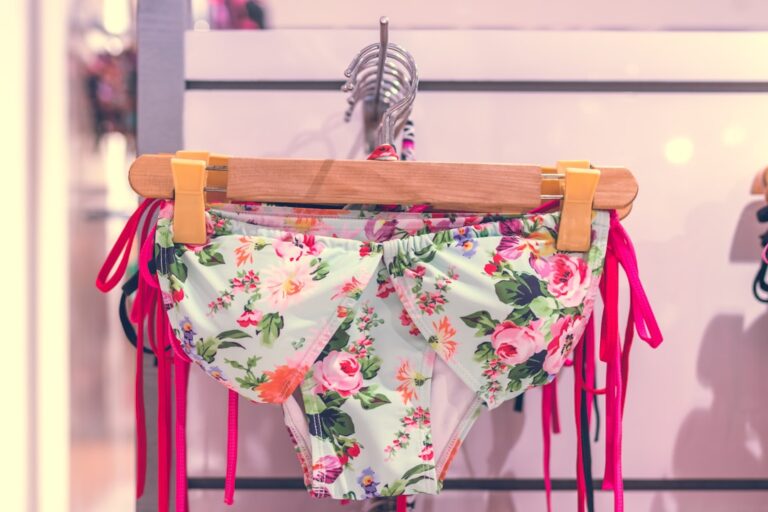
You’re standing in front of two bikinis. One costs $38. The other costs $380. From three feet away, they look almost identical — same triangle top, same tie sides, same flattering cut. So what exactly are you paying ten times more for? And more importantly, will anyone on the beach actually notice?
This is the question that quietly haunts every swimwear shopping trip, and the honest answer is more nuanced than fashion magazines or budget-shopping blogs usually admit. Designer bikinis aren’t always worth their price. Budget bikinis aren’t always a false economy. The smartest swimwear shoppers understand exactly where the money goes — and where it doesn’t — and they build wardrobes that mix both intelligently.
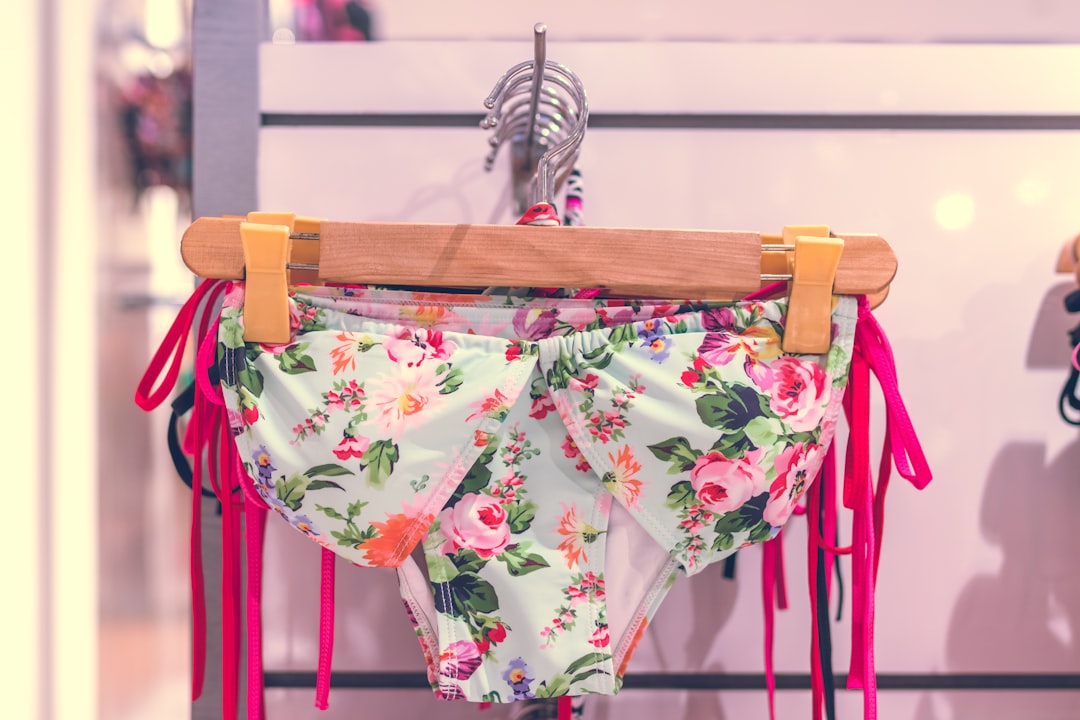
What You’re Actually Paying For With Designer Swimwear
Before we trash or celebrate either category, let’s look at what genuinely separates a $300 bikini from a $30 one when you put them side by side on a flat surface and start poking at the seams.
Fabric Composition and Performance
Premium swimwear typically uses Italian-milled fabrics with higher Lycra or Xtra Life elastane content, sometimes blended with recycled nylons like Econyl. These fabrics resist chlorine, sunscreen oils, and UV degradation significantly longer than the basic polyester-spandex blends used in fast-fashion swimwear. A designer bikini might hold its shape and color through 100+ wears. A bargain piece might lose elasticity after 15 to 20.
That said, mid-tier brands in the $60 to $120 range increasingly use the same Italian mills as luxury houses. The fabric gap between $80 and $400 is much smaller than the gap between $20 and $80.
Construction and Finishing
Pick up an expensive bikini and flip it inside out. You’ll typically see fully bound seams, double-stitched stress points, reinforced bra cups, hardware made from corrosion-resistant metals, and clean fabric edges that won’t fray. Budget swimwear cuts costs precisely here — single-stitch seams, plastic hardware that rusts after a few salt-water swims, raw fabric edges, and adhesive bonding that fails when wet.
This is where cheap bikinis genuinely earn their reputation. A failed underwire on day three of vacation is a real problem. So is a tie strap that snaps mid-cannonball.
Pattern Cutting and Fit Engineering
This is the most underrated difference. Designer swimwear is typically graded and fit-tested across many body types, with pattern adjustments at each size rather than just scaling up a base pattern. The result is a piece that sits where it should, holds where it should, and flatters across a wider range of bodies. Cheap swimwear often uses a single pattern scaled mathematically, which is why a budget bikini in size large can fit one person beautifully and gap, dig, or sag on someone with identical measurements.
Bodies aren’t math problems. Good pattern-making acknowledges that.
Where Budget Bikinis Genuinely Win
Now let’s talk about the other side of the closet. Budget swimwear isn’t automatically inferior — it’s situationally appropriate. There are real scenarios where spending $200 on a bikini is genuinely a waste of money, and dismissing affordable swimwear as universally junk is just snobbery dressed up as advice.
Trend Pieces You’ll Wear Three Times
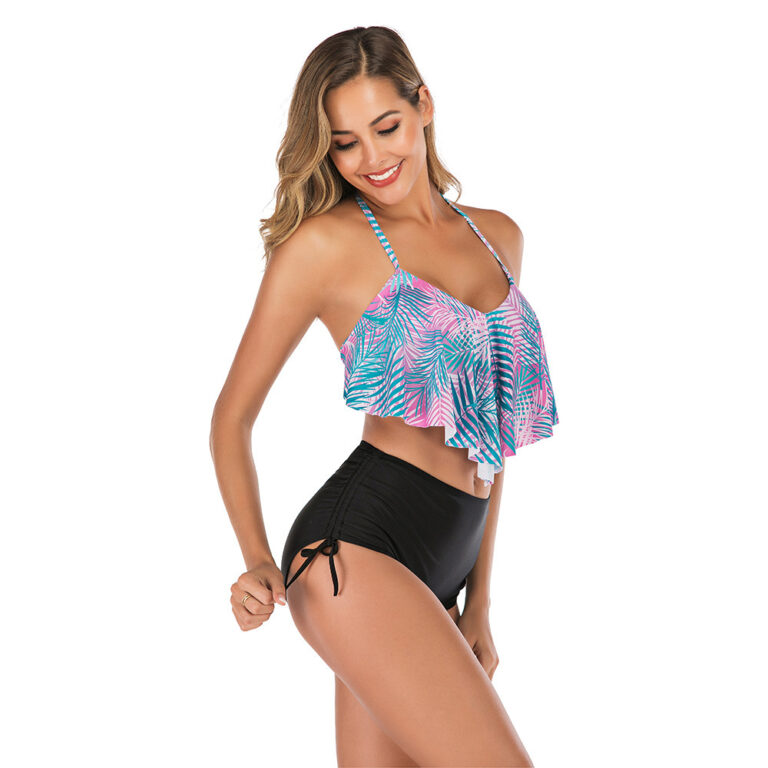
That hyper-specific 2026 trend — the asymmetric one-shoulder ruched neon micro-print — has a shelf life of one summer. Spending $250 on it makes no sense. A $35 version from a budget retailer lets you participate in the trend without commitment. When the moment passes, no one feels guilty about it sitting in a drawer.
Pool Lounging vs Actual Swimming
If your swimwear’s primary job is looking nice at a pool bar, on a hotel sun lounger, or in vacation photos — and it rarely sees aggressive surf, lap swimming, or daily UV exposure — a budget bikini will perform that job perfectly well. The performance fabrics in premium swimwear are engineered for stress you may never put it under.
Body Changes and Size Flexibility
Bodies fluctuate. Weight shifts. Postpartum changes happen. Pregnancy reshapes everything. Spending hundreds on a designer piece you might not fit into next summer is a real risk. Budget swimwear lets you adapt to your body in the present without grieving an expensive purchase you can no longer wear comfortably. That flexibility is genuinely valuable.
Building Variety
Five $40 bikinis create more outfit variety than one $200 piece. If you vacation often or live somewhere swimsuits are everyday wear, rotation matters more than individual investment. More rotation also means each piece lasts longer because no single bikini takes the brunt of daily wear.
The Quality Tells That Don’t Depend on Price
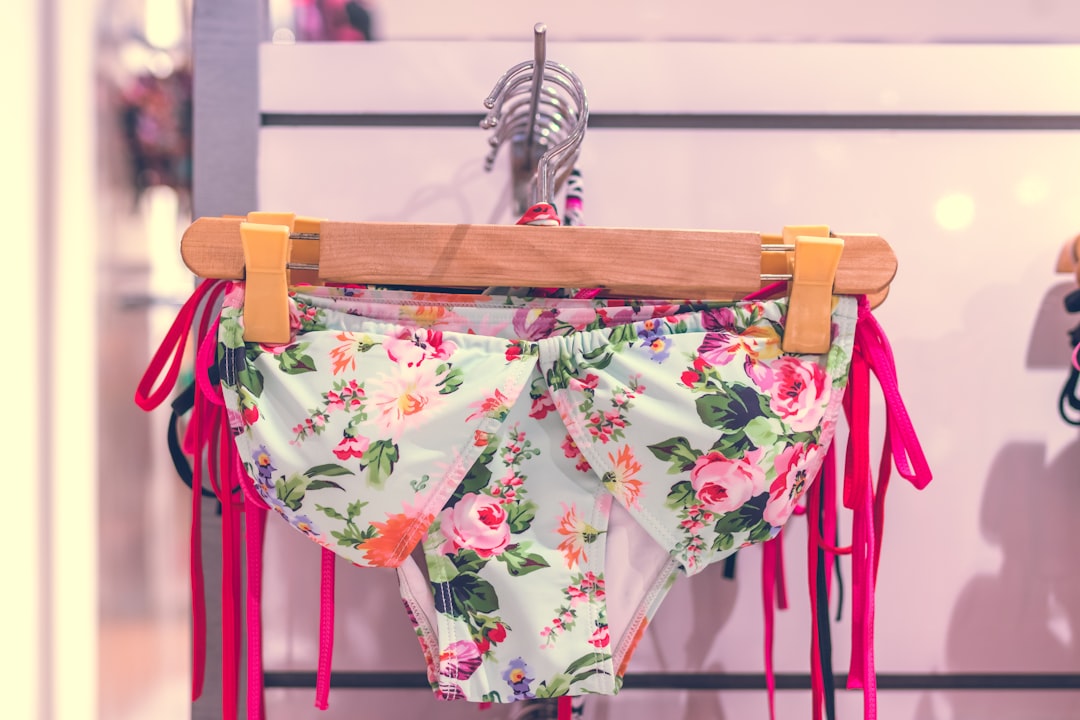
Here’s a truth the swimwear industry doesn’t love admitting: price and quality correlate, but loosely. A $90 piece from a thoughtful mid-tier brand can outperform a $250 designer piece coasting on logo recognition. Learn to spot quality directly and you stop paying for marketing.
- Fabric weight: heavier fabric (held up to light, less translucent) typically lasts longer and provides better shaping
- Four-way stretch: pull the fabric in all directions — premium fabric recovers instantly; cheap fabric stays slightly stretched
- Lining: a fully lined bottom and top means no surprises when wet, no see-through panels, and better shape retention
- Bound seams: seam allowances enclosed in stretch binding rather than left raw
- Hardware: metal rings and clasps should feel solid, not hollow; plastic hardware is fine on tie-style pieces but a red flag on structured pieces
- Stitching density: closer stitches per inch indicate more care and better durability
- Brand transparency: brands that name their fabric mill and country of production are usually proud of both for good reason
Where to Splurge vs Where to Save: A Practical Framework
Once you stop thinking about swimwear as either-or — designer or budget — and start thinking about it as a portfolio, the spending decisions get clearer. Here’s how the most strategic swimwear shoppers allocate their budget.
Splurge On
- Your “workhorse” bikini — the one you’ll reach for repeatedly because it fits perfectly and makes you feel amazing
- Pieces requiring engineering: underwire tops for fuller busts, high-compression bottoms, anything with structured cups
- Classic silhouettes in classic colors (black, white, deep solids) that won’t date
- Swimwear for activity — surfing, lap swimming, paddleboarding — where construction failure ruins your day
Save On
- Trend pieces with a clear one-season lifespan
- Vacation-specific bikinis you only wear away from home
- Triangle tops and basic tie bottoms (simple construction, minimal engineering needed)
- Cover-ups, kaftans, and lounging pieces that don’t enter the water
The Cost-Per-Wear Math That Changes Everything
Cost-per-wear is the calculation that demolishes a lot of swimwear assumptions. A $40 bikini you wear 8 times before it stretches out costs $5 per wear. A $200 bikini you wear 80 times costs $2.50 per wear — and it probably looked better every single one of those times.
But the same $200 bikini, bought in a trend color you’re sick of after one season, worn three times? That’s $66.67 per wear. The math only works when the piece actually gets worn. Buy the expensive piece you’ll genuinely love and reach for. Skip the expensive piece you bought because it was photographed beautifully but doesn’t suit your life.
Body-Positive Truths About Both Categories
Here’s something the industry doesn’t say enough: an expensive bikini doesn’t make your body look better than a cheap one does. Confidence in swimwear comes from fit, not from price. A budget bikini that fits your body perfectly will photograph better, feel better, and look better than a designer piece that gaps at the band or rides up at the leg.
Designer brands often offer wider size ranges and more thoughtful cuts for diverse bodies — that’s a legitimate reason some people prefer them. But plenty of budget brands have caught up, and the assumption that you need to spend serious money to find swimwear that fits a non-sample body is, increasingly, just not true.
The bikini that makes you feel most like yourself is the right one, whatever it cost. Don’t let anyone — including a designer logo or a budget retailer’s marketing — convince you otherwise.
How to Shop Strategically Across Both Tiers
Practical guidance for your next shopping trip, whether you’re browsing an outlet rack or a boutique:
- Try on aggressively: move, bend, sit, raise your arms. A bikini that fails any of those tests fails regardless of price.
- Check the inside: seams, linings, and hardware tell you everything about how the piece will age.
- Buy your real size: sizing up to feel more covered or down to feel more flattering both create fit problems. Trust the measurements.
- Mix tiers intentionally: pair budget bottoms with a splurge top, or vice versa — mixing is normal and looks great.
- Wait for end-of-season sales: designer swimwear often hits 50 to 70 percent off in late summer, putting it in budget territory.
- Read return policies: swimwear with hygiene-liner returns lets you test-drive at home, which is where you’ll actually wear it.
The Final Verdict
Designer versus budget bikinis isn’t a contest one side wins. Designer swimwear genuinely earns its price in fabric performance, construction durability, and fit engineering — but only when those things actually matter for how you use it. Budget swimwear genuinely deserves a place in your rotation for trends, variety, body changes, and low-stakes wear.
The smartest swimwear closet has both, deployed for the right occasions. A few investment pieces you trust completely, plus a rotating cast of affordable trend pieces that keep things fresh. That mix gives you the durability, the variety, and the financial sense to enjoy your swimwear instead of agonizing over it.
The best bikini in your closet isn’t the most expensive one. It’s the one you reach for first.
Sources
- Wikipedia — Swimsuit history and construction
- Wikipedia — Spandex and elastane fibers
- Vogue — Swimwear trends and designer coverage
- Consumer Reports — Apparel value and durability research
Shop our full range of bikinis and swimwear at the BikiniCool store →