Types of Bikini Bottoms: 9 Cuts Explained & Best for You
The fastest way to ruin a great bikini top is pairing it with the wrong bottom. There are at least nine distinct types of bikini bottoms, and each one changes how a suit fits, where the eye lands, and how confident you feel walking from the lounger to the bar. Pick the wrong cut and even a $200 designer top reads as ill-fitting. Pick the right one and a $30 set looks custom.
This guide breaks down the nine bikini bottom cuts worth knowing in 2026 — cheeky, thong, high cut, Brazilian, boyshort, hipster, ruched, tie-side, and full coverage — and which ones flatter which bodies. No body-shape pseudoscience, no euphemisms. Just the math of how fabric coverage interacts with proportion.
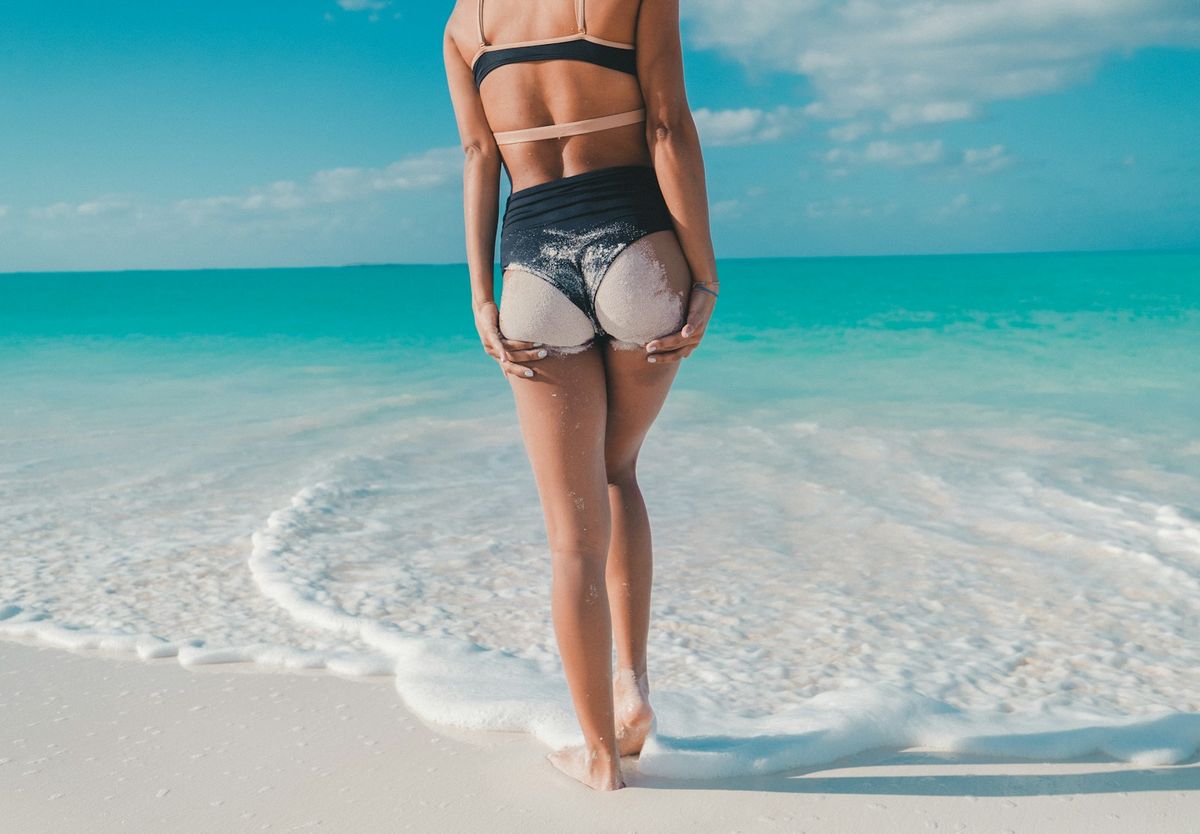
How to choose a bikini bottom cut for your body
Before anyone tells you which cut “works” for your shape, here is the only rule that matters: a bikini bottom is a frame. The cut decides where your waist appears to sit, how long your legs read, and whether your hips look balanced with your shoulders. That’s it. Body type is a starting point, not a verdict.
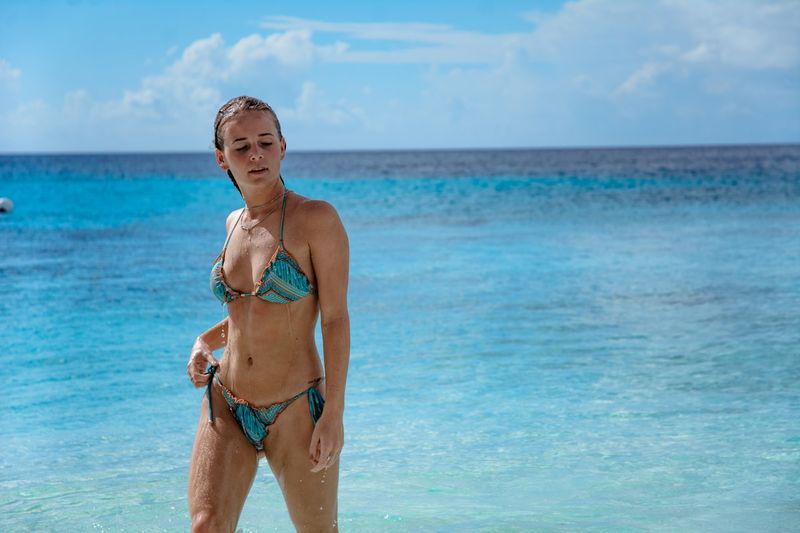
Three measurements decide the right cut. Rise — how high the waistband sits relative to your belly button — controls torso length. A higher rise lengthens legs and shortens the torso. A lower rise does the opposite. Leg opening — where the fabric cuts across your thigh — controls leg length. The higher the leg opening, the longer the leg looks. And coverage — how much of your seat the fabric encloses — controls how the bottom reads on the lower half of your body. Most people get the rise wrong before they get anything else wrong.
If you are short-waisted, low-rise. If you are long-waisted, mid-rise or high-waisted. If your hips are narrower than your shoulders, a higher leg opening adds curve. If you carry weight in the lower belly, a wide waistband sitting on the natural waist works better than a bottom that digs across the soft tissue. Try cuts in pairs of opposites and you will see what your body is doing in seconds.
Cheeky bikini bottoms
Cheeky cut sits somewhere between a thong and a Brazilian — it shows roughly the bottom third of the seat without going string. The waistband typically sits mid to low, and the leg opening is moderate, not high-cut. Cheeky cuts blew up around 2018 and have stayed mainstream since, mostly because they are flattering on a wider range of bodies than the marketing suggests.
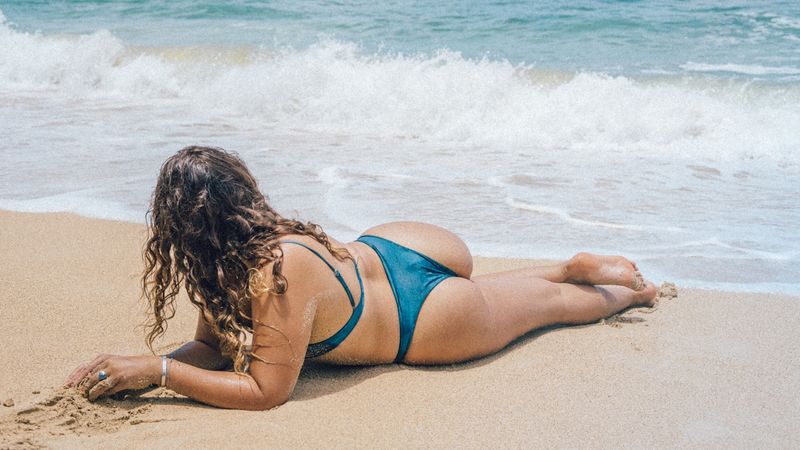
The cut works because it draws the eye to the curve where the seat meets the thigh — the part of the body that benefits from a little exposure on almost every frame. If you are athletic and want to show off glute development, cheeky is the obvious pick. If you are curvier and want a little more bottom coverage than a thong without losing the lift, cheeky still delivers. Skip it only if you genuinely prefer full coverage. The “you have to be a certain shape” advice is gym-class gatekeeping that the swimwear industry quietly abandoned a decade ago.
Thong bikini bottoms
A true thong leaves the seat fully uncovered and is anchored by a narrow strap. They sold roughly 8.1 percent of U.S. bikini bottom volume in 2024, up from under 3 percent in 2018. Sales doubled after Brazilian beachwear trends crossed into mainstream U.S. retail, and the cut is no longer treated as fringe by major brands like Frankies Bikinis, Triangl, and Aerie.
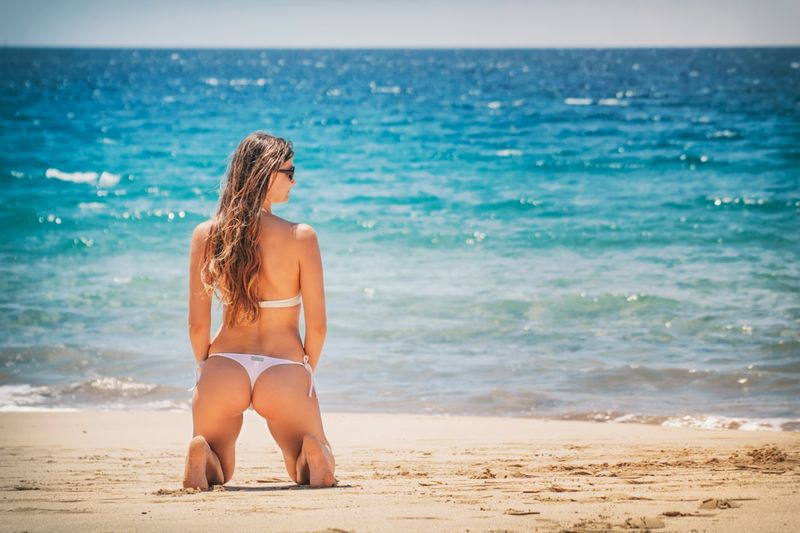
The case for a thong is simple — no tan lines on the seat, no fabric riding up because there is no fabric to ride up, and the strongest leg-lengthening effect of any cut. The case against is comfort on rough sand and venue restrictions: a handful of U.S. public beaches still ticket for thong wear, and most European resorts couldn’t care less. Check local rules before you pack one as your only bottom. Pair a thong with a fuller top — bandeau, push-up, or halter with cups — for visual balance.
High cut bikini bottoms
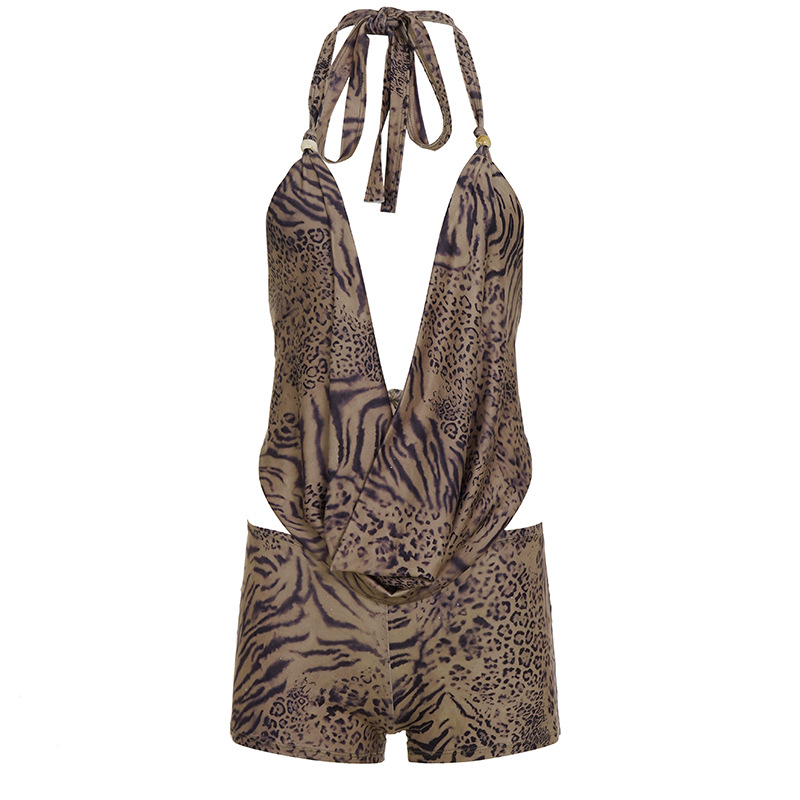
High cut is defined by the leg opening, not the waist. The fabric arcs up over the hip bone, sometimes higher than the natural waist, while coverage on the seat varies from moderate to cheeky. This is the cut that built the 1980s lifeguard look — think the original red Baywatch one-piece — and it has been in mainstream rotation since the early 2010s revival.
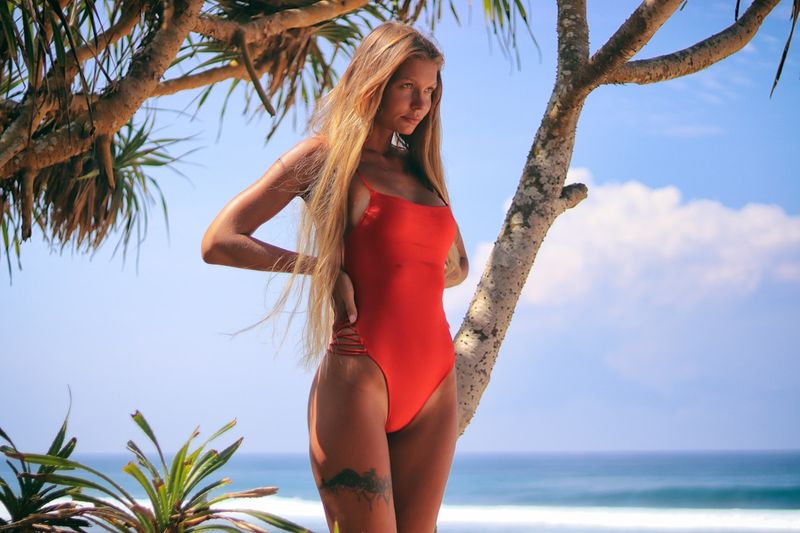
High cut does one thing better than any other style — it extends the visual line of the leg upward into the torso. On petite frames it is borderline magic. On taller frames it reads as more sport, less retro. The trade-off is a narrow flattering zone at the hip; if the leg opening lands an inch too low it can cut your thigh in an unflattering spot. Try two heights before committing, and look for adjustable side ties if you want flexibility.
Brazilian bikini bottoms
Brazilian sits between cheeky and thong — it leaves more of the seat exposed than a cheeky but covers more than a thong, usually with a scrunched or pleated back panel. The cut originated on Rio beaches in the 1980s and remains the dominant style across South American swimwear. For a deep dive on Brazilian-specific styles, see our Brazilian bikini bottoms guide.
Brazilian works on almost any frame for the same reason cheeky does — partial coverage frames the seat without exposing it fully. If you find thongs uncomfortable but want more shape than a standard cut, Brazilian is the move. The scrunch detail also adds visual volume, which is useful if your hips read narrow.
Boyshort bikini bottoms
Boyshorts borrow the cut of men’s swim trunks — a flat front, low-rise waistband, and short leg that ends mid-buttock. They were everywhere in 2010, fell out of favor by 2015, and came back hard with the surf-revival trend in 2024. The current iteration is more fitted than the early 2010s version, with stretch fabrics that grip without bunching.

Boyshorts genuinely flatter athletic builds and pear shapes — the flat front balances strong glutes, and the leg cut visually widens narrow hips. They are also the most active-friendly cut on the list, which is why surf brands like Roxy and Billabong build entire collections around them. The risk is that a poorly fitted boyshort can look like underwear; pay attention to leg gripper construction. A silicone band inside the leg opening is what separates a swim boyshort from a lounge short.
Hipster bikini bottoms
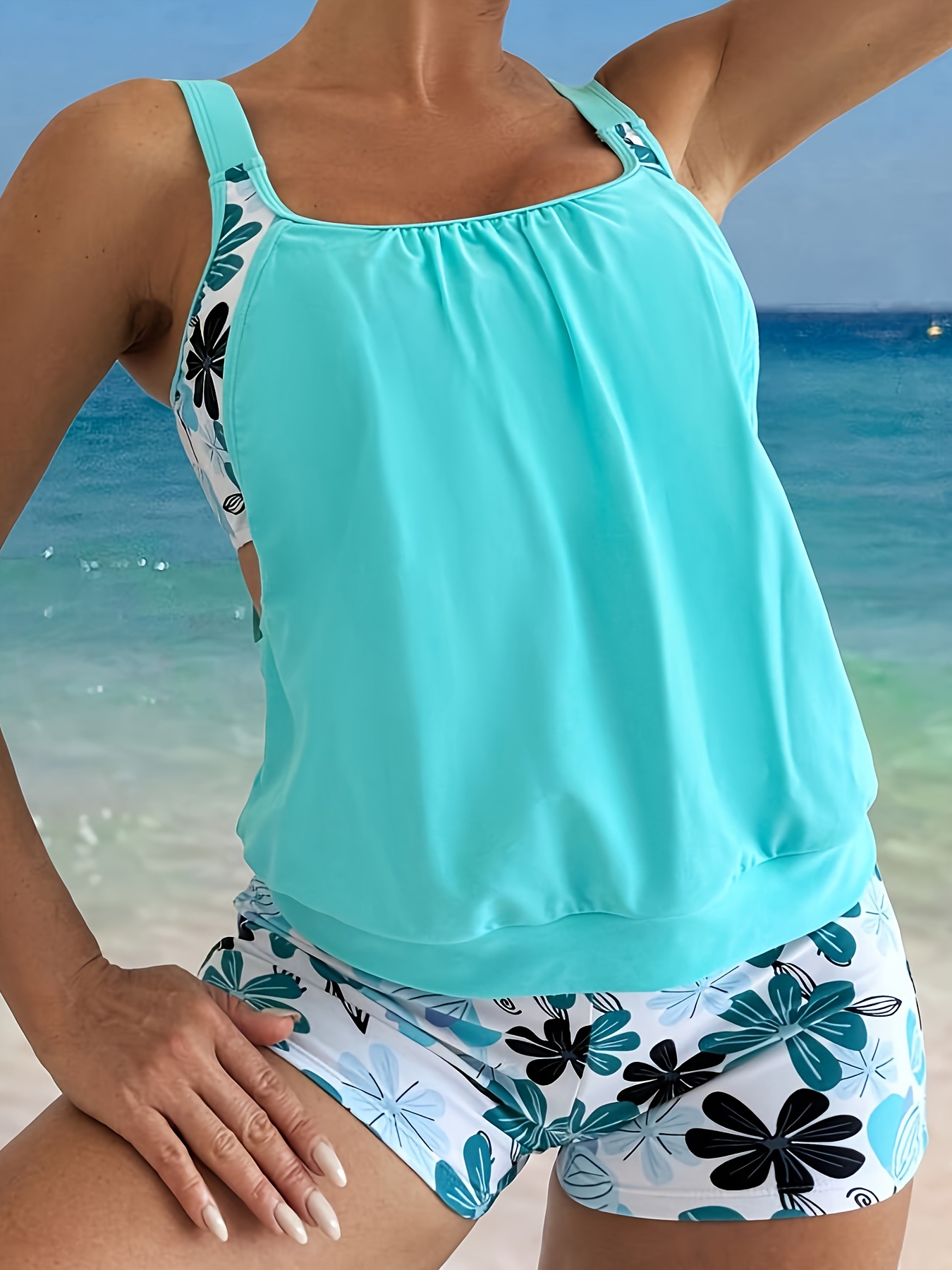
Hipsters sit low on the hip with a wider side panel and moderate seat coverage. The side panel is the defining feature — typically two to three inches at the hip versus the half-inch of a string bikini. The wide side is what makes hipsters comfortable for long beach days; nothing is digging into the hip bone, and the fabric stays put even in surf.

Hipsters are the unglamorous workhorses of the bikini bottom world. They will not give you a leg-lengthening illusion. They will not show off your glutes. What they will do is sit comfortably for eight hours at the beach, balance a fuller top, and not require any adjustment when you stand up from your towel. If you are buying one bottom for a week-long trip, this is the safe pick.
Ruched bikini bottoms
Ruching is a finish, not a cut — fabric gathered along a seam to create texture. Ruched bottoms can be cheeky, Brazilian, full coverage, or anything in between. What ruching actually does is hide the line where the seat meets the leg. The visual texture breaks up any flat plane, which is genuinely useful on bodies that are self-conscious about cellulite or stretch marks. Vogue’s 2025 swim report called ruched seats one of the longest-running flattery details in modern swimwear, and the data backs it up — ruched bottoms have outsold flat-back equivalents in the cheeky category every year since 2019.
The catch with ruching is fabric quality. Cheap ruching looks puckered and reads as a manufacturing defect. Spend an extra ten dollars on a brand that does ruching well — Andie, Aerie, and Mara Hoffman all execute it cleanly at mid-tier prices.
Tie-side bikini bottoms
Tie-sides replace the fixed waistband with adjustable side ties. They are the most size-flexible cut on the list — useful for travel, weight fluctuation, or simply wanting to wear the same bottom higher one day and lower the next. The string sits at whatever angle you tie it, which means a tie-side cheeky and a tie-side high cut are the same garment with different knot heights.
The reason tie-sides keep coming back into rotation is fit forgiveness. If you are between sizes, a tie-side will fit cleanly where a fixed waistband will pinch or sag. The downside is the knot itself — cheap ties slip in surf, and the bow can press into your hip when you lie on it. Look for double-knotted or bead-tipped designs if you swim hard.
Full coverage bikini bottoms
Full coverage briefs cover the entire seat with no exposure at the back leg. They are the cut most often dismissed as “modest,” which sells short what is actually happening — full coverage is the most comfortable bottom for active beach days, the best option for sensitive skin, and the only cut that won’t shift during waves or rough sand.
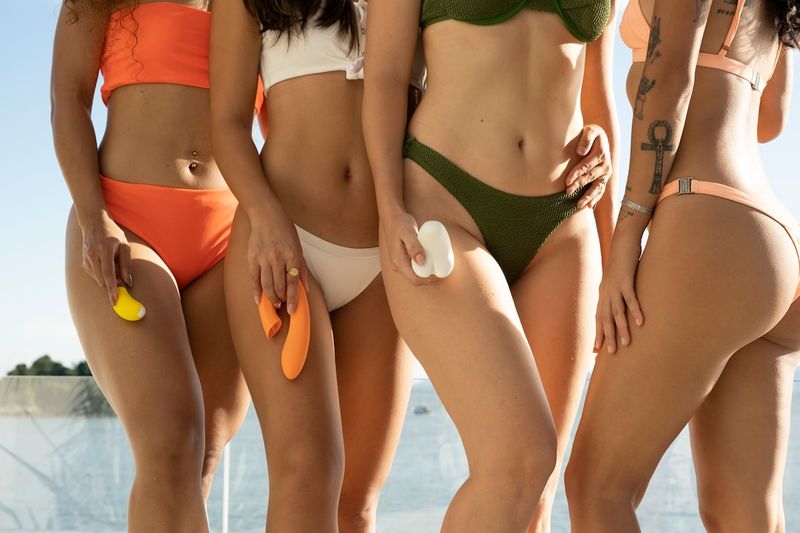
The flattering case for full coverage is straightforward: a longer fabric line lengthens the torso visually, which on shorter frames does more work than any high-leg cut. Pair full coverage with a structured top — underwire halter, push-up, or sporty band — and the proportions read tall and balanced. The cut also pairs well with body movement: yoga on the sand, paddleboarding, beach volleyball. If your beach day is going to involve actual sport, full coverage outperforms every other option on this list.
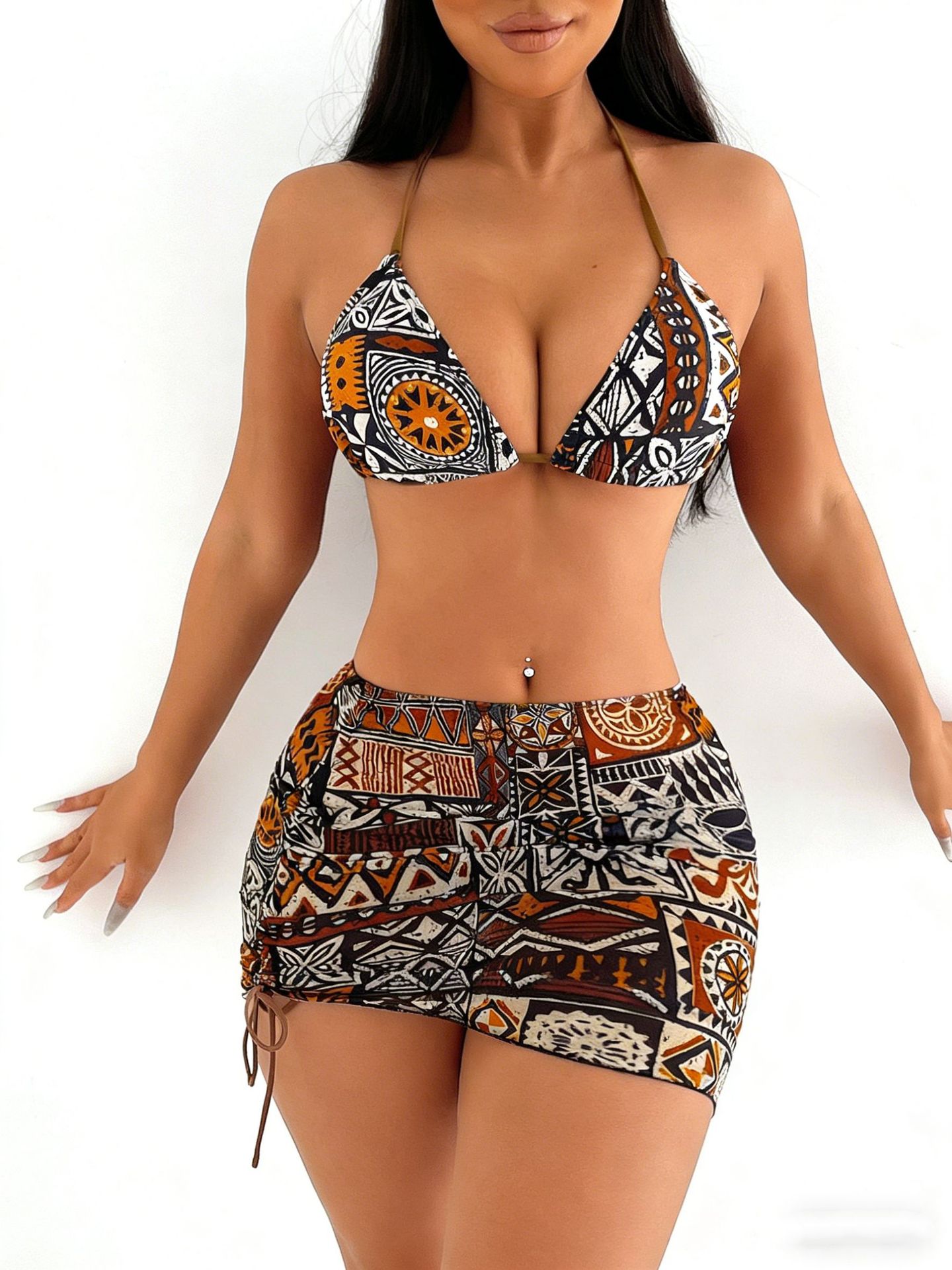
High-waisted bikini bottoms
High-waisted is sometimes lumped in with full coverage but it deserves its own line. The waistband sits at or above the natural waist — the narrowest part of the torso — and the leg cut can be anything from boyshort to high-leg. The cut nods to 1950s pin-up swimwear and has been in steady rotation since the early 2010s revival, especially in the body-positive segment.
The reason high-waisted works on so many frames is that it defines the waist directly rather than relying on optical tricks. A high-waisted bottom paired with any bandeau or triangle top creates an instant hourglass silhouette. For a full breakdown of the cut and shopping picks, see our complete high-waisted bikini guide.
Coverage cheat sheet
Here is the bottom-line comparison if you want to skip the prose:
| Cut | Coverage | Rise | Best for |
|---|---|---|---|
| Cheeky | Partial seat | Mid–low | Athletic, curvy, hourglass |
| Thong | Minimal | Low | Tan-line avoidance, leg lengthening |
| High cut | Varies | High leg opening | Petite, leg lengthening |
| Brazilian | Between cheeky and thong | Mid–low | Most body types |
| Boyshort | Full seat, short leg | Low–mid | Athletic, pear shape, surf |
| Hipster | Moderate | Low | All-day comfort, balance |
| Ruched | Varies (finish) | Varies | Texture, soft-finish flattery |
| Tie-side | Varies | Adjustable | Between sizes, travel |
| Full coverage | Maximum | Mid–high | Sport, sensitive skin, long days |
Care matters more than cut
The cut you pick determines how you look on day one. How you care for the bottom determines whether it still fits the same on day fifty. Chlorine and saltwater break down elastane fibers faster than the swimwear industry advertises — a thong bottom loses roughly 8 percent of its stretch after twenty pool sessions if it isn’t rinsed. Rinse in cold fresh water within thirty minutes of taking it off, hand wash with mild soap, and dry flat in shade. Skip the dryer. Read our bikini washing guide for the full routine.
One bottom or several?
If you swim three or fewer times a year, one well-fitted moderate cut (hipster, Brazilian, or cheeky) is enough. If you swim weekly through summer, build a small rotation: one sport-friendly cut (boyshort or full coverage), one show-off cut (cheeky, thong, or high cut), and one tie-side for fit-flex weeks. That’s a $90 to $150 wardrobe that covers every beach situation for two to three seasons.
The shorthand for picking is honest: pick the cut that makes you forget you’re wearing a swimsuit. That is what flattering actually means — not what looks best in a mirror but what feels invisible when you’re walking down the beach with a friend. Try four cuts in a dressing room before you commit. The one you reach for twice is the one to buy.
Sources
- Grand View Research — Swimwear Market Size Report — U.S. bikini bottom cut share data
- Vogue — 2025 Swimsuit Trends Report — Ruching and flattery details
- Glamour — Best Bikini Bottoms by Body Type — Cut and fit reference
- Refinery29 — Bikini Bottom Style Guide — Sizing and brand comparisons
Shop our full range of bikinis and swimwear at the BikiniCool store →