
UPF Swimwear Explained: How Sun-Protective Fabrics Actually Shield Your Skin
You picked the perfect swimsuit. The fit hugs in the right places, the print makes you feel like the main character, and you finally booked that beach day. Then you spend six hours in the sun and come home with a sunburn outlined exactly where your bikini was. The fabric you thought was protecting you? Most of it lets UV rays slide right through. Understanding UV protection for swimwear means understanding what is actually between your skin and the sun, and the answer is more interesting than “wear more sunscreen.” Sun-protective swimwear has quietly become one of the most underrated tools in a modern beach wardrobe, and once you know how it works, you will not shop for a swimsuit the same way again.
What UV Protection Actually Means in Swimwear
There are two acronyms that get tangled up in sun-safety conversations: SPF and UPF. SPF (Sun Protection Factor) rates sunscreens. UPF (Ultraviolet Protection Factor) rates fabrics. They are not interchangeable. A tube of SPF 50 sunscreen blocks roughly 98% of UVB rays when applied correctly. A swim top labeled UPF 50+ blocks at least 98% of both UVA and UVB rays, and unlike sunscreen, it does not wash off, sweat off, or wear down two hours after application.
That distinction matters more in the water than anywhere else. Sunscreen is the most important sun-protection layer most people own, but it is also the one most likely to fail in real-world conditions. It rinses away with every wave, slides off with sweat, and rarely gets reapplied to the back, shoulders, and chest with the diligence dermatologists recommend. UV-protective swimwear closes that gap. It is a passive defense system: you put it on, and it works for as long as you are wearing it.
How Sun-Protective Fabrics Actually Block UV
The science behind UPF swimwear is not magic. It is geometry and chemistry working together. Three factors determine how much UV a fabric blocks before it ever reaches your skin.
Weave Density and Fabric Construction
The tighter the weave, the fewer microscopic gaps for UV rays to slip through. A loosely knit cotton tee might offer UPF 5, which is essentially nothing. A tightly knit nylon-spandex swim top can reach UPF 50+ with no chemical treatment at all. Hold a fabric up to a bright window: if you can see daylight bleeding through it, UV is bleeding through too.
Fiber Type and Color
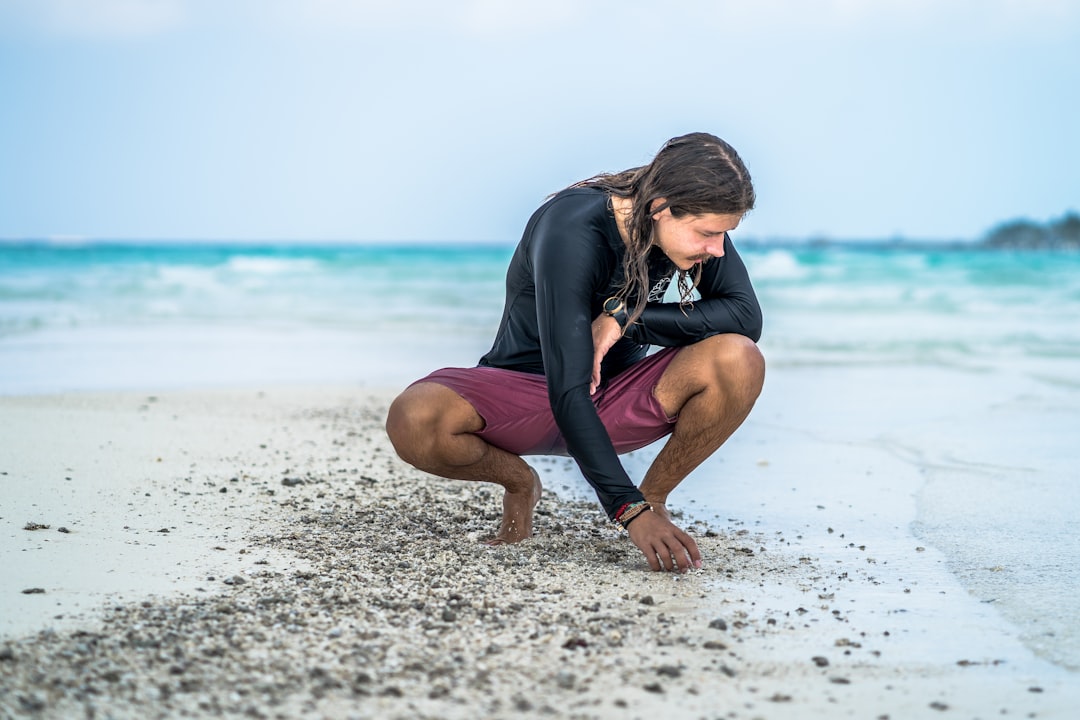
Synthetic fibers like polyester and nylon naturally block more UV than cotton or linen. Darker colors absorb more UV than lighter ones, which is why a black rash guard typically outperforms a white one of the same construction. This is one of the rare cases where black actually works in your favor on a hot beach. The difference in surface temperature is real but small, and the UV protection gap between dark and pale fabrics is significant.
UV-Absorbing Treatments
Some manufacturers add titanium dioxide or zinc oxide treatments to fabrics, the same minerals found in physical sunscreens. These treatments boost UPF ratings and stay bonded to the fabric through dozens of washes when applied correctly. Chemical UV absorbers are also used, though premium brands tend to favor mineral-based treatments for sensitive-skin compatibility.

Reading UPF Labels Without Getting Played
Walk into any swimwear section and you will see labels promising “UV protection,” “sun safe,” or “beach ready.” Most of those phrases are marketing fluff. The numbers that actually mean something are the standardized UPF ratings, which break down into three useful tiers.
- UPF 15 to 20: Good protection. Blocks 93 to 95% of UV radiation.
- UPF 25 to 35: Very good protection. Blocks 96 to 97% of UV radiation.
- UPF 40 to 50+: Excellent protection. Blocks 97.5% or more of UV radiation.
A few rules of thumb keep you from getting fooled. First, “UV protection” without a UPF number is meaningless. Second, ratings should reference a testing standard. AATCC 183, ASTM D6603, and AS/NZS 4399 are the three most reputable. Third, beware of fast-fashion swim sites that paste “UPF 50” on every product page. The rating should appear on the actual care label sewn into the garment, not just the product description text.
Want a quick sanity check before you spend? Look up the brand’s testing methodology on their website. Reputable companies publish it openly. Brands that will not tell you how their UPF was tested probably did not test it at all.
Shop UPF 50+ Swim Rash Guards on Amazon →
Where Regular Swimwear Quietly Falls Short
Most standard bikinis and one-pieces have no UPF rating at all, which does not mean zero protection. It means untested. Lab tests on common swimwear fabrics suggest typical bikinis sit somewhere between UPF 5 and UPF 30 when dry, depending on color and construction. The problem is what happens when they get wet.
Wet fabric loses UV protection. Water fills the gaps between fibers and increases transparency. A swim top that offers UPF 20 dry might drop to UPF 7 when soaked. Stretched fabric performs even worse: pulling a swimsuit taut over a body opens up the weave and lets more UV through. This is why bandeau tops, side-tie bottoms, and tightly stretched bikini tops on fuller busts are often the lowest-coverage sun barriers in your drawer, even if they feel like adequate coverage when you look in the mirror.
UPF-rated swimwear is specifically tested for both wet and stretched states. The rating you see on the label reflects worst-case performance, not best-case. That is part of why the premium price tag of legitimate UPF brands is justified: you are paying for verified performance in the exact conditions where the fabric will be used.

Building a Sun-Smart Beach Wardrobe That Still Feels Like You
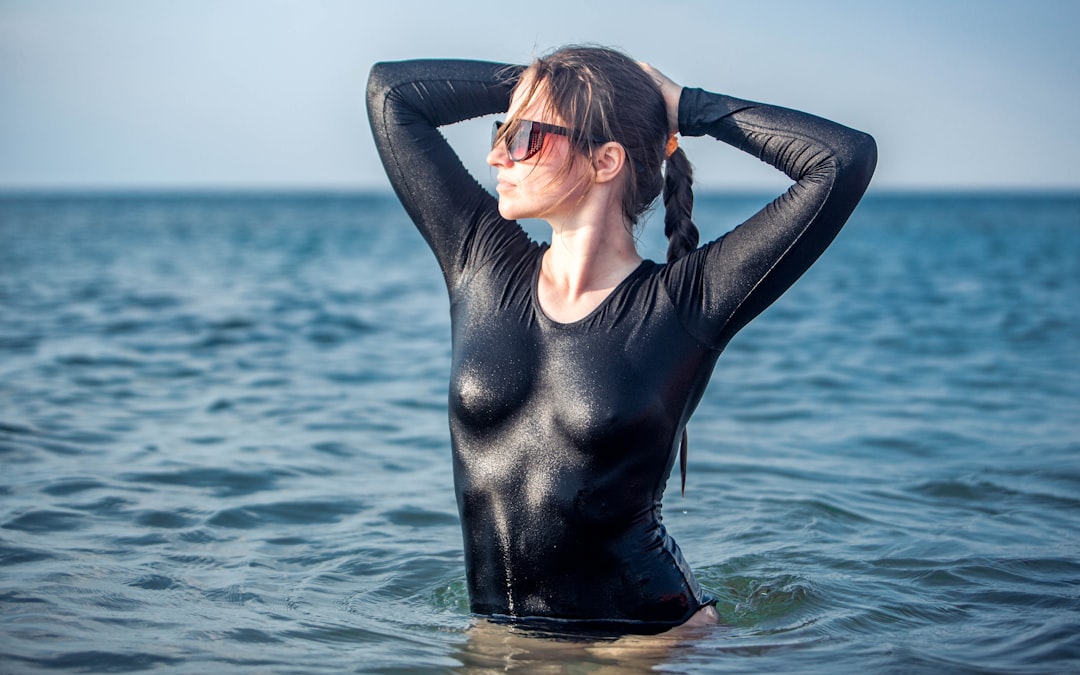
There is a stereotype that sun-protective swimwear means giving up on style and squeezing into a head-to-toe surf rashie that fits like a wetsuit. That has not been true for years. The category has exploded into long-sleeve crop tops, swim leggings in flattering high-waist cuts, UPF cover-ups in flowy resort silhouettes, and rash guards designed to actually feel cute over a bikini rather than swallow it.
The smartest approach is not replacing your bikinis. It is layering. A UPF 50+ long-sleeve top worn over your favorite bandeau means your shoulders, chest, and back are covered while you keep the swimsuit you actually love underneath. A UPF swim skirt over standard bikini bottoms protects the front of your thighs, a common burn zone people forget about because nobody applies sunscreen there twice. A wide-brim hat and UV-blocking sunglasses round out the gaps sunscreen alone cannot cover reliably.
This kind of layering also gives you flexibility throughout the day. Mid-morning when the sun is strongest, you are in full coverage. Late afternoon when UV drops, you peel off the rash guard and lounge in your bikini. The wardrobe adjusts to the sun, not the other way around.
Sun Protection Cuts for Different Body Shapes
Body-positive sun safety is one of the better trends in this category. Brands are finally cutting UPF swim tops in styles that flatter different shapes: empire waist tunics that skim the midsection, structured rash guards with built-in support for fuller busts, swim leggings that do not gap at the waistband, and high-neck one-pieces that protect the chest and shoulders without compressing anyone into a single silhouette.
The goal is not to hide your body. It is to protect the parts of you that are most exposed to direct sun: shoulders, chest, upper back, and the tops of your thighs. Everything else is bonus coverage you choose for comfort or style, not obligation. Cover what you want covered, expose what you want exposed, and let the UPF math do its job.
Shop High-Waist UPF Swim Leggings on Amazon →

Caring for UV-Protective Swimwear So It Actually Lasts
UPF ratings are not permanent. Chlorine, salt water, sunscreen oils, and high-heat washing all degrade the fabric structure and any UV-blocking treatments over time. A swim top rated UPF 50+ on day one might be UPF 25 by season three if you wash it like a t-shirt and toss it in a hot dryer.
The care routine for UV swimwear is essentially the care routine for any quality swimwear, with a few extra rules that protect the UPF treatment.
- Rinse immediately after every wear, including pool sessions. Chlorine sitting in the fibers shortens UPF life dramatically.
- Hand wash in cool water with a gentle detergent. Skip fabric softener entirely; it coats fibers and reduces UV blocking.
- Lay flat to dry away from direct sunlight. Heat and prolonged UV exposure during drying actually degrade the fabric.
- Plan to replace heavy-rotation UPF swim tops every one to two seasons. The fabric will look fine long before the protection has truly worn out.
If you have ever seen a beloved swim top fade from black to a sad gray-brown, that is UV photodegradation. The fabric absorbed UV instead of you, which is exactly its job, but it can only do that job for so long before the molecular structure breaks down. A faded UPF top is a retired UPF top.

Beyond the Swimsuit: The Full Sun-Protection Picture
Even the highest-UPF swimwear leaves your face, neck, hands, and feet exposed. The full sun-protection picture pulls in a few non-swimwear allies that work alongside your beach wardrobe rather than competing with it.
- Broad-spectrum mineral sunscreen on every exposed area, reapplied every 90 minutes (set a phone timer; willpower is not a strategy here).
- A wide-brim hat with a four-inch or wider brim. Baseball caps do not cut it for face and neck coverage, no matter how cute the cap is.
- UV-blocking sunglasses with a UV400 label, not just “polarized.” The two ratings are not the same thing.
- Shade structures from 10 AM to 3 PM, when UV index peaks in most beach locations worldwide.
- Reef-safe sunscreen formulations if you are swimming in the ocean. Mineral filters are gentler on marine ecosystems and on your skin.
The shade strategy is underrated. UV-protective swimwear plus sunscreen plus a hat plus shade during peak hours is multiplicative protection. Skipping any single layer is fine. Skipping all of them is how vacation sunburn happens, and how cumulative UV damage adds up over decades into something more serious than a peeling shoulder.
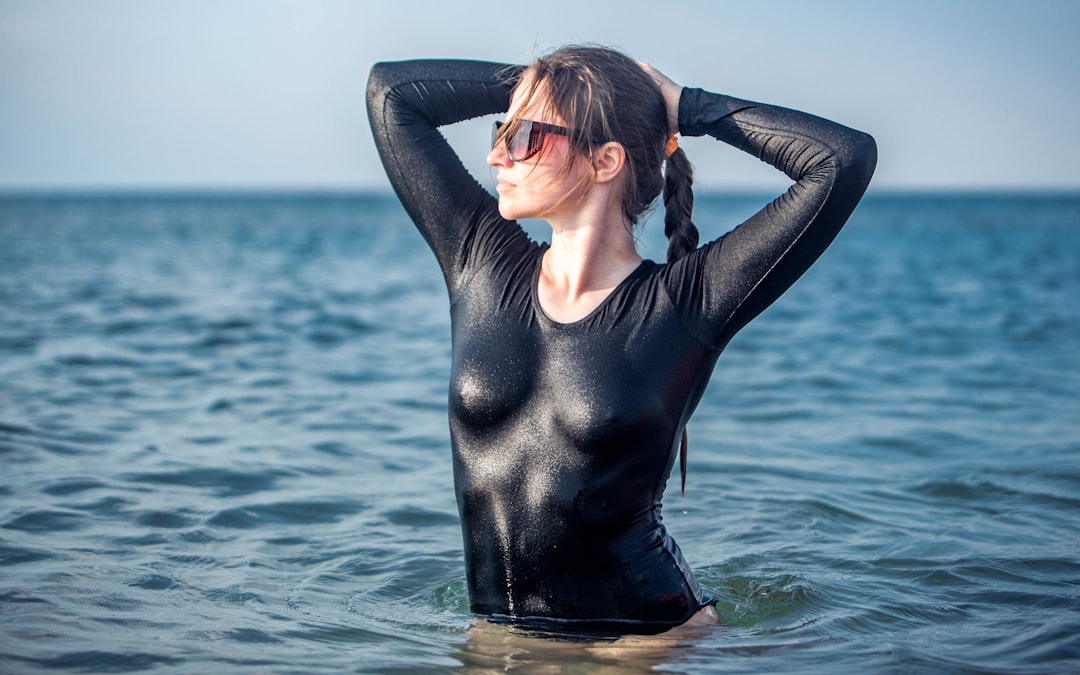
A Word on Skin Tone and UV Risk
Sun protection is for every skin tone. The myth that darker skin does not need UV protection has caused real harm. Skin cancer is consistently diagnosed later in people with darker skin tones, partly because of this myth and partly because melanoma in darker skin often appears in less-visible areas like the palms, soles, and nail beds. UV damage also accelerates uneven pigmentation, hyperpigmentation, and visible aging across all skin tones, even when sunburns rarely happen.
If you are spending hours on a beach or by a pool, UV protection is not a fair-skin concern. It is a long-term skin-health concern that applies regardless of how easily you tan or burn. A UPF rash guard is for you whether you are translucent in winter or deep brown year-round.
Shop UPF Beach Cover-Ups on Amazon →
The Bottom Line on UV Protection for Swimwear
Sun-protective swimwear does not replace sunscreen, a hat, or smart timing. It complements all of them. The reason it deserves a place in every beach wardrobe is simple: it is the only sun-protection layer that works consistently for hours without reapplication, does not sting your eyes, does not wash off in the waves, and looks good with literally any swimsuit underneath. A single UPF 50+ rash guard, swim skirt, or long-sleeve cover-up extends your beach day, protects your skin in real time, and pairs with the bikinis you already love. That is a small investment with a long return, and your future skin will quietly thank you for it every summer it stays even-toned, freckle-stable, and free of the kind of UV damage that compounds over decades.
Sources
- Skin Cancer Foundation — UV exposure and prevention guidance
- American Academy of Dermatology — Sun protection clinical recommendations
- U.S. Food and Drug Administration — Sunscreen and UV-protective product regulation
- Centers for Disease Control and Prevention — UV index and sun safety resources
Shop our full range of bikinis and swimwear at the BikiniCool store →