
Avoiding Tan Lines: A Sunbather’s Guide to Even, Confident Color
Tan lines have a funny way of showing up exactly where you don’t want them — a stark white stripe across the shoulder right before a strapless dress, or a halter outline that lingers long after the beach bag is unpacked. If you’ve ever stood in front of the mirror playing connect-the-dots with your own skin, you’re in good company. Wanting even color isn’t vanity, and it isn’t a flaw to fix about your body. It’s simply a styling preference, like choosing the right neckline or the right shade of lipstick. This guide walks through how to approach avoiding tan lines thoughtfully — with smart swimwear, a few clever habits, and a healthy respect for the skin you’re working with.
Before we get into strap tricks and sunless color, one gentle reminder: there is nothing wrong with tan lines. Plenty of people wear them like badges of a summer well spent. This is a guide for those who’d rather not have them — not a verdict that they’re something to be ashamed of. Your skin, your call.
Why Tan Lines Happen in the First Place
A tan is your skin’s response to ultraviolet light — melanin rising to the surface as a natural shield. Wherever fabric blocks that light, the skin underneath stays its original shade. The sharper the edge of the fabric, the sharper the line. That’s why a thin spaghetti strap leaves a crisp pencil mark, while a wide, soft band fades more gradually into the surrounding skin.
This matters because it means avoiding tan lines is mostly about geometry. You’re not fighting the sun so much as managing where the borders fall and how often they stay in the same place. Change the borders, soften the edges, or move them around, and the stark contrast softens too. Once you see it that way, the whole thing becomes a styling problem with very solvable answers.
Choosing Swimwear That Works With You, Not Against You
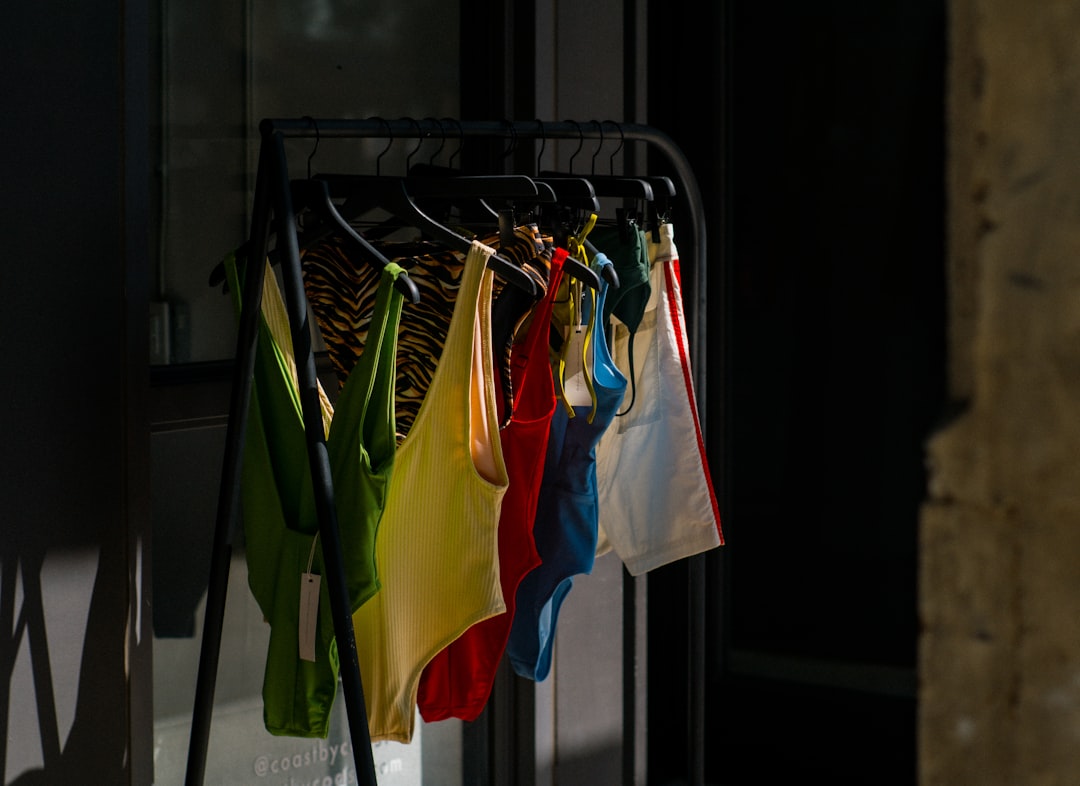
The single biggest lever you have is what you wear. A strapless or bandeau top removes the shoulder lines entirely, leaving a clean horizontal edge across the upper chest that’s far easier to disguise under most necklines. Bandeaus have the added bonus of versatility — many come with removable straps, so you can go strapless while you lounge and clip them back on when you want support in the water.

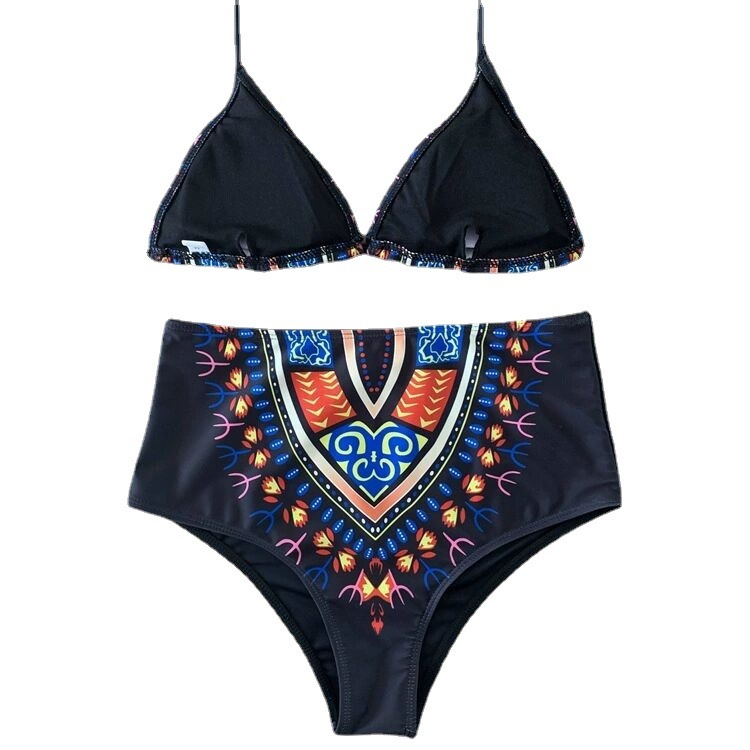
If a strapless cut feels precarious, a halter is the next best friend for line management. By pulling the support up to the back of the neck, a halter keeps your shoulders open and bare, and the lines it does leave tend to sit higher — often hidden by hair or easily covered by most tops. The trade-off is a thin line at the nape, which is one of the simplest places to ignore or cover.
For full-coverage fans, a low-back one-piece or a maillot with a deep scoop spine keeps your back canvas open, so a backless evening look doesn’t reveal a swimsuit’s ghost. The principle is the same across every style: pick the cut whose borders fall where you’re least likely to mind them, and where they’ll be easiest to cover with your real-world wardrobe.
The Art of Moving Your Straps
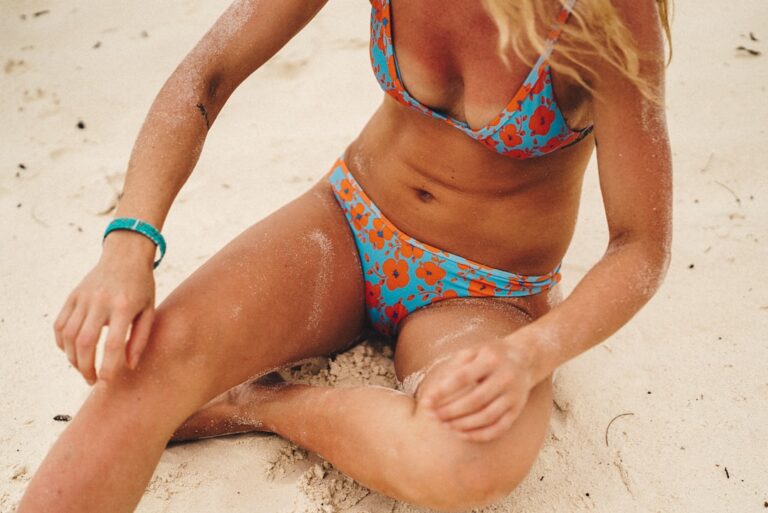
You don’t always need a new swimsuit. If you already own a strappy favorite, the trick is to keep the lines from baking into the same place over multiple beach days. Adjustable and convertible tops are gold here — many bikinis let you cross the straps, wear them halter-style, or slip them down entirely for stretches of lounging. Every time you reposition, you’re spreading any color change over a wider, softer area instead of carving a single hard line.
A simple rhythm works well: tie or clip your straps one way for the first part of the day, then slide them off your shoulders while you read or nap on your front, retying them when you head back into the water. You’re not chasing a perfect all-over tan — you’re just refusing to let one stripe become the headline. If you’re lying face-down and feel secure, undoing the back clasp for a while keeps the upper back clear, which pays off in every open-back dress later.
One honest caveat: any time you expose previously covered skin, that skin is more sensitive and unprepared for the sun. Treat newly bared shoulders and back the same way you’d treat your face — with a fresh, generous layer of sunscreen before they see direct light.
Sun Protection Is the Quiet Hero
Here’s the part that does double duty. The most reliable way to avoid stark tan lines is also the healthiest: protect your skin so the contrast never gets dramatic in the first place. A broad-spectrum sunscreen applied evenly — and reapplied every couple of hours and after every swim — keeps the difference between covered and uncovered skin from becoming severe. You still enjoy the beach; you just skip the harsh edges and the burn that often comes with them.

The common mistake is patchy application: a thick smear here, a missed strip there, and you’ve accidentally created your own tan lines that have nothing to do with your swimsuit. Take an extra minute to rub it in fully along the edges of your suit, the tops of your shoulders, and the back of your neck — the exact zones where lines like to form. A water-resistant formula and a reliable reapplication habit matter far more than the SPF number printed on the bottle.
The goal isn’t a color contest. It’s healthy, even-looking skin you feel good showing off — lines or no lines.
Don’t forget the shade itself. A wide-brimmed hat, a beach umbrella, and a breezy cover-up during peak hours all reduce overall exposure, which naturally softens any contrast. Stepping out of the midday sun isn’t giving up the beach day — it’s the move that lets your skin look its best afterward.
Sunless Color: Even Tone Without the Sun
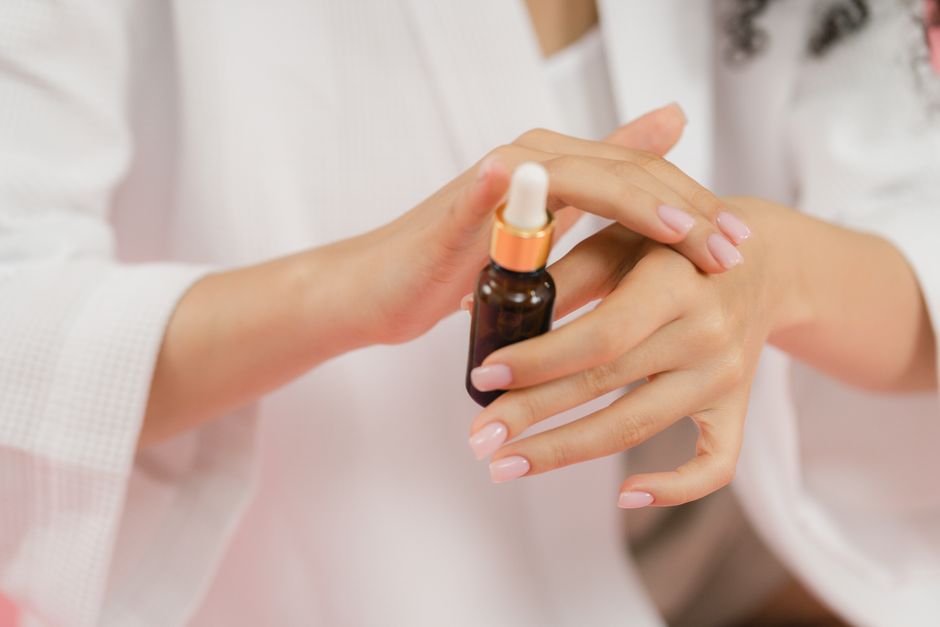
If your real goal is the glow rather than the sun itself, sunless tanning sidesteps the whole problem. A gradual self-tanner or a mousse applied at home gives you control the sun never offers — you decide exactly where the color goes and how deep it builds. No straps, no stripes, just an even finish you direct yourself.
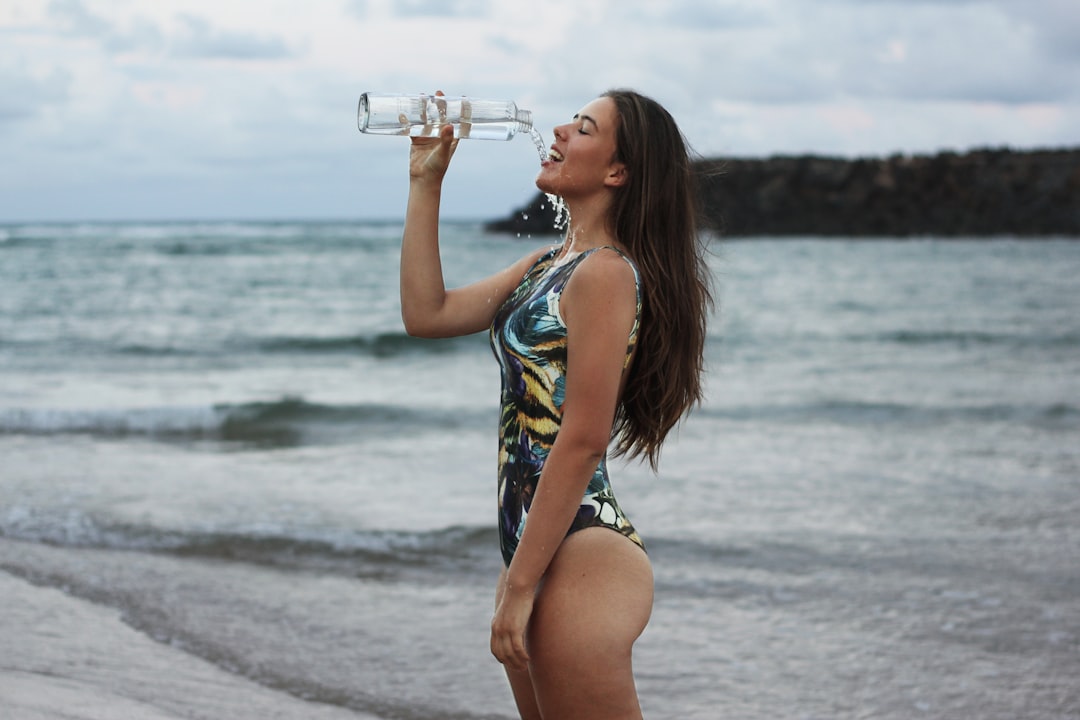
The secret to a believable result is preparation. Exfoliate a day before so the product grips evenly, moisturize dry zones like elbows, knees, and ankles so they don’t grab too much, and use a mitt to keep your palms clean. Build the color in light layers rather than one heavy coat — you can always add more tomorrow, but undoing an over-tanned patch is far less forgiving. A gradual formula that you reapply every few days tends to look the most natural and is the most forgiving for beginners.
One important note that’s easy to misunderstand: cosmetic self-tanner adds color, not protection. It does not shield your skin from UV light. If you’re heading outdoors, you still need real sunscreen on top — the tan from a bottle is purely for looks.
When Lines Do Appear: Softening and Styling Around Them
Sometimes a line happens anyway — a long, spontaneous afternoon you wouldn’t trade. The good news is that contrast fades. Gentle exfoliation over a few days helps the sharper edges blur as the surface skin naturally renews, and a rich moisturizer keeps everything looking smooth and healthy while it evens out. There’s no need to scrub aggressively; patience does most of the work.

For an event that won’t wait, a body makeup or a tinted lotion can temporarily bridge the gap on shoulders and chest — the same idea as concealer, just on a larger canvas. And there’s always the styling route: lean into the neckline that hides the line you have. A halter dress over halter tan marks, an off-shoulder top over a strapless line, a high-neck over a deep-V outline. Working with the line you’ve got is often quicker than erasing it.
A Body-Positive Bottom Line
Avoiding tan lines is a small, satisfying piece of summer styling — not a referendum on whether your body is doing things right. The most effective approach turns out to be the kindest one to your skin: choose swimwear whose borders fall where you want them, move your straps so no single line dominates, protect every exposed inch with real sunscreen, and reach for a bottle when you want color without the contrast.
Do all of that and you’ll spend less time worrying at the mirror and more time actually enjoying the water. Whether you end the season with poreclain-even skin, a sun-kissed glow, or a proud set of stripes from your favorite suit, the point was always the day at the beach — not the evidence it left behind. Wear what makes you feel good, protect the skin you’re in, and let the rest be a detail.
Sources
- American Academy of Dermatology — sun protection and skin care guidance
- Skin Cancer Foundation — UV exposure and sunscreen basics
- U.S. Food & Drug Administration — sunscreen and self-tanner labeling
Shop our full range of bikinis and swimwear at the BikiniCool store →