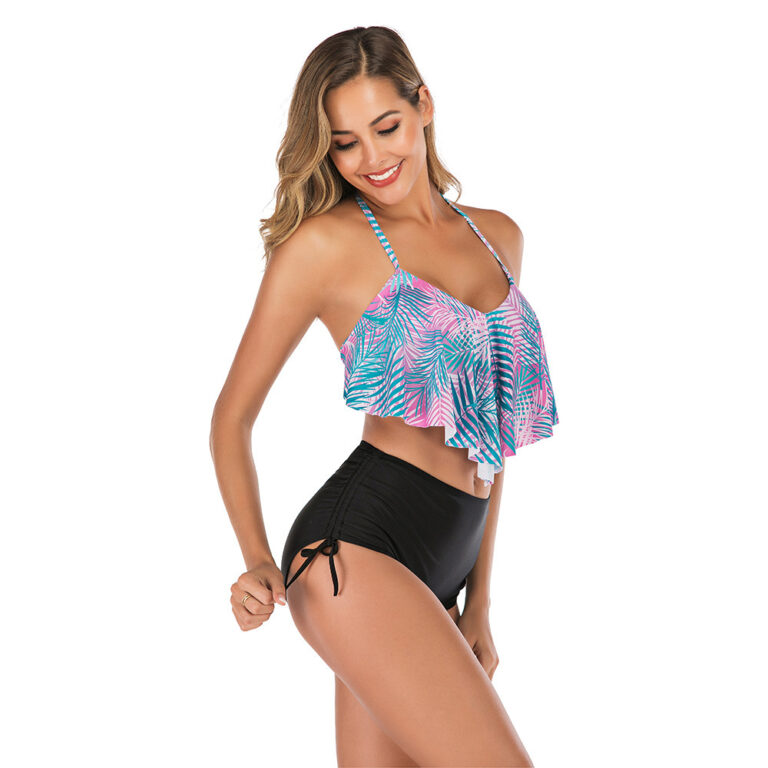
The Truth About ‘Flattering’ Swimwear (And What Actually Matters)
Type “best swimwear for every body type” into a search bar and you’ll get thousands of confident-sounding answers. Pears should wear this. Apples should avoid that. Hourglasses were basically born for the whole rack. It all feels helpful — reassuring, even — until you notice that the advice quietly assumes there’s something about your body that needs managing before you’re allowed to enjoy the water. This is a guide about swimwear, but it starts somewhere uncomfortable: with the idea that the entire “flattering for your shape” framework might be asking the wrong question in the first place.
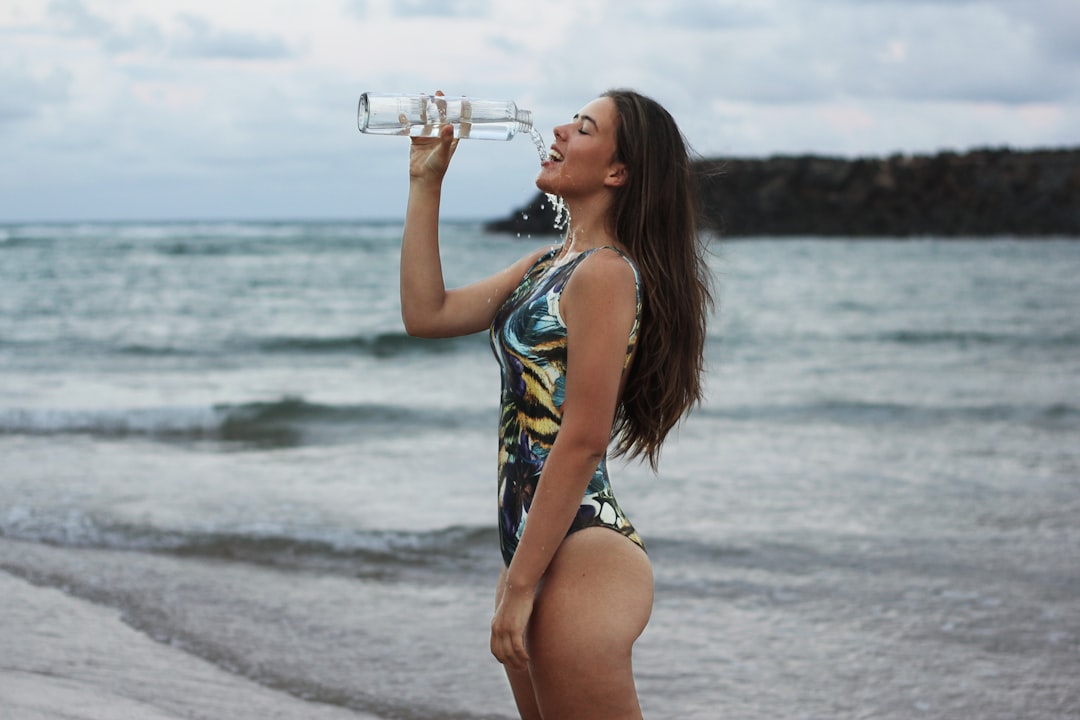
Where the “Body Type” Rules Actually Came From
The fruit-and-shape system — pear, apple, hourglass, rectangle, inverted triangle — feels timeless, like it’s always been the natural way to describe a human body. It hasn’t. It’s a fairly recent piece of commercial shorthand, popularized through mid-twentieth-century fashion marketing and then supercharged by magazines that needed a repeatable formula to fill pages every summer. The genius of it, from a selling perspective, is that it turns a personal, emotional decision into a fake technical problem. You don’t just like a swimsuit anymore. You have to solve for your “type” first.
Once you see it that way, the cracks show fast. The categories are wildly reductive — every real body is a moving blend of proportions that shift with posture, weight, age, and the time of day. Worse, the rules contradict each other constantly. One article tells you a high-cut leg “lengthens” you; the next warns it “exposes” you. The reason the advice can’t agree is that it was never describing your body. It was describing a fashion mood, dressed up in the language of flattery.
What “Flattering” Really Means (And Why It’s a Trap)
Here’s the part that rarely gets said out loud: “flattering” almost always means “making your body look closer to one narrow ideal.” Slimmer here. Longer there. Smaller waist, taller legs, less stomach. When a swimsuit is praised as flattering, the compliment usually hides an assumption — that your actual proportions are a starting problem to be visually corrected.
That’s a heavy thing to carry into a fitting room. It reframes a fun purchase as a quiet act of self-improvement, and it guarantees you’ll never feel finished, because there’s always another angle to “fix.” The freeing move isn’t to find the most flattering suit. It’s to retire the word entirely and replace it with better questions: Does this stay put when I move? Does it support what I want supported? Do I actually like looking at it? Those questions have real, checkable answers. “Flattering” never will.

The best swimwear for your body isn’t the suit that changes how your body looks. It’s the suit that lets you forget you’re wearing one.
The Things That Genuinely Matter Instead
If shape-matching is the wrong lens, what’s the right one? It turns out the qualities that make swimwear feel great are physical and specific — the kind of thing you can test in a mirror in thirty seconds, no personality-quiz required.
Fabric and Compression
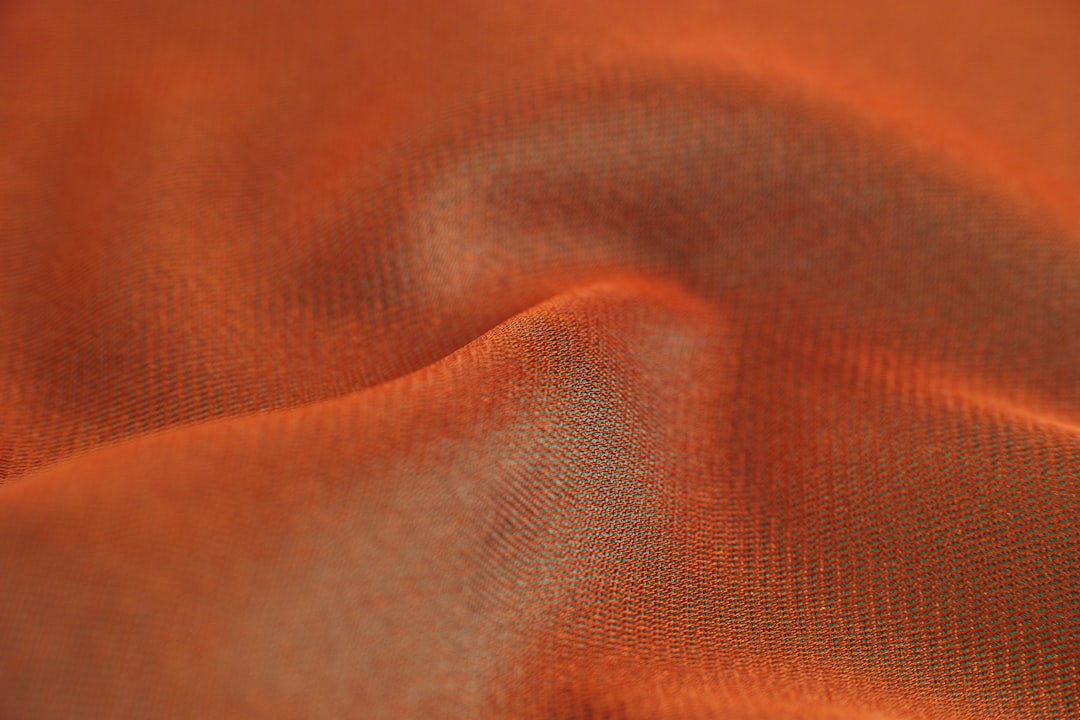
Swim fabric is the unsung hero of comfort. A good blend — typically nylon or polyester spandex somewhere around the 18–22% elastane range — holds its shape wet or dry, resists sagging, and gives gentle, even pressure that simply feels secure. Thin, cheap fabric goes sheer when wet, rolls at the edges, and stretches out after a few swims. When a suit feels “expensive” and calming on the body, you’re usually feeling the fabric, not the cut. Hold a suit up to the light before you buy: if you can read text through it, it’ll disappoint you at the pool.
Support Where You Want It
Support is a preference, not a prescription. Some people want an underwire and molded cups for lift and a defined shape; others find that miserable and prefer a soft shelf bra or a bralette-style top that lets everything sit naturally. Neither is more “correct.” What matters is that the support matches how you plan to move. Bodysurfing a shore break asks more of a top than lounging with a book does. Match the engineering to the day, not to a category chart.
If you want reliable lift and adjustability without hunting through a hundred listings, a well-reviewed underwire one-piece is one of the easiest upgrades to make.
Shop Underwire One-Piece Swimsuits on Amazon →
Coverage and Movement
Coverage isn’t modesty scored on a scale — it’s a comfort setting. The right amount is simply the amount that lets you stop thinking about your suit. If you’re forever tugging a bottom down or hitching a strap up, the coverage is fighting your movement, and no amount of “but it’s flattering” makes that pleasant. Do the real-world test in the changing room: bend, squat, raise both arms overhead, roll your shoulders. A suit that stays honest through all of that has already earned its place.
Straps, Seams, and the Small Stuff
The details you can’t see in a photo are often the ones that decide whether you love a suit. Adjustable straps let you fine-tune fit across a long day. Flat-locked or bound seams sit smooth against skin instead of chafing. A fully lined front means no surprise transparency. Removable cups let you customize. None of this shows up in “best for your body type” listicles, because none of it depends on your shape — it depends on how the suit was built. That’s exactly why it matters more.
How to Actually Shop, Once You’ve Dropped the Rules
Freed from the shape charts, swimwear shopping gets refreshingly practical. Start with the occasion, not the mirror. A suit for serious swimming, a suit for a beach bar at sunset, and a suit for chasing kids through the shallows are three genuinely different tools, and trying to buy one suit to do all three is where most disappointment begins.

Next, prioritize how it feels over how it “reads.” Put the suit on and pay attention to your own attention. Are you noticing seams, edges, a strap digging in — or does it disappear? The suits that disappear are the keepers. Then, and only then, ask whether you like the look. Not whether it obeys a rule. Whether the color makes you happy, whether the cut is one you’d reach for without thinking. That’s a preference you’re allowed to have without justifying it to a shape category.
A quiet trick that helps almost everyone: build a small rotation rather than hunting for one mythical perfect suit. A supportive one-piece for real swimming, a tankini or high-waisted set for days you want more coverage, and one “just because I like it” piece covers most of summer without the pressure of any single suit having to be everything.
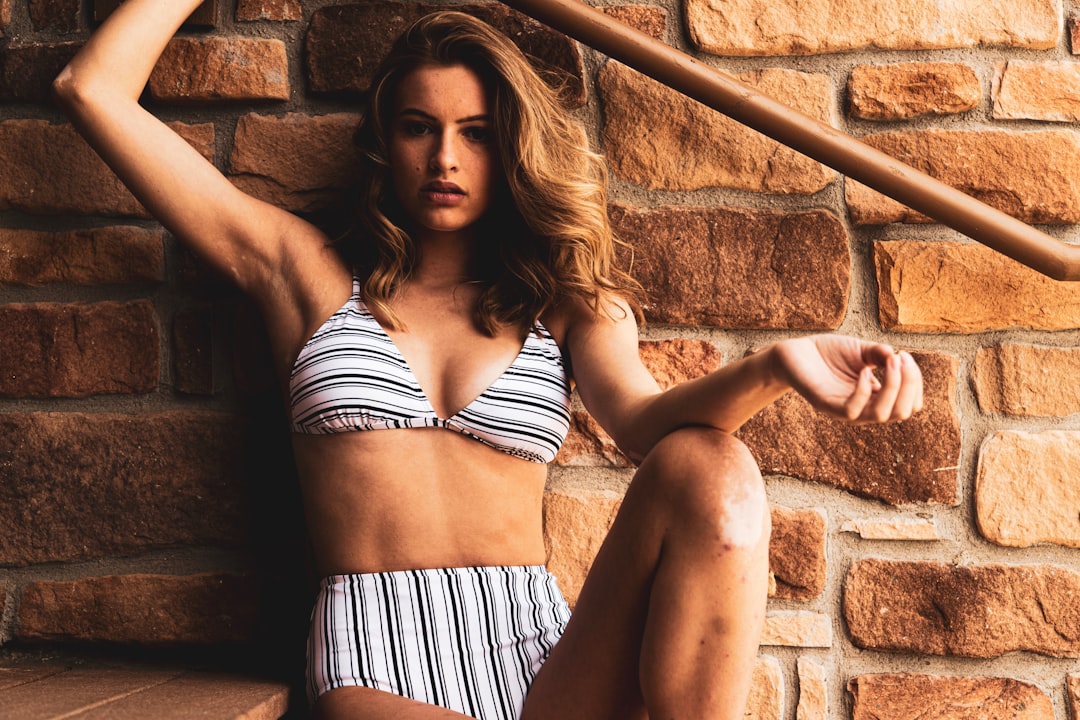
A high-waisted set is a smart anchor for that rotation — comfortable, secure, and easy to mix and match across the season.
Shop High-Waisted Bikini Sets on Amazon →
The Confidence Part Nobody Sells You
There’s a reason the “best swimwear for every body type” promise sells so well: it dangles confidence as something a purchase can hand you. Buy the right cut for your shape and you’ll finally feel okay in a swimsuit. But most people who feel easy at the beach didn’t get there by cracking the shape code. They got there by going often enough that the self-consciousness wore off, by being around other real bodies of every kind, and by slowly realizing that almost nobody at the pool is studying them the way they fear.

Swimwear can absolutely support that ease — a suit that fits well and stays put removes a hundred tiny distractions, and that alone frees up a surprising amount of mental space. But it’s support, not a source. The confidence comes from you, from repetition, from choosing to be in the water instead of managing how you look near it. The suit’s job is just to get out of the way so you can.
A soft, comfortable coverage piece — a tankini or a swim dress — is a genuinely useful bridge for anyone easing back into the water, precisely because it lets you stop thinking about coverage and start thinking about the swim.
Shop Tankini Swimsuit Sets on Amazon →

So, What Is the Best Swimwear for Your Body?
If you came here for a rule, here’s the only honest one: the best swimwear for your body is the suit made from good fabric, built with the support and coverage you actually want, in a color or cut that makes you a little happy to put it on. That answer works for every body precisely because it doesn’t sort bodies into types at all. It sorts suits — by how they’re made and how they feel — and hands the final call back to you, where it always belonged.
Drop the fruit chart. Hold the fabric up to the light. Do the squat test. Buy the one that disappears when you move and makes you want to get in the water. That’s not a compromise on the “best for your body type” search — it’s the real answer to it.
Sources
- Body image and self-perception research overviews
- Psychology Today — body image and self-esteem
- Wikipedia — history of the swimsuit
- NHS — body confidence and wellbeing
Shop our full range of bikinis and swimwear at the BikiniCool store →