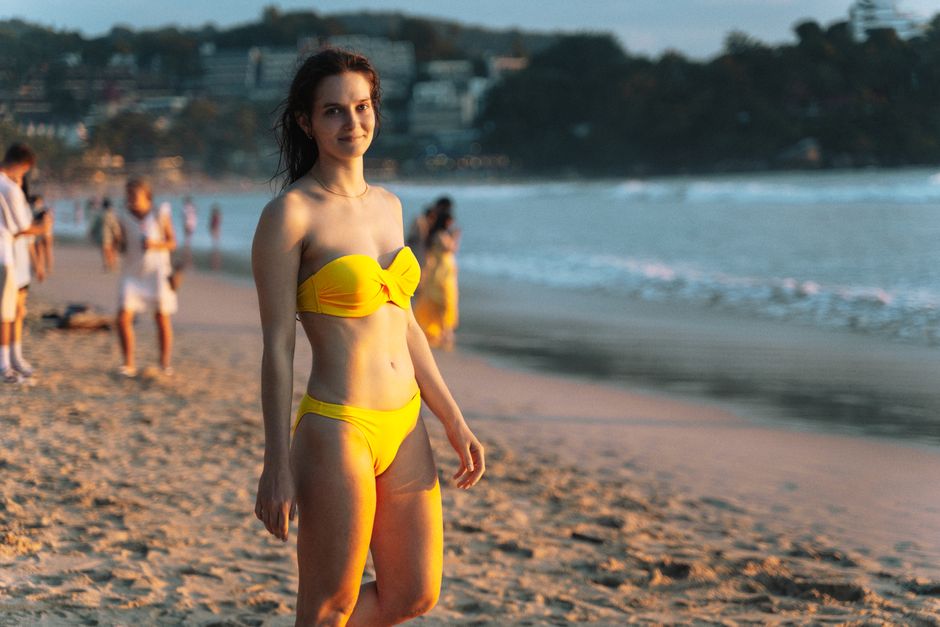
Bandeau Swimwear in Motion: How Strapless Styles Perform When You’re Active
Many women reach for a bandeau or strapless bikini at the start of summer, drawn to clean tan lines, the casual ease, and the relaxed feeling of bare shoulders in warm sun. Then the moment arrives — jumping waves, a spontaneous run into the surf, a friendly game of paddleball — and suddenly a question surfaces: will this actually hold up?
The anxiety around bandeau swimwear and movement is one of the most common hesitations women share when describing their swimwear choices. And yet millions of women wear bandeau and strapless styles through active beach days every season without incident. The difference rarely comes down to body type. More often, it comes down to construction — knowing which bandeau designs are built for movement, how different fabrics and hardware behave in water and during activity, and what small adjustments make the biggest difference when you want to stay strapless without second-guessing yourself every time you stand up.
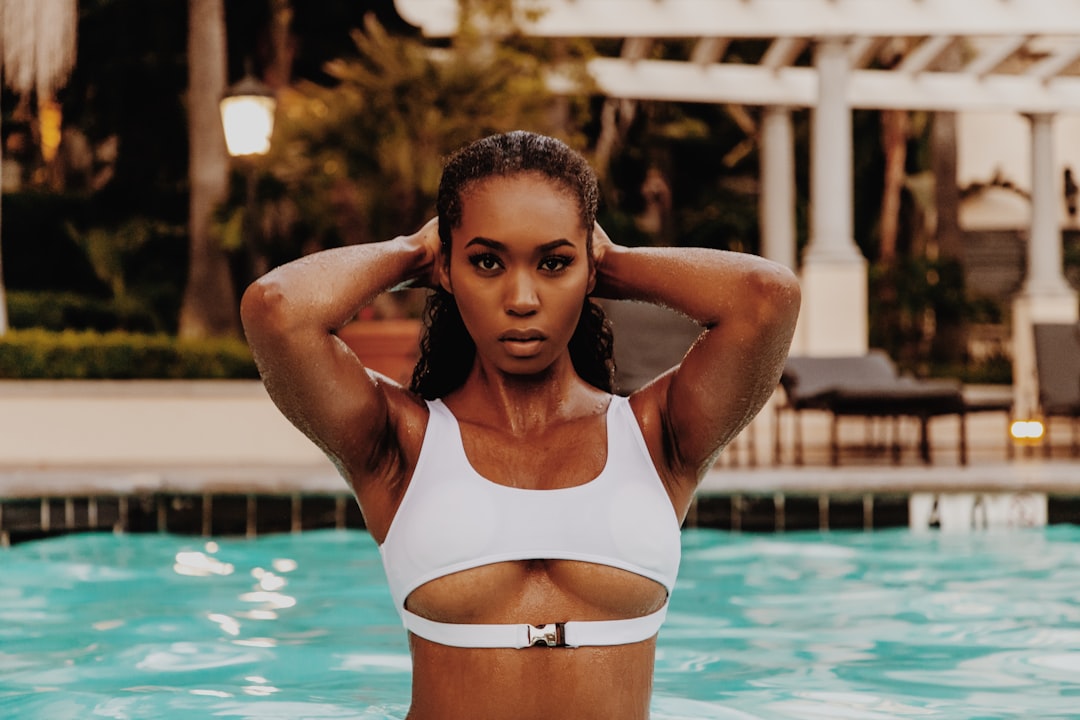
What Separates a Bandeau That Moves from One That Doesn’t
Not all bandeau tops are built the same, and this is where most of the confusion around strapless swimwear starts. The word “bandeau” covers an enormous range of construction — from a simple soft tube of stretch fabric to a fully boned, underwired, silicone-gripped top that rivals the hold of a structured bra. Understanding what’s inside your top explains almost everything about how it will behave when your body is in motion.
The most basic bandeau is a wide band of nylon-spandex fabric with elastic at the top and bottom edges. This style is light, packable, and genuinely beautiful for sunbathing and slow beach afternoons. It isn’t designed for active movement, and it won’t pretend to be. In waves or during overhead arm movements, it will shift. That’s not a flaw — it’s the honest tradeoff of the lightest, simplest construction. Knowing that upfront means you can choose the right version of strapless for the day you’re actually having, rather than blaming the concept when a soft tube top moves in the surf.
A significant step up is the silicone-grip bandeau, which adds a strip of textured silicone sewn along the inside top edge. This single element changes the physics dramatically. The grip bites into skin and fabric, resisting the upward and downward shift that happens when your body is in motion. Women who’ve struggled with basic bandeaus in the water often find that a silicone-grip version stays securely in place through moderate swimming and casual beach activities — the kind of movement that defines most real beach days.

The highest-hold option in bandeau construction is the structured top with underwire and boning. These use rigid support channels running vertically through the cup panels, plus an underwire beneath the bust, to create a top that functions more like a strapless bra than a tube of fabric. The structure distributes movement forces across a wider surface area, making slippage far less likely. Many women who assumed they “couldn’t wear bandeau” discover that a structured, underwired version gives them everything they were looking for — and that the issue was never their body. It was always the construction.
The Tie Detail That Changes Everything
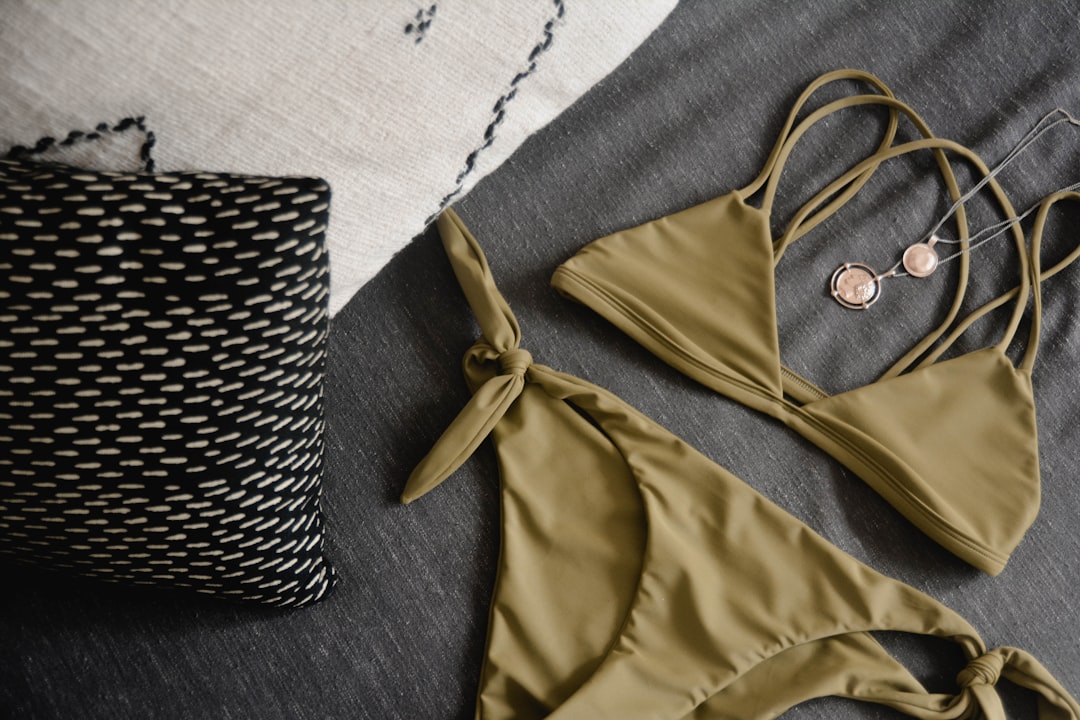
One of the most practical modifications in modern bandeau design is the removable halter tie. A thin cord threaded through the center of the top and knotted at the back of the neck transforms a strapless top into something with real overhead stability — a critical difference for paddleboarding, kayaking, or a competitive round of beach volleyball. Because it’s removable, you get the clean strapless look when you’re relaxing and add genuine support the moment you become active. It’s the most versatile feature in bandeau swimwear, and it’s increasingly standard on mid-range and above styles.
Tie-front bandeaus offer a related variation: two fabric panels meet at the center chest and knot together, creating a V-shape that adds structural tension across the cup. The knot resists slippage because it creates directional pull that works against the upward shift from overhead movement. Tie-front styles also tend to deliver more coverage through the bust than flat-panel bandeaus, which many women find adds comfort and confidence on active days.
If you already own a plain bandeau, many brands sell removable halter string sets separately — a simple cord with a hook-and-eye clip that attaches through the fabric loops most bandeaus already include. Adding one costs very little and can make an existing top significantly more wearable on days when you plan to move.
Shop Bandeau Bikini Tops with Removable Halter on Amazon →
In the Water: What to Realistically Expect
Swimming in a bandeau is probably the scenario that generates the most apprehension, and it’s worth being direct about what actually happens in practice. In calm water — a pool, a still lake, a gentle surf zone — a well-fitted bandeau with grip strips or underwire will typically stay in place through moderate breaststroke and casual floating. Doing serious freestyle laps or repeated dives is a different matter; for dedicated lap swimming, a bandeau isn’t the optimal tool regardless of construction.

The ocean adds wave energy, which changes the equation. Waves breaking at chest level or above create significant upward and lateral force on any top. A soft tube bandeau will almost certainly shift in this environment. A structured or silicone-grip bandeau will resist better but may still need adjusting after an especially active wave encounter. If you’re planning actual surfing, bodyboarding, or jumping through shore break, adding the halter tie or switching to a one-piece is simply the practical answer — not a compromise, just the right tool for the conditions.
For the vast majority of beach days, though, “being in the water” means wading, floating, occasional dunking, and emerging to dry off. In this context, almost every well-fitted bandeau style performs comfortably. The key phrase is well-fitted. A bandeau that’s too large will shift regardless of construction; one that fits snugly through the band and cups gives you the confidence to move without overthinking it.
Bandeau and Strapless Swimwear for an Active Beach Day
Beyond swimming, the active beach day includes a range of movement that bandeau styles handle far better than many women expect. Walking on sand, beach yoga, paddleball, frisbee, even casual volleyball — these involve arm movement but not the overhead impact or chest-level wave force that creates the most significant shift risk. Structured or grip-strip bandeaus handle this kind of moderate activity with ease, and most women who try it are pleasantly surprised by how stable a well-chosen top actually feels throughout the day.
Paddleboarding is one of the activities women most often cite as feeling risky in a bandeau, and the reality is usually more relaxed than expected. Standing on a board involves gentle torso rotation, not overhead throwing or impact forces. A structured or silicone-grip bandeau with a halter tie handles a paddleboarding session comfortably for most body types and bust sizes. The halter tie does most of the work during paddle strokes; removing it on the water leaves you strapless for the floating and resting moments whenever you choose.
Shop Underwire Strapless Bandeau Tops on Amazon →
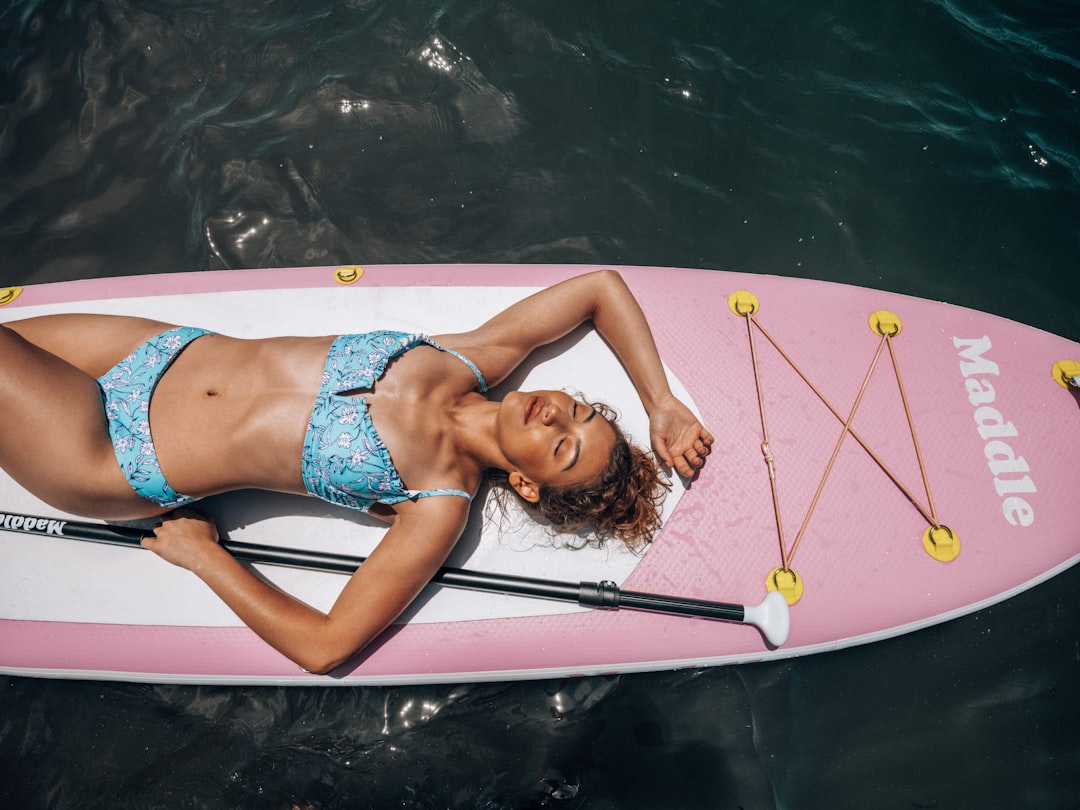
Kayaking presents a similar dynamic — it’s a seated sport involving rotation rather than vertical impact, which means most structured bandeaus perform well throughout a session on the water. The practical challenge in a kayak is more about sun exposure across your shoulders and upper back than about the top staying in place. A light rash guard or linen coverup layered over a bandeau handles both the sun protection question and adds a secondary layer of security. Once you’re off the water, the coverup comes off and you’re back in your strapless look.
A Note for Larger Busts: The Right Construction Exists
The conversation around bandeau wear and bust size deserves a direct and honest response, because the hesitation is real and widely shared. Women with larger busts frequently describe feeling like strapless swimwear “isn’t for them” — usually after trying a soft tube style that simply doesn’t provide the support their body needs. That experience is valid. But it points to a mismatch between design and use case, not between bandeau swimwear and larger busts as a category.
The answer is choosing bandeau tops designed for genuine bust support: fully underwired styles, those with molded cups and vertical boning, or sports-influenced bandeau designs that incorporate broader elastic bands and structural support throughout the cup. Several brands now offer bandeau tops in actual cup sizes — 32B, 36D, and beyond — rather than generic XS through XL, which makes it possible to find a top that genuinely fits rather than one you’re approximating into service.
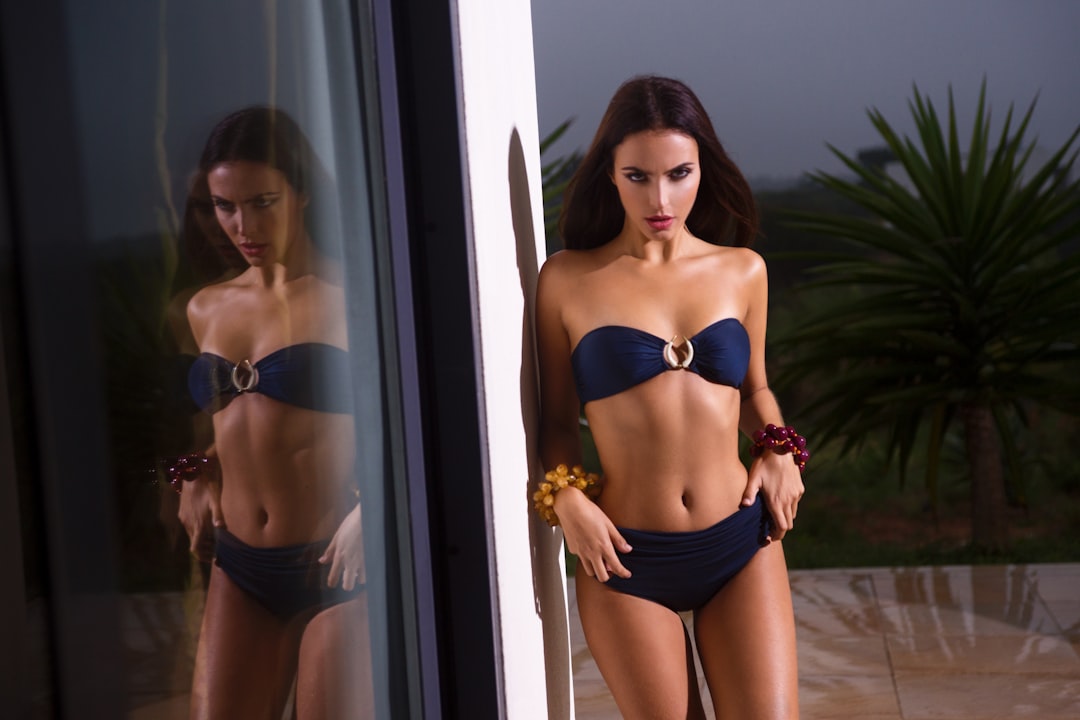
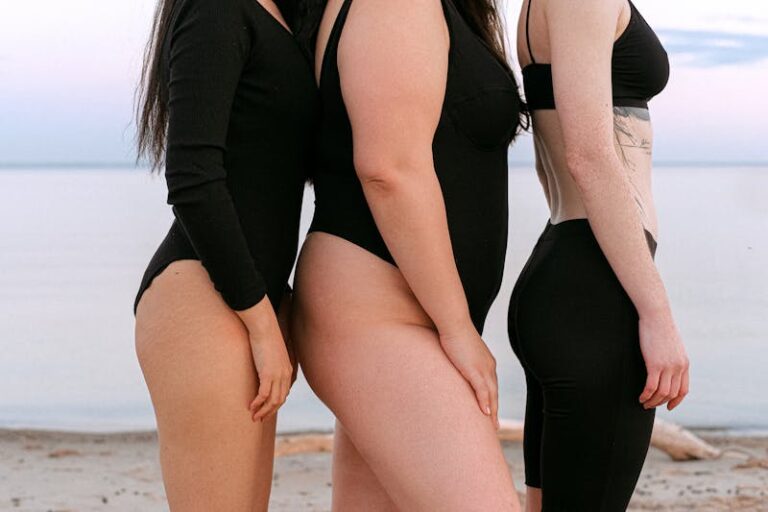
Body-positive swimwear design has moved decisively in this direction over recent seasons. What previously meant a limited selection of heavily structured styles now includes fashionable, current bandeau designs made with larger cup sizes in mind from the pattern stage — not just scaled-up versions of small-cup cuts. When the construction matches the bust it’s meant to support, wearing a bandeau on an active beach day stops being a compromise and starts being a genuine choice that belongs to every body.
Strapless One-Pieces for the Most Active Days
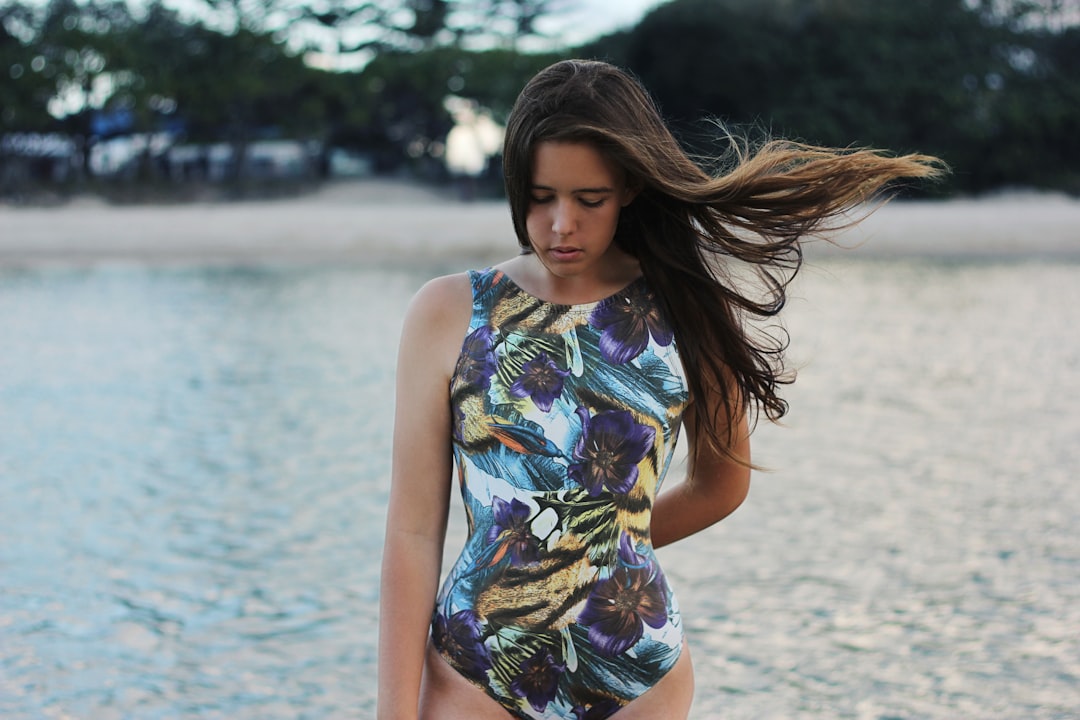
If high-movement beach days are your primary context — surfing, intense beach volleyball, open-water swimming — the strapless one-piece deserves serious attention alongside the bandeau bikini top. It solves the most challenging active-wear scenarios while keeping the clean shoulder line and aesthetic appeal that makes strapless swimwear so compelling. One-piece construction wraps the entire torso, which distributes movement-related force across a much larger anchoring surface than any bikini top can provide on its own.
Modern strapless one-pieces use the same grip strips, underwire, and structured boning found in bandeau bikini tops, with the added security of a continuous torso panel. The aesthetic payoff is equally strong: a strapless one-piece creates an elongating silhouette that transitions easily from an active morning in the water to a resort afternoon with a wrap skirt or open-front coverup. For women who want the full strapless look without any of the movement hesitation, a well-fitted strapless one-piece is often the definitive answer.
Shop Strapless One-Piece Swimsuits on Amazon →
Choosing Bandeau and Strapless for What You’ll Actually Do
The most useful reframe in thinking about active bandeau wear is this: match the construction to the day’s actual activity, rather than deciding in advance whether strapless is “safe” or “allowed” for your body. When the decision is practical — based on what you’ll do rather than what you fear — it becomes straightforward. A long lounging session with occasional wading? Almost any well-fitted bandeau serves you beautifully. A serious surf session? Go strapless one-piece or add the halter tie and secure it tightly. A mixed day of activity in the morning and sunbathing in the afternoon? Choose a bandeau with a removable tie so you can shift modes as the day changes around you.
The body-positive truth about bandeau and strapless styles is that the limitation was never body type. It was always design. Every body deserves to move through a beach day in the swimwear it loves, and the right construction makes that possible. Choose the bandeau built for your day, and strapless swimwear will move with you — not against you.
Sources
- Wikipedia — Swimsuit history and construction
- Vogue — Swimwear and beach fashion
- Harper’s Bazaar — Beach and resort style