
How to Shop for Swimwear Online: 7 Mistakes to Avoid
The swimwear industry has a return rate of around 40%—nearly double the average for fashion apparel—and most of those returns have nothing to do with changing your mind. They’re sizing surprises, fabric disappointments, and photos that made an $85 bikini look better than it actually is. Every one of those problems is preventable. Once you know what to look for before checkout, buying swimwear online becomes a much more predictable experience.
Measure First, Browse Second
If you skip this step, everything else goes wrong. Swimwear doesn’t follow standard clothing sizing—a Medium at one brand is a Small at another, and neither matches the Medium you wear in jeans. Your measuring tape is the only reliable guide you have.
Take three measurements: bust (across the fullest part of your chest), waist (at your natural waist, not where your jeans sit), and hips (the widest point). Write them down in both inches and centimeters—different brands use different units in their charts, and converting on the fly leads to errors.
The important thing is to compare those numbers to the brand’s size chart, not the size label. A chart that gives measurements in ranges is more useful than one that just says S/M/L. If a brand’s site doesn’t offer a measurement-based chart, that’s worth knowing before you commit to anything.
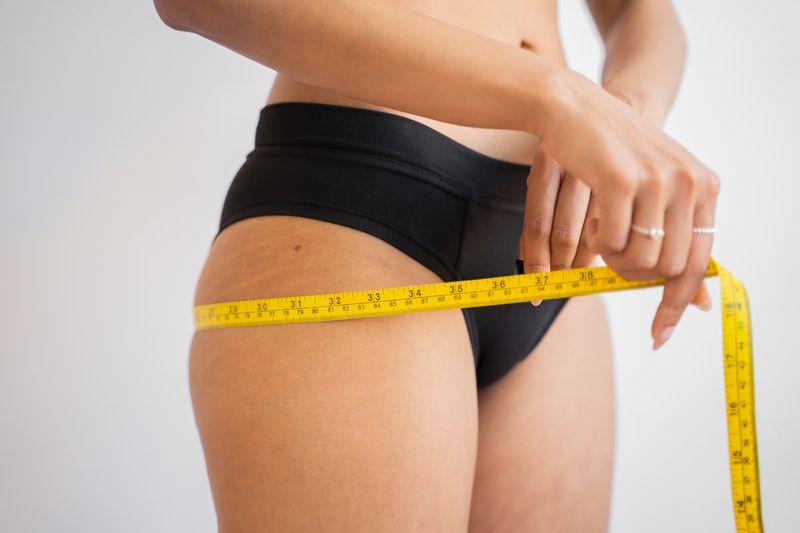
Accurate measurements beat guessing your size every time.
Fabric Labels Tell You Everything (If You Know What to Look For)
This is the detail that separates a $25 swimsuit that loses its shape after three wears from one that lasts a full season. It takes ten seconds to check, and most shoppers skip it entirely.
Look for a nylon content of at least 80%. Nylon holds its shape under tension, resists chlorine better than polyester, and dries faster after you get out of the water. The remaining percentage should be spandex (also listed as elastane or Lycra)—typically 18–20%—which gives the suit its stretch and snap-back recovery.
Polyester isn’t a dealbreaker, but expect it to fade faster, especially in saltwater. Anything marketed as “quick-dry” or “chlorine-resistant” almost always specifies its fiber content; if a listing doesn’t mention fabric at all, treat that as a warning sign. Our complete guide on swimwear fabrics covers what each material does in real water conditions if you want to go deeper before buying.
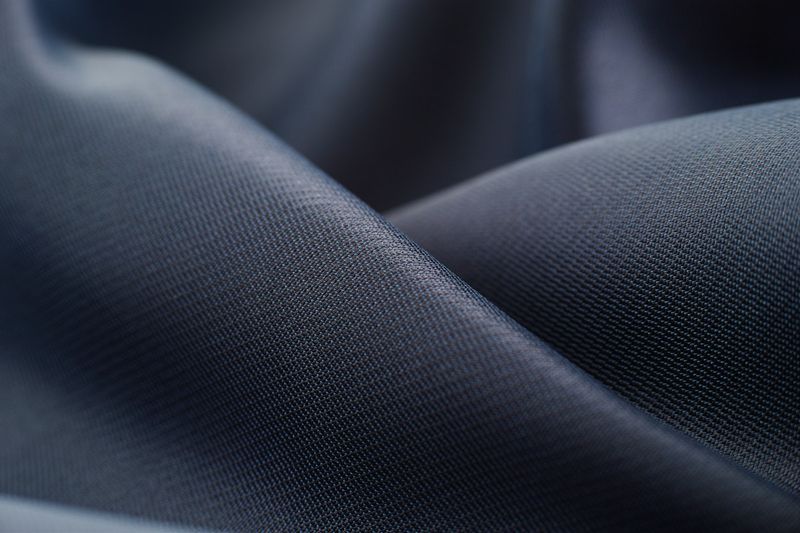
The fabric content label determines how long your swimsuit actually lasts.
The Return Policy Problem
Most people check the return window after they’ve already ordered. Check it before. Swimwear return policies vary more than any other clothing category because of hygiene restrictions, and the rules differ enough between retailers to matter.
A few things to confirm before checkout:
- Is the return window 14 days or 30? Fourteen days moves fast, especially if you’re buying for a trip.
- Are swimsuit bottoms returnable at all? Some retailers mark them final sale by default.
- Does the site offer exchanges, or only store credit? Credit locks you into that retailer.
- Who covers return shipping? On a $30 item, an $8 return label changes the math significantly.
Most retailers also require the original hygiene liner to be intact—which means trying on bottoms without it in place forfeits your return option, whether you realize it or not. The FTC’s online shopping guide outlines your basic rights if a return doesn’t go as expected.
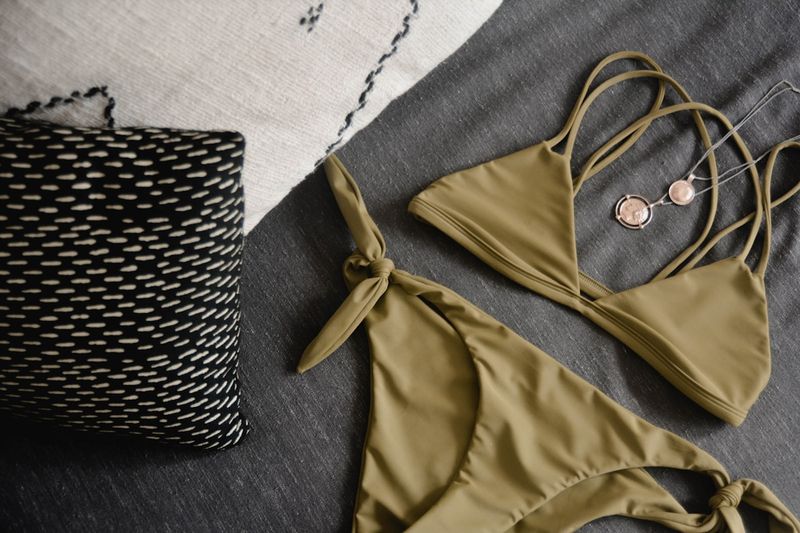
Reading the return policy takes two minutes. Not reading it can cost you a swimsuit.
Why Ordering Two Sizes Is the Smarter Move
If you’re between sizes—and most people are in at least one area—order both and return whichever doesn’t fit. The minor hassle of a second return is almost always less painful than buying the wrong size, receiving it the week before your trip, and scrambling for a replacement.
This strategy costs nothing extra when the site offers free returns, and it’s particularly useful if you’re shopping for a mix-and-match set: you might need a Medium top and a Large bottom, or the reverse. See our guide on mix and match bikinis for how to pair sizes intelligently across different styles without ending up with a mismatched set.
Look Past the Hero Shot
The main product photo is the best possible version of that swimsuit—lit perfectly, on a model whose proportions fit the sample size precisely, and often retouched. It tells you the color exists and what the silhouette looks like. It doesn’t tell you much else.
Scroll to the alternate photos: the back view, the side view, any lifestyle shots. These show how the fabric sits under real movement, whether the bottoms have visible coverage, and how the top handles different proportions. If a listing only has one photo, take that as a yellow flag. Good products have nothing to hide from additional angles.
Zoom in on the stitching when you can. Exposed thread ends, uneven seams, or stitching that puckers are often visible even in product shots—and they predict a swimsuit that will fray under regular wear and washing.
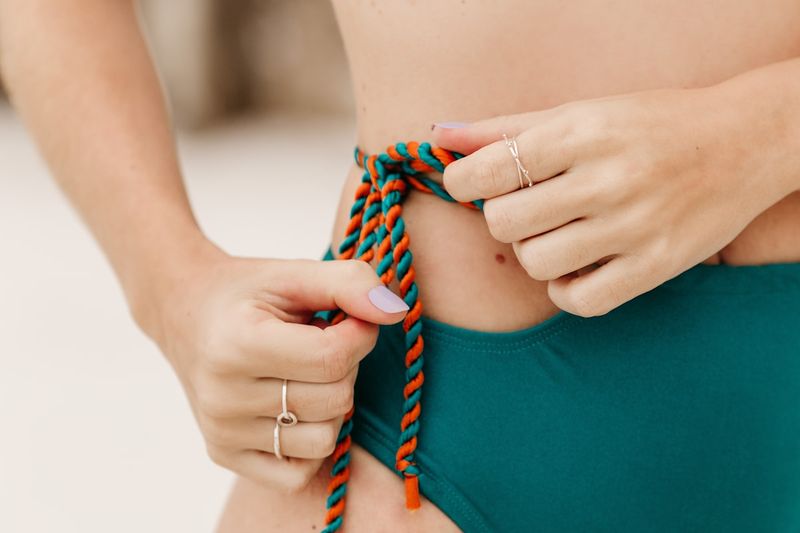
Multiple photo angles reveal construction quality that a single hero shot hides.

Shop Off-Season for the Best Selection
The widest selection—and the lowest prices—on online swimwear happens in late January and February, not July. By peak summer, popular colorways and size runs are already depleted, and restocking can take weeks if it happens at all.
If you know you’ll need swimwear for a summer trip, buy in March at the latest. Off-season doesn’t mean lesser product—it means full inventory, complete size runs, and often 20–40% lower prices as retailers move pre-season stock. For mid-summer emergencies, filter by “in stock” and sort by newest arrivals; brands that do regular drops tend to have better availability than those running a single seasonal collection.

The best swimwear deals and selection happen before summer begins.
Tops and Bottoms Don’t Have to Match Your Regular Size
This one catches almost everyone the first time they buy online. Bikini tops size by cup and band—similar to bra sizing—while bottoms size primarily by hip measurement. A woman who wears a 34C bra and has 38-inch hips will often need different numeric sizes for top and bottom, and that’s completely normal, not a sizing problem.
For tops, your bra size is a better starting point than your dress size. If a listing offers cup-based sizes (A/B, C/D, DD) alongside standard S/M/L, use the cup sizing—it’s more accurate. If it only offers S/M/L for tops, look in the reviews for comments that mention cup size; that real-world data beats the chart. For bottoms, go by your hip measurement. When you’re between measurements, size up—a slightly roomy bottom is more comfortable than one that cuts in.
For detailed measurement instructions and a brand-by-brand comparison, check our full guide on how to choose swimsuit size online.
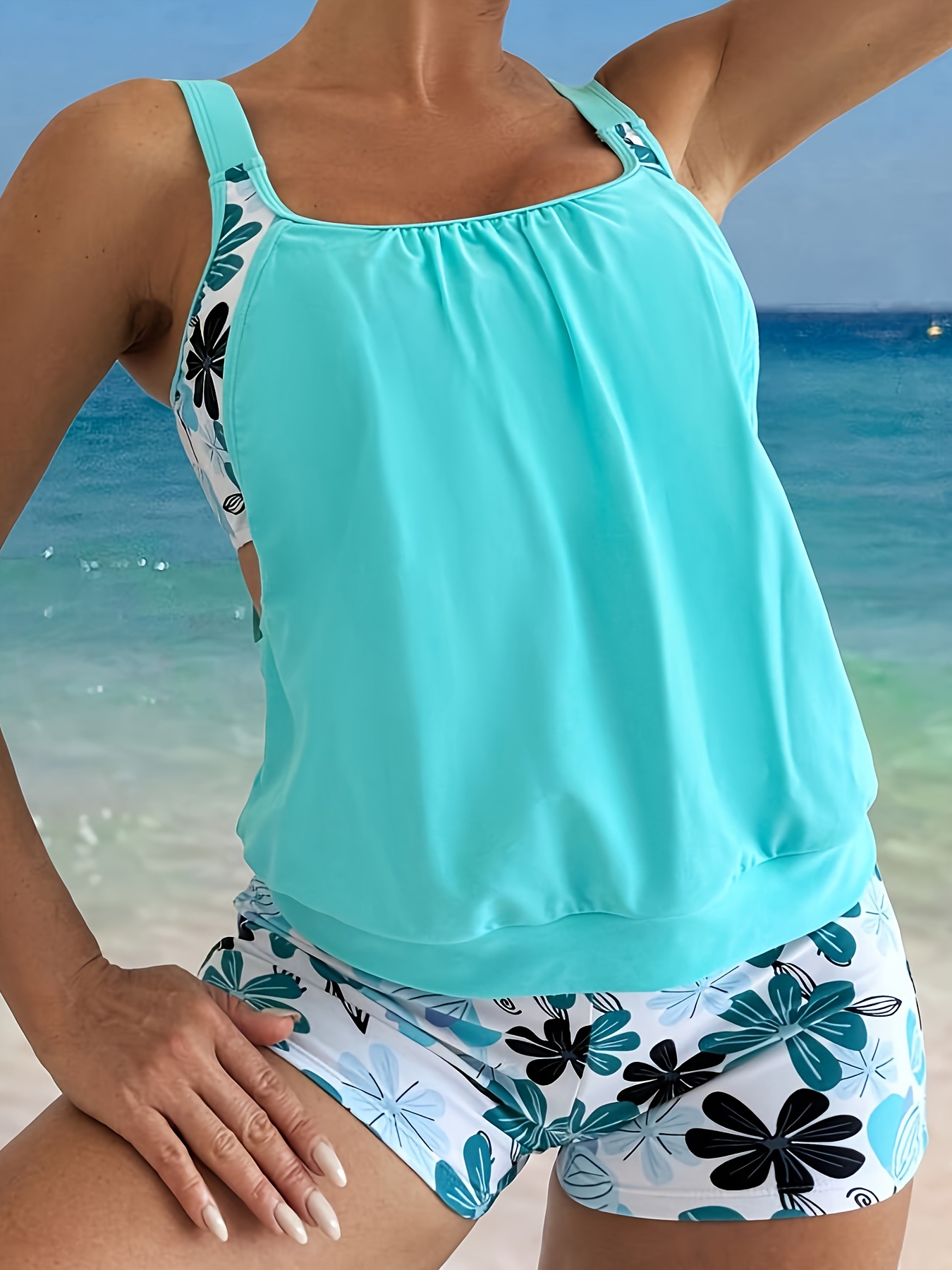
How to Read Reviews That Actually Help
Reviews on swimwear are only as useful as their specificity. “Loved it!” tells you nothing. “Size M, 5’4”, 34D, runs true in the top but small in the hips” is the kind of review worth reading twice.
Filter by body type if the site allows it—some retailers let you sort reviews by height, weight, or cup size. Pay more attention to the 3-star reviews than the 5-star ones; they tend to describe actual tradeoffs rather than enthusiasm. And look for photo reviews: they show the suit in real light, on a real body, without a studio setup and professional lighting.
If you see a pattern of “the color was different than pictured” in reviews, the product photos are likely oversaturated. If you see repeated comments about underwire poking out after a few wears, that’s a construction issue that runs across the product line, not a one-off defect.
Spotting Quality in Product Photos Before It Ships
Three signals in product photos predict durability without needing to touch the suit.
First, look for visible lining in interior shots. Any swimsuit worth buying will show a fabric liner in the body. An unlined suit becomes see-through when wet, and listings that don’t show interior shots often have a reason not to.
Second, check the hardware. Metal rings, buckles, and clasps corrode in saltwater and chlorine. Quality hardware carries a PVD coating or is described as rust-resistant in the listing. Cheap alloy hardware tends to show an orange-gold color cast in photos—compare it to the strap or fabric to spot the difference.
Third, look at the strap attachment points. Where straps meet hardware or fabric is the most common failure point in swimwear. Clean, reinforced stitching at those junctions—visible in zoomed product shots—is one of the most reliable quality signals you can get from a photo.

What you can see in a zoomed product photo tells you more than the listing copy.
The first time you apply all of this at once—measurements in hand, fabric content checked, return policy read, two sizes ordered—it feels like a lot of steps. After the second or third successful purchase, it becomes the automatic approach that stops you from wasting money on swimwear that doesn’t deliver. Browse what you want. Know what you’re actually buying.
Sources
- Federal Trade Commission — Online Shopping: Your Rights — Consumer guidance on return policies, refunds, and dispute resolution for online purchases.
- National Retail Federation — Consumer View Report — Annual data on consumer shopping behavior, including fashion return rates.
- Textile Exchange — Polyester vs. Preferred Alternatives — Material performance data including durability and environmental considerations for synthetic swimwear fabrics.