One-Piece vs Bikini: Settling the Swimwear Debate on Your Own Terms
One-piece vs bikini is one of those questions that sounds deceptively simple — until you’re standing in the swimwear aisle holding one of each and feeling completely stuck. The internet delivers no shortage of confident opinions: “bikinis are more versatile,” “one-pieces are more flattering.” Most of that advice is aimed at a fictional average woman, not you. What actually settles the question is understanding your own context: how you swim, where you travel, what makes you feel at ease in your own skin, and what you genuinely plan to do at the beach. This guide is not about picking a winner. Both styles win. It’s about figuring out which one wins for you, right now.

What Each Style Actually Offers
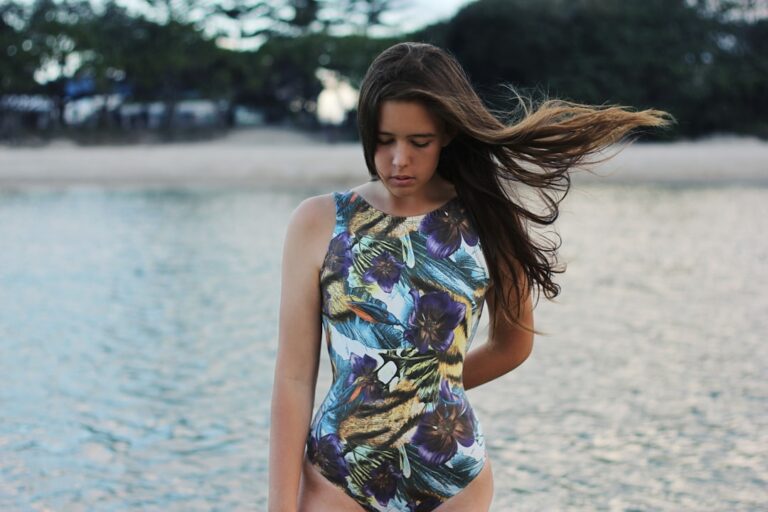
One-pieces have had a quiet revolution. For years they carried an unfair reputation as the “practical” option — the swimsuit you chose when you weren’t confident enough for a bikini. That framing is outdated. Today’s one-pieces range from deep-V plunges and open-back silhouettes to dramatic cutouts, mesh panels, and prints that are anything but conservative. The defining feature isn’t modesty; it’s coverage that stays in place without constant attention. Dive into waves, sprint for a volleyball, chase a toddler into the surf — your swimsuit requires nothing from you. That freedom is real and genuinely underrated.
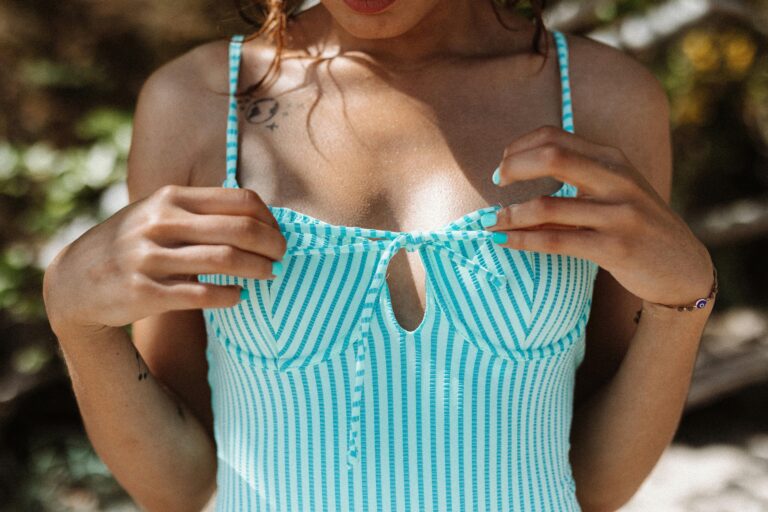
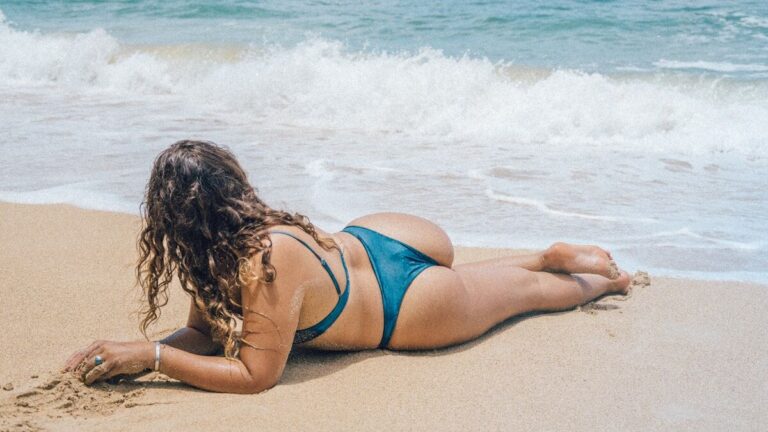
Bikinis offer something different: flexibility. Not just styling flexibility, though being able to mix tops and bottoms for independent sizing is genuinely useful. The deeper flexibility is in how a two-piece adapts — to temperature shifts, to tanning goals, to the easy transition from swimming to sunbathing to a beachside lunch. Coverage can change as simply as retying a string. Bikinis also dry faster, pack smaller, and give you more precise sizing options since tops and bottoms are sized separately. Neither of these things is objectively better. They are different tools for different situations.
The Comfort Question Goes Deeper Than Fabric
When swimwear guides talk about comfort, they usually mean physical fit — how the material feels, whether underwire digs in, whether a top slips. That matters. But there is another kind of comfort that often drives the one-piece vs bikini decision more than any tactile consideration: how self-conscious you feel. This isn’t a flaw or a weakness. It’s honest information about what will actually allow you to enjoy your day.
For some women, a one-piece is immediately less stressful. Coverage is consistent, there’s nothing to monitor or readjust, and the streamlined silhouette removes a layer of vigilance that bikini-wearing can quietly introduce. If you’re spending mental energy on whether your bikini bottom has shifted during a swim, you are not actually relaxing — and the whole point of a beach day is the opposite of vigilance. For other women, the reverse is true. A one-piece in intense heat can feel warm and confining, and removing it for a bathroom break is a minor inconvenience that compounds over a long day. Some women simply feel more at home in a two-piece: more free, more themselves. Body-positive means trusting yourself on this. It means not following a script about which style should feel better.
Your Activity Shapes the Answer More Than Any Style Rule
What you’re actually planning to do at the beach or pool matters more than most comparison articles acknowledge. If you swim laps or train in the water with any regularity, the answer trends heavily toward one-piece. Athletic and racing-back silhouettes stay secure through flip turns, reduce drag, and hold their position regardless of effort. A bikini top in a serious swim session creates friction and the need for constant repositioning — practical problems that have nothing to do with aesthetics.
For recreational water activities — paddleboarding, snorkeling, light bodyboarding, a casual swim — both styles work, with the key variable being how much adjustment is tolerable. One-pieces require none. A strapless bandeau bikini in choppy surf is a recipe for distraction at best and wardrobe malfunction at worst. A secure bikini with a racerback or a tied halter, however, performs well in light-to-moderate water activity without issue. If you’re mostly lounging — beach umbrella, reading, sipping something cold — bikinis earn their reputation here. The ability to adjust coverage, stretch out on your stomach without a one-piece riding up, and rotate between sun and shade with minimal effort is genuinely practical when swimming is not the point.

👙 Shop Women’s One-Piece Swimsuits on Amazon →
Coverage, Sun Protection, and the Practical Math
One-piece swimsuits cover significantly more skin, and that is a practical consideration as much as an aesthetic one. Less exposed skin means fewer areas to sunscreen, lower cumulative UV exposure across a summer of beach days, and reduced burn risk for fair or sensitive skin. If you spend long stretches in direct sun, a one-piece handles a meaningful portion of that sun-protection load without requiring a cover-up layer on top. That’s a real convenience on days when you’re in and out of the water repeatedly.
Bikinis are not inherently unprotected. High-waisted bottoms cover more of the midsection than classic cuts. Rash guard tops solve the UV problem entirely while maintaining the two-piece feel and freedom. But bare-midriff bikini time requires diligent SPF application to areas that a one-piece simply covers by default. The honest math favors one-pieces for sun protection; the honest math favors bikinis for flexibility. Neither option precludes smart habits — it just changes which habits are automatic and which are deliberate.
Body Shape Advice — and Why to Take It Lightly
Every swimwear guide will tell you which style “flatters” your body shape. Triangle tops for small busts. Halter necks for fuller figures. High-cut legs for petite frames. Skirted bottoms for — well, for women who’ve been told they need to visually minimize their hips. It’s worth being direct about what “flattering” usually means in this context: it means steering toward one specific silhouette, typically one that emphasizes a narrow waist and creates an illusion of lengthened legs.
That is one aesthetic preference. It is not a rule, and it is not yours to follow unless you actively want to. The swimwear that genuinely makes you feel good might follow zero shape-chart logic. Some women with fuller busts feel most supported and free in a well-fitted one-piece. Others prefer a structured bikini top with proper underwire and boning. Some petite women love the proportion shift of a high-waisted bikini; others find it adds visual complexity they simply don’t want. The only reliable rule is the one you discover by actually trying things on. Use body shape guidelines as a search filter when they’re useful to you — not as a verdict on what you’re allowed to wear.

The Case for Owning Both
The one-piece vs bikini framing implies a binary choice you need to commit to. You don’t. Many women find that each style has a context where it simply fits better — a particular trip, a specific type of day, a season in their life. The question is not which style you are but which style serves a given moment.
A one-piece earns its keep for active water days, for family beach outings where you want to be in the water without thinking about your swimsuit, for travel days when packing light and keeping things simple is the priority. A bikini earns its keep for resort pool afternoons, for long sun sessions, for warm-weather trips where tanning ease or flexibility matter more than swim performance. A small wardrobe of both — one reliable one-piece in a neutral or classic print, one or two bikini sets with mix-and-match potential — covers most scenarios across a summer without requiring a significant budget.
👙 Shop Women’s Bikini Sets on Amazon →
The Middle Ground: Tankinis, Bandeaukinis, and Cutout One-Pieces
If neither end of the one-piece vs bikini spectrum feels quite right, the answer might be that neither extreme fits your life — and that is a completely legitimate place to land. Tankinis offer one-piece-level coverage with the practical independence of a two-piece bottom, which resolves both the bathroom inconvenience and the separate-sizing advantage of bikinis in one design. They read visually as a one-piece without functioning as one.
Bandeaukinis extend the bikini top into sports-bra territory, covering the midriff while keeping two separate, independently sized pieces. Monokinis and cutout one-pieces blur the category entirely — the structural support of a single piece with strategic openings that create visual interest and variation in coverage. The market for in-between styles has expanded considerably in recent years, and that expansion happened because real women wanted options that did not slot neatly into either box. If a description sounds closer to what you’re actually looking for, start there.
👙 Shop Women’s Tankini Swimwear on Amazon →
Making a Decision That Actually Sticks
The swimwear you put on and forget about — the piece that lets you just be at the beach instead of managing your appearance at the beach — is the right one. That sounds obvious, but swimwear decisions arrive with an unusually heavy load of external noise: what is trending, what is flattering, what you should wear at your age or your size, what the models in the campaign photos are wearing. Most of that noise is not about you. It is produced for a composite demographic, not for your specific body, your specific beach, your specific plans for July.
The questions worth asking yourself are practical ones: Where will I actually wear this? What will I be doing? Do I want zero-adjustment security, or do I want the flexibility to shift coverage throughout the day? Am I buying this because I will reach for it without overthinking it, or because it looks good on someone else in a photo? One-piece or bikini, the answer changes across trips, across years, across different chapters in your relationship with your body. The goal is not to land on the correct swimwear ideology. The goal is to pack for your next beach trip and be genuinely done with the decision.

Sources
Swimsuit history and evolution — Wikipedia · UV protection and sun exposure — Skin Cancer Foundation · Swimwear trends and style coverage — Vogue