Tie-Side Bikini Bottoms: 7 Styling Tips for Every Body Type
Standard bikini bottoms are sized in S, M, and L. Your hips might measure a medium, your waist a small, and your thighs something in between — and the swimwear industry sizes for the statistical average and hopes for the best. Fit problems — gapping waists, too-tight thighs, fabric that rolls at the hip — are the most commonly cited reason women return swimwear. Tie-side bikini bottoms cut that problem by design. Instead of a fixed elastic waistband, you get fabric ties at each hip that you knot to your exact shape, every single time you wear them.
What Makes Tie-Side Bikini Bottoms Different
A standard bikini bottom holds its shape with elastic sewn into the waistband. The problem with elastic is that it is fixed: either it fits or it does not, and elasticity weakens faster than the fabric itself after repeated exposure to salt water and chlorine. Tie-side bottoms skip the elastic at the sides entirely. The front and back panels connect only at your knot, meaning you control how snug the bottom sits on your hip bones.
This matters most when your hip-to-waist ratio is pronounced. If there is a significant difference between your waist and hip measurements — say, 10 inches or more — a fixed-waistband bottom will always compromise somewhere. Either the waist fits and the hips are tight, or the hips fit and the waist gaps. Tie-side bottoms resolve this completely. You set each side independently.
The style also creates a visual effect worth understanding. The bow or knot at each hip draws attention horizontally, which adds the appearance of width to narrower hip frames and softens the silhouette on wider ones. It is one of the rare bikini bottom styles that genuinely works across different builds rather than flattering one shape at the expense of others.
How to Tie Them Right (Most Women Get This Wrong)
Knot placement matters more than people realize. Tie the bow at the true side of your hip — not on top of the hip bone, not toward the front, but directly on the widest part of your side. Placing the bow too high makes the bottom look like it is riding up. Too far forward pulls the fabric and creates coverage gaps across the front panel.
For the knot itself: make one clean square knot before forming the bow loops. This stops the bow from slipping open when you swim, sit down, or climb out of the water. The common mistake is going straight to the bow loops, which gives you a half-knot that slides undone the moment you move. Square knot first, bow second. It adds one second and the bottom stays put all day.
Also tie each side to the same height. Step in front of a mirror before you commit to the knot — uneven ties, one slightly higher than the other, are visible and affect how the fabric sits across the front.
Tie-Side Bottoms for Every Body Type
The claim that a single bikini style flatters all body types is usually marketing copy. With tie-side bottoms, the adjustability actually earns that claim — but it plays out differently depending on your shape.

Curvy and Fuller Figures
Wider hips are where tie-side bottoms shine the most. The adjustable ties eliminate the digging and pinching that happens when a fixed-waist bottom is sized for your hips but cuts into your waist. The bow at each hip also frames the waistline naturally, creating a visual indent that defines your shape. For curvy bodies, look for tie-sides with a slightly higher leg cut — it lengthens the thigh and lifts the overall silhouette. Full coverage at the back gives more support throughout a long beach day.
Petite Frames
On a smaller frame, oversized bows can overwhelm the look. Narrower ties — about one inch wide — rather than wide fabric bands work better here. The string version of tie-side bottoms (essentially narrow cord ties rather than fabric strips) maintains the same adjustability with a more delicate visual proportion. Petite women can wear tie-sides at any coverage level, but a moderate-cheeky cut tends to elongate the leg better than full coverage does.
Athletic Builds
If your hip-to-waist ratio is relatively even, tie-side bottoms add visible curve where there might not be much naturally. The bows create horizontal visual interest at the hips, which reads as added shape when you are standing or walking. Colorful or printed tie-side bottoms work especially well on athletic builds because the eye moves between the pattern and the hip bow simultaneously, creating a curvier silhouette than a plain solid bottom would.
Which Bikini Top Works Best with Tie-Side Bottoms
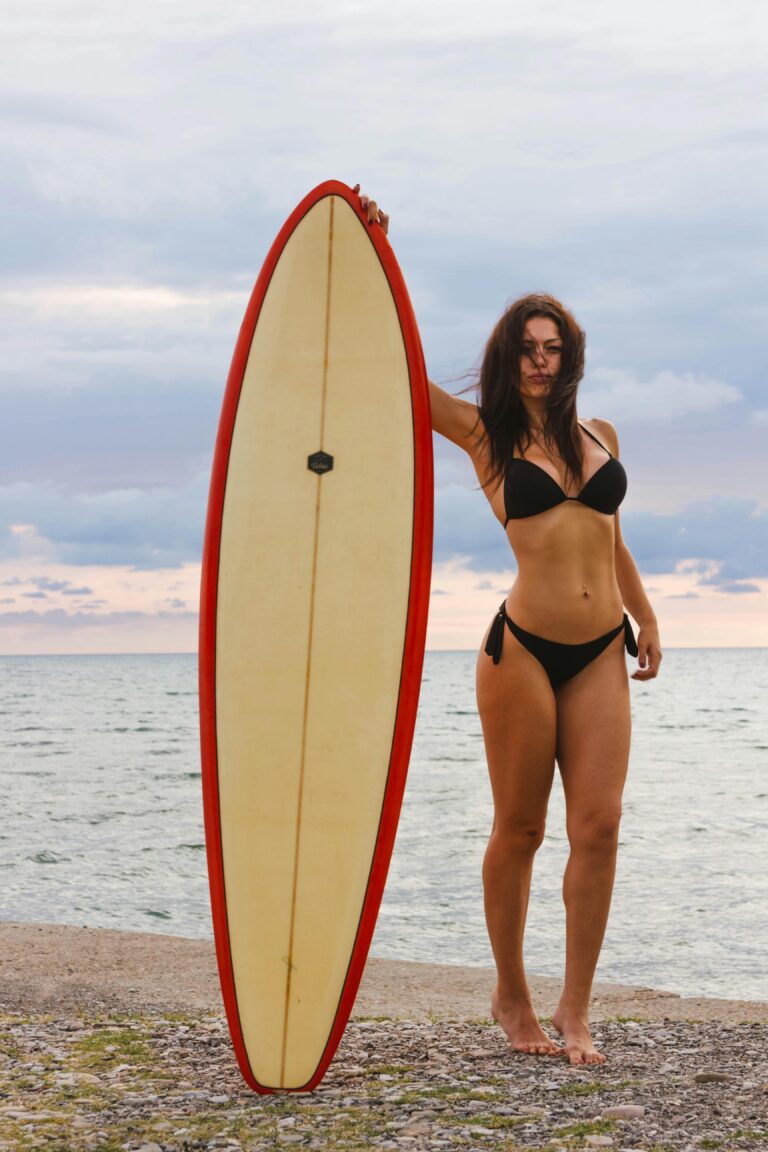
Tie-side bottoms pair naturally with triangle tops because both share the same string construction and visual language. The pairing looks intentional and cohesive, and the casual beach aesthetic holds up from the pool to a beach bar without looking underdressed. If you want more structure on top, a halter top adds coverage and lift while still complementing the relaxed energy of tie-sides below.
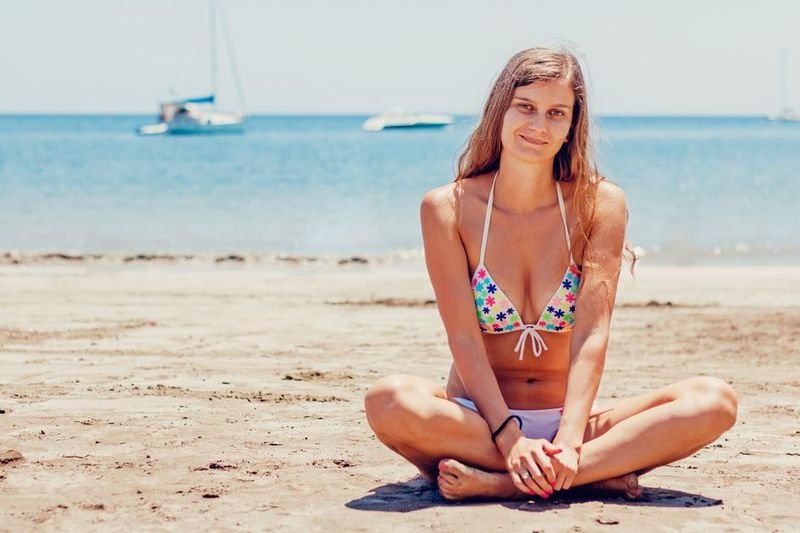
What does not work: bandeau tops with tie-side bottoms. The strong horizontal line of a bandeau competes directly with the bow at the hip, and the two together create too many unrelated horizontal elements across the body. The overall look fragments instead of pulling together.
For color: match exactly or contrast intentionally. A white triangle top with a navy tie-side bottom works. A neon green top with nude bottoms works. What does not work is almost-matching — a dusty blush top with a hot pink tie-side bottom looks like a mistake rather than a deliberate choice. Read the complete guide to bikini bottoms for a deeper look at coverage, cut, and styling options across every style.
Coverage Options: From Cheeky to Full Coverage
Tie-side bottoms come in a wider coverage range than most other bikini bottom styles, which is part of why the style has stayed popular across different generations of swimwear. Here is how to read coverage descriptions when you are shopping:
- Cheeky: The back panel sits about halfway across each cheek. Works best for lying on the beach or wading in shallow water. Less practical for active swimming or water park days.
- Moderate: About three-quarters coverage at the back. The most versatile cut — works for beach clubs, pools, and situations where you will be walking around as much as lying down.
- Full coverage: The back panel covers completely. Ideal for all-day wear and anyone who prioritizes comfort and security throughout the day.
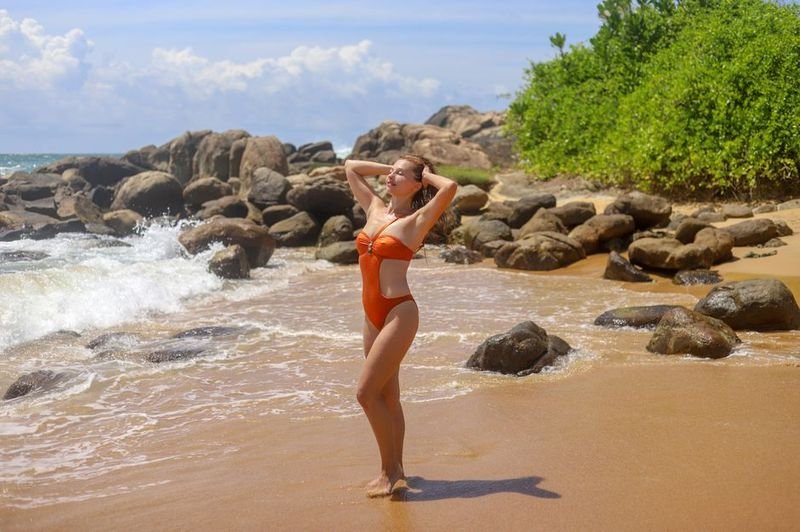
The leg cut also affects coverage and proportion. A high-leg opening shows more thigh and creates a longer-looking leg line. A lower French cut covers more of the hip and gives a more relaxed, retro silhouette. The tie at the hip works the same way regardless of which leg cut you choose.
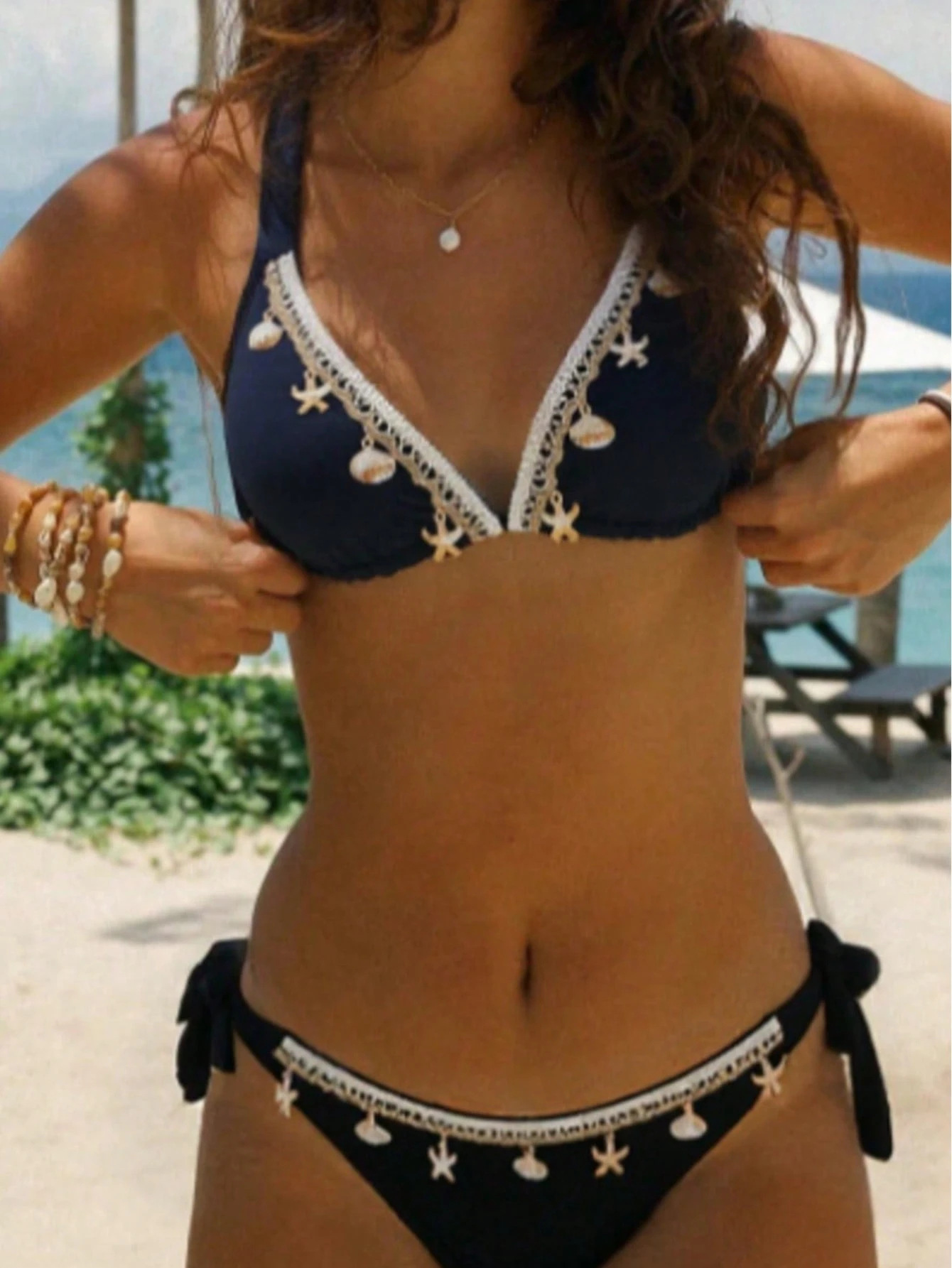
Colors and Prints Worth Wearing in 2026
Solid-color tie-side bottoms in warm earth tones — terracotta, coral, chocolate brown — are dominant in the 2026 summer market. These colors photograph well at the beach and do not show wet patches as visibly as pastels do. Neon greens and hot pinks remain strong, particularly for late-afternoon and golden-hour settings where the saturation reads as vivid rather than overwhelming.
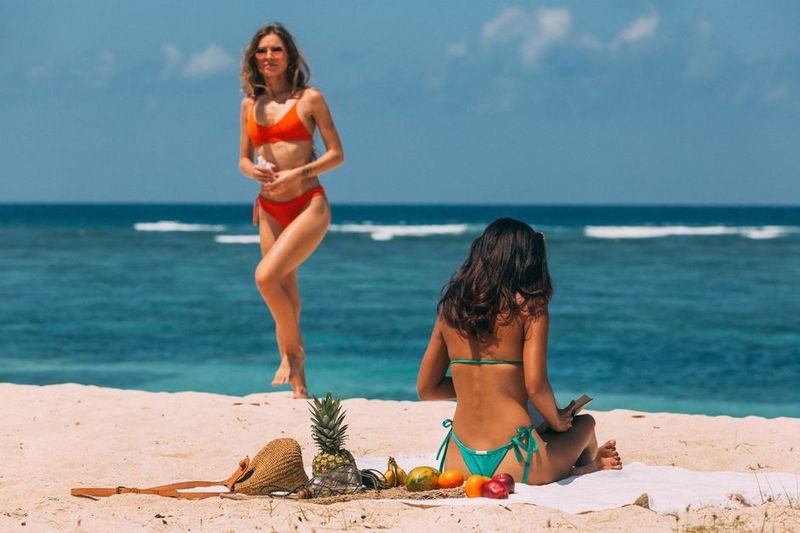
For prints, large-scale florals work far better than micro-prints in tie-side styles. A large tropical leaf or hibiscus print remains visible even at the knot and side ties, where the fabric bunches together. A small scattered print disappears entirely once the fabric is gathered at the hip, leaving you with what looks like a plain bottom with odd texture at the sides.
Animal prints in neutral tones — sand leopard, olive snake — are among the most consistent performers in tie-side styles because the pattern carries enough visual complexity that the tie stands out naturally without needing to be a contrasting color. A leopard print bikini in a tie-side cut is one of the lower-risk ways to try a bold pattern if you have not worn one before.
How to Keep Tie-Side Bottoms Looking Good Longer
The ties are the most vulnerable part of the bottom. Fabric ties fray from repeated tying and from prolonged sun exposure, and they typically show wear before the main panels do. Good Housekeeping’s swimsuit care guidance notes that most swimwear holds up for 40 to 60 wears before the elastic and fabric noticeably degrade — but ties fray faster than that if handled incorrectly.
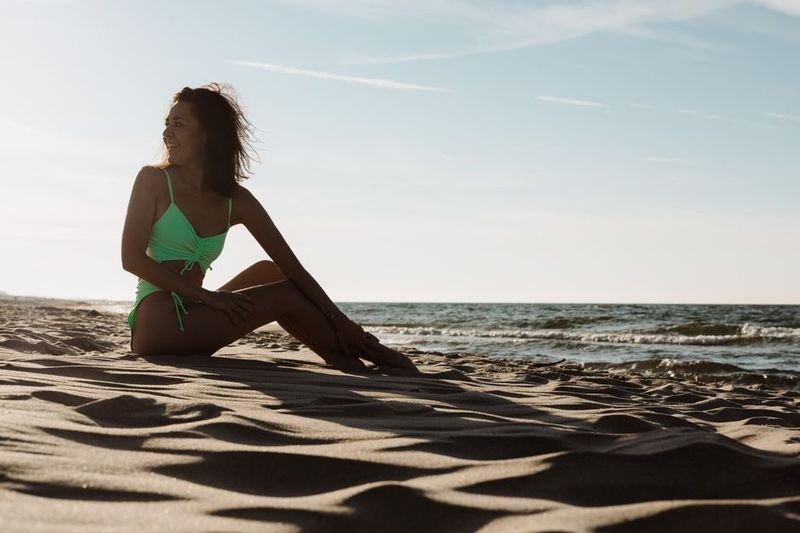
Three things that extend the life of your tie-side bottoms:
- Rinse immediately after saltwater or pool use. Chlorine and salt accelerate fabric breakdown faster than most people expect. A 30-second rinse under fresh water before you leave the beach removes the bulk of the damage.
- Hand wash in cold water only. Machine washing tangles the ties and concentrates stress at the knot area, which is exactly where the fabric is already under the most tension. A small amount of delicate detergent and a gentle hand wash is enough.
- Air dry in shade, never direct sun. Heat and UV radiation dry the fabric faster but degrade color and elasticity. Lay flat in shade rather than hanging — hanging while wet stretches the fabric at the waistband.
If a tie starts to fray, trim the frayed threads with scissors rather than pulling them. Pulling unravels more thread and accelerates the damage. A small amount of clear fabric glue pressed onto the cut end stops the fray from spreading further. Your tie-side bottoms are worth the extra care — a well-maintained pair lasts two to three full beach seasons.
Watch: How to Tie a String Bikini
Sources
- Good Housekeeping — How to Properly Wash and Care for a Swimsuit — Swimwear care guidelines including expected wear lifespan and fabric degradation from chlorine and salt.
- Swimwear Anywhere — Swimwear Fit Guide — Coverage terminology and sizing guidance used across the swimwear industry.
- InStyle — Swimwear Fashion — 2026 swimwear color and print trend reporting.