

Body Positivity and Eco Swimwear: Why Values-Led Brands Get Inclusion Right
The swimwear industry has a complicated relationship with both the environment and with bodies. Cheap suits, thin fabrics, relentless visual pressure — fast fashion swim brands profit from environmental shortcuts and insecurity in roughly equal measure. But something quieter is shifting at the eco end of the market. The brands putting real effort into sustainable materials are often the same ones taking a more generous, honest view of who gets to wear a swimsuit — and that overlap is not a coincidence.
When a brand commits to sourcing certified recycled fabrics, reducing chemical waste, and designing for durability rather than disposability, they have already made a values decision. And values, it turns out, tend to travel together. Understanding that connection changes how you shop — and what you end up bringing home.

The Fast Fashion Swimwear Problem Goes Beyond Fabric
Fast fashion swimwear cuts costs at every stage. The synthetic fabrics are cheap because they are made from virgin petroleum-based materials with minimal environmental oversight. The labor is cheap because supply chain transparency is treated as optional. And the marketing is built on a specific kind of insecurity — a narrow visual language of heavily edited images designed to make most women feel like their bodies are the problem, not the suit.
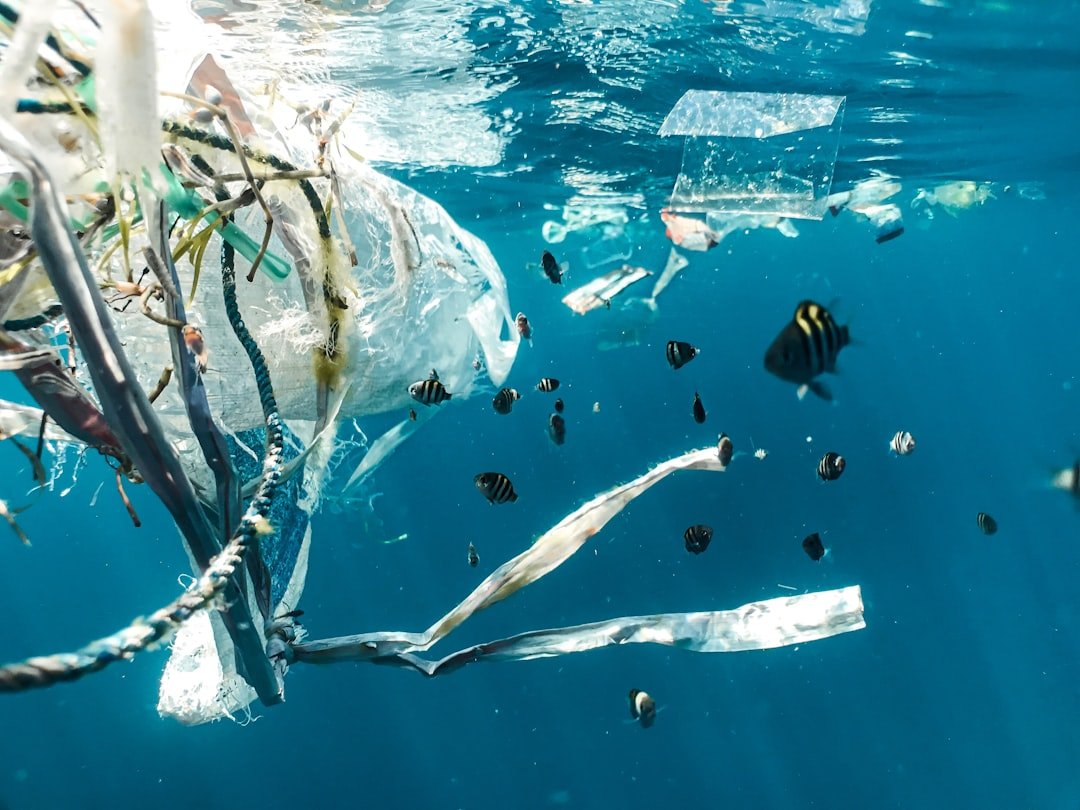
Sustainable swimwear brands, by contrast, tend to emerge from a place of intention. A founder who decides to work with ECONYL — the regenerated nylon made from ocean fishing nets and industrial plastic waste — has already chosen to do business with more care. That care tends to extend beyond the supply chain. It shows up in the sizing chart, in the campaign photography, in the copy that describes how a suit fits rather than how it makes you look. The choice to source responsibly and the choice to represent bodies honestly are both downstream of the same underlying value: that making things well means making them for people, not for profit margins.
What Sustainable Certifications Signal Beyond the Environment
Certifications like bluesign, OEKO-TEX Standard 100, and the Global Organic Textile Standard (GOTS) require third-party auditing. Brands that submit to this level of scrutiny on environmental claims are accustomed to accountability. That culture of being held to an external standard tends to shape how a company operates across other areas too.
It is not universal — greenwashing exists, and a vague “recycled fabric” claim without supporting certification can be empty marketing. But when you find a brand that has invested in genuine accreditation, transparent factory disclosure, and documented low-impact dye processes, you are usually looking at a business that has thought carefully about its full footprint — including the impression it leaves on the people buying its suits. Accountability on environmental claims and accountability on representation tend to reinforce each other. Brands used to being asked hard questions about their supply chains are typically more willing to answer hard questions about who they design for.

Extended Sizing as Evidence of Genuine Design Thinking
One of the clearest markers of a brand that has genuinely thought about body inclusivity is extended sizing. Fast fashion swimwear typically caps at XL, occasionally at 2XL, often with the same base pattern graded up without any real consideration for how different body shapes need different construction. The eco brands worth seeking out regularly run to 3XL and beyond, and many approach sizing as a design challenge rather than a compliance checkbox.
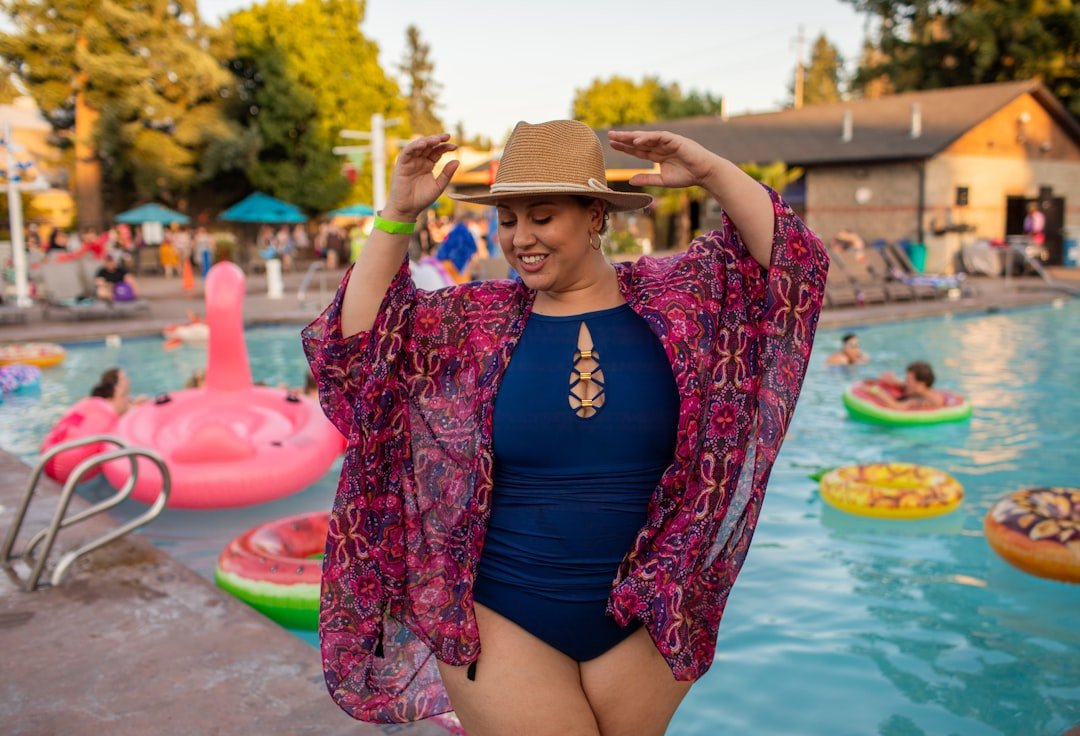
Swimwear is one of the more personal and sometimes vulnerable clothing purchases. It is worn close to the body, in public spaces, often in bright light, usually without much else on. A brand that has genuinely considered who wears their suits — not just the standard sample size used in fit testing — signals that they built the product for a range of real bodies. When you see a sustainable swimwear label shooting campaigns on bodies of different sizes, ages, and skin tones rather than hiring identical models, pay attention. That is evidence of real design thinking, not diversity as a marketing afterthought. Extended sizing without a significant price markup at larger sizes is the gold standard — it says the brand actually ran fit tests across the full size range, not just graded a pattern and called it done.
👙 Shop Sustainable Eco Swimwear on Amazon →
What Real-Body Marketing Actually Looks Like in Practice
Eco swimwear brands that genuinely embrace body positivity do not just include it as a caption hashtag. The difference shows up in the actual campaign imagery — unretouched photos, a range of bodies that are not all the same shape, ages represented beyond the standard narrow window. It shows up in the product descriptions, which talk about how a suit moves, holds up in salt water, and performs through laps and waves rather than which problem areas it conceals.
Fast fashion marketing is built on the premise that you need to change your body, or at least disguise parts of it. Sustainable swimwear brands that have genuinely internalized body positivity work from the opposite starting point: the suit should work for the body you have, not the body you are being pressured to aspire to. This shift in framing is subtle but significant. It changes the shopping experience from one that induces anxiety into one that is actually useful — focused on fit, function, and durability rather than on manufactured insecurity.

The Language a Brand Uses Is a Real Signal
Pay attention to how a swimwear brand writes about its suits. Phrases like “flattering for all figures,” “slimming silhouette,” or “minimizes the appearance of…” signal a brand that still views bodies as problems requiring correction. Phrases like “designed for movement,” “built for salt and sun,” or “comfortable through every lap and every wave” signal something different — a suit designed for living in, not for managing how you look to other people.
Language costs a brand nothing to change. But when eco brands get this right — and many do — it is often because the same founder or team who thought carefully about fabric sourcing also thought carefully about the visual and linguistic environment they were creating around their product. The intentionality is consistent. A brand that agonizes over the origin of its elastane is usually also the brand that thinks hard about whose body appears in its lookbook.
How to Find Sustainable Swimwear That Is Also Genuinely Inclusive
Finding the overlap between truly eco and genuinely body-positive takes some deliberate searching, but a few practical checks make it faster. Start with materials certification — bluesign, OEKO-TEX, and GOTS are the most established, and brands that carry them have been independently verified on their environmental claims. Then look at the sizing page: does the brand go past XL without charging a significant premium at larger sizes? Extended sizing at consistent price points is a strong signal that the brand ran real fit testing across the range.
Next, spend time on their social feeds and campaign pages. Not looking for perfection, but for range — do you see bodies that look like yours, bodies that do not, bodies across ages and sizes that seem genuinely represented rather than tokenized? Is the imagery natural or heavily edited? Good On You (goodonyou.eco) is a useful starting resource: they rate fashion brands on environmental impact, labor practices, and animal welfare, and cross-referencing their ratings with a brand’s own sizing and campaign choices gives you a fast read on whether the label genuinely walks its stated values.
- Certifications to prioritize: bluesign, OEKO-TEX Standard 100, GOTS, or Bluesign Approved fabric labels
- Sizing check: Extended sizing past 2XL without a meaningful price markup signals genuine design investment
- Campaign imagery: Look for unretouched photos across a genuine range of body types and ages
- Product language: Function and fit framing signals a brand building for bodies, not managing them
- Care instructions: Detailed chlorine-resistance and washing guidance signals a brand invested in longevity over repeat purchase cycles
- Return policies: Generous returns indicate confidence in their own sizing — important when buying in a new size range
👙 Shop Recycled One-Piece Swimsuits on Amazon →
The True Cost of Eco Swimwear — and Why the Math Works
A well-made eco swimsuit using ECONYL or certified recycled fabrics typically retails between $80 and $180. A fast fashion equivalent might be $18 to $35. That gap is real and worth acknowledging honestly — not everyone has the budget to absorb it upfront, and no brand should lecture customers out of their financial constraints.
The math changes when you factor in how long each suit actually lasts. A quality eco swimsuit, rinsed after every wear, hand-washed with mild detergent, and stored flat rather than crumpled, holds its shape and color through multiple full seasons. A cheap fast fashion suit often starts pilling, fading, and losing elastic tension within the first summer. Over two or three years, the eco suit frequently delivers a lower cost-per-wear than the fast fashion alternative — even at three times the upfront price. You also stop losing half a summer to a suit that stretched out in April and needed replacing by June.
There is also something less quantifiable at work. Buying a suit from a brand that has thought carefully about sustainability, labor, and inclusion is a different experience than buying from a brand whose entire business model depends on making you feel inadequate enough to keep purchasing. The psychological shift is real, even if it resists a spreadsheet. A suit you chose intentionally, from a brand whose values you recognize, tends to be a suit you actually wear — and that is the whole point.

👙 Shop Eco-Friendly Bikini Sets on Amazon →
Making the Shift on Your Own Terms
The sustainable swimwear space is not perfect. Not every eco brand gets inclusivity right, and ethical branding can be applied as loosely as any other marketing claim. But the values overlap between genuine sustainability and body positivity is real and traceable. It follows from the same underlying commitment to building things with care rather than extracting value from insecurity or from the environment. When a brand has chosen certified recycled fabrics over virgin nylon, third-party audits over self-certification, and extended sizing over sample-size exclusivity, they have signaled something about their whole orientation toward care.
You do not have to overhaul your whole wardrobe at once. One well-chosen eco swimsuit, from a brand whose sizing, materials, and marketing actually reflect the full range of people who swim, is a more meaningful purchase than a pile of cheap suits that will be in a landfill by next summer. Start there. Choose intentionally. Notice how different the experience is from the default — and let that guide the next choice too.
Sources
Good On You — Independent brand ratings on sustainability, labor, and animal welfare across fashion labels.
Wikipedia: Sustainable Fashion — Overview of sustainable fashion principles, certifications, and industry context.
U.S. Environmental Protection Agency — Data on plastic waste, textile pollution, and environmental impact.