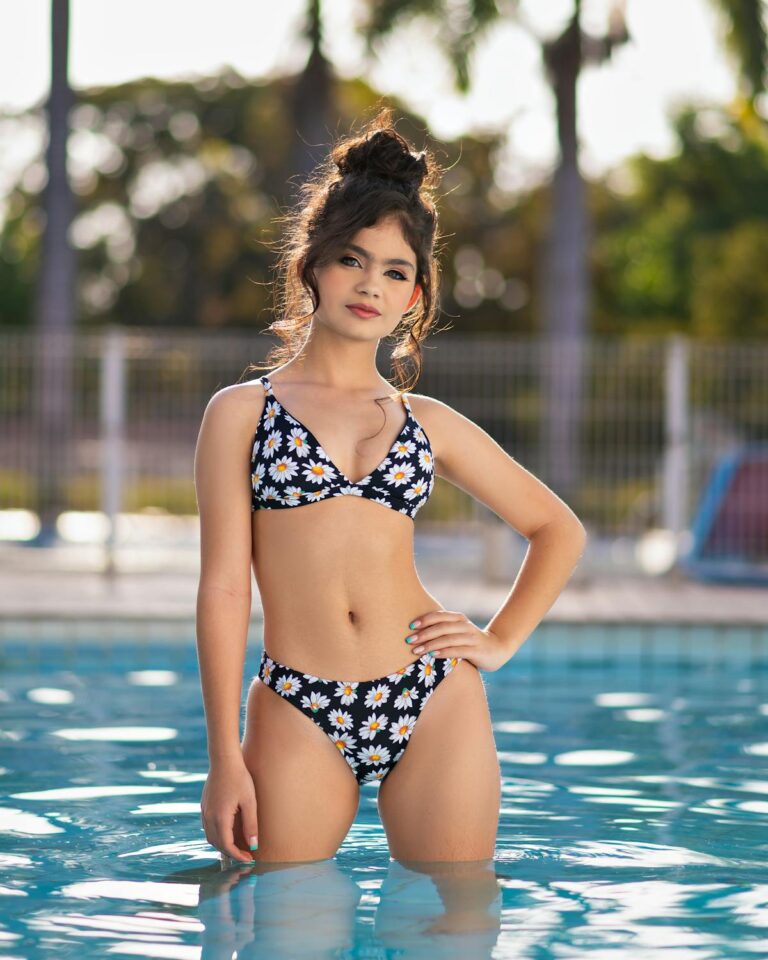

From Fast Fashion to Eco Swimwear: The Real Difference You’ll Notice
The first time you slip on a swimsuit made from recycled ocean plastic, something shifts — and it’s not just the fabric. There’s a particular satisfaction in standing on a beach knowing that the suit you’re wearing was pulled from the ocean rather than destined to end up in it. But sustainable eco swimwear isn’t only a feel-good statement. It performs differently, fits differently, and ages differently than the disposable suits that have dominated beach season for the past two decades. If you’ve been curious about making the switch, here’s what actually changes — and what stays exactly the same.
What You Feel the Moment You Put It On
Sustainable swimwear fabrics — primarily recycled nylon (most commonly branded as ECONYL) and recycled polyester (rPET) — have a noticeably different hand feel from virgin synthetic fabrics at the budget end of the market. They’re typically denser, with more resistance and compression built into the weave. That structural integrity isn’t a flaw; it’s by design. The same quality that makes recycled nylon durable also means the suit holds its shape through water, movement, and repeated wash cycles over multiple seasons.

Many women who make the switch from fast-fashion swimwear report that eco suits feel more supportive right from the first wear. Budget suits often feel soft initially because the material lacks structural engineering — that softness is the fabric relaxing because it was never designed to hold its shape long-term. Sustainable fabrics are built to maintain compression and form, which translates to real-world benefits: less adjusting, less pulling, less worrying about how things look or stay in place when you’re actually moving in the water.
ECONYL and the Recycled Nylon Story
ECONYL is the material name you’ll see most consistently when researching sustainable eco swimwear brands. It’s produced by Italian company Aquafil from regenerated nylon waste — fishing nets, fabric scraps, and industrial plastic salvaged from landfills and oceans worldwide. The finished yarn is chemically identical to virgin nylon, which means it performs the same way, accepts dye the same way, and lasts just as long. The environmental difference is significant: ECONYL production generates substantially fewer greenhouse gas emissions and uses far less water and petroleum than manufacturing new nylon from scratch.
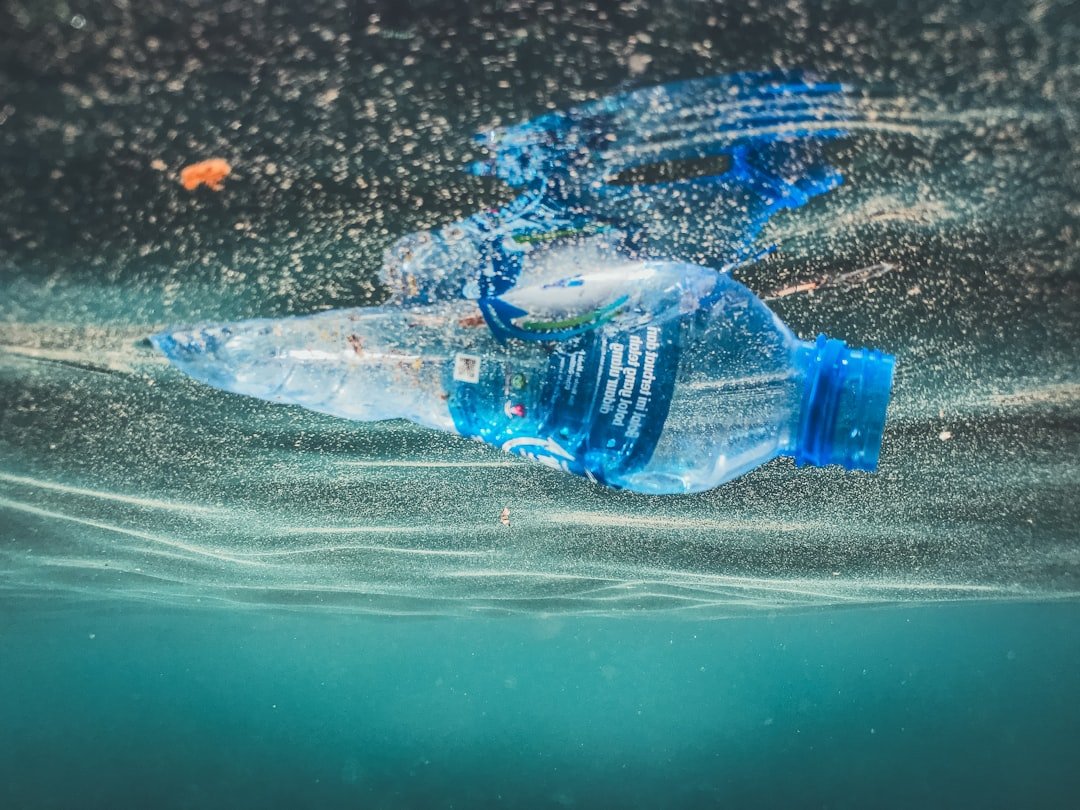
Other sustainable eco swimwear brands build their suits from rPET, recycled polyester made from plastic bottles. rPET tends to be softer and lighter than recycled nylon, making it popular for cover-ups, rash guards, and casual beach styles. It doesn’t offer quite the same chlorine-resistance and stretch-recovery performance as ECONYL in active swimming contexts, but for ocean wear, poolside lounging, and general beach use it’s a strong and well-tested option. Both materials carry a measurably smaller environmental footprint than their virgin synthetic equivalents.
How It Performs When You’re Actually in the Water
One of the most common hesitations before making the switch is whether sustainable swimwear can genuinely keep up with activity — laps in the pool, surfing, beach volleyball, or a full day of in-and-out water with kids. The short answer is yes, and frequently it outperforms its fast-fashion equivalent by the time a season is over.

Recycled nylon swimwear is highly chlorine-resistant. Chlorine degrades synthetic fibers over time, but higher-quality recycled nylon fabrics are often treated with additional chlorine-resistance agents during the manufacturing process. This is partly why sustainable swimwear brands tend to offer longer satisfaction guarantees — the material genuinely holds up to the conditions it’s designed for. For women who swim regularly, this difference becomes visible within a single season. Fast-fashion polyester suits go sheer, lose elasticity, and fade after consistent pool use. A well-made recycled nylon suit holds its color and compression far longer, which means you’re not starting over again every spring.
Salt water is gentler on synthetic fabrics than chlorine, but UV exposure causes its own form of slow deterioration. The denser construction of most sustainable suits provides marginally better UV resistance because there’s simply more material coverage — not a replacement for sunscreen, but a real benefit compared to thin, loosely-woven budget fabrics that break down faster under direct sun.
Shop Sustainable Eco Swimwear on Amazon →
The Fit Question — Eco Swimwear and Every Body
Sustainable swimwear brands have, on the whole, been more consistent on inclusive sizing than mass-market fast fashion. Part of this comes from their direct-to-consumer roots — without the buffer of wholesale retail buyers, eco brands stay closely connected to their actual customers and expand size ranges responsively. Mass-market swimwear is often designed to an averaged-out model that suits wholesale purchasing minimums rather than the full range of bodies that actually exist.

The denser, more structured fabrics used in sustainable suits also tend to behave more predictably on the body. They don’t cling in the way that thin, cheap synthetic fabrics can — instead they create a smooth, stable silhouette that holds its shape whether you’re swimming, sitting, eating lunch on the sand, or walking from the water back to your towel. For women who’ve historically felt self-conscious in swimwear, the difference in how a structured eco fabric sits on the body can genuinely change the wearing experience in a way that has nothing to do with coverage and everything to do with how the material behaves.
This isn’t about hiding anything or minimizing. It’s about fabric that does what good fabric is supposed to do — support without restricting, hold without compressing uncomfortably, and stay where it was designed to stay when you move. That’s a quality construction story as much as a sustainability story, and the two happen to align naturally.
Shop Recycled Nylon Bikinis on Amazon →
Where the Real Cost Math Lives
Fast fashion swimwear is inexpensive because the business model depends on replacement. The materials are engineered to last one season — possibly two if you’re careful — before elastic goes flat, prints fade, and seams begin to fray. A $25 suit replaced three times costs $75 before a $90 sustainable suit would need replacing once. The math compresses quickly, and it shifts further still when you factor in the environmental cost of three discarded synthetic garments versus one well-made piece that stays in use for years.
Every suit that lasts four seasons instead of one represents three suits that didn’t need to be manufactured, dyed, shipped, worn briefly, and eventually sent to landfill. Synthetic textiles shed microplastics into water systems with every wash cycle. Polyester and nylon take hundreds of years to break down in landfill. The lifecycle of a swimsuit is a real environmental metric — not just a marketing talking point that eco brands use to justify higher prices.
When shopping, look for construction details that signal genuine durability: flatlock seams that lie flat against the skin without chafing, double-lined front panels rather than the thin single-layer coverage common in budget suits, and thick, wide straps attached with reinforced stitching rather than thin ties that fray at the hardware attachment point within a season. These construction choices are what separate a suit that lasts from one that doesn’t, and they tend to correlate strongly with brands that also take material sourcing seriously.
Making the Switch Without the Overwhelm
The sustainable swimwear space is full of certification terms — ECONYL, rPET, GRS-certified, Bluesign-approved, Oeko-Tex Standard 100 — and for someone just trying to buy a swimsuit, it can feel like you need a research degree before you can check out. You don’t. The underlying logic is simple enough to carry with you: look for recycled synthetic content (recycled nylon or recycled polyester), check whether the brand is transparent about where and how their suits are made, and prioritize quality construction over the lowest price point.
Start with what you actually wear most. If you live in your one-pieces, invest there first. If you’re a bikini person, look for a recycled nylon set that matches how you genuinely use swimwear — a structured top for active swimming, a lighter rPET option for relaxed beach days. You don’t need to replace your entire swimwear collection at once. One well-chosen eco piece is a better beginning than an impulsive haul of options that don’t fit how you actually want to dress at the beach.
And step away from the guilt spiral around certification perfection. A swimsuit made from partially recycled materials that gets worn for five years beats a fully certified eco suit that doesn’t fit comfortably and gets donated after one season. Sustainability works best when it’s aligned with your actual life — your body, your budget, and your real relationship with wearing swimwear.
Shop Eco-Friendly One-Piece Swimsuits on Amazon →
Caring for Your Eco Swimsuit
The best sustainable swimwear brands include care guidance calibrated to their specific fabric. The general principles are consistent across recycled nylon and rPET: rinse in cold fresh water immediately after wearing to remove salt, chlorine, and sunscreen residue before they can begin degrading the fiber, hand wash with a gentle detergent when needed, and lay flat to dry in the shade rather than under direct sun.
Machine washing is possible for most recycled nylon swimwear — use a cold delicate cycle and place the suit in a mesh laundry bag to protect seams and hardware. Heat is the primary enemy of elastic fiber; even low-heat tumble drying will gradually degrade stretch performance over time. Rather than wringing out a wet suit and stressing the seams, press gently and let gravity drain the water before laying it flat to dry.
Sunscreen chemistry is worth understanding here. Oxybenzone-based chemical sunscreens can oxidize synthetic fabrics and cause yellowing or color change, particularly on light-colored suits worn repeatedly in strong sun. Mineral sunscreens using zinc oxide or titanium dioxide are gentler on fabric and significantly less damaging to reef ecosystems — a natural alignment with the values behind sustainable eco swimwear. If you prefer chemical sunscreen, let it absorb fully before putting your suit on rather than applying it over fabric.
With basic care, a quality sustainable swimsuit will look and perform well for three to five seasons. That’s not an optimistic estimate — it’s the realistic expectation for recycled nylon built to hold its shape and compression over time. It’s also what makes the higher price point make sense: not as a luxury, but as a more accurate calculation of what you actually spend on swimwear, and what impact that spending has beyond the beach.
Sources
- ECONYL by Aquafil — regenerated nylon from ocean plastic
- Wikipedia: Sustainable fashion
- Bluesign — textile certification standards