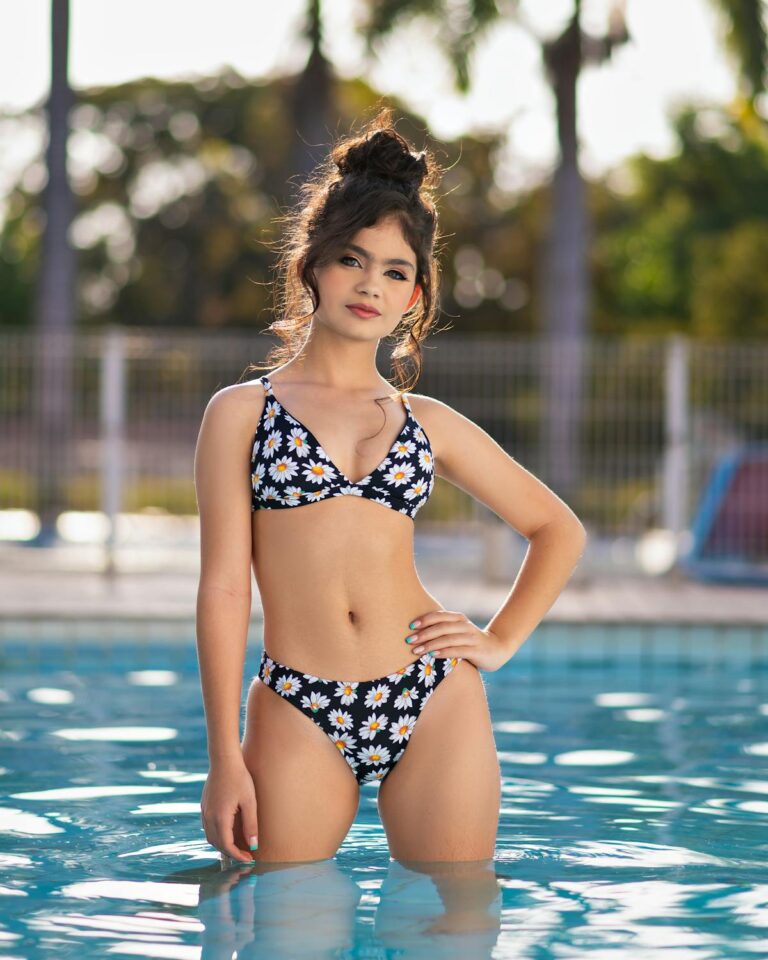

Behind the Label: What Eco Swimwear Brands Actually Put Into Their Suits
Walk into any swimwear brand’s website today and you’ll find words like “recycled,” “conscious,” and “responsible” splashed across the homepage. The eco swimwear category has exploded — and with it, a level of material complexity that can feel genuinely hard to parse. What exactly is ECONYL? Is recycled polyester meaningfully different from virgin nylon? When a brand says its suits are “sustainable,” who is actually verifying the claim? These are not abstract questions. Understanding what is behind the label helps you shop smarter, care for your suits better, and put your money toward the eco swimwear brands doing real work — not just using the language.
What “Sustainable” Really Means for a Swimwear Brand
Sustainability in swimwear operates on a spectrum, and the honest truth is that no swimsuit is entirely without environmental impact. The question is which trade-offs a brand chooses to make and how transparent it is about those choices. The most common approach in the eco swimwear space is substituting virgin synthetic fibers — which depend on petroleum — with recycled versions made from post-consumer or post-industrial waste. Well-known brands have built significant portions of their lines around this approach: recycled nylon, recycled polyester, or blends of both.
What separates genuinely eco brands from those doing surface-level greenwashing usually comes down to certifications and supply chain transparency. A brand that names its fabric mill, publishes factory audits, and holds third-party verification for its recycled content claims is operating at a fundamentally different level than one that simply deploys environmental language on its homepage. The fabrication process, chemical inputs, dye systems, and labor conditions all feed into the real sustainability profile of a garment — and the brands worth spending on make that information findable.
ECONYL — The Fabric Made From Fishing Nets and Ocean Waste
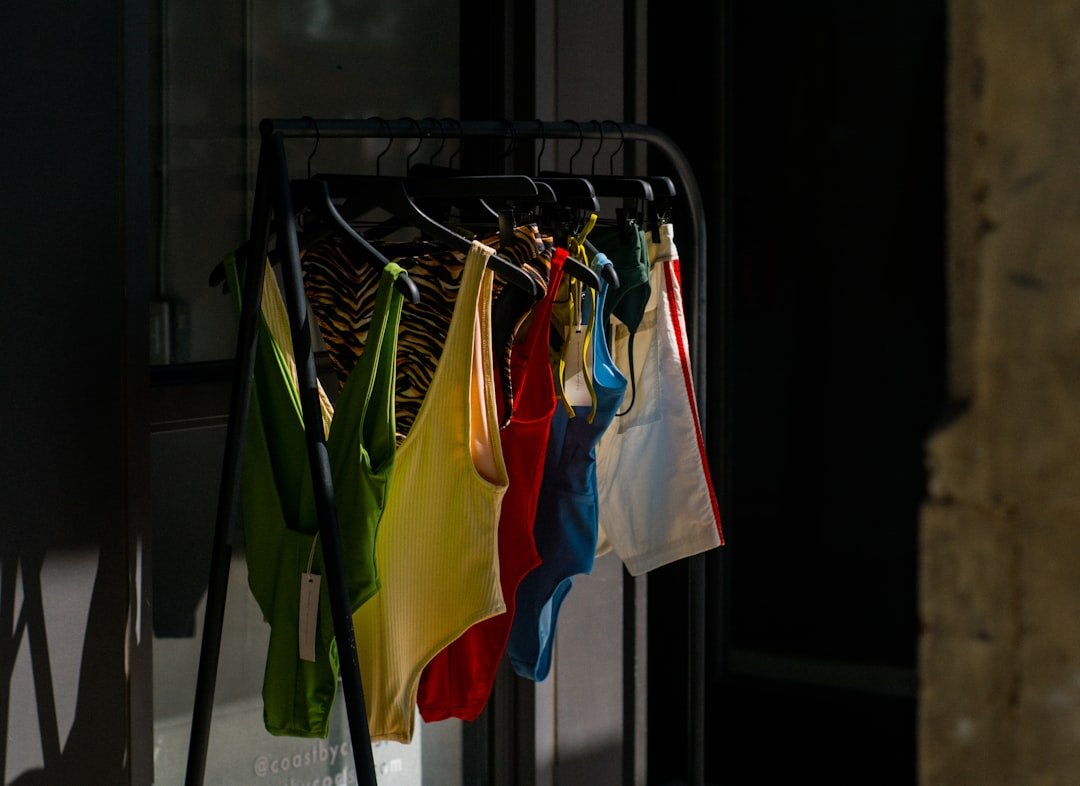
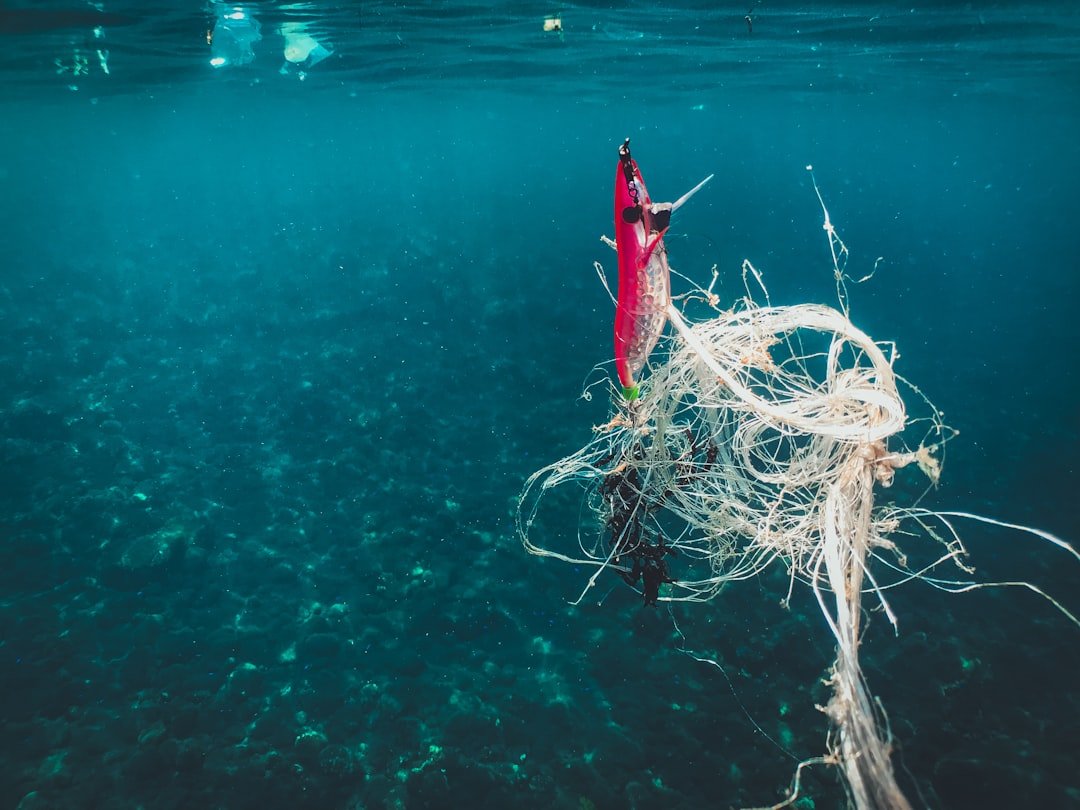
ECONYL is one of the most recognized innovations in sustainable swimwear, and it earns the attention. It is a regenerated nylon produced by Aquafil, an Italian manufacturer, using recovered waste materials — primarily abandoned fishing nets collected from ocean floors, along with fabric scraps and industrial nylon waste. The process breaks these materials down chemically to their raw nylon polymer and re-spins them into new fiber. The output is functionally identical to virgin nylon in performance terms.
For swimwear, that equivalence matters enormously. Nylon has long been the preferred performance fiber because it handles stretch, chlorine, and saltwater better than most alternatives. The fact that ECONYL can match that performance without extracting new petroleum resources is a genuine advancement in what is possible within the swimwear supply chain. Multiple eco swimwear brands have incorporated ECONYL into their collections, using it as a credible, verifiable material story rather than vague sustainability language. Because ECONYL is a registered tradename belonging to Aquafil, when a brand specifically names it, there is a verifiable supply chain behind that claim. Generic “recycled nylon” on a label may come from different sourcing arrangements with varying levels of rigor — if this distinction matters to you, checking the brand’s materials page or reaching out directly is worthwhile.
👙 Shop ECONYL Recycled Swimsuits on Amazon →
Repreve and the Recycled Polyester Pipeline
While nylon dominates performance swimwear, recycled polyester has its own significant presence in the eco space — particularly through Repreve, a fiber brand owned by Unifi. Repreve converts used plastic bottles into polyester fiber, and it has become one of the most widely adopted recycled synthetics across fashion and activewear, swimwear included.
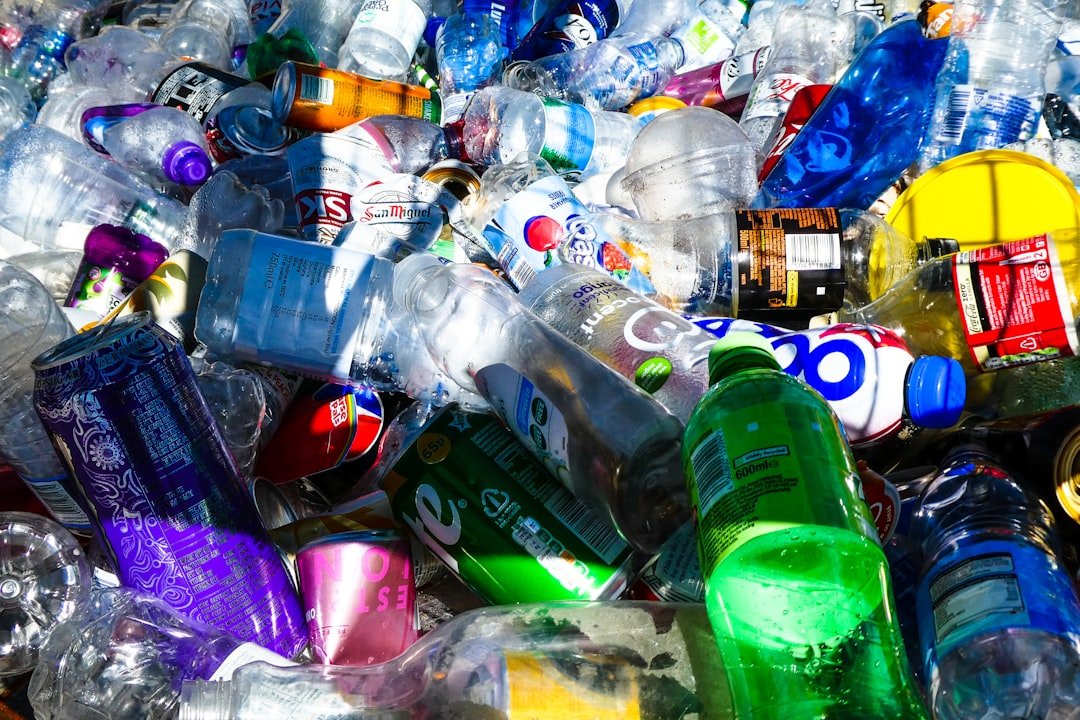
Recycled polyester, whether Repreve or unbranded rPET, carries a meaningfully lower carbon footprint than virgin polyester and diverts plastic from landfills and waterways. For swimwear, it performs well in casual styles — beach cover-ups, relaxed-fit suits, swim shorts — though it is generally considered slightly less durable in high-stretch, performance-cut applications than recycled nylon. For a summer beach rotation or poolside lounging, the difference in long-term wear is largely academic for most people.
What makes Repreve specifically notable from an accountability standpoint is Unifi’s fiber authentication system, which allows brands to verify and communicate recycled content percentages with precision. Some brands print the plastic bottle count directly on the garment tag — “make from X recycled plastic bottles” — a concrete, verifiable claim rather than aspirational language. That kind of transparency is exactly the signal worth looking for when evaluating eco swimwear brands.
Beyond Plastic — Bio-Based and Natural Fiber Innovations
The frontier beyond recycled synthetics involves bio-based materials: fibers derived from renewable natural sources rather than petroleum or reclaimed plastics. These are still emerging in the swimwear space, but worth understanding as they gain commercial ground.
SeaCell, a fiber developed by Smartfiber AG, blends seaweed with Lyocell — itself a wood-pulp-derived fiber produced in a closed-loop solvent process — to create a textile with natural antimicrobial properties. It has appeared in yoga and activewear lines and is beginning to influence swimwear-adjacent categories. Then there is the elastane problem: conventional spandex is essential in any suit that needs to stretch and recover, and producing recycled or bio-based elastane at commercial scale remains technically challenging. Some developers are working on bio-based elastane derived from plant sugars, though commercial adoption is still early-stage.
Natural fibers like organic cotton and bamboo do appear in swimwear, primarily in cover-ups, beach shirts, and casual styles where full submersion is not the primary use. They come with real performance caveats — they absorb water, lose shape when wet, and degrade faster in chlorine and salt. Brands using these materials honestly communicate those limitations. If you encounter organic cotton in a performance bikini without any synthetic content, scrutinizing the durability claims before purchasing is well worth the extra step.
Certifications That Signal Real Accountability
Sustainability claims without third-party verification are essentially unaudited marketing. The certifications that carry genuine weight in the eco swimwear space do the verification work that brand language cannot — and knowing which ones matter makes it far easier to distinguish real commitment from aesthetic positioning.
OEKO-TEX STANDARD 100 certifies that every component of a textile — fibers, dyes, finishing chemicals — has been tested against a list of over 100 harmful substances. It does not speak to how the fiber was produced environmentally, but it confirms the finished fabric is free from substances harmful to skin. For a garment worn against the body in warm water, that matters.
bluesign is more comprehensive: it audits the full textile production process, including water use, energy consumption, chemical management, and worker safety at the manufacturing facility. A bluesign-approved fabric is one made in a facility with verified, responsibly managed production — this certification goes deeper into the environmental and social dimensions of manufacturing than fiber-level certifications alone.
Global Recycled Standard (GRS) exists specifically to verify recycled content claims. When a brand states that its suit contains a specific percentage of recycled nylon, GRS certification is what confirms that figure has been independently audited rather than self-reported. For any eco swimwear brand prominently featuring recycled fiber percentages, GRS is the meaningful check.
Fair Trade and equivalent labor certifications address the human dimension of the supply chain. A suit made from certified recycled materials in a factory with poor working conditions has an incomplete sustainability profile at best. Brands genuinely committed to responsible production tend to publish factory names and audit summaries — information that is accessible if you look for it.
👙 Shop Sustainable Swimwear on Amazon →
Making Your Suit Last — The Most Sustainable Choice You Can Make
Even the most responsibly produced swimsuit has an environmental footprint. The single most effective way to reduce that footprint across the life of your purchase is to extend how long you wear it. A recycled-nylon suit cared for across eight or ten seasons has a dramatically better lifetime impact than one replaced every two years because the elastic collapsed or the color faded. This applies to every body, in every suit, at every price point — sustainability is not a narrow-market concept, and the care practices that protect your investment are the same regardless of the size tag.
The habits that meaningfully extend a suit’s life are not complicated. Rinse in cold fresh water immediately after every swim — salt and chlorine both degrade elastane over time when left to dry in the fibers, especially under direct sun. Avoid wringing or twisting; fold and press the water out gently. Skip the washing machine’s spin cycle entirely. Hand wash with a gentle detergent in cool water — heat breaks down stretch fibers faster than almost anything else. Dry flat and out of direct sunlight, since UV exposure fades color and weakens synthetic fibers even when the suit is not being worn.
None of this is fussy or time-consuming — it is a five-minute habit per swim that can realistically add three or four seasons to any suit. If you have invested in a well-made, certified piece from one of the eco swimwear brands doing serious work on materials and supply chain, that care routine is also how you realize the durability you paid for. Body-positive dressing means making room for the suits you love to last long enough to become genuine wardrobe staples — not seasonal replacements you cycle through without ever quite finding the ones that feel like yours.

👙 Shop Recycled Nylon Bikinis on Amazon →
Sources
ECONYL by Aquafil — Regenerated nylon from recovered fishing nets and industrial nylon waste. Repreve by Unifi — Recycled fiber authentication and rPET supply chain verification. bluesign system — Responsible chemistry and textile manufacturing certification standards. OEKO-TEX — Textile testing and STANDARD 100 certification for harmful substances.