One-Piece and Bikini: How to Build a Swimwear Wardrobe You’ll Actually Wear
The question usually gets framed as a duel: one-piece or bikini, pick a side, defend it forever. But most of us don’t live in a single swimsuit any more than we live in a single pair of shoes. You have mornings at the pool with the kids, a solo lap swim before work, a lazy afternoon on a towel, a first-time trip to a beach where you don’t know a soul. Those days don’t all ask for the same thing. So instead of crowning one winner, it’s worth thinking like a wardrobe: a small, deliberate set of suits where the one-piece and the bikini each earn their spot for the life you actually have.
This is a more forgiving way to shop, and honestly a more body-positive one. When you stop asking “which silhouette is right for me?” and start asking “which suit do I want for this kind of day?”, the pressure to find one flawless, do-everything swimsuit disappears. There’s no such thing. There’s only the suit that fits the moment.
(New to the one-piece vs bikini comparison itself? Start with our main guide for the coverage, support, and comfort basics — then come back here to build the wardrobe around it.)

Start With Your Real Calendar, Not the Catalog
Before you look at a single suit, look at your summer. Not the fantasy summer from the swimwear ads, but the actual one: the days you’ll really be in or near the water. Are you swimming laps twice a week? Chasing toddlers through a splash pad? Taking one big beach vacation and otherwise living inland? The shape of your season tells you how many suits you need and what jobs they have to do.
Most people wildly overestimate how many swimsuits they need and underestimate how much they’ll wear the two or three that genuinely fit their week. A person who swims for exercise needs one reliable, secure suit far more than they need five pretty ones that shift when they push off the wall. Someone whose water time is mostly social lounging can prioritize how a suit looks and feels sitting down for hours. Match the suit to the verb — swim, play, lounge, travel — and the one-piece-versus-bikini decision starts making itself.
The “anchor” suit comes first
Every good swim wardrobe has an anchor: the one suit you reach for when you don’t want to think. For a lot of people, that’s a well-fitting one-piece, because it handles the widest range of situations with the least fuss. It stays put, it works for a swim and a walk to the snack bar without a second thought, and it needs no coordinating. If you only invest real money in one piece of swimwear this year, the anchor is where it should go.
That said, an anchor can absolutely be a two-piece if that’s what makes you feel like yourself. The point isn’t the silhouette; it’s reliability. Your anchor is whatever suit you’d grab if the house were on fire and you had a pool day scheduled.
What the One-Piece Does Best
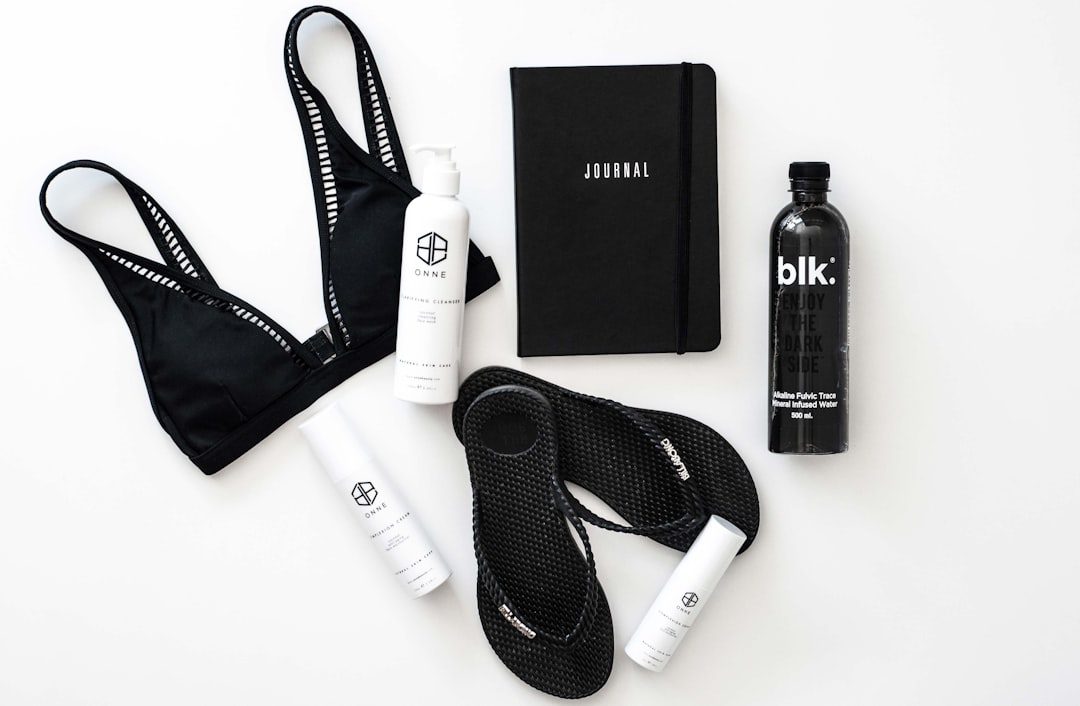
A one-piece is the workhorse. Because it’s a single connected garment, it moves with you as one unit — nothing to retie, no top riding up when you dive, no bottom to tug back into place after a wave. That’s why competitive swimmers, surfers, and anyone who’s serious about actually moving in the water tend to reach for it. The security is real, and security is what lets you forget your suit and just enjoy the day.
It’s also, quietly, the most versatile thing in your beach bag. A one-piece throws on under a linen skirt or a pair of shorts and reads as a bodysuit for lunch. It transitions from swim to shore without any wardrobe math. If you want fewer decisions and more coverage across your torso — whether for sun protection, comfort, or simple preference — this is the silhouette that delivers it without asking anything of you.
None of this makes it “the modest choice” or “the safe choice,” two framings worth retiring. Cutout one-pieces, plunge necklines, high-cut legs, and open backs exist precisely because a one-piece can be as bold as you like. Coverage and confidence aren’t opposites. A one-piece just gives you one connected canvas to work with instead of two.


What the Bikini Does Best
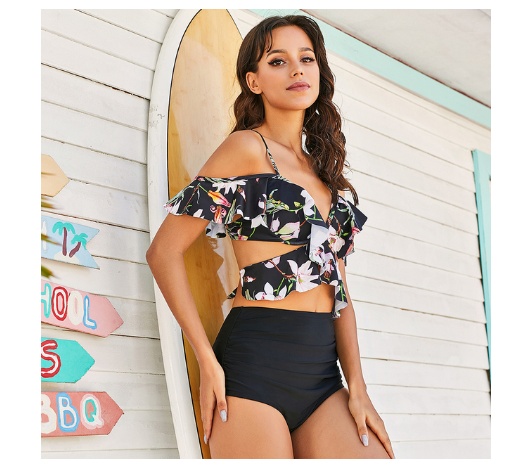
The bikini’s superpower is modularity. Two separate pieces means two separate fits, and for a huge number of bodies that’s not a style preference — it’s the only way to get dressed properly. If your top and bottom halves wear different sizes, a two-piece lets you buy for each independently instead of compromising the whole suit to fit one region. That’s a fit advantage a one-piece structurally can’t match.
Separates also stretch your wardrobe without stretching your budget. Three tops and three bottoms in colors that talk to each other quietly become nine outfits. You can dress a look up with a structured, underwired top or down with a soft triangle, all from the same drawer. And there are practical wins people forget: using a restroom is faster, and drying off is quicker when there’s less fabric holding water against your skin.
For sunbathing, the bikini has an obvious edge in exposure — for better and worse. More skin to the sun means more even color if that’s your goal, and more diligent sunscreen application if it’s not. The takeaway isn’t that one silhouette is more “flattering”; it’s that a bikini gives you control over each half of the suit, which is exactly why it’s worth having in the mix.

Building the Small Set: A Practical Approach
Here’s where the wardrobe thinking pays off. You don’t need a drawer stuffed with impulse buys. A genuinely useful swim wardrobe for most people is small — think three or four pieces total — chosen so they cover the days you actually have and, ideally, work together.
Start with the anchor you already identified. Add one suit that covers your second-most-common water day — if your anchor is a sporty one-piece for lap swims, your second might be a comfortable bikini for the days you’re mostly lounging. Then, if your season calls for it, add a specialty piece: something with extra sun coverage for a long day outdoors, or a dressier set for a resort trip. The goal is that every suit answers a question your calendar actually asks.
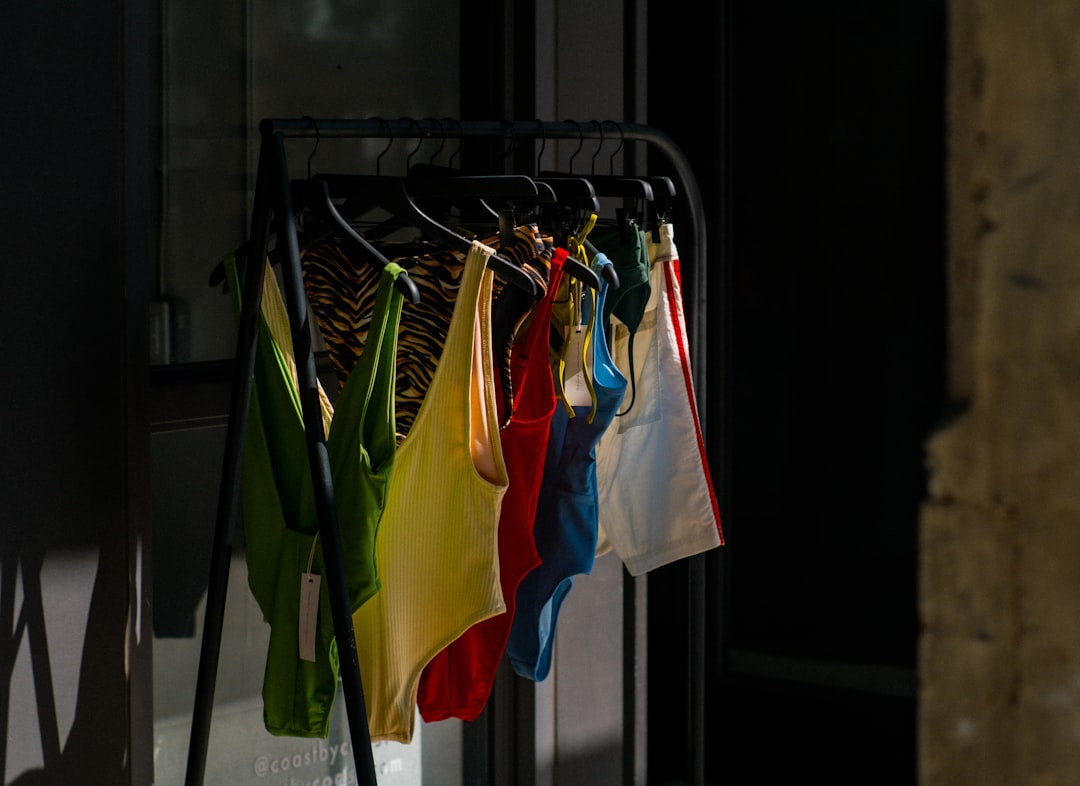
Color discipline is the quiet trick that makes a small wardrobe feel big. If your bikini bottoms and your one-piece live in the same palette, a top from one can pair with a cover-up meant for the other, and everything reads intentional. You’re not building a rainbow; you’re building a system.
Let cost-per-wear guide the splurge
A well-made swimsuit isn’t cheap, and the temptation is to buy several inexpensive ones instead. But swimwear lives a hard life — chlorine, salt, sunscreen, sun, and constant stretching all degrade fabric fast. A quality suit with good fabric and construction holds its shape and its color for years, which means its true cost, spread across every wear, is often lower than a pile of bargain suits that sag by August.
Spend where the wear is. Your anchor suit, the one you wear weekly, justifies the investment. The specialty piece you’ll wear twice a summer does not. Buying this way is kinder to your budget and your closet, and it quietly sidesteps the disposable-fashion churn that leaves you with a dozen suits and nothing you love.

Fit Is the Whole Game — For Both Silhouettes
No wardrobe strategy survives a bad fit. A one-piece that’s too short in the torso will tug at your shoulders all day; a bikini top in the wrong band size will ride up the second you raise your arms. Before you commit to either silhouette for a given day-job, get the fit honestly right. That means checking that a one-piece has enough length between shoulder and hip for your frame, and that a bikini top actually supports rather than just covers.
Do the movement test in the fitting room, not on the beach. Raise your arms, sit down, twist, bend forward as if picking up a towel. A suit that stays put and feels like nothing is the one you’ll reach for again and again — and comfort, far more than any style rule, is what makes a swimsuit “flattering” in the only sense that matters: you forget you’re wearing it and go have your day.
This is also the moment to ignore the old body-type charts. There is no silhouette a particular body is or isn’t “allowed” to wear. The right suit is the one that fits your measurements and suits the day you’re dressing for. Everything else is noise.

Packing the Wardrobe for a Trip
The wardrobe mindset really shines when you travel: for a week away, a sane packing list is simply your anchor suit, one second option, and a spare top or bottom, so something is always dry while the other suit is drying. Rotating suits also makes them last — a wet suit worn two days running never fully recovers, while alternating protects the elastic. For the full packing-space math, drying-time comparison, and how to match a suit to the shape of an actual trip, see our dedicated travel packing guide — this wardrobe post is about what you own, that one is about what you pack.
The Real Answer to “One-Piece or Bikini?”
The honest answer is “both, in the right proportion for your life.” A one-piece and a bikini aren’t rivals fighting for the single slot in your beach bag; they’re specialists that cover different days. When you build a small swim wardrobe around the days you actually live — the lap swims, the lounging, the one big trip — the tired debate quietly dissolves. You stop shopping for a verdict and start shopping for your summer.
And that shift takes the pressure off in the best way. There’s no perfect suit to hunt for, no body-type rule to obey, no side to pick. There’s just a handful of suits that fit you well, suit the moment, and let you get in the water and stay there. Build that, and you’ll wear every piece you own.
Sources
- Wikipedia — Swimsuit (history and construction of one-piece and two-piece styles)
- Wikipedia — Bikini (design and variations)
- Consumer Reports — apparel care and fabric longevity guidance