One-Piece vs Bikini: Which Handles Sun, Heat & Sweat Better?
Most one-piece vs bikini comparisons stop at looks — coverage, silhouette, what’s “flattering.” But the choice you make on a genuinely hot day is about something more physical: how much sun hits your skin, how quickly you overheat, and how your suit feels after three hours of sweat, salt, and sand. That’s the comparison almost nobody writes about, and it’s the one that actually decides whether you have a good afternoon or a sunburnt, chafed one.
So let’s skip the tired “which is more slimming” debate. Every body deserves to be comfortable in the heat, full stop. Instead, we’ll look at how the one-piece and the bikini each perform against the sun, the temperature, and your skin — so you can pick the one that fits the day, not just the mirror.
(For the broader coverage, support, and styling comparison, see our main one-piece vs bikini guide. This one zeroes in purely on sun, heat, and skin.)
Sun Exposure: More Fabric Isn’t Automatically More Protection
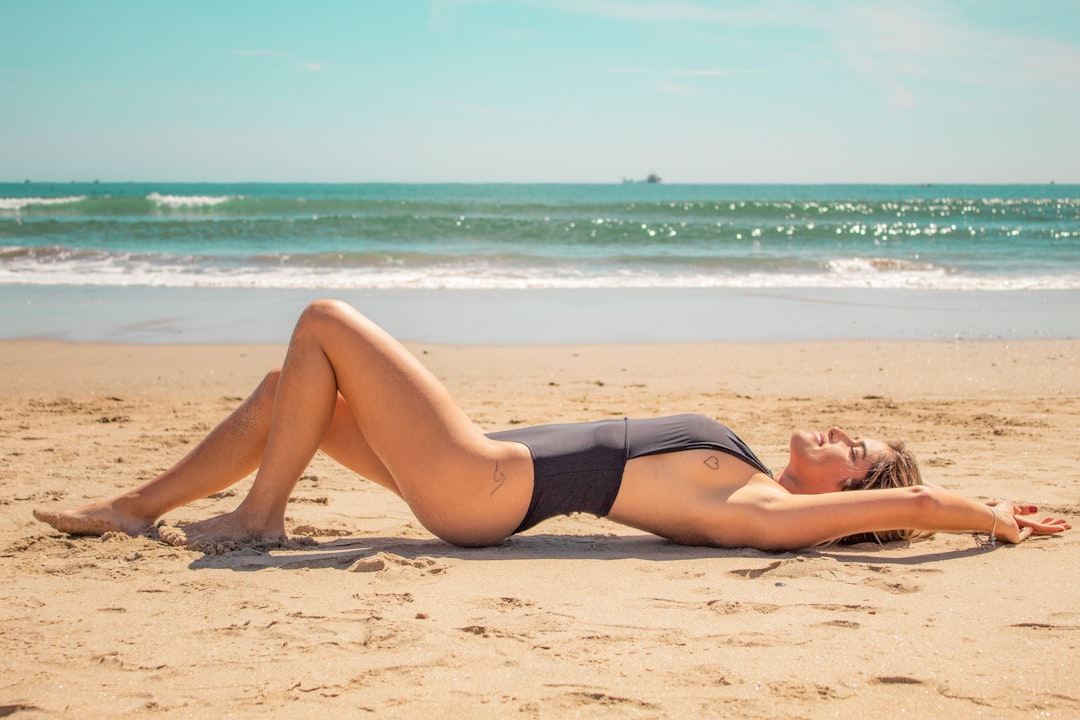
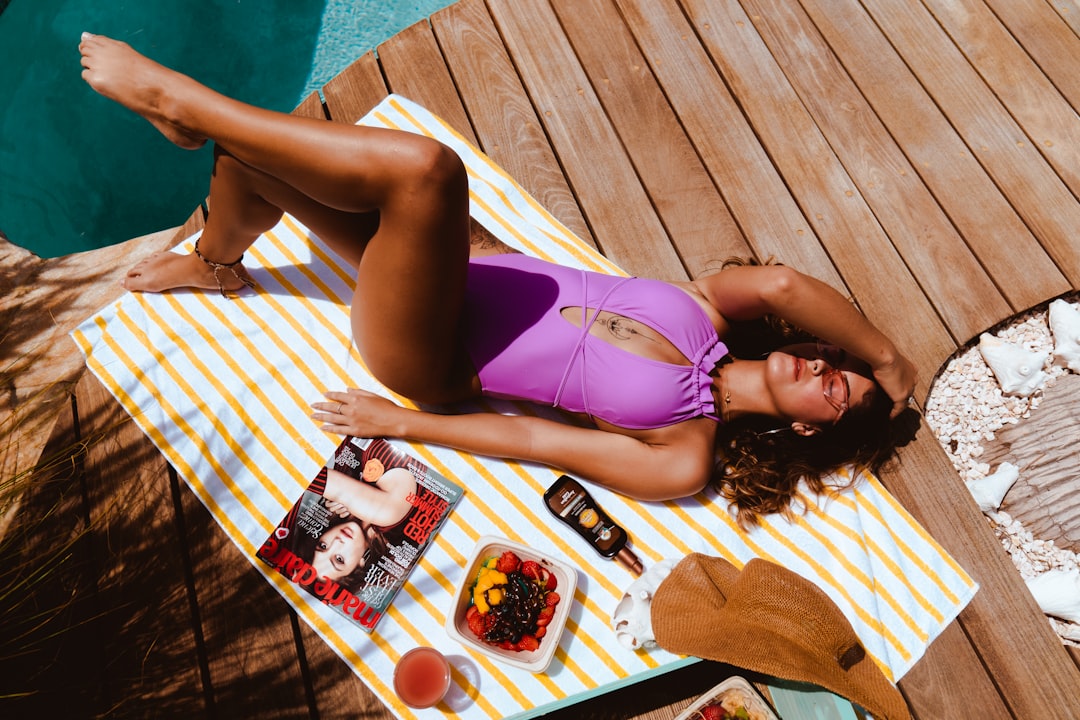
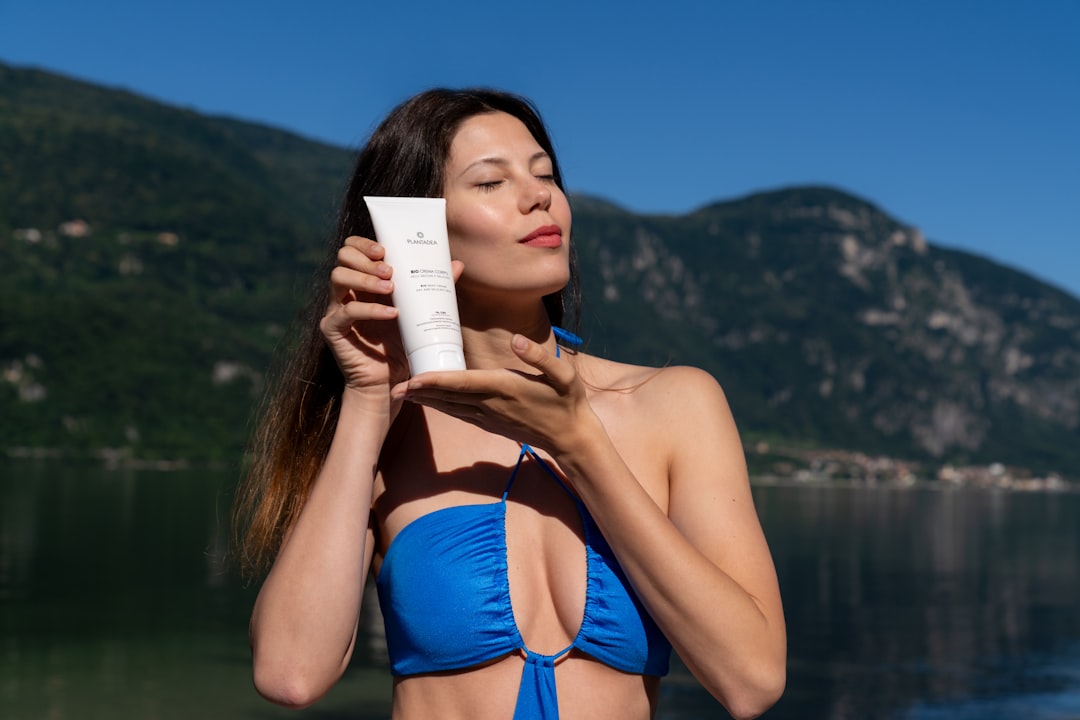
The obvious assumption is that a one-piece protects your skin better because it covers more of it. That’s partly true — a full-coverage one-piece shields your midsection, lower back, and often your shoulders, which are some of the easiest places to burn because you rarely think to re-apply sunscreen there. If you spend long stretches lying face-down or swimming laps, that continuous panel of fabric across your back is doing real work.
But coverage and protection aren’t the same thing. A thin, stretched-out swimsuit — one-piece or bikini — can let a surprising amount of UV through, especially when wet, when the fabric stretches thinner over the skin. What matters is the weave and the fabric rating, not just the surface area. A bikini made from a tightly woven, UPF-rated fabric can protect the skin it covers better than a flimsy one-piece protects the same area.
The honest takeaway: a one-piece reduces the amount of skin you have to actively manage with sunscreen, which is genuinely convenient. A bikini leaves more skin exposed, so it asks more of your SPF routine. Neither is a free pass — both need reapplication every couple of hours, and both benefit from shade during peak sun.
When the one-piece clearly wins on sun
If you have skin that burns easily, a history of sun sensitivity, or you simply hate the ritual of re-coating your whole torso, a one-piece removes a lot of friction. Look for styles that also cover the shoulders and upper back — a higher neckline or a suit with wider straps buys you protection exactly where people forget to spray. For maximum sun coverage without going full wetsuit, a long-sleeve rash guard paired with high-waisted bottoms gives you one-piece-level protection with more airflow.
Shop UPF 50 One-Piece Swimsuits on Amazon →
When the bikini can hold its own
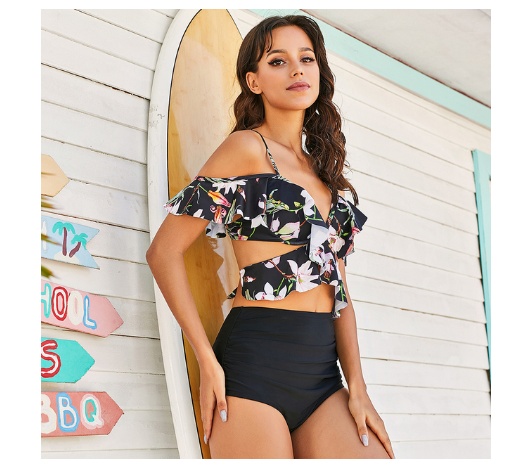
If you’re diligent with sunscreen and you spend most of your beach time under an umbrella or in and out of the water, a bikini’s extra exposure is easy to manage. The bonus is that you can layer: throw a UPF cover-up or an oversized linen shirt over a bikini when the sun peaks, then shed it when you want to swim. That modularity is something a one-piece can’t offer — you’re committed to whatever coverage the suit gives you.
Heat and Airflow: The Comparison That Decides Your Afternoon
Here’s where the two genuinely diverge. On a still, humid day, the one-piece’s biggest strength — full coverage — becomes its biggest liability. A solid panel of fabric across your stomach and back traps heat and holds sweat against your skin. If you tend to overheat, that trapped warmth is the difference between comfortable and clammy.
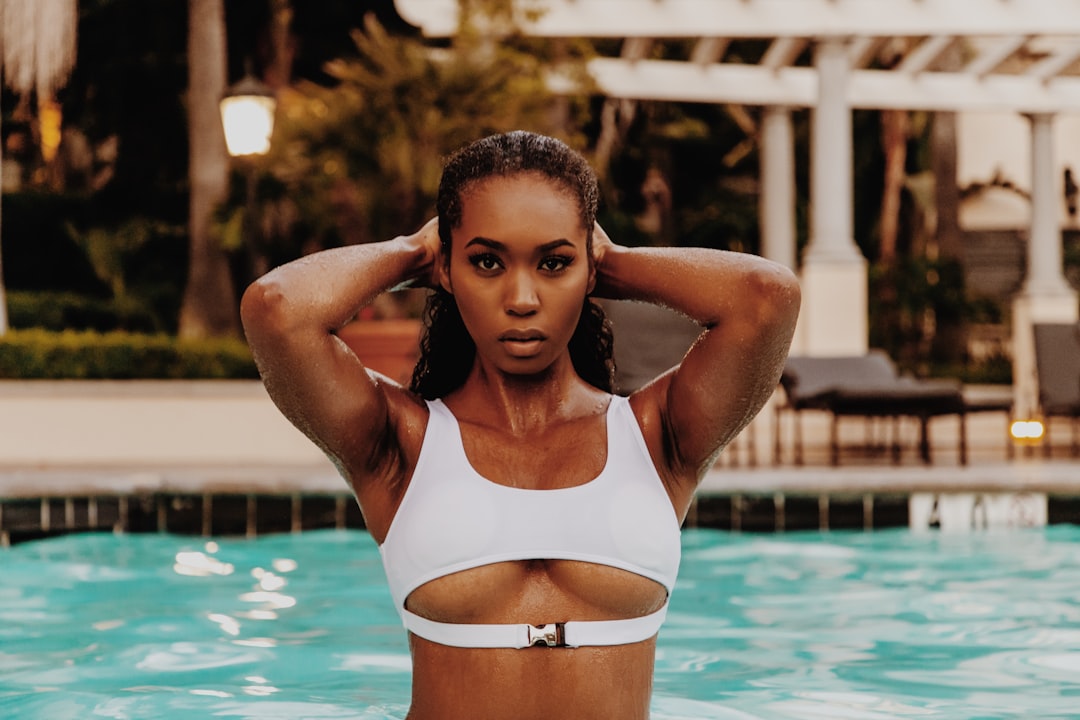
A bikini, by design, leaves your midsection open to the breeze. More exposed skin means more surface area to release heat and let sweat evaporate. On the hottest, most humid days — the kind where the air barely moves — that airflow is a real, physical comfort advantage, not a style preference.
Fabric weight matters just as much as cut. A heavy, doubled-up one-piece with built-in shaping panels will run hotter than a light, single-layer suit. If you love one-pieces but hate the heat, the fix is to choose thinner, quick-drying fabrics and cutouts at the sides or back that let air move — you get the silhouette you want without turning the suit into insulation.

The wet-fabric factor
There’s a comfort detail people rarely mention: how a suit feels once it’s wet and then starts to dry. A bikini dries fast because each piece is small and mostly exposed to air. A one-piece — especially with a lined front or shaping layers — stays damp longer, and a cold, wet panel across your core can feel chilly even on a warm day once you’re out of the water and sitting in shade or wind.
If quick-drying comfort is your priority, a bikini has a structural edge. If you don’t mind the trade-off and prefer the security of full coverage, a one-piece in a lightweight, fast-drying blend narrows the gap considerably.
Skin Comfort: Chafing, Seams, and Movement
Heat and sun get the attention, but skin comfort — the small frictions that build up over hours — is what you actually remember afterward. This is deeply individual, and it’s where the “one is better” framing breaks down completely. It depends on your body, your movement, and where your skin tends to rub.
A one-piece has fewer edges touching your skin, which some people find far more comfortable — no waistband digging in when you sit, no under-bust band shifting when you move. If seams and elastic lines bother you, the smoother, more continuous fit of a one-piece can be a relief, especially during active swimming where a bikini top can slip or a band can rub.
On the other hand, a one-piece introduces friction points a bikini doesn’t have — most notably where the fabric meets the inner thigh and along the leg openings. If you’ve ever finished a beach day with tender spots at the top of your thighs, the suit’s leg cut and seam placement are usually the culprit. A bikini with separate, well-fitted bottoms can sit more kindly there, and it lets you mix sizes: a top that fits your bust and bottoms that fit your hips, rather than compromising on one number for both.
That mix-and-match freedom is one of the strongest, least-discussed arguments for the bikini. Bodies aren’t proportioned to a single dress size, and being able to buy a top and bottom independently means a better, less pinchy fit for a lot of people — which translates directly into fewer red marks and less chafing.
Shop High-Waisted Bikini Sets on Amazon →

There is no single winner here, and anyone who tells you otherwise is selling something. A one-piece that covers your midsection is genuinely cooler on a shadeless midday beach because it spares you from reapplying sunscreen to your whole torso every ninety minutes. A bikini wins the instant you sit down at a breezy beach bar and want airflow against your skin. The smart move is to match the suit to the specific afternoon in front of you, not to a rule you read once.
Choosing by the Day, Not by the Rulebook
Notice what hasn’t come up in this whole comparison: your body “type,” or which suit is more “flattering,” or any of the old charts that sort people into shapes and hand them a verdict. Those charts fail because comfort in the sun and heat isn’t a matter of proportion — it’s a matter of what the day demands and what your skin can tolerate.
So flip the question. Instead of “which suit is right for me,” ask “what does this day need?” A long, exposed day at an open beach with strong midday sun leans toward a one-piece or a rash-guard combination that spares you constant reapplication. A humid, in-and-out-of-the-water afternoon with shade nearby leans toward a bikini for airflow and quick drying. A day of real swimming or bodysurfing might reward the security of a one-piece; a lounging day rewards the breeze of a two-piece.

The most freeing realization is that you don’t have to be a “one-piece person” or a “bikini person” for life. The people who are most comfortable in the heat tend to own both, and they choose based on the forecast, the location, and how their skin feels that week. A small rotation — one full-coverage one-piece, one breezy bikini, and a cover-up that works over either — handles almost any summer scenario without a single moment of standing in front of the mirror second-guessing your shape.
Whatever you reach for, the goal is the same: skin that isn’t burning, a body that isn’t overheating, and a suit that lets you forget you’re wearing it so you can actually enjoy the water. That’s the only comparison that matters.

Shop UPF Swim Cover-Ups on Amazon →
Sources
- American Academy of Dermatology — sun protection and UPF clothing guidance
- Skin Cancer Foundation — how fabric, fit, and wetness affect UV protection
- Centers for Disease Control and Prevention — heat, sun safety, and staying cool outdoors