
Rash Guard for Women: 7 Best Picks
The average beach day delivers enough UV exposure to cause measurable skin damage within 15 minutes of unprotected time on the sand — and sunscreen washes off after the first splash. That math is what pushed the women’s rash guard from surf culture into the mainstream. Once a niche item for competitive surfers and triathletes, it’s now a legitimate swimwear category with styles ranging from compression-fit athletic tops to loose-fit swim shirts you can wear from the pool to a beachside lunch. Knowing which type suits your actual plans makes the difference between a piece you live in and one that sits at the bottom of your beach bag.
1. Long Sleeve Rash Guard for Women: Full-Arm Sun Coverage
The long sleeve rash guard is the most protective option in this category, period. A full-coverage top with sleeves to the wrist shields your arms, shoulders, and chest whether you’re paddling, snorkeling, or sitting on the sand at noon. This matters more than most people account for: shoulders and forearms receive the highest UV dose of any body part during water activities, because they’re horizontal to the sun and largely unshaded by the body itself.
Look for UPF 50+ fabric in this style specifically — anything rated lower doesn’t fully justify the extra coverage. Flatlock seams are worth seeking out: they lie flat against the skin and won’t chafe during repetitive paddle strokes or extended time in the water. One counterintuitive detail is that dark colors absorb UV rather than reflect it, making navy, black, and charcoal long-sleeve rash guards slightly better sun blockers than pale versions at the same UPF rating. If you’re buying a long-sleeve specifically for sun protection over hours of outdoor water activity, go dark.

2. Short Sleeve Rash Guard: The Versatile Everyday Pick
Short sleeve rash guards occupy a useful middle ground. They work well for activities where you’re moving in and out of the water frequently — stand-up paddleboarding, beach volleyball, casual lap swimming — because they stay comfortable even when dry and don’t trap heat the way a full-sleeve top can in warm weather. A short-sleeve style also layers cleanly over a bikini top without much bulk, which makes it a natural choice for beach days that run from morning surf to an afternoon walk down the boardwalk.
Fit defines how well a short-sleeve rash guard actually performs. A compression fit should feel snug but not restrictive — if the fabric pulls at the shoulders when you lift your arms overhead, go up a size. Rash guards that bunch or sag once wet drag performance down and trap abrasive sand against your skin, which is the exact problem the garment was designed to prevent in the first place.

3. Zip-Front Rash Guard: Built for Surf and Quick Changes
The zip-front rash guard exists because of a specific surfing problem: pulling a tight, wet top over your head while standing on a board is awkward at best and painful at worst. The front zipper solved that. It also lets you vent the top open while you’re waiting for a set or walking back to your towel, then zip back up before you paddle out. For women who surf regularly or do any watersport where body temperature swings with activity level, this is the most practical style in the category.
The hardware matters more than most brands acknowledge. Brass and nylon zippers are saltwater-resistant and won’t snag your bikini straps. Cheap chrome hardware corrodes visibly after one season of beach use. The zipper pull should also be large enough to grip with wet, sandy hands — a detail that becomes genuinely annoying if the pull is flimsy or recessed. Check both specs before you buy if you’re using this for actual watersports rather than casual pool wear.
4. UPF 50+ Rash Guard: The Sun Protection Standard That Actually Matters
Not all rash guards block UV equally, and the label doesn’t always tell the full story. UPF — Ultraviolet Protection Factor — is the textile equivalent of SPF. A UPF 50+ rating means the fabric blocks at least 97.5% of UV radiation reaching the skin, according to the American Academy of Dermatology. UPF 30 blocks around 96.7%. The gap sounds small until you’re four hours into a beach day and your sunscreen washed off in the first thirty minutes.
The catch is that some fabrics marketed as “sun protective” test closer to UPF 15 when wet, because water temporarily loosens the weave and makes it more porous. Polyester and nylon blends with at least 20% elastane maintain their rated UPF when saturated — loose-weave cotton blends do not. When buying a rash guard specifically for UV protection, look for third-party certifications from labs like Intertek rather than trusting a brand’s unverified hangtag claim. Our full UPF swimwear guide covers how to read those certifications and what they mean for your skin.

5. Crop Top Rash Guard: Coverage Without Covering Everything
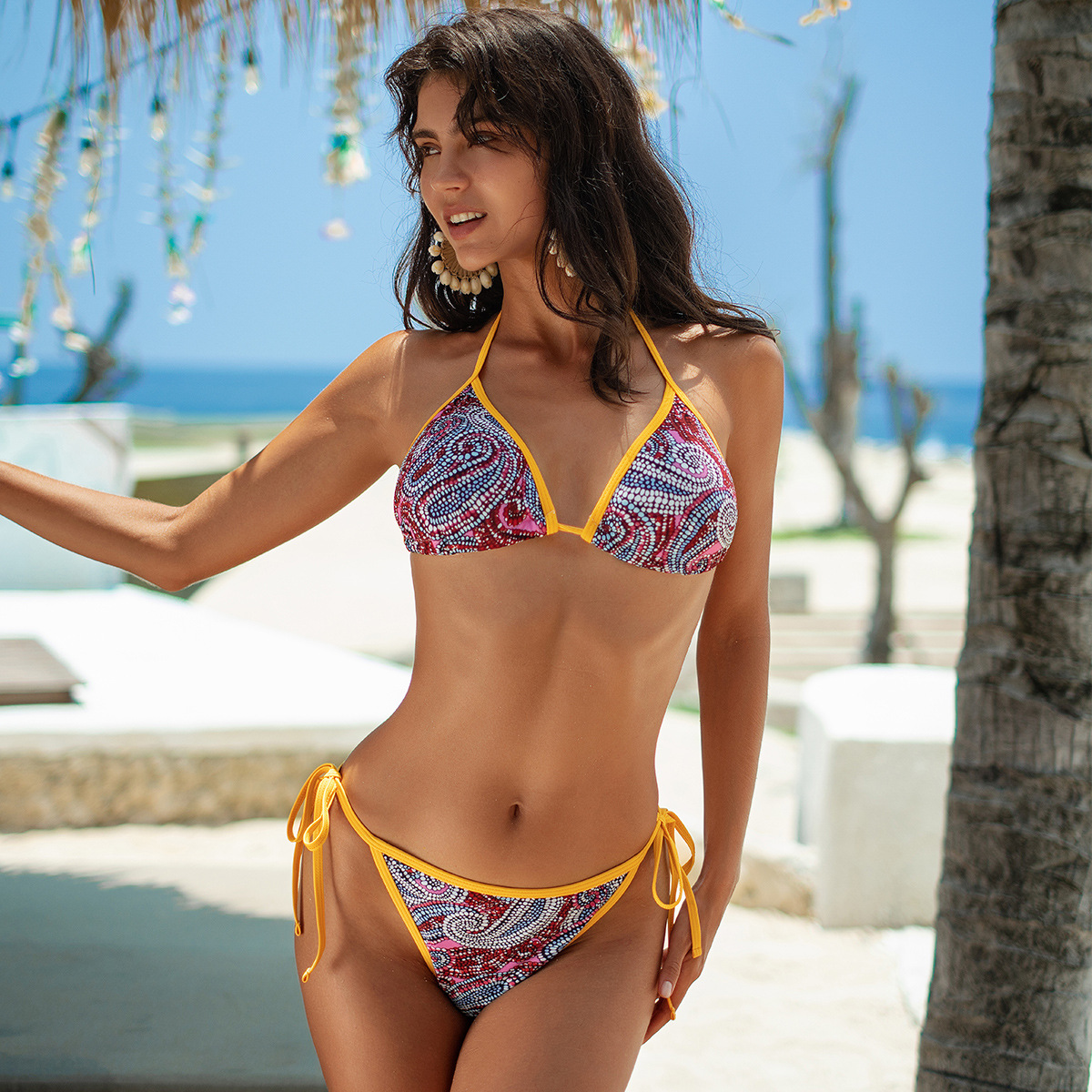
The crop rash guard became a mainstream style around 2022 and the silhouette still makes sense. It covers the chest, shoulders, and upper back — the areas that burn fastest and that take the most direct sun during beach activity — while leaving the midriff open for ventilation. Paired with high-waisted bikini bottoms or board shorts, it hits the right balance between protection and airflow, particularly for warm-weather destinations where a full top feels suffocating by midday.
Fit is more important here than in any other rash guard style. A crop top that rides up while you’re swimming looks sloppy and creates friction on the lower rib cage. Look specifically for a fitted hem band rather than a raw or serged edge — the band keeps the hem in place through dives and extended swimming without requiring adjustment. Some brands offer a tie-front crop rash guard, which gives more sizing flexibility but adds a wet knot to manage in the water, which some women find annoying over a long session.
6. Swim Shirt Rash Guard: The Relaxed-Fit Staple
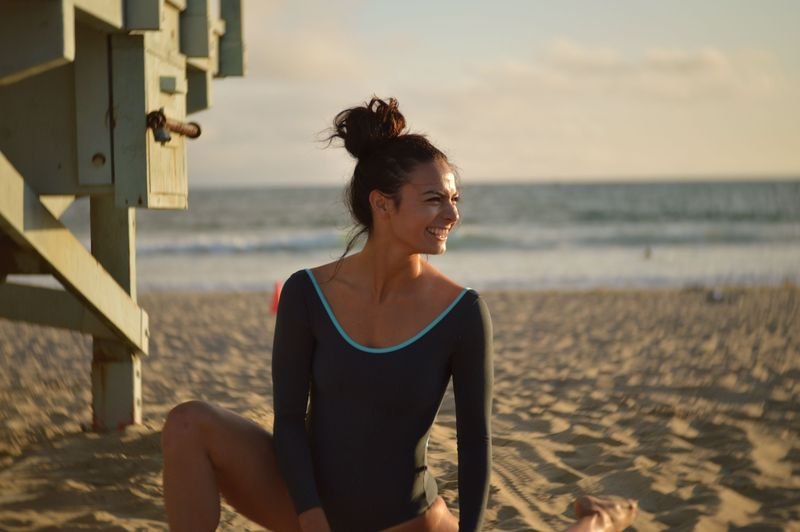
The swim shirt is the rash guard that doesn’t look like a rash guard. Cut with a loose, athletic-tee silhouette rather than the snug compression fit of performance styles, it’s the easiest option to wear from the water to a boardwalk restaurant without changing. You won’t win a surf competition in it, but for family beach trips, water parks, and casual lake days, it’s the most wearable option in the category by a wide margin.
The tradeoff versus compression styles is real but manageable for most uses: a looser fit means slightly less UV performance when the fabric pulls away from the skin, and more water drag during open-water swimming. Neither matters for recreational swimming. The swim shirt also tends to size most consistently — the relaxed cut works across body types without requiring the precise fit that a compression rash guard demands to look intentional rather than oversized. If you prioritize comfort over a ten-hour beach day above everything else, this is the pick.

7. Plus-Size Rash Guard for Women: What to Actually Look For
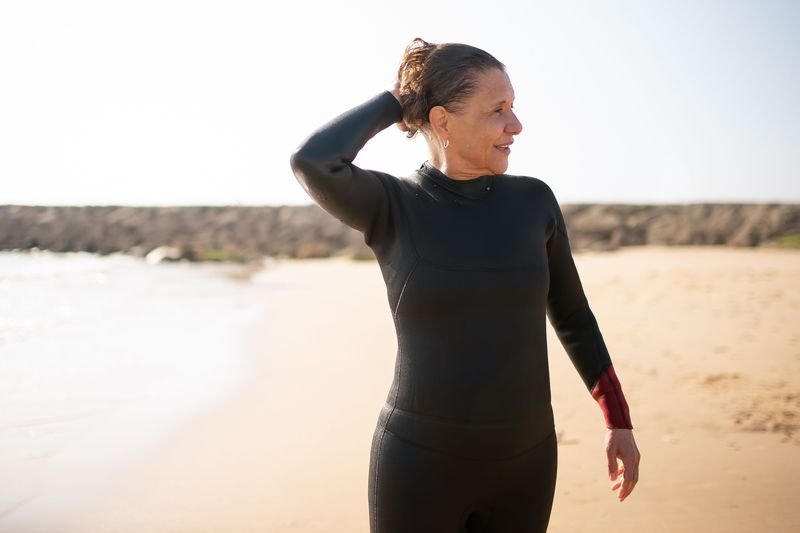
The plus-size rash guard market has improved considerably in the last three years. Sizes up to 4X are now widely available in both compression and relaxed fits, with the same UPF ratings and fabric quality as standard sizes from reputable brands. Knowing what to check separates a good buy from one that fits awkwardly or fails after a season. Specifically: look for a longer torso cut (standard rash guards often gap at the lower back for longer or larger torso wearers), reinforced underarm seams (these see the most stress in larger sizes and are usually the first place to fail), and fabric with at least 20% elastane to maintain shape through a full day of activity.
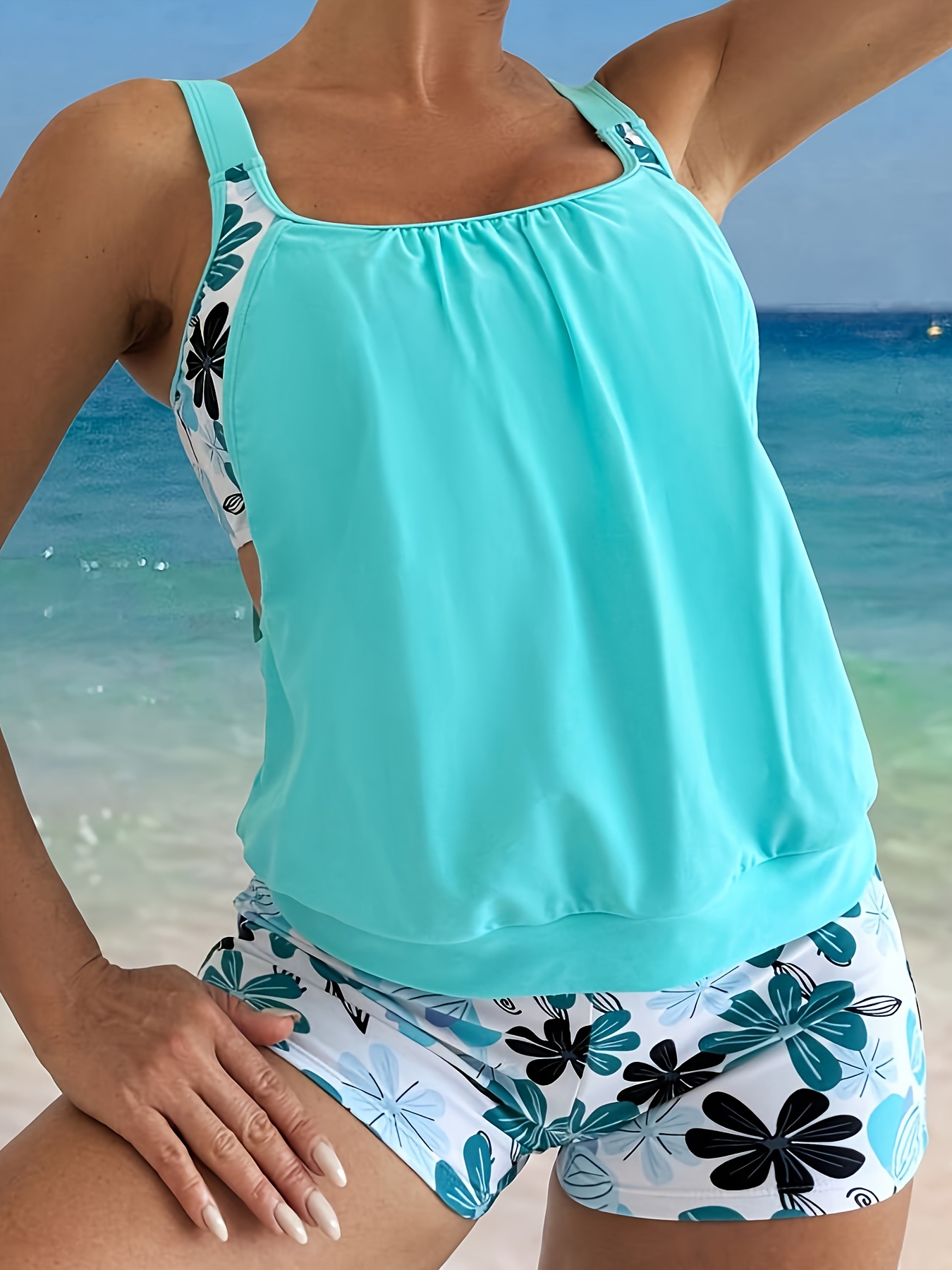
Photography is the easiest filter when shopping online. If a brand shows their rash guard on one body type only, you’re buying guesswork about how it will fit yours. Brands that photograph across a genuine size range have usually fit-tested those sizes rather than just grading up a pattern. For a complete beach-ready look that moves well and handles extended sun exposure, pair a well-fitted rash guard with something from our athletic swimwear for women guide, which covers supportive options from bikinis to one-pieces across a range of body types.
How to Buy a Rash Guard That Actually Lasts
Three things separate a rash guard worth buying from one you’ll replace after a single season. Fabric first: polyester-nylon blends outlast pure polyester in both UV exposure and repeated chlorine contact, which matters if you use your rash guard in pools as well as open water. Construction second: flatlock or sealed seams outlast standard stitching in wet conditions and won’t cause chafing during repetitive movement. Care third: rinse in cold fresh water immediately after saltwater or pool use, machine wash on a gentle cycle, and never put a rash guard in the dryer — the heat degrades elastane and the UV-protective finish faster than any amount of regular use in the water.
One thing rash guards don’t replace: sunscreen on exposed skin. A UPF 50+ top covers everything it covers — chest, back, arms — but your face, neck, and legs still need SPF 30 or higher applied before you hit the sand. The Skin Cancer Foundation recommends combining sun-protective clothing with broad-spectrum sunscreen for full protection during extended outdoor activity. If you’re shopping for something with a longer torso or a better fit for taller frames, our swimwear for tall women guide covers proportional fit in detail.
Sources
- Skin Cancer Foundation — Sun-Protective Clothing — Guidelines on UPF ratings and the role of clothing in a complete sun protection strategy.
- American Academy of Dermatology — How to Select Sun-Protective Clothing — AAD guidance on UPF standards, fabric performance, and what to look for when buying UV-protective swimwear.
- The Inertia — Best Women’s Rash Guards — Hands-on reviews of leading women’s rash guard styles across surf, swim, and casual beach use.