Swimwear Care Mistakes: 10 Habits Quietly Destroying Your Bikinis
That favorite bikini you bought last summer — the one with the perfect fit, the color that made you feel unstoppable — is probably already on borrowed time. Not because of bad luck or cheap fabric, but because of small everyday habits most of us never think twice about. The good news? Almost every swimwear villain (chlorine, sunscreen, heat, rough handling) can be neutralized once you know which mistakes to stop making. This guide walks through the ten habits quietly cutting your swimwear’s life in half — and the easy swaps that keep every shape, size, and style looking great for seasons to come.
Why Swimwear Wears Out So Fast
Modern swimwear is a marvel of stretchy engineering. The same elastane (Lycra or spandex) that hugs every curve gracefully is also the most vulnerable fiber in your wardrobe. Heat, oils, UV, and aggressive friction all break down those tiny rubbery threads. Once they snap, the fabric sags, pills, or thins — no matter how lovingly you washed it last week. A typical bikini contains 10 to 20 percent elastane woven through nylon or recycled polyester, which means roughly one-fifth of your suit is fighting a daily battle against chemistry. The mistakes below all accelerate that breakdown. Avoid them and you can easily triple the number of wears you get before the elastic gives up.
Mistake 1 — Slathering Sunscreen Before Putting Your Suit On
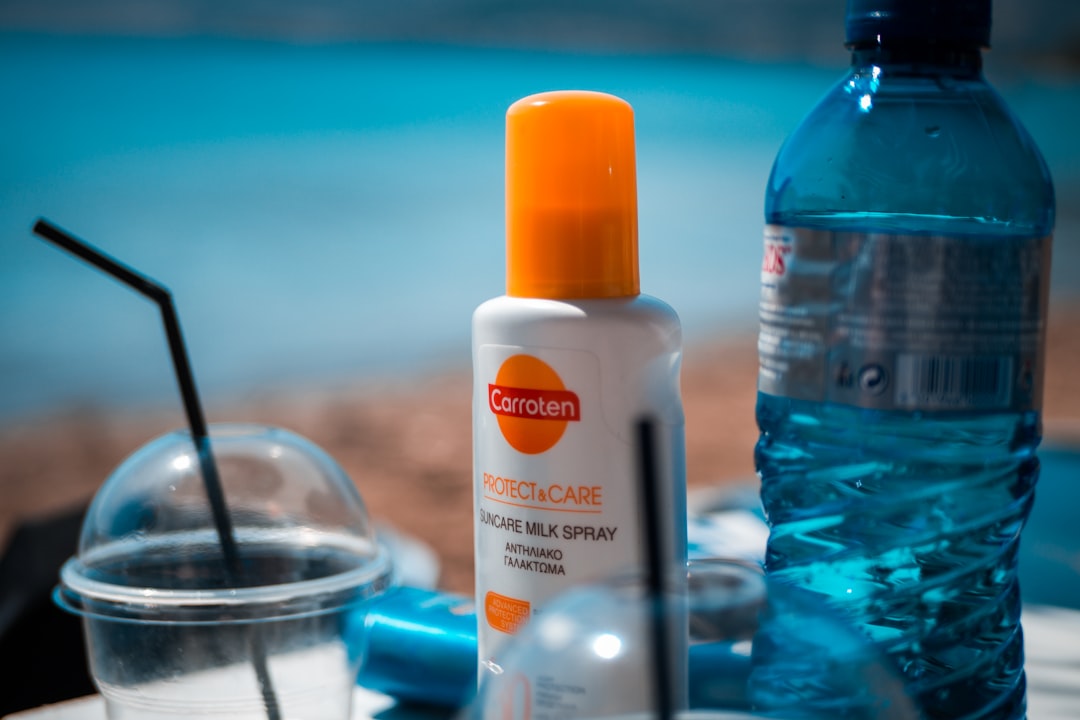
Mineral and chemical sunscreens both contain oils and stabilizers that bond to swimwear fibers. Avobenzone in particular leaves a stubborn yellow tint on white and pastel suits, and zinc oxide can leave chalky shadows that resist regular washing. The fix is simple: apply sunscreen at least 15 minutes before getting dressed so it absorbs into your skin instead of your bikini. Rub any leftover residue into your hands or shins before tying straps. If you have already stained a light suit, soak it in cool water with a teaspoon of mild dish soap for 30 minutes — never use bleach, which destroys elastane on contact.
Mistake 2 — Sitting Straight Down on Hot Surfaces
Wooden pool decks, concrete patios, and especially the rough stone edges of resort pools work like sandpaper on the seat of your suit. Combine that abrasion with surface temperatures that can hit 60°C (140°F) in midday sun and you are essentially cooking the elastane while grinding it down. Always bring a towel, sarong, or wrap to sit on. Bonus: a quick-dry sand-free beach blanket also keeps you from carrying half the beach home with you, which protects the lining from gritty wear.
Mistake 3 — Tossing Your Bikini in the Washing Machine
Even a “delicate” cycle subjects swimwear to agitation, hot water spikes, and detergent residues that quietly eat away at elasticity. The drum also tangles ties, snags ruching, and bends underwires out of shape. Hand washing is genuinely faster than people think — a quick swish in cool water with a drop of mild detergent takes under three minutes per suit. If you absolutely must machine wash, place each piece inside a zippered mesh laundry bag, use cold water on the gentlest setting available, and skip the spin cycle entirely.

Shop Mesh Laundry Bags for Delicates on Amazon →
Mistake 4 — Wringing Water Out Like a Dish Towel
Twisting a wet bikini like a washcloth permanently stretches and bunches the elastic fibers. You can usually feel the fit loosen after just a few wrings — the cups never quite sit the same way again, and bottoms develop a baggy seat. The right way: lay the wet suit flat on a clean dry towel, roll the towel up like a yoga mat, and gently press. The towel absorbs most of the water without distorting the fabric, and the whole process takes about ten seconds.
Mistake 5 — Drying in Direct Sunlight
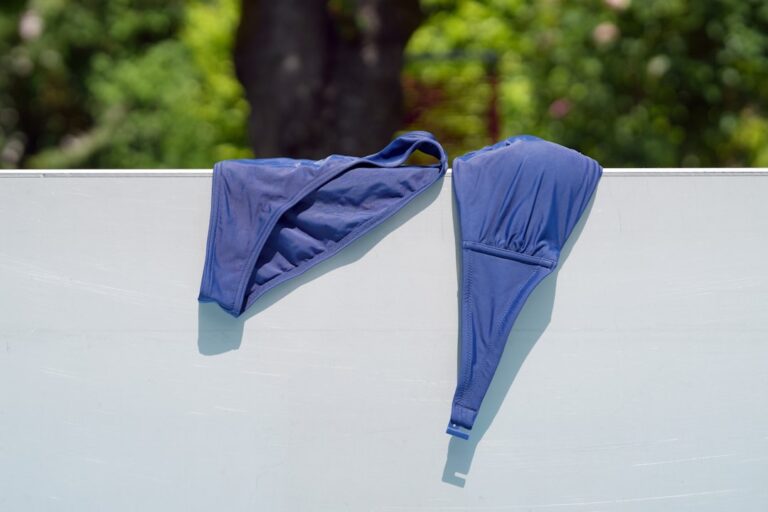
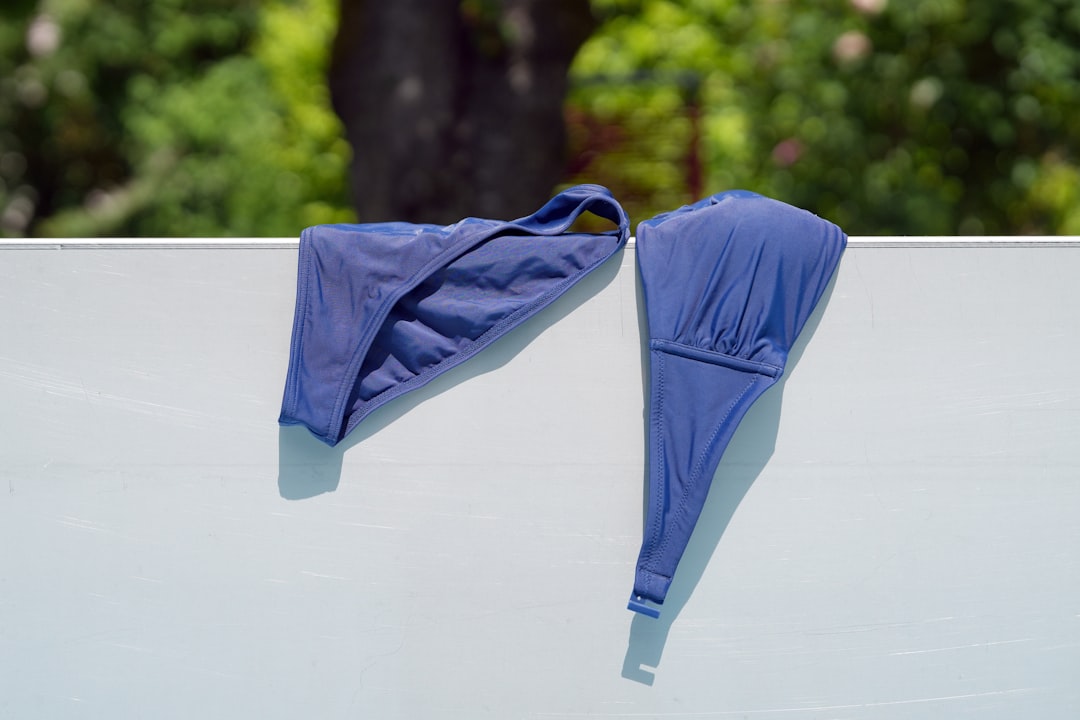
UV is the same enemy that fades patio cushions and car interiors — and it is even harsher on the thin, stretched fibers of swimwear. Hanging your suit on the balcony rail in full afternoon sun is the fastest way to bleach color and brittle the elastic. Dry flat in shade with good airflow, or hang by the gusset (never by the straps, which stretch out under the weight of wet fabric). Indoor drying near an open window is ideal in humid climates, and a small fan dramatically speeds things up without any heat damage.
Mistake 6 — Storing Damp or Folded Tight
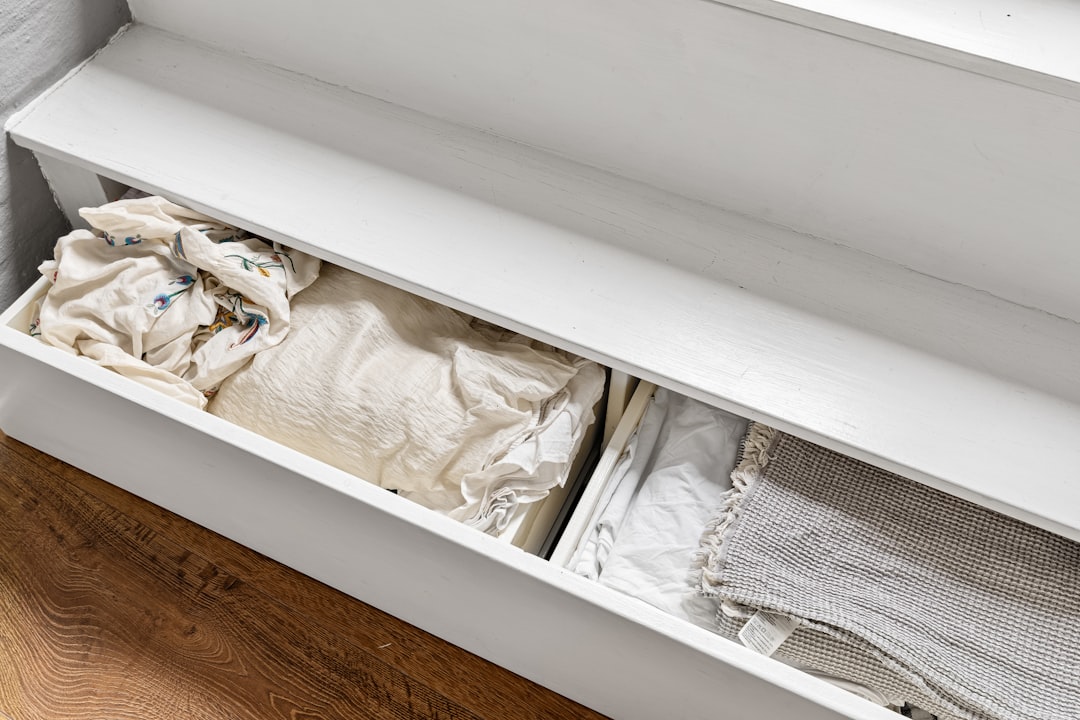
A bikini stuffed damp into a beach bag for the trip home is a petri dish for mildew, and the stains it leaves rarely come out. Once dry, resist the urge to fold suits into tight squares — sharp creases weaken fiber memory at the fold lines, where you will see the first signs of thinning and discoloration. Lay tops and bottoms flat in a single drawer layer, or roll them loosely like sushi. Avoid plastic bins that trap moisture; breathable cotton pouches or open drawers work best for long-term storage.
Mistake 7 — Hot Tubs Without a Rinse Buffer
Hot tubs concentrate chlorine or bromine at much higher levels than pools — sometimes four times as much. Combined with elevated water temperatures, this is the single most aggressive environment swimwear ever faces. Designate one older “hot tub suit” you do not mind retiring quickly, or rinse the suit both before AND after every soak to dilute the chemical exposure. Better still, switch to a polyester-blend suit for hot tub days; recycled polyester resists chlorine far better than nylon-elastane blends and holds its shape through dozens of soaks.

Shop Chlorine-Resistant Swimsuits on Amazon →
Mistake 8 — Mixing Swimwear With Velcro and Rough Fabrics
Towels, hook-and-loop closures on board shorts, glittery cover-ups, and bedazzled flip-flops all pull microscopic loops on swimwear, leading to pilling and snags that compound over time. Store bikinis separately from rough textiles, and never share a laundry pile with denim, towels, or anything embellished. A small dedicated drawer, a labeled mesh pouch, or a hanging satin organizer is more than enough — and it makes packing for a trip dramatically easier too.
Mistake 9 — Letting Your Suit Live in a Beach Bag
Sand is essentially tiny glass shards. Each grain that hides in lining or wedges into a seam continues to grind against fibers long after you have packed up for the day. After every beach session, shake the suit out thoroughly, rinse it in cool freshwater (a hotel sink, outdoor shower, or hose works), and air-dry before storing. Spot-check seams, gusset linings, and around any decorative beads or rings where sand likes to hide. Five seconds of inspection saves weeks of slow shredding.
Mistake 10 — Owning Just One “Good” Suit and Wearing It Constantly
Elastane fibers need rest. Daily wear without recovery time keeps the fabric in a constantly stressed state and doubles the rate at which it stretches out permanently. Swim coaches and pro lifeguards recommend rotating between at least three suits if you swim or wear bikinis multiple times per week. Rotation also lets each suit fully dry between wears, preventing the mildew and bacterial growth that quietly damage fibers from the inside out. Think of it as building a small capsule collection that pays you back in years of wear.
Shop Mix & Match Bikini Sets on Amazon →
The Five-Minute After-Swim Routine That Fixes Everything
You do not need a full salon-style spa day for your swimwear. The vast majority of damage is prevented with one quick sequence that takes about five minutes total:
- Rinse the suit in cool freshwater the moment you are out of the pool or ocean.
- Hand wash with a single drop of mild detergent or a dedicated swimwear wash.
- Press water out using a towel roll — never wring or twist.
- Lay flat in shade, away from heaters, dryers, and direct sunlight.
- Store completely dry, flat or loosely rolled, never folded tight.
That is it. Once the steps become muscle memory, you will wonder how you ever lost so many favorites to neglect — and you will probably stop replacing bikinis every season.
When a Bikini Is Truly Beyond Saving
Sometimes a suit has earned an honorable retirement. Signs it is time to move on include a permanently baggy seat or cup areas that will not snap back when dry, visible fabric thinning where you can see through the material, broken underwire that pokes the skin, and color fade so deep that hand-dyeing is the only fix. Before you toss, consider repurposing — bikini tops make great workout sports tops under loose tees, and bottoms can become loungewear or sleep shorts. Some brands also offer take-back programs that recycle nylon and elastane into new fabric, which keeps them out of the landfill.
Body-Positive Bonus — Why Care Matters More Than Hide
Treating your swimwear well sends a quiet message: this body, right now, deserves things that fit beautifully and last. Replacing a faded suit with a new one is fine, but extending the life of a piece you already love and feel confident in is even better. Every body shape benefits from the same care principles — there is no special “curvy care” or “petite care,” just good habits that respect both the fabric and the person wearing it. Confidence has a much longer shelf life when it is not interrupted by sudden wardrobe failures at the pool.
Sources
- Wikipedia — Spandex (elastane chemistry and degradation)
- Wikipedia — Nylon (fiber properties and care)
- U.S. Environmental Protection Agency — Pool and Spa Water Chemistry
Shop our full range of bikinis and swimwear at the BikiniCool store →