
Revive Old Bikinis: 9 Best Ways to Fix Faded & Stretched Suits
A good bikini takes roughly 90 to 120 hours in the water before the elastane starts breaking down for good. That’s about two hard summers of weekend pool days. Most suits never make it that far — not because the fabric wore out, but because sunscreen, chlorine, and a hot dryer got to them first. The good news is that a lot of what looks like permanent damage is really just buildup you can wash out. This guide walks through how to revive old bikinis that have gone faded, stretched, or funky, plus how to spot the ones genuinely past saving.
Can You Really Revive Old Bikinis?
Yes, and the reason comes down to what actually went wrong. Faded color is usually a film of sunscreen oils and pool chemicals sitting on the fibers, not dye that has vanished. A saggy seat or loose straps often means the elastic has been baked or twisted rather than snapped. Both are reversible. Learning to revive old bikinis is less about miracle products and more about undoing three or four small mistakes most of us make without thinking.
The truth is, most “ruined” swimsuits were killed by convenience — tossed in the washing machine, wrung out hard, and left balled up wet in a beach bag. Reverse those habits and a tired suit can look close to new. What you can’t reverse is dry-rotted elastane, which feels crunchy and no longer springs back. That’s the one honest dividing line.

What Actually Wrecks a Swimsuit
Four things do almost all the damage, and they stack. Chlorine is an oxidizer — it slowly bleaches dye and attacks the stretch fibers, which is why pool suits die faster than ocean suits. Sunscreen is worse than most people realize: avobenzone and titanium dioxide leave greasy, sometimes rust-colored marks that ordinary rinsing won’t shift. Salt crystals are abrasive and dry out elastane. And heat — from a dryer, a hot car, or leaving the suit on a sunlit deck — is what permanently sets stretch and fades color.
Roxy’s care team puts sunscreen and chlorine at the top of the list of “swimwear enemies,” and their fix is the same one competitive swimmers use: rinse before the residue has time to bond. The window matters. Sunscreen that sits overnight is far harder to lift than sunscreen rinsed within the hour.

How to Revive a Faded Bikini
Start with a cold soak. Fill a basin with cool water and add a teaspoon of pH-neutral or delicate-wash detergent — never regular laundry powder, which is alkaline enough to strip color further. Submerge the suit, swish gently, and leave it for 15 minutes. This alone lifts most of the sunscreen and chlorine film that reads as “faded.”
For color that still looks tired, do a second soak in one part white vinegar to four parts cold water for about 30 minutes. Vinegar is mildly acidic, so it dissolves chlorine and mineral buildup and can brighten dye that was only dulled, not destroyed. Rinse thoroughly afterward in clean cold water. Skip this trick on suits with metallic hardware or heavy embellishment, where the acid can tarnish trim.

How to Fix a Stretched-Out Swimsuit
A drooping bikini bottom or gaping top usually isn’t stretched-out fabric — it’s relaxed elastane that heat and rough handling have loosened. Cold water is your reset button. Soak the suit in cold water for 20 minutes, because cold encourages the elastane to contract, then lay it flat and let it dry naturally. Many suits tighten back up a full size from this alone.
If the straps or waistband are still loose, avoid the tempting shortcut of a hot-water shrink — heat that shrinks the fibers today is the same heat that dry-rots them tomorrow. For a top with removable cups that won’t sit right, take the pads out, wash everything flat, and reinsert once dry so nothing dries in a bunched position. Persistent bagginess at the seams, rather than the panels, is the sign the suit has structurally given up.

Getting Rid of Odor and Sunscreen Stains
That lingering pool or mildew smell lives in the fibers, and vinegar handles it better than perfume-heavy detergents that just mask it. The same four-to-one cold vinegar soak that brightens color also neutralizes odor in about 30 minutes. For a sour smell that won’t quit, it usually means the suit was stored damp — always dry a suit fully before it goes in a drawer.
Greasy sunscreen stains need a targeted approach. Work a drop of dish soap into the mark with your fingertips before the main wash, let it sit five minutes, then soak as normal. Dish soap is built to cut oil, which is exactly what mineral and chemical sunscreens leave behind. Resist the urge to reach for bleach or a stain stick with peroxide — both chew through elastane and will trade a stain for a hole.
The Daily Habits That Make Swimsuits Last
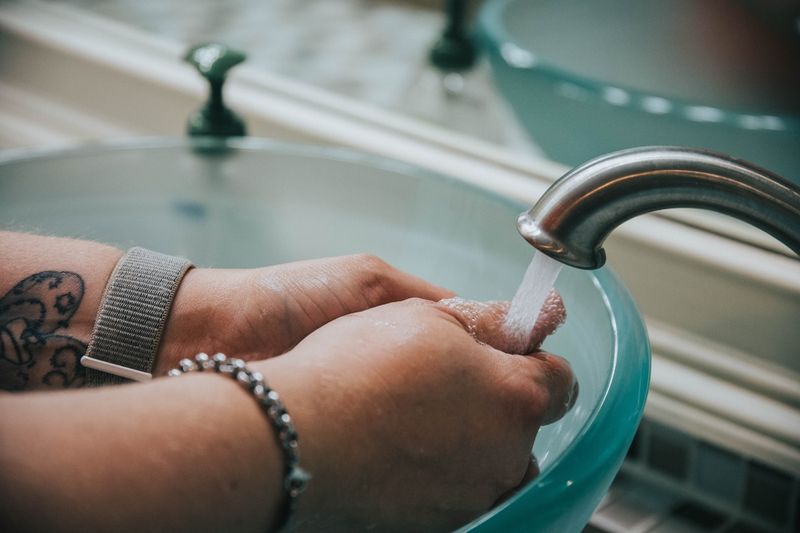
Reviving a suit is repair work; these habits are prevention, and they matter more. Rinse the suit in cold tap water the moment you’re out of the pool or sea — before lunch, before the shower, before it dries. This one step removes the bulk of the chlorine and salt while it’s still loose.
Hand wash over machine wash whenever you can. A washing machine’s agitation overstretches elastic and the spin cycle grinds fabric against zippers and hooks in the drum. If you truly must machine wash, use a mesh delicates bag, cold water, and the gentlest cycle. Alternate suits, too — giving elastane 24 hours to fully dry and recover between wears roughly doubles its usable life. If you want to match care to what your suit is actually made of, our guide to swimwear fabrics breaks down how nylon, polyester, and recycled blends each behave.
Drying and Storing Without Undoing Your Work
How you dry a suit decides whether the wash was worth it. Never wring — twisting breaks fibers and creases in color. Instead, press the suit flat between a clean towel, roll to squeeze out water, then unroll and lay it flat to finish drying. Keep it out of direct sun; UV bleaches wet fabric fastest, so shade or indoors is best.
Skip hangers for anything heavy or wet. A soaked suit’s own weight pulls it out of shape on a hanger, and clips leave marks. Once fully dry, store suits flat and unfolded along seams, and never stack a damp suit under dry clothes. These small choices are the difference between a suit that lasts one season and three.

When to Stop Reviving and Start Replacing
There’s a point where the smart move is a new suit, and pretending otherwise just means bad photos and a suit that won’t stay put. Retire a bikini when the fabric feels crunchy or papery instead of springy, when it’s gone see-through from thinning (stretch it against the light — if you can read through it, it’s done), when the elastic no longer recovers after a cold soak, or when a chlorine-white cast won’t budge from a suit that used to be black. A darker suit that fades hard is a common casualty; if that’s you, a fresh black bikini holds color far better than a resurrected one ever will.
Retiring a suit isn’t failure — it’s knowing that 100-hour swim life ran out. And the confidence of a suit that fits and holds its shape is worth more than squeezing three extra wears out of a tired one. If you’re rebuilding your rotation, our roundup of confident styles for every age is a good place to start.
How Often Should You Wash a Bikini?
After every single wear — no exceptions. It feels excessive for a suit you had on for two hours, but the damage isn’t from wearing it, it’s from letting chlorine, salt, and sunscreen sit in the fibers between wears. Even a suit that only touched a sun lounger picks up sweat and SPF that quietly break down elastane. A quick cold hand rinse counts; you don’t need a full detergent wash every time, but the residue has to come out the same day.
The one time to be gentler is with delicate trims — crochet, beading, or metallic hardware. Those still need rinsing, but skip the vinegar and any wringing, and dry them flat away from a radiator. Match the effort to the suit and you’ll rarely need the heavier restoration steps at all, which is the whole point: the easiest way to revive old bikinis is to never let them get that far gone.
Quick Swimsuit Care Reference
Keep this near the laundry basket for the season. It’s the whole method in one glance.
| Problem | Fix |
|---|---|
| Faded, dull color | Cold delicate-wash soak, then 4:1 water-to-vinegar soak 30 min |
| Stretched, saggy fit | 20-min cold-water soak, dry flat — never hot water |
| Pool or mildew smell | 30-min cold vinegar soak, then dry fully before storing |
| Greasy sunscreen stain | Dab dish soap on the mark, wait 5 min, wash cold |
| Crunchy, see-through fabric | Retire it — the elastane is gone |
Before you write off that faded favorite at the back of the drawer, give it one cold soak and a flat dry. More often than not, the suit you were ready to toss has another summer left in it — and the ten minutes it takes to revive old bikinis is the cheapest wardrobe upgrade you’ll make all season. Start tonight with the one suit you miss most.
Sources
- Roxy — Bikini Care Guide: Tips & Tricks — brand care team on chlorine, sunscreen, and hand washing.
- Billabong — How To Wash & Dry Swimsuits — rinse-first method and flat-drying guidance.
- SwimZip — How to Wash Swimsuits — vinegar soak ratios for odor and chlorine removal.