How to Choose a Bandeau or Strapless Bikini That Truly Fits
There’s a particular kind of hesitation that shows up in the fitting room with a strapless top in your hands. It’s not about whether the style is pretty — bandeau and strapless swimwear photograph beautifully and feel wonderfully unfussy. The hesitation is quieter than that: will this actually stay where I put it? That single question is what makes choosing a bandeau feel riskier than grabbing a triangle top with reliable straps. The good news is that a strapless top staying put is not luck. It’s fit, fabric, and construction — three things you can learn to read before you ever hit “add to cart.”
This is a walkthrough, not a ranking. Instead of telling you which product is “best,” it’ll show you how to judge any bandeau or strapless top on its own terms, so the one you choose fits your body, your plans for the day, and the way you actually like to feel at the beach.
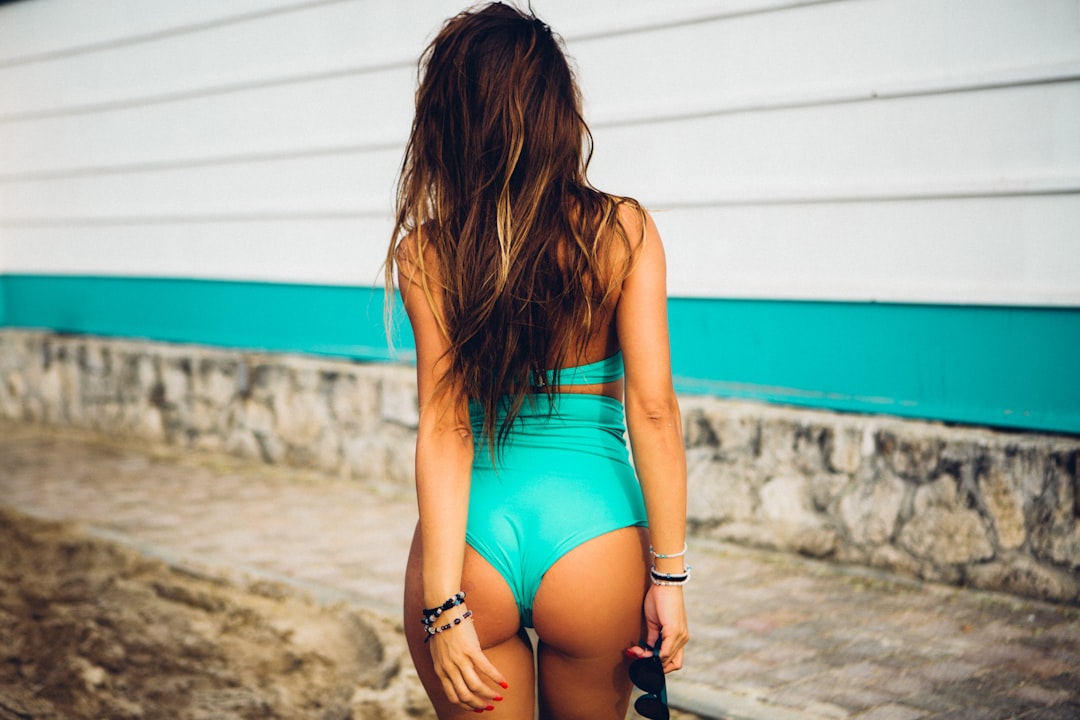
What “bandeau” and “strapless” really describe
The two words get used interchangeably, but they aren’t quite the same thing. A bandeau is a straight, horizontal band of fabric across the bust with no straps and, usually, a fairly clean top edge. A strapless top is any bikini top built to work without shoulder straps — that includes bandeaus, but also bandeau-adjacent shapes with light boning, folded or twisted centers, and sweetheart necklines that curve up over the bust rather than running flat across it.
Why does the distinction matter when you’re shopping? Because “strapless” is a promise about how the top holds itself up, and “bandeau” is a description of its shape. A flat bandeau leans almost entirely on the band beneath the bust for grip. A shaped strapless top can borrow support from seams, molded cups, or subtle boning. Knowing which one you’re looking at tells you where to aim your attention.
Fit is the entire game with a strapless top
With a strappy top, straps quietly cover for a mediocre fit. Take the straps away and there’s nothing to hide behind — the band has to do all the work by itself. That’s why a bandeau that’s even slightly too loose slides, and one that’s slightly too tight rides up. The window for “just right” is narrower, so it pays to understand what you’re feeling for.
The band underneath does the holding
Run your finger along the bottom edge of any strapless top and you’ll feel the band — sometimes a strip of thicker elastic, sometimes a folded channel of fabric, sometimes a thin wire casing. This band is the anchor. It should sit snugly against your ribcage and stay level all the way around, without digging in. If the band creeps upward at the back, that’s the classic sign it’s fighting your body instead of gripping it, and no amount of adjusting the front will fix it.
Read the construction before you commit
Before you look at the print or the color, look at how the top is built. A few features quietly separate a bandeau that stays put from one that becomes a full-time job at the shoreline:
- Silicone gripper strip: a thin, slightly tacky band along the inside top edge that clings to skin. This is the single most reliable anti-slip feature on a flat bandeau.
- Removable straps: a top that includes clip-on or halter straps gives you a fallback for active days while still wearing strapless when you want to.
- Side boning: a couple of flexible plastic stays sewn into the seams keep the top from folding down on itself, especially helpful with a fuller bust.
- Molded or lightly padded cups: these hold shape and add a layer of security that flat, unlined fabric can’t.
None of these is mandatory. A simple unlined bandeau is perfect for lounging by a pool. But if you know you’ll be moving, choosing a top with at least one of these features stacks the odds in your favor.
Finding your band measurement
Because the band is doing the heavy lifting, its measurement matters more than any other number. You can find it in about a minute with a soft tape measure. Wrap it snugly around your ribcage, directly under your bust, keeping it level front and back. That underbust number is your band size, and it’s the figure you want to match when a listing gives measurements rather than just “S/M/L.”
Here’s the counterintuitive part: for a strapless top, you generally want the band on the snugger end of your range, not the roomier one. A band with a little extra grip stays level; a relaxed one migrates upward the moment you raise your arms. If you’re between two sizes and the top has real support built in, sizing down on the band is usually the safer bet. If it’s a soft, unstructured bandeau meant purely for sunbathing, comfort can win instead.
Fabric weight decides more than you’d think
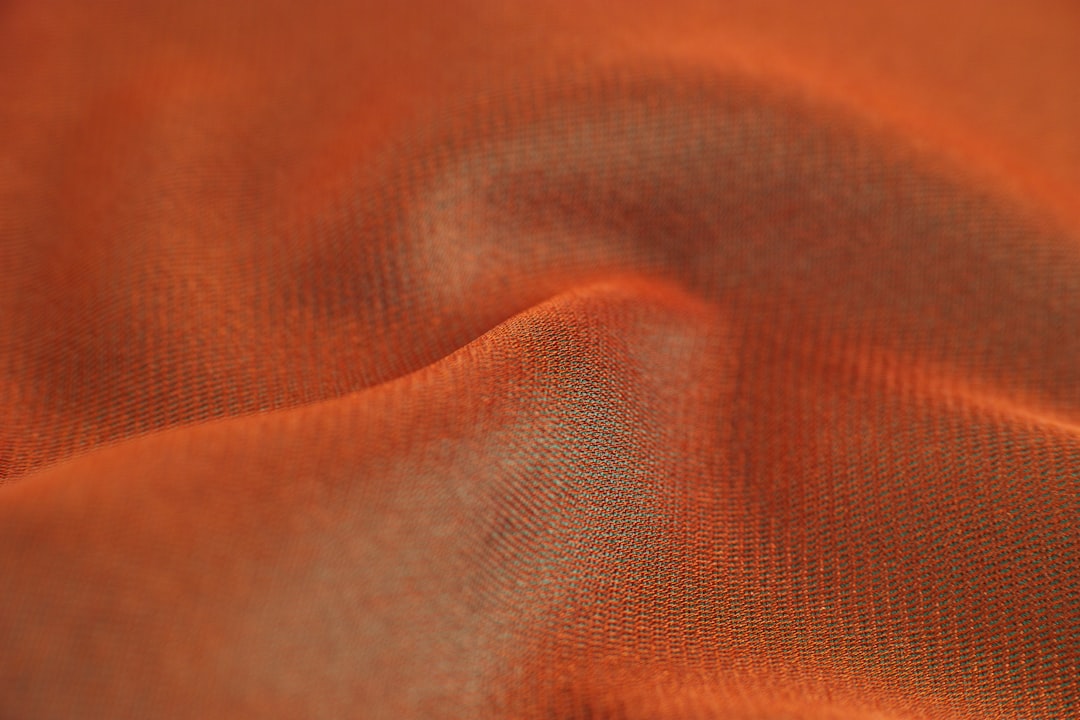
Two bandeaus can look identical online and behave completely differently in person, and the reason is almost always the fabric. Thin, single-layer jersey is soft and pretty but has very little structural memory — it stretches out when wet and stays stretched. A denser, double-lined fabric with a higher elastane content springs back, holds its shape through a swim, and resists the sag that makes a light bandeau slide.
You can’t always feel the fabric before buying online, but the product description usually tells you. Look for words like “double-lined,” “compression,” or a listed blend that includes a meaningful amount of elastane or spandex (often 15–20%). Ribbed textured fabrics also tend to have more grip and structure than smooth ones. When a listing is silent about lining and blend, treat that silence as a small warning sign rather than a neutral one.
Shop Bandeau Bikini Tops with Silicone Grip on Amazon →
Matching the style to how you’ll actually move
The single most useful question to ask before buying isn’t “does this look good?” It’s “what will I be doing while I wear it?” A bandeau that’s flawless for a lounge chair can be the wrong tool for a swim, and vice versa. Picture the real day, not the idealized photo.

Lounging, sunbathing, and photos
If your beach day is mostly horizontal — reading, tanning, easing into shallow water — you have the most freedom here. A soft, unstructured bandeau shines in this setting because the anti-slip pressure of movement barely comes into play. This is also where the smooth, straight top edge of a classic bandeau does its best work, giving you an even neckline and no strap marks. It’s the natural home of the no-tan-line look.
Swimming, sports, and busy days
The moment real movement enters the picture — diving under waves, chasing kids, beach volleyball — a flat, strapless bandeau is working against physics. This is where you want the security features: a gripper strip, side boning, molded cups, or removable straps you can clip on for the active stretch and take off later. There’s no shame in using the straps. A strapless top that can become a halter when you need it is more versatile, not less strapless.
Shop Strapless Bikini Tops with Removable Straps on Amazon →
The confidence question underneath it all
A lot of the anxiety around strapless swimwear isn’t really about the garment — it’s about being seen. Bandeaus expose the shoulders and collarbone, and for some people that feels freeing while for others it feels exposing. Both reactions are completely valid, and neither one is tied to a body type or a size.

The most practical body-positive advice is also the most freeing: a bandeau does not have to earn its place by “flattering” anything. Its job is to make you comfortable enough to stop thinking about it. When a top fits well, you forget it’s there, and that forgetting is what confidence at the beach actually feels like. A fuller bust is not a disqualifier — it just means you lean harder toward structure, boning, and a snug band. A smaller bust isn’t a requirement — it just means unstructured styles are easier to wear well. There’s a version of this style that works for your frame; the work is finding the right build, not changing yourself to fit the garment.
The right swimsuit is the one you stop noticing the moment you walk onto the sand.
Caring for a strapless so it keeps its grip
A bandeau’s entire security depends on elastic and, often, a silicone gripper — and both are exactly what chlorine, salt, sunscreen, and heat degrade fastest. A top that stayed put beautifully in June can start sliding by August purely because the elastic has been cooked and the gripper has gone slick with oils. Caring for it is really caring for its fit.
Rinse it in cool fresh water as soon as you’re out of the pool or ocean, before the salt or chlorine dries in. Hand wash gently rather than tossing it in a machine, keep it out of the dryer entirely, and dry it flat in the shade rather than wrung out and baking in direct sun. If the silicone strip starts feeling greasy and losing its cling, a gentle wash with a little mild soap often revives it. Treated this way, a good strapless top holds its shape — and its grip — for seasons rather than weeks.
A quiet fitting-room test before you buy
Whether you’re in an actual fitting room or trying on a delivery at home, the same short test tells you almost everything. Put the top on, then do three things that mimic a real day: raise both arms overhead, lean forward from the waist, and give the band a gentle downward tug. If the top stays level through all three and settles back into place on its own, it fits. If it rides up when your arms go up, gapes when you lean, or needs a yank to sit right, it doesn’t — and it won’t behave any better on the beach, where waves and movement are far less forgiving than a mirror.
Choosing a bandeau or strapless top comes down to a small chain of decisions: understand that the band holds it up, measure so the band actually fits, choose a fabric with enough structure for your plans, and match the level of support to how you’ll move. Do that, and the hesitation in the fitting room turns into something much better — the simple pleasure of a top you never have to think about again.
Shop Bandeau & Strapless Bikinis on Amazon →