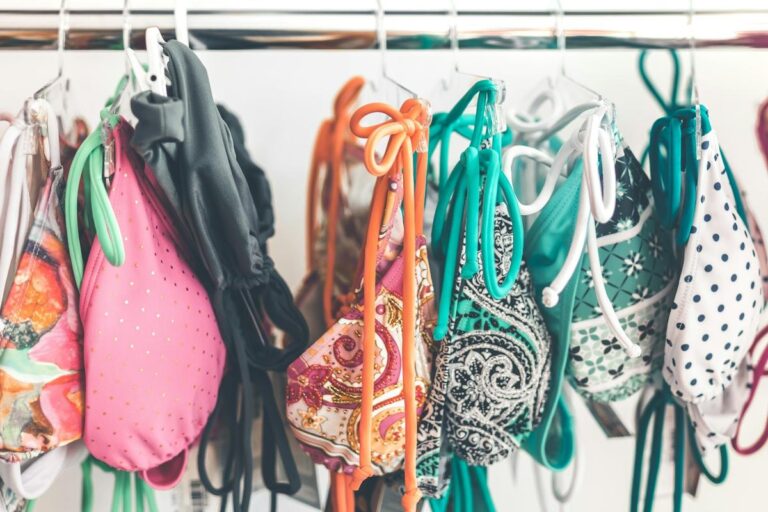
Triangle Bikini Tops: Classic, String & Micro Compared
The triangle bikini is the little black dress of swimwear — endlessly recognizable, infinitely remixable, and somehow always in style. But “triangle bikini” is actually shorthand for a whole family of tops, and the differences between a classic triangle, a string triangle, and a micro triangle can completely change how the suit fits, how it photographs, and how confident you feel wearing it. If you’ve ever pulled three triangle tops off the rack and wondered why they felt so different on, this guide is for you.
We’re going to break down the three main triangle silhouettes, talk about who each one tends to flatter, share the small fit details that separate a great triangle top from a frustrating one, and walk through styling and tying techniques that make all the difference once you’re actually at the beach or pool. No body-type gatekeeping here — every silhouette is for every body that wants to wear it. The goal is information, not rules.
What Actually Makes a Triangle a Triangle
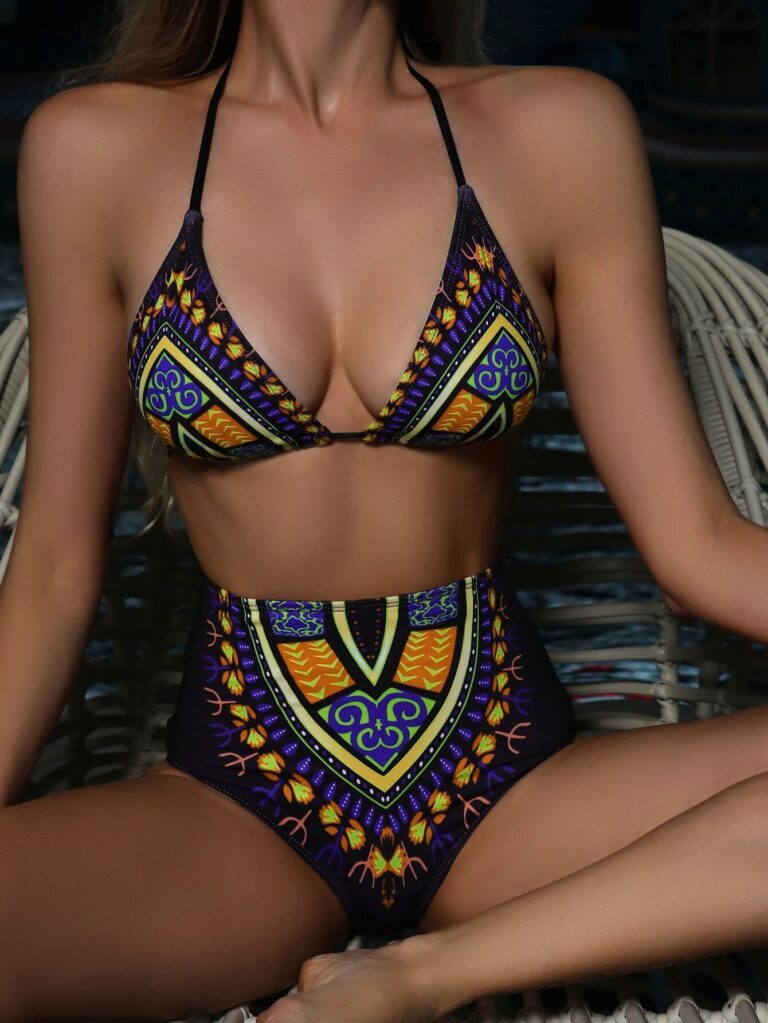
The defining feature is right in the name: two triangular fabric panels covering the bust, connected by ties or thin straps rather than underwire, molded cups, or structured bands. There is no built-in support cage. Instead, the fabric is held in place by tension — a tie behind the neck and another across the back. That simplicity is what makes the silhouette feel both nostalgic and modern. It’s also what makes the fit so personal: the same top can sit very differently on two people because so much depends on how you tie it.
Within that simple structure, designers play with three variables: the size of the triangles, the thickness of the ties, and whether the panels are fixed in place or slide along the strap. Those three knobs are what create the classic, string, and micro categories.
The Classic Triangle
The classic triangle is the everyday workhorse. The fabric triangles are a moderate size — enough to give comfortable coverage across most of the bust — and they’re usually attached to slightly thicker straps or ties. Many classic versions feature sliding triangles, meaning the panels can shift along the strap to adjust coverage and centering. Some classics include light removable padding, which adds shape without turning the silhouette into a structured push-up.

Who tends to love the classic? Honestly, almost everyone. It’s the version most people picture when they hear “triangle bikini,” and it strikes a balance between coverage and that relaxed, sun-soaked feel. If you want a top you can swim laps in, sunbathe in, and then throw on a cover-up over for a beach bar, the classic triangle is the easiest yes.
Fit tips for the classic: when you tie the neck strap, the triangles should sit centered over the bust without pulling upward or gapping at the sides. If the panels keep sliding too far apart, the back band may be tied too loose. If they crush together, the back is too tight. A small adjustment in the back tie often fixes both problems.
Shop Classic Triangle Bikinis on Amazon →
The String Triangle
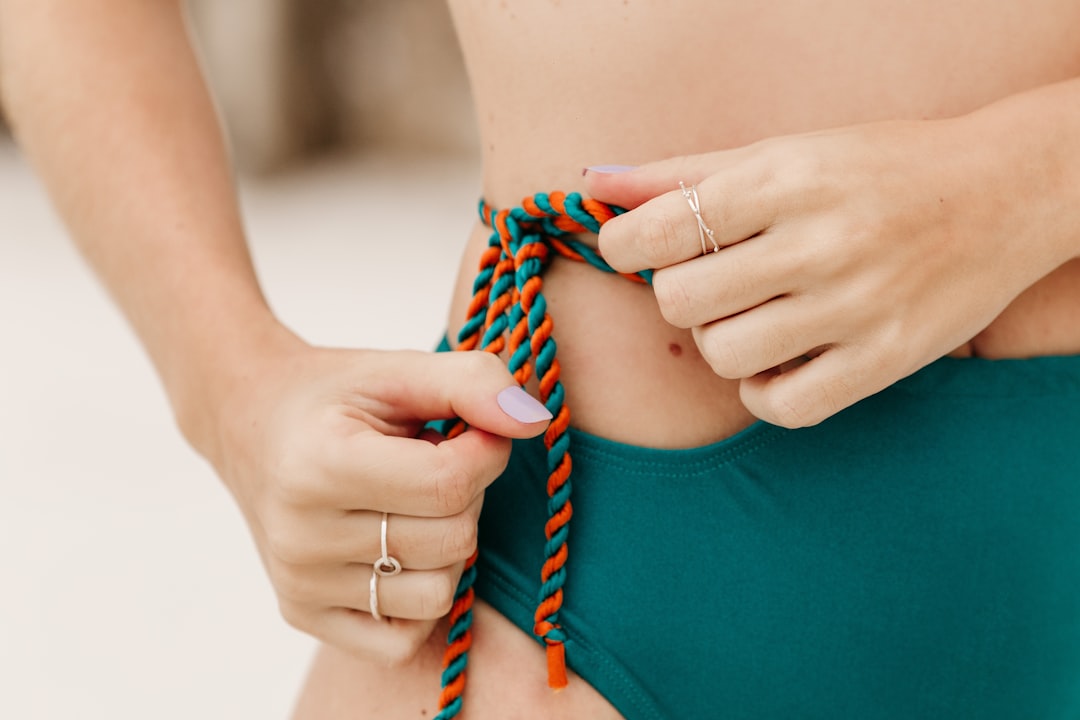
The string triangle takes everything down a notch — not in coverage necessarily, but in structure. The triangles are still moderately sized, but the straps are replaced by literal ties: thin, often unlined cords that knot at the neck and back. There’s no clasp, no slider, no hardware. Just fabric and knots. This is the silhouette that feels the most adjustable, because every part of the top can be re-tied to your exact preference.
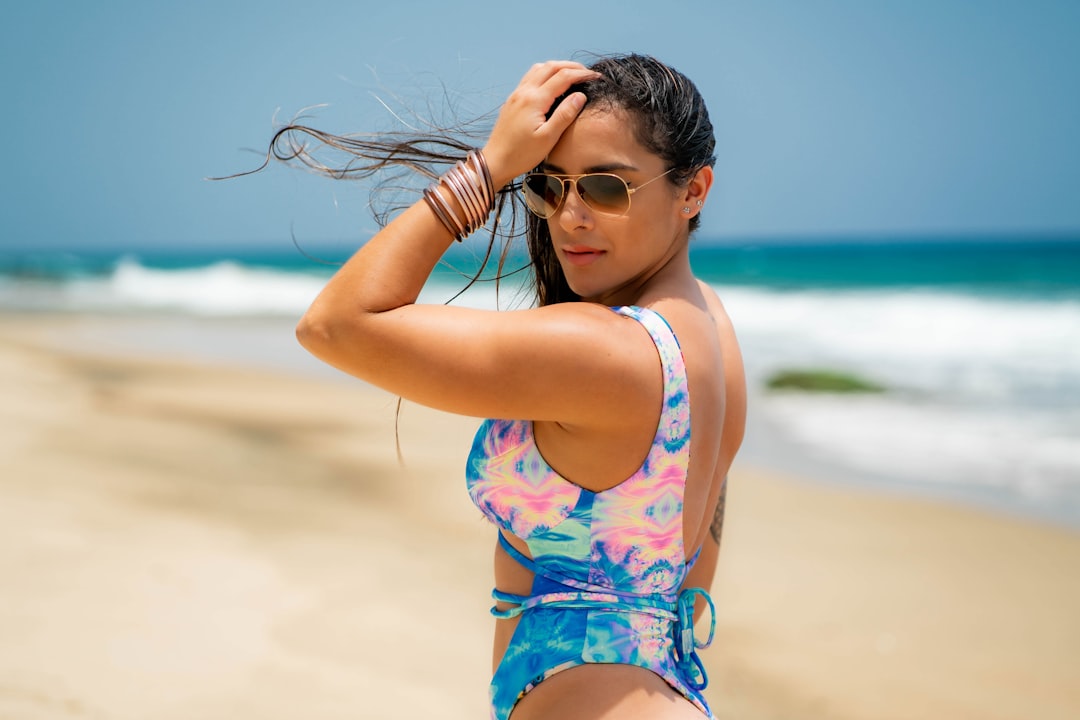
String triangles photograph beautifully because the lines are clean and the ties create soft visual interest at the neck and back. They also dry quickly, since there’s so little fabric, which makes them great for travel. The trade-off is less inherent stability: if you’re planning to jump into waves, do an active swim workout, or chase kids in the surf, you’ll want to tie the knots tighter than feels necessary on dry land. Saltwater and movement loosen knots.
Quick Tying Tips for Strings
- Use a double knot at the neck and back — single knots slip when wet.
- Tie the back band first while standing up straight, then the neck. This sets the chest panel placement correctly.
- If long ties dangle awkwardly, tuck them under the bottoms or trim them carefully with fabric scissors once you’re sure of length.
- For extra security on active days, a tiny dab of clear nail polish on the knot keeps it from creeping loose.
The Micro Triangle
Micro triangles are exactly what they sound like — the smallest cut in the family. The fabric panels are reduced in size, the ties are thin, and the overall silhouette leans toward sunbathing and styling rather than swim laps. This is a category where personal comfort matters most: some people love how the smaller footprint minimizes tan lines and feels barely-there in hot weather, while others prefer more coverage. Both preferences are completely valid.
One thing worth knowing: “micro” varies wildly between brands. One label’s micro is another label’s standard string. Read measurements when you can, and check return policies before ordering online. If a brand lists the actual triangle dimensions in centimeters or inches, that’s the most reliable spec to compare.
Styling-wise, micro triangles pair beautifully with high-waisted bottoms for a balanced silhouette, or with cheeky bottoms for a coordinated minimalist look. They’re also the easiest top to layer under sheer cover-ups, kaftans, or open button-downs, because there’s so little bulk underneath.
Sizing Triangle Bikinis Without Guessing
Because triangle tops have so little built-in structure, sizing can feel mysterious. Here are the measurements that actually matter:
- Underbust — determines how snug the back band sits.
- Bust point to bust point — affects whether the triangles can center properly.
- Cup volume — determines whether you’ll feel covered or spill out the sides.

If you’re between sizes, sizing up almost always works better than sizing down — you can always tie a too-long string tighter, but you can’t add fabric to a too-small triangle. For larger busts, look for triangle tops marketed as “D+” or “fuller bust,” which keep the silhouette but add slightly larger panels, hidden support, and sometimes adjustable underbust bands. They give you the look without the security trade-off.
Styling Triangles for Different Vibes
Triangle tops are remarkably versatile because they read as both retro and current. A few directions to try:
Beach Day Casual
Pair a classic triangle top with matching tie-side bottoms, throw on a linen button-down, slide into rubber sandals, and add a wide straw hat. This is the formula that works at literally any beach in any country.
Pool Party Polished
A string triangle in a solid color or simple print, high-waisted bottoms, a sheer maxi cover-up, and minimal gold jewelry. Adds a touch of structure to the relaxed silhouette without losing the easy beach feel.
Resort Evening
Triangle top under a slip dress or a flowing wrap skirt with sandals and a small crossbody. The bikini becomes underwear in the best possible way — visible at the neckline, hinted at through the fabric, perfect for a sunset cocktail and dinner.
Shop String Triangle Bikini Sets on Amazon →
Keeping Triangle Tops Comfortable All Day
Comfort comes down to two things: tie placement and fabric care. The neck strap should sit close enough that the panels stay flush against your skin, but not so tight that it pulls on your nape and gives you a headache by lunchtime. If you find your shoulders aching after an hour, loosen the neck and tighten the back band instead — most of the weight should be carried by the back, not the neck.

For longer wear, look for triangles lined with soft jersey rather than basic mesh. The lined version sits more smoothly, breathes better, and feels gentler on sun-exposed skin. Removable cup inserts (the soft foam pads) are a personal preference — they add a touch of shape and an extra layer between fabric and skin, which some people find more comfortable for all-day wear.
A Few Care Reminders
Because triangle bikinis lean on thin fabric and delicate ties, they reward a gentle care routine. Rinse in cool fresh water after every wear — salt, chlorine, and sunscreen all break down elastane and discolor light fabrics. Hand wash with a mild detergent, never wring, and dry flat in shade rather than direct sunlight. Store flat or folded loosely, not crammed into a drawer.
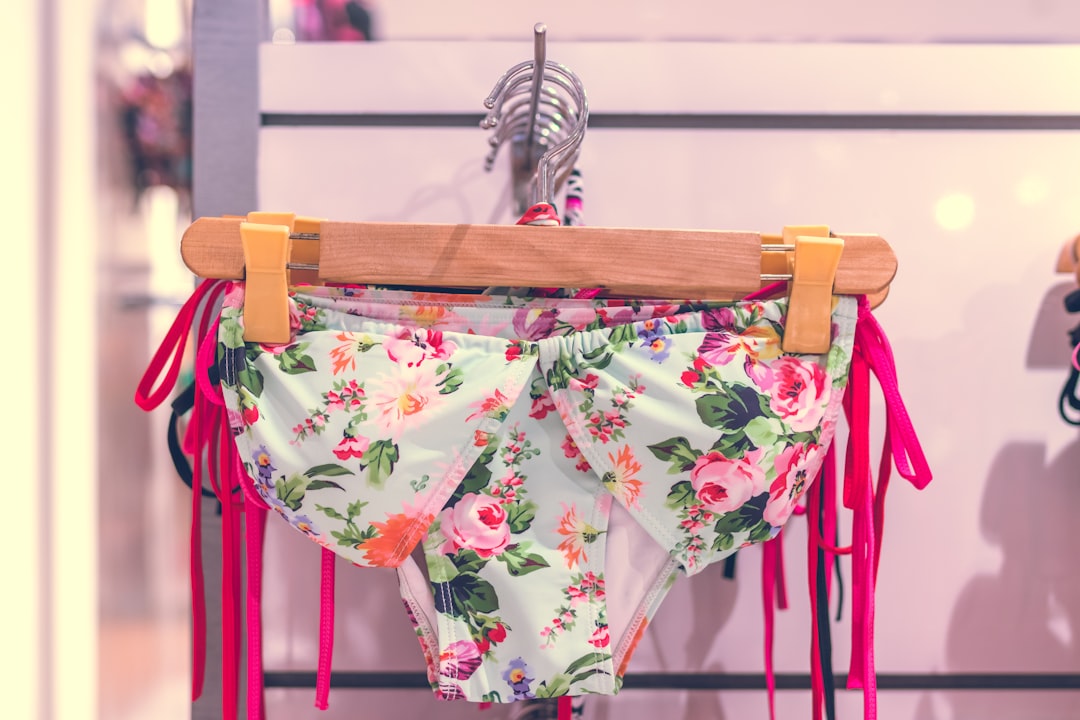
One often-missed detail: when triangle tops dry, the ties can twist and develop permanent kinks. Lay the ties straight before drying, or run them between your fingers while damp to smooth them out. It takes ten seconds and keeps your favorite top looking new for far longer.
Finding Your Triangle
The right triangle bikini isn’t about hitting some external ideal — it’s about how the top makes you feel when you catch your reflection on the way to the water. Classic, string, or micro, the silhouette has worked for decades because it’s quietly democratic: every body wears it differently and beautifully. Try a few cuts, ignore the labels, keep what makes you feel like yourself.
If you’re new to the style, start with a classic in a color you actually want to wear, learn how it ties on your body, and let curiosity take you to string or micro next season. Triangle bikinis are forgiving in the best way — small adjustments unlock entirely new fits, and the second top you try will almost always feel better than the first, because you’ll know what to look for.
Shop Micro Triangle Bikinis on Amazon →
Sources
- Wikipedia — History of the bikini
- Encyclopaedia Britannica — Fashion and textile reference
- Vogue — Swimwear trend coverage
Shop our full range of bikinis and swimwear at the BikiniCool store →