Triangle Bikinis Explained: Classic, String & Micro Cuts
The triangle bikini is one of those swimwear shapes almost everyone recognizes but few people can actually define. Ask ten friends what makes a bikini a “triangle” and you’ll get ten slightly different answers — because the term covers a whole family of cuts, from a supportive classic top to a barely-there micro. Once you understand how these variations relate to each other, shopping stops feeling like guesswork. You start seeing the logic behind the ties, the fabric, and the coverage, and you can pick the version that actually works for your body and your beach day.
This is a plain-language walk through the triangle bikini family. We’ll look at what unites these styles, where classic, string, and micro genuinely differ, how to tie them so they stay put, and how to read your own comfort and coverage needs without leaning on outdated “rules.” No body type is the wrong body type for a triangle bikini — it’s just a matter of choosing the right cut and adjusting it well.
What Actually Makes a Bikini a Triangle
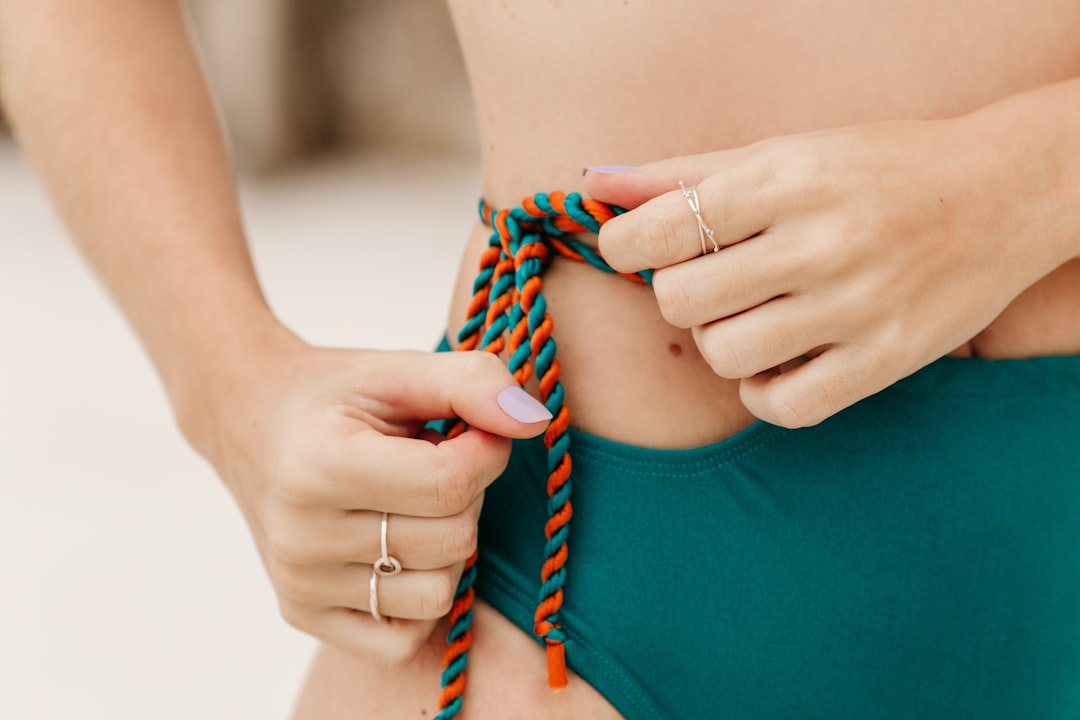
The defining feature is right in the name: the cups are shaped like triangles rather than the molded, structured shapes you find in balconette or underwire tops. Two fabric triangles cover the bust, held up by straps that tie behind the neck (a halter) and around the back (a band tie). The bottoms usually echo this shape, with triangular front and back panels connected by ties at the hips.
Because the shape relies on ties rather than fixed bands and hooks, the triangle bikini is fundamentally an adjustable garment. That’s its superpower. A structured top gives you one fit; a triangle gives you a range. You control how high or low the cups sit, how tight the band feels, and how much the fabric spreads across the bust. This is exactly why the style has survived every swimwear trend for decades — it adapts to the person wearing it instead of demanding the person adapt to it.
Within that shared framework, three cuts get named most often: the classic triangle, the string bikini, and the micro. The differences come down to three things — how wide the triangles are, how thick the straps and ties are, and how much fabric sits between the cups. Everything else is styling.
The Classic Triangle: The Balanced Middle Ground
The classic triangle is the version most people picture first. The cups are full triangles with enough fabric to cover the bust comfortably, the straps are a moderate width, and there’s often a small band of fabric connecting the two cups across the sternum. Many classic tops include removable padding, and better ones add a thin elastic band along the bottom edge for a little lift and stability.

This is the most forgiving member of the family and the easiest to wear all day. Because the triangles are generously sized, they cover more, and because the straps have some width, they distribute weight more evenly across the neck and shoulders. If you want a bikini you can actually swim, walk, and play beach volleyball in without constant adjusting, the classic triangle is usually the safest starting point.
It’s also the most size-flexible. Because you tie it yourself, a classic triangle can genuinely fit a range of busts — you simply pull the neck ties tighter or looser and reposition the cups. That said, the triangle shape offers structural support mainly through the ties, not through engineering. If you have a fuller bust and want real lift, look for a classic triangle with a wide underband, a thicker halter strap, and sliding cups so you can center the fabric where you need it.
The String Bikini: Minimal Straps, Maximum Adjustability
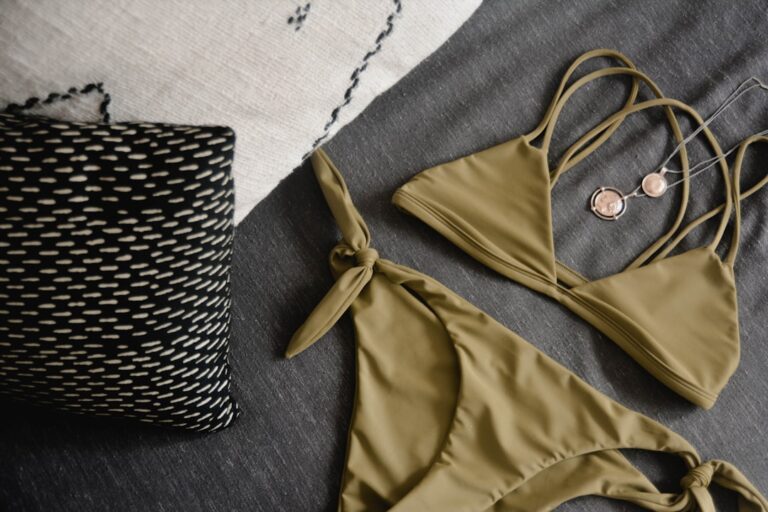
The string bikini is the triangle stripped down to its essentials. The word “string” refers to the ties themselves: instead of wide straps, you get thin cords or narrow fabric ties. The cups may be similar in size to a classic triangle, but the connecting hardware — the neck tie, the back tie, the side ties on the bottoms — is deliberately delicate.
The appeal is twofold. First, minimal straps mean minimal tan lines, which is why string styles are perennial favorites for sunbathing. Second, the thin ties make the string bikini even more adjustable than the classic — you can cinch each side independently and fine-tune the fit to your exact shape. String bottoms in particular are popular because side ties sit wherever you place them, accommodating hips and waists that don’t match a single dress size.
The trade-off is support and security. Thin ties concentrate the weight of the cups onto narrow cords, which can dig in if you have a fuller bust or plan to be active. And because everything is held by a knot, a poorly tied string top can loosen in the surf. None of this makes the string bikini a “lounging only” piece — plenty of people swim in them — but it does mean your knots matter more, and a double knot is your friend before you dive in.
The Micro Bikini: Coverage Dialed Down
The micro bikini takes the triangle idea and shrinks the fabric to its smallest practical size. The triangles are narrow, the connecting fabric is minimal or absent, and the bottoms offer reduced coverage. This is a style built around sun exposure, tan lines, and a bold aesthetic rather than athletic function — and it’s worth being honest about that so you buy it for the right reasons.
A micro bikini shines in specific settings: a private pool, a sunbathing session, a photoshoot, or a beach where you want minimal tan lines and maximum confidence. It asks a bit more of the wearer in terms of fit precision, because with less fabric there’s less margin for shifting. Choosing the right size and tying it carefully is the whole game here. Many people size the top by adjusting the neck ties to spread the small triangles for the best coverage the cut allows.
Confidence is the real deciding factor with a micro, not body size. There is no shape that “can’t” wear one. The question is simpler and more personal: where are you wearing it, how active will you be, and how much coverage makes you feel good in your own skin? If the honest answer is “I want to lounge and even out my tan,” the micro delivers. If it’s “I want to bodysurf all afternoon,” reach for a classic triangle instead.
👙 Shop Triangle Bikini Sets on Amazon →
How to Tie a Triangle Bikini So It Actually Stays Put
Because every triangle style lives or dies by its knots, learning to tie one well is the single biggest upgrade you can make — and it costs nothing. The goal is a fit that holds through movement without cutting into your skin.
Setting the neck tie
The halter tie behind your neck controls lift and how high the cups sit. Tie it while standing upright and looking straight ahead, not hunched over the mirror — your posture changes the tension. Pull until the cups sit where you want them, then secure with a bow over a knot so it’s both stable and easy to undo later. If the ties dig into your neck by the end of the day, that’s a sign you’re carrying the bust weight there; loosen the neck slightly and take up the difference in the back band.
Setting the back band
The back tie is where most of your real support comes from — more than people expect. A snug band takes weight off your neck and keeps the whole top anchored. It should be firm enough that you can’t pull it more than an inch or two away from your back, but not so tight it pinches. For active days, this is the knot to double.

Side ties on the bottoms
Side ties let you control rise and coverage. Tie them higher on the hip for a leg-lengthening look, lower for more coverage across the hip. Keep both sides even, and if you’re swimming in surf, tuck the loose tails or double-knot them so a wave doesn’t undo your afternoon. A quick tug-test before you get in the water saves a lot of scrambling.
Choosing Your Cut: Match the Bikini to the Day
Instead of asking “which triangle suits my body,” flip the question: what is this swimsuit actually going to do today? The activity tells you more than any body-type chart ever could.
- Active swimming, sports, chasing kids: classic triangle with a wide underband and thicker straps for stability.
- Lounging, sunbathing, minimizing tan lines: string bikini for adjustable, low-strap comfort.
- Pool days, photos, maximum tan, bold statement: micro, chosen with a clear-eyed sense of setting.
- All-day beach trips with a bit of everything: classic triangle — the most versatile of the three.
Fabric matters too. Look for swimwear with a decent percentage of spandex or elastane (often around 15–20%) for stretch and recovery, a lining that isn’t sheer when wet, and flat, secure knots or sliders. A higher-quality triangle top holds its shape through repeated wear and sun; a cheap one stretches out and stops supporting after a few outings. If you have a fuller bust, prioritize sliding cups and a real underband over pure minimalism — you can always adjust for a slimmer look, but you can’t add support that isn’t built in.
👙 Shop Adjustable String Bikinis on Amazon →
The Body-Positive Truth About Triangle Bikinis
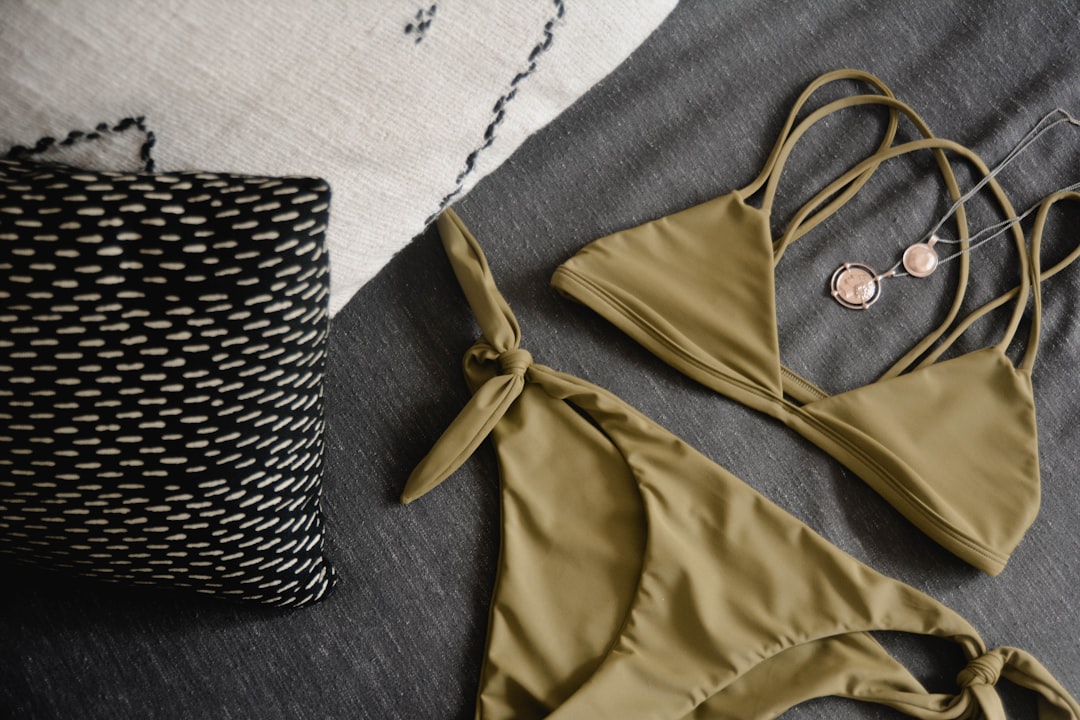
For years, swimwear advice boxed people into rules: triangle tops were “only for small busts,” micro cuts were “only for flat stomachs,” and so on. That framing was never really about fit — it was about telling people what they were “allowed” to wear. The adjustable nature of the triangle bikini quietly dismantles all of it. Because you tie it to your own body, the garment meets you where you are instead of judging you against a mannequin.
A fuller bust can absolutely wear a triangle — it just wants a supportive one. A softer midsection is no barrier to a string or even a micro if that’s what makes you feel good; coverage is a preference, not a requirement dictated by your shape. Someone with a smaller bust can add padded cups or embrace the natural look. The point is that the “right” triangle bikini is the one you feel comfortable and confident moving in, not the one a chart assigned to your measurements.
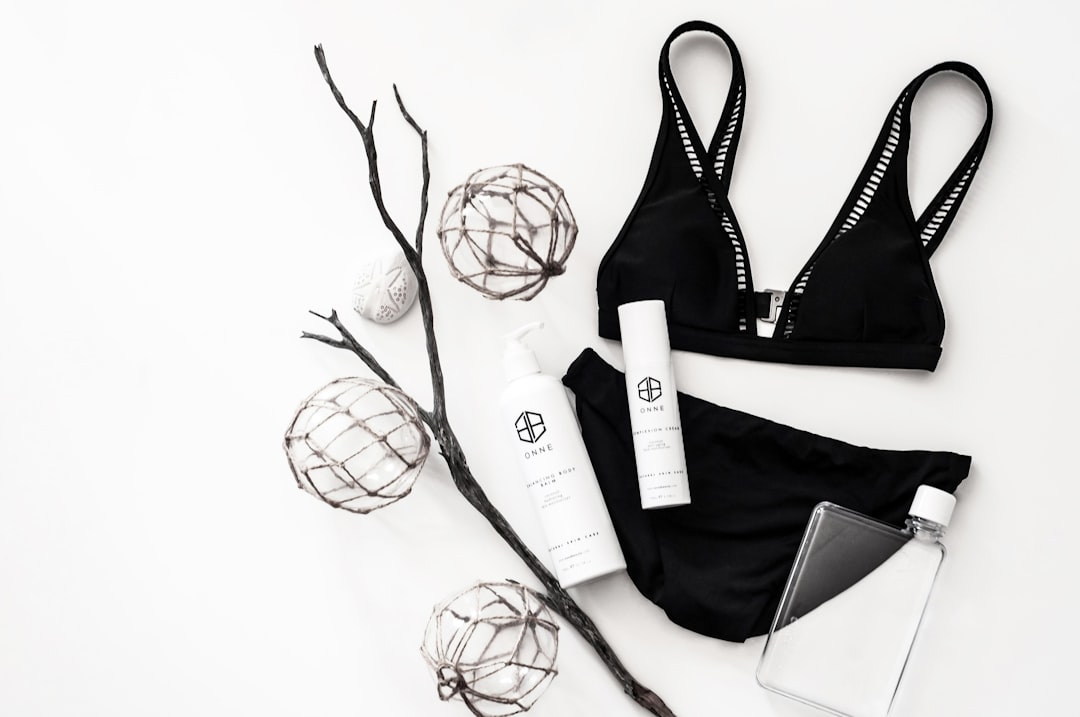
Confidence at the beach is mostly practical, not mystical. It comes from a suit that fits, knots that hold, fabric that isn’t see-through when wet, and knowing you can move without a wardrobe malfunction. Get those basics right and the “does this flatter me” anxiety tends to fade on its own, because you’re too busy actually enjoying the water to worry about it.
Caring for Your Triangle Bikini
The ties and thin straps that make triangle bikinis so adjustable are also the parts most likely to wear out, so a little care goes a long way. Rinse your suit in cool fresh water after every swim — chlorine, salt, and sunscreen all break down elastic fibers over time, and the narrow ties on a string or micro have the least material to spare. Hand-wash gently, skip the machine and the dryer, and lay the suit flat in the shade to dry so heat and UV don’t degrade the stretch.
Avoid wringing the ties, which can permanently kink or fray them, and rotate between two suits if you swim often so each one gets time to fully recover its shape. Treated well, a good triangle bikini will keep its lift and its color across several summers — and because the fit is in the tying, it’ll keep adapting to you even as your body naturally changes from season to season.

Finding Your Triangle
The triangle bikini isn’t one swimsuit — it’s a spectrum, running from the supportive, do-everything classic to the minimal string to the sun-seeking micro. Once you see them as points on that spectrum rather than separate rival products, choosing gets easy. Decide what your day demands, prioritize fit and knot security, and let the adjustable design do what it does best: fit you, exactly as you are. Whichever cut you land on, the best triangle bikini is simply the one you forget you’re wearing because you’re having too much fun to think about it.
Sources
- Wikipedia: Bikini — history and style variations
- Wikipedia: String bikini
- Smithsonian Institution — fashion and cultural history