

Underwire Swimwear: 9 Best Support & Fit Tips 2026
Roughly a third of women wear the wrong bra size, and the number gets worse the second we put on a swimsuit. A standard triangle top rated “small, medium, large” has no way to support a DD bust, and that’s the whole problem underwire swimwear was built to solve. The wire does the heavy lifting — literally — so you can chase a beach ball or plunge into a pool without a two-handed readjustment every ninety seconds.

Why Underwire Swimwear Beats Everything Else for Support
Standard bikini tops fail larger busts for one boring reason: physics. A flat triangle of fabric held up by two thin strings has nothing to push against gravity. Underwire changes the math. The wire sits in a channel beneath each breast and creates a firm anchor, so the weight of the bust is carried by the structure of the top rather than by your neck and shoulders.
The payoff is more than comfort. Underwire creates genuine lift and separation, which is what gives a supportive swimsuit that clean, defined shape instead of the flattened, uni-boob look that molded-only tops tend to produce on a full bust. It also means far less spillage over the top and sides — the number-one complaint from anyone shopping D-cup and up.
The honest trade-off: underwire suits cost more and take a little longer to find in your exact size. That’s the tax on real engineering. But a well-fitted underwire top you can actually swim in beats three cheap triangle tops you spend the whole day tugging at.
How to Tell If an Underwire Swimsuit Actually Fits
Fit is everything with underwire — a great suit in the wrong size is worse than no wire at all, because a misplaced wire digs and pinches. Run through these three checks before you commit.
Check the Wire Placement
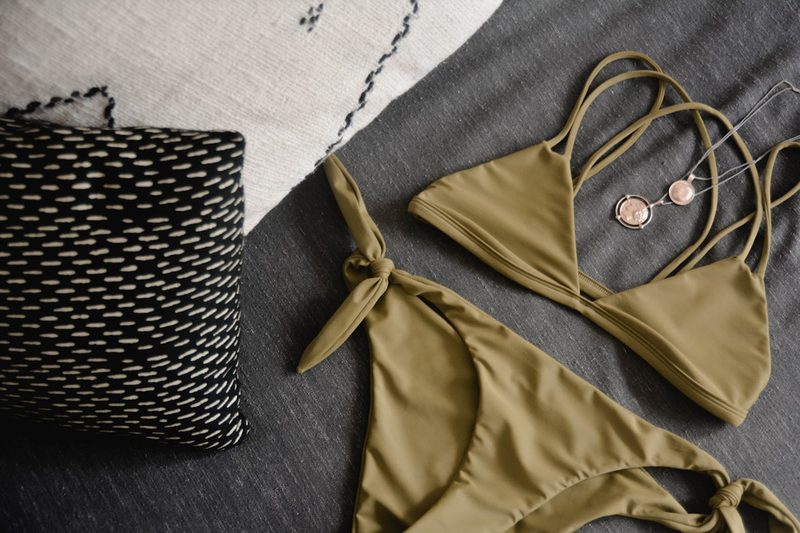
The underwire should sit flat against your ribcage, directly under the breast, tracing the natural crease where your bust meets your torso. If the center of the wire — the bit between the cups — floats away from your chest instead of tacking against your breastbone, the cup is too small and the wire is resting on breast tissue. That’s the exact setup that leaves red marks by lunchtime.
Get the Cup Coverage Right
Cups should fully encapsulate the breast with no spillage over the top edge and no gaping at the neckline. Spillage on the sides or a wire that digs into the breast means size up. Empty space and wrinkling fabric at the top of the cup means size down. Brands that sell swimwear in true bra sizes — 32D, 36DD, 38G — will nearly always fit a full bust better than a suit labeled “large.”

Mind the Band and Straps
Here’s what most guides skip: on an underwire suit, the band does about 80% of the support work, not the straps. The band around your torso should be snug and level all the way around — if it rides up your back, it’s too loose and the wire can’t do its job. Straps should be wide and adjustable to spread the load across your shoulders. Skinny spaghetti straps on a G-cup are a recipe for grooves and shoulder ache.
Underwire Bikini vs. Underwire One-Piece: Which Wins?
Both work — the choice comes down to how you move. An underwire bikini gives you flexible sizing (you can buy a bottom and top in different sizes) and easier bathroom trips, which matters more than people admit on a long beach day. It’s the better call if your bust and hip sizes don’t match the same off-the-rack number.

An underwire one-piece adds a second layer of security. The connected torso panel means the top can’t shift independently, and many one-pieces layer light tummy control into the same suit. For swimming laps, snorkeling, or anything where you’ll be upside-down in the water, the one-piece is the safer bet. My take: if you own one supportive suit, make it an underwire one-piece and add a bikini later for lounging.

Best Underwire Swimwear Styles for Every Bust
The neckline you pick changes how much support and coverage you get. These four cuts do the most work for a full bust:
- Halter underwire tops — the strap loops behind the neck for extra upward lift, ideal for E-cup and above. Pair with wide straps to avoid neck strain.
- Plunge underwire — a deep V that keeps a low neckline while the wire holds everything in. Surprisingly supportive because the wire angles inward.
- Balconette underwire — a wider, squarer cut that lifts and gives a rounded shape without a lot of neckline height. The most bra-like option.
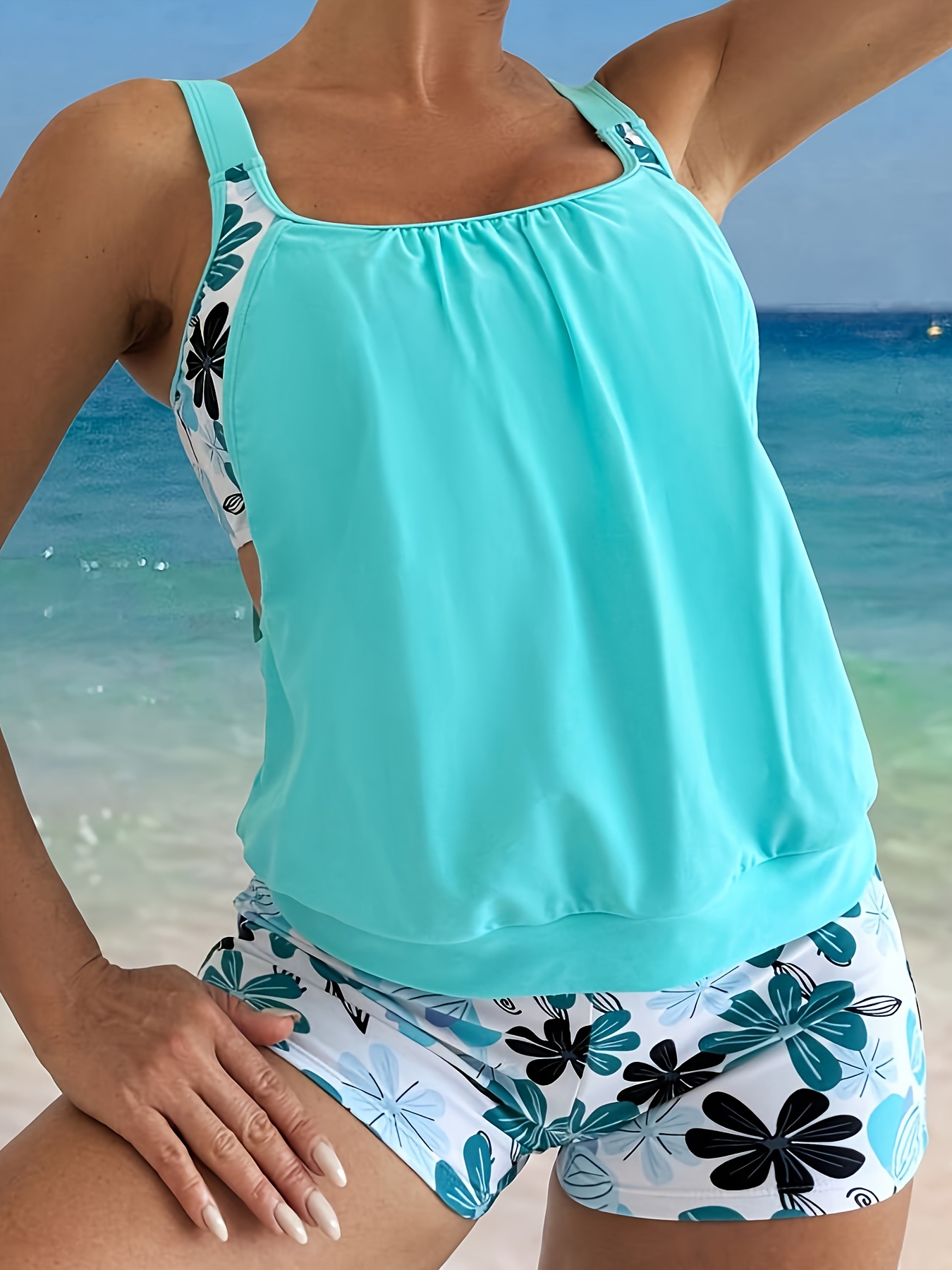
- Underwire tankini — bra-style support with the extra torso coverage of a longer top, and adjustable straps built in. A quiet favorite for anyone who wants support plus a little more fabric.

Watch this quick rundown of supportive picks that keep a bigger bust locked in place:
Support Is for Every Body — Not Just One Size
There’s a persistent myth that underwire swimwear is only for one particular figure. It isn’t. A wire is a support tool, full stop — it works the same whether you’re a 32DD or a 44G, and the confidence of not tugging at your top all day is not reserved for a magazine shape. The right suit is the one that fits your body, and every body deserves a top that holds up.

If you’ve been avoiding beach days because nothing stays put, the fix is almost always sizing, not your body. Measure yourself in a bra size and shop from brands that use those numbers. The moment a suit fits properly, the whole “am I allowed to wear this” conversation quietly disappears.
How to Care for Underwire Swimsuits So They Last
Underwire suits are an investment, so treat them like one. Chlorine and salt water break down elastane, and a stretched-out band loses support fast. Rinse your suit in cool tap water the moment you’re out of the pool or ocean — before the chemicals dry into the fabric.

Hand-wash with a gentle detergent and never wring the suit — twisting can bend the wire out of its channel, which is exactly the damage that starts the poking. Lay it flat to dry out of direct sun, and rotate between two suits if you swim daily so the elastic has 24 hours to recover between wears. Skip the washing machine and the tumble dryer entirely; both are wire-killers.

Common Underwire Swimwear Mistakes to Avoid
Most fit failures trace back to a handful of shopping shortcuts. Buying by generic S/M/L when you need a cup size is the big one — it’s why so many people decide “underwire doesn’t work for me” when the real issue was never trying their actual size. Sizing up the band to fix cup spillage is another trap; it loosens the one part of the suit doing the support and makes the problem worse.
People also skip the movement test. Before you buy, raise both arms overhead, twist side to side, and lean forward in the fitting room. If the band rides up or the bust escapes the cup, it fails — no matter how good it looks standing still. And don’t ignore the straps: leaving them on the longest setting wastes half the adjustability you paid for.
Frequently Asked Questions
Is underwire swimwear comfortable?
When it fits, yes — a properly placed wire sits against your ribcage and you forget it’s there. Discomfort almost always means the cup is too small, so the wire is riding on breast tissue instead of below it. Size up before you write off underwire.
What cup size needs underwire in a swimsuit?
C-cup is the usual tipping point. Below that, molded or shelf-bra tops give enough support for most activities. At D and above, underwire makes a real, noticeable difference in lift and staying power.
Can you swim in an underwire swimsuit?
Absolutely — that’s the point. A swim-specific underwire is coated to resist rust and built to move with you. Just rinse it in fresh water afterward so chlorine and salt don’t degrade the fabric around the wire channel.
Your Next Beach Day, Sorted
Nail the four fundamentals — cup-sized fit, flat wire placement, full coverage, and a snug band with wide straps — and underwire swimwear stops being a compromise and starts being the reason you actually enjoy the water. Measure yourself in a bra size before you shop, run the movement test in the fitting room, and rinse the suit the second you’re out. For more on getting the fit right across every style, read our guide to swimwear fit, fabric, and construction, and if you’re building a full rotation, see our swimwear-for-every-body guide and our breakdown of the best black bikini styles for 2026.
Sources
- VENUS — Best Swimsuits for Large Busts — support features and cup-sizing guidance for full busts.
- The BraBar — How Should a Swimsuit Fit? — wire placement, band fit, and spillage checks.
- Capriosca Swimwear — How to Add Breast Support to a Swimsuit — underwire, lined cups, and strap support.
- Bikini Village — Women’s Swimsuit Fit Guide — neckline styles and full-bust fit principles.