Woman in a swimsuit in water

Coverage, Comfort, and Confidence: How to Decide Between a Two-Piece and a One-Piece

Standing in front of a rack of swimwear, the choice between a two-piece and a one-piece can feel oddly high-stakes. We tend to frame it as a verdict on our bodies — as if a bikini were a reward for one shape and a one-piece a consolation prize for another. That framing is not only unkind, it is genuinely unhelpful. The more useful question is not what am I allowed to wear, but what does my actual day at the water ask of me? A one-piece vs bikini comparison makes far more sense when it starts with movement, sun, and comfort rather than with rules about who gets to show skin.

This is a deep look at the real trade-offs — the ones that rarely make the fitting-room conversation but matter enormously once you are lying on hot sand or diving under a wave. None of it is about hiding or flattering. It is about matching the suit to the life you are living in it.

woman in blue bikini sitting on beach during daytime

What Actually Changes When You Switch Silhouettes

A one-piece and a bikini are not simply more fabric versus less fabric. They behave differently on the body and in the water. A one-piece connects the bust, torso, and hips into a single unit of tension, which is why it tends to feel more locked-in during quick, forceful movement. A bikini separates those zones, which gives you independence — the top and bottom can each be sized and adjusted on their own terms — but it also means more edges, more ties, and more things that can shift.

Neither of these is inherently better. A well-fitted bikini can be more secure than a loose one-piece, and a poorly chosen one-piece can dig or ride up all day. The silhouette sets the possibilities; the fit decides the experience. Keeping that distinction in mind saves you from blaming the whole category when the real culprit was a bad size or a cut that did not suit your proportions.

Reading Your Day, Not Your Body

The single most reliable way to choose is to picture the next few hours honestly. Are you going to be moving hard, or mostly still? In and out of the water, or camped on a towel? On show for a photo, or completely off-duty? Your body does not change from morning to afternoon, but your needs absolutely do — and a swim wardrobe that respects that is far more forgiving than one built around a single silhouette.

When you are swimming, surfing, or moving hard

For laps, bodysurfing, paddleboarding, or chasing kids through the shallows, a one-piece usually wins on sheer peace of mind. There is simply less to adjust when a wave hits you sideways. Racerback and high-neck one-pieces in particular hold the bust firmly and stay put through repeated overhead motion. If you love a two-piece for active days, look for a sporty bikini with a fixed band, thicker straps, and bottoms that sit high on the hip — the goal is to eliminate the mid-swim tug that pulls your attention out of the fun.

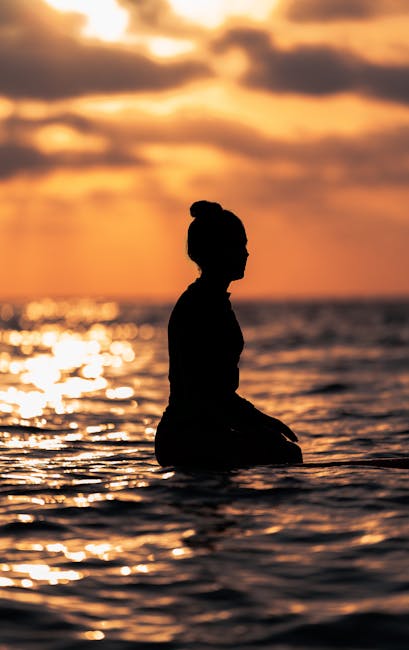
Woman in black wet shirt in the ocean

A one-piece built for real motion is worth having in the drawer even if it is not your everyday favourite. It is the suit you reach for when the day turns physical.

Shop Athletic One-Piece Swimsuits on Amazon →

When the day is slow and sun-soaked

Long, lazy beach days flip the priorities. Here, the bikini’s biggest practical advantage shines: even tanning and easy cooling. Being able to lie on your front without a strap carving a line across your back, or to loosen a tie when you get warm, is a genuine comfort. Two-pieces also make the endless bathroom trips of a full day dramatically simpler — no peeling a wet suit off your shoulders in a cramped stall. For anyone who spends more time lounging than swimming, this convenience adds up fast.

The counterpoint is sun exposure, which we will come back to. But purely on comfort and tan-line terms, a slow day tends to favour the two-piece.

The Comfort Details Nobody Mentions

Beyond movement, a few small realities quietly shape how much you enjoy a suit. Temperature is one: a one-piece traps a thin layer of warmth against the core, which is lovely in cool water or a breezy morning and stifling on a scorching afternoon. A bikini lets heat escape and dries faster because there is less fabric to hold water.

Digestion and bloating are another, and this is where honesty helps more than any styling tip. Bodies change across a day and across a month. A one-piece with some stretch and a scoop or wrap front tends to be more accommodating when you feel puffy, because it does not create a hard band across the middle. A high-waisted bikini bottom can do the same job while keeping the two-piece format. There is no shame in owning suits for different days — that is planning, not vanity.

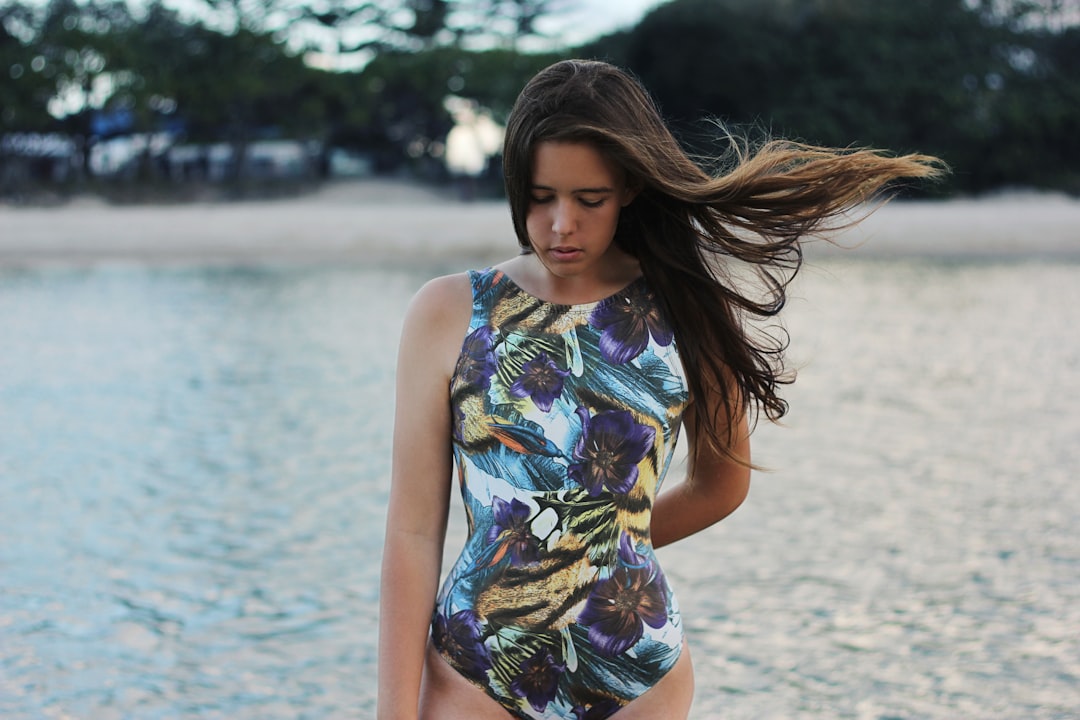
a woman in a floral swimsuit sitting on a chair

Chafing and edges round out the list. More seams and elastic borders mean more potential rub points, which is worth remembering if you are walking a long shoreline or wearing your suit under clothes on a travel day. A one-piece has fewer edges; a bikini has more but keeps them away from the sensitive underarm-to-hip zone that a one-piece sometimes irritates. Neither is a clear winner — it depends entirely on where your body tends to complain.

Coverage, Sun, and Skin

If there is one area where the practical stakes are real rather than aesthetic, it is sun protection. More covered skin means less surface area to burn and less relentless reapplying of sunscreen. A one-piece — especially a higher-cut back or a longer-line style — meaningfully reduces exposure across the torso, which matters on all-day outings and for anyone with sun-sensitive skin or a history of burns.

This does not banish the bikini; it just asks you to be intentional. Pair a two-piece with a wide-brim hat, a UPF cover-up, or a rash top when the sun is at its peak, and you get the two-piece’s cooling and tan-line freedom without leaving your midsection to fend for itself. Dermatology bodies are consistent on the basics: seek shade in peak hours, reapply broad-spectrum sunscreen every couple of hours, and lean on fabric as your first line of defence. The suit is part of a system, not the whole of it.

For sun-forward days, a hybrid approach — a bikini bottom with a rash-guard top, or a long-sleeve one-piece — is often the smartest of all.

Shop UPF Rash Guard Swim Tops on Amazon →

woman in white bikini top standing on swimming pool during daytime

Confidence Isn’t a Silhouette

It is worth saying plainly: there is no body type that is owed a one-piece and none that is required to earn a bikini. The old idea that certain figures should “cover up” while others may “show off” is a marketing invention, not a fact of fabric. Every body is a swimsuit body the moment it is in a swimsuit. Confidence comes from wearing something that lets you forget you are wearing it — that stays put, breathes, and matches what you actually want to do.

The best suit is the one you stop thinking about the second you walk toward the water.

Some people feel most themselves with more skin bare; others feel most free with more coverage. Both are entirely valid preferences, and neither needs a justification rooted in size or shape. When you drop the flattering-versus-hiding frame, the choice gets lighter — it becomes a matter of taste and function, which is exactly what clothing should be.

Happy woman on summer beach

Building a Wardrobe Instead of Picking a Winner

The tidiest resolution to the one-piece vs bikini debate is to stop treating it as a debate. Most people who swim often end up with a small mix: a secure one-piece for active water days, an easy two-piece for lounging, and perhaps a hybrid for high-sun outings. That is not indulgence — it is the same logic that makes you own both running shoes and sandals. Different jobs, different tools.

If you are building from scratch, start with the style that covers your most common scenario, then fill gaps as they reveal themselves. Someone who mostly swims laps should anchor their collection with a reliable one-piece. A committed sunbather should start with two-pieces they can adjust and tan evenly in. Buy for the days you actually have, not the fantasy vacation you might take once.

Our recent move to North Shore Oahu was the best thing we could’ve done. Within two weeks we ended up buying two longboards a

A quick way to sanity-check any purchase before it hits your bag:

  • Does it stay put when you raise both arms overhead and bend forward?
  • Can you get in and out of it easily for a bathroom break?
  • Does it suit the sun and activity level of the day you bought it for?
  • Do you forget you are wearing it within five minutes?

If the answers line up, the label on the silhouette barely matters.

Shop High-Waisted Bikini Sets on Amazon →

So, Which Should You Reach For?

Reach for the one-piece when the day is physical, the sun is punishing, or you simply want to move without a single thought about your suit. Reach for the bikini when you are lounging, chasing an even tan, cooling off often, or valuing the freedom to adjust each half on its own. And reach for a hybrid — a rash top over a bikini bottom, or a long-line one-piece — when the sun and the water both want a say.

a bunch of clothes hanging on a rail

The one-piece vs bikini question was never really about which is more attractive. It is about which one disappears into your day and lets you be fully present at the water. Choose for movement, sun, and comfort, treat confidence as a given rather than a prize, and the “right” answer stops being a rule you have to obey and becomes something far better — a choice that is entirely, easily yours.

Sources

Shop our full range of bikinis and swimwear at the BikiniCool store →

Similar Posts