The One-Sarong Beach Capsule: Building a Week of Outfits From a Single Wrap
Most beach vacations start with a suitcase fight: how many swimsuits, how many cover-ups, how many “just in case” outfits for dinner. A single well-chosen sarong solves more of that fight than people expect. It’s not just a piece of fabric you knot over a bikini — it’s a design tool. Pick the right print and color, and one rectangle of cloth can move from morning swim to beach walk to sunset dinner without you packing a single extra outfit. This isn’t about mastering ten different knots. It’s about choosing one sarong smart enough to do the work of five separate pieces, and understanding why some sarongs pull that off while others just sit in a bag unused.
Why a Sarong Earns a Permanent Spot in a Beach Bag
A swimsuit cover-up usually has one job. A sarong has none built in — it’s just fabric, which means its job depends entirely on how you use it. That flexibility is the whole point. A rectangle of lightweight rayon or cotton voile can become a wrap skirt, a strapless dress, a shawl against air conditioning, a beach blanket in a pinch, or a scarf for a breezy ferry ride. Nothing else in a packing list multiplies its own usefulness quite that way. Airlines cap luggage weight, resorts have limited closet space, and laundry access on a trip is unpredictable — a sarong sidesteps all three problems by weighing almost nothing and needing zero ironing.
There’s also a body-positive case for it. Unlike a fitted cover-up dress, which is sized and cut for one particular shape, a sarong is adjustable in real time. You control exactly how much skin shows, where the fabric sits, and how loose or fitted the drape is — no size tag involved. That makes it one of the most forgiving pieces of beachwear that exists, and one of the few that genuinely works the same way whether you’re 5’2″ or 5’11”, whatever your size.

Choosing a Sarong Like You’re Choosing a Design Tool, Not Just Fabric
The sarong that actually earns its place in a capsule isn’t the prettiest one on the rack — it’s the one that plays well with everything else you’re packing. Before buying, think less “which print do I love” and more “which print will I still want to wear on day five.”
Solid Colors Work Harder Than You’d Think
A solid sarong in a saturated color — terracotta, deep teal, black, a warm rust — pairs with almost any swimsuit print without competing for attention. Solids also photograph better in changing beach light, since there’s no pattern to wash out at high noon or disappear in shadow at sunset. If you only pack one sarong for a trip, a solid in a color that complements your skin tone will outperform a busy print in terms of sheer outfit mileage.
Prints Need a Common Thread
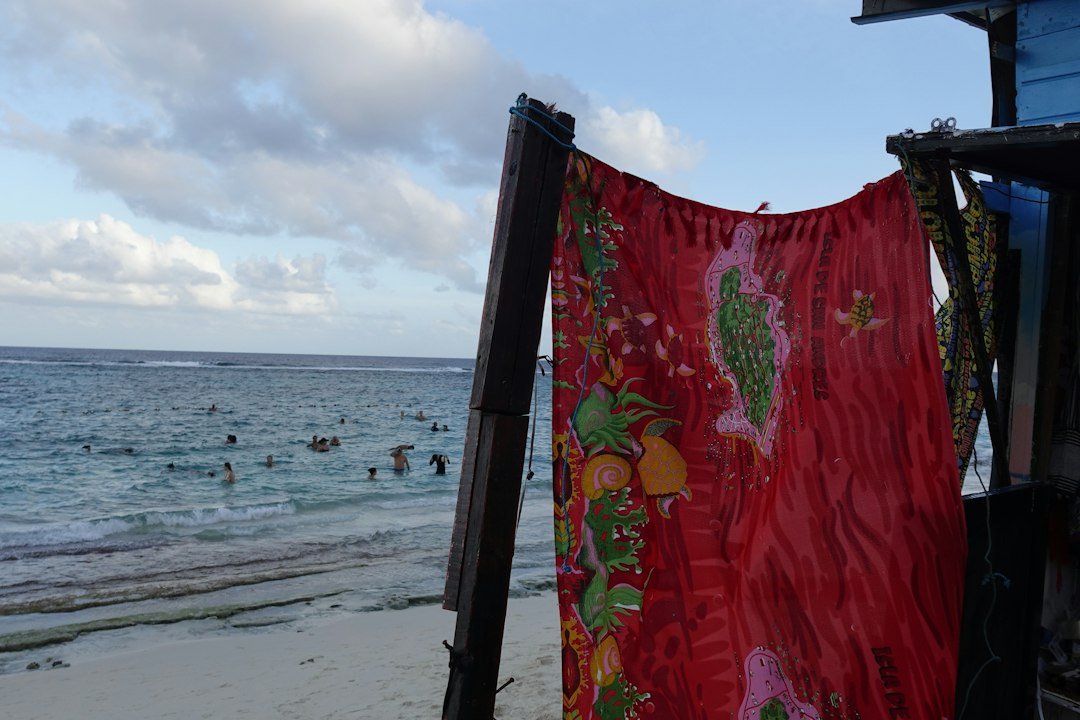
If you’d rather pack a print, look for one that shares a color with at least one swimsuit you’re bringing. A striped sarong in navy and white matches a solid navy suit instantly; a batik print with rust and cream tones pulls double duty with anything neutral. The mistake is choosing a print in isolation, on its own merits, without checking it against the rest of what’s in the suitcase — that’s how a sarong ends up as a one-outfit piece instead of a five-outfit one.
Fabric Weight Decides How It Drapes
Rayon and viscose sarongs drape close to the body and knot cleanly, which makes them better for skirt and dress styling. Cotton gauze and crinkled cotton are stiffer and airier, better suited to a loose shawl or a beach blanket. Neither is “better” outright, but if the plan is to wear the sarong as a dress at dinner, a heavier drape fabric will hold its shape far better than a thin, sheer one.
Shop Rayon Sarong Beach Wraps on Amazon →
One Wrap, Five Different Days
The real test of a capsule sarong is whether it can carry an entire trip without repeating the same look twice. Here’s how the same piece of fabric changes personality depending on the day.
Morning Swim, Low-Key Cover-Up
Right out of the water, function matters more than styling. Knotted loosely at one shoulder or tied at the chest, the sarong becomes a quick, breathable cover-up that dries fast in the sun and doesn’t cling. This is the version worn for five minutes walking back from the shoreline to a beach chair — nothing precious about it.
Midday Beach Walk, Wrap Skirt
Tied at the waist with the excess fabric tucked in, the same sarong becomes a maxi or midi skirt over the swimsuit. This is the version for walking to a beachside café or browsing a boardwalk — modest enough for a casual lunch spot, still built entirely around the swimsuit underneath.
Afternoon Errand Run, Off-Shoulder Dress
Wrapped higher around the chest and secured with a knot or a sarong buckle, it turns into a strapless or off-shoulder dress. This version works for grabbing groceries, exploring a market, or a casual outing where a full change of clothes feels like overkill but a swimsuit alone doesn’t.
Golden Hour, Shoulder Wrap
As the sun drops and the temperature does too, the sarong shifts jobs entirely — draped over the shoulders like a shawl, it becomes a layer against evening wind rather than an outfit piece. This is often the most-used version of the day, since it solves the temperature swing that catches most beach travelers off guard.
Dinner Out, Structured Dress
With a ring or buckle accessory and a cleaner, tighter wrap, the same sarong reads as an actual dress rather than beachwear. Paired with sandals, a bit of jewelry, and hair down instead of up in a beach bun, this version can hold its own at a casual restaurant. It’s the moment a sarong stops looking like a cover-up and starts looking like a wardrobe choice.
Shop Sarong Buckle & Ring Sets on Amazon →
Packing and Caring for a Sarong on the Road
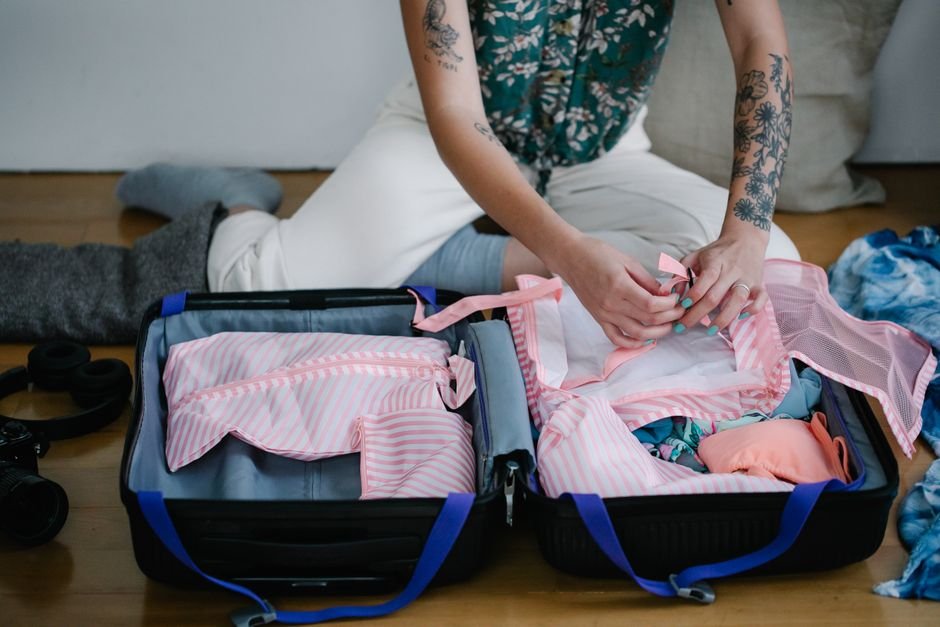
Part of what makes a sarong capsule-friendly is how little space and effort it demands. A lightweight sarong folds down to roughly the size of a folded T-shirt and rolls even smaller, which means it can slide into a beach bag, a carry-on side pocket, or a daypack without eating into luggage limits. Salt water and sunscreen are the two things that shorten a sarong’s life fastest — rinsing it in fresh water after a swim and letting it air dry flat, rather than balling it up wet in a bag, keeps both the color and the fabric intact for the rest of the trip.
For anyone packing more than one, a second sarong in a contrasting solid — say, a warm color to pair with a cooler-toned print — doubles the outfit combinations without doubling the luggage weight. Two sarongs and two swimsuits can realistically produce a different look every day of a week-long trip.

Where This Goes Wrong
The most common misstep isn’t a bad knot — it’s buying a sarong in isolation, disconnected from what’s already in the suitcase, so it only ever pairs with one specific swimsuit. The second most common misstep is packing a sarong too sheer to function as a dress, then being disappointed when the evening version doesn’t hold up. And the third is treating the sarong as a single-use beach item instead of testing its shoulder-wrap and dress versions before the trip — those two uses are usually the ones that get the most wear once the trip is actually underway, not the basic cover-up knot most people default to.
A sarong will never replace a full wardrobe, and it isn’t meant to. What it replaces is the extra cover-up, the backup skirt, the scarf for the plane, and the just-in-case dress that never gets worn — the pieces that quietly fill half a suitcase without earning their space. Choose one sarong that talks to the rest of what’s packed, learn three or four ways to wear it, and it will outperform almost anything else brought along, pound for pound.
Shop Cotton Gauze Sarong Wraps on Amazon →
Sources
Wikipedia: Sarong — background on the garment’s construction and traditional use.
Travel + Leisure — packing and resort-style travel coverage.
Condé Nast Traveler — beach and resort fashion reporting.