How to Care for a Sarong So It Survives an Entire Summer of Beach Trips
A good sarong earns its keep. It’s a beach blanket, a cover-up, a dress, a scarf, and an emergency towel, sometimes all in the same afternoon. But that versatility comes at a cost: the same lightweight fabric that makes a sarong so easy to wear also makes it easy to damage. Salt water stiffens fibers, sunscreen leaves oily stains that set permanently if you wait too long, and direct sun fades hand-dyed prints faster than almost anything else in a beach bag. None of that is inevitable. A sarong that gets washed, dried, and stored correctly can outlast several seasons of daily beach use, while an identical one treated carelessly can look tired by August. This guide walks through what actually keeps the fabric and the print intact, based on how sarongs are made and where they take the most damage.
Know What Fabric You’re Actually Working With
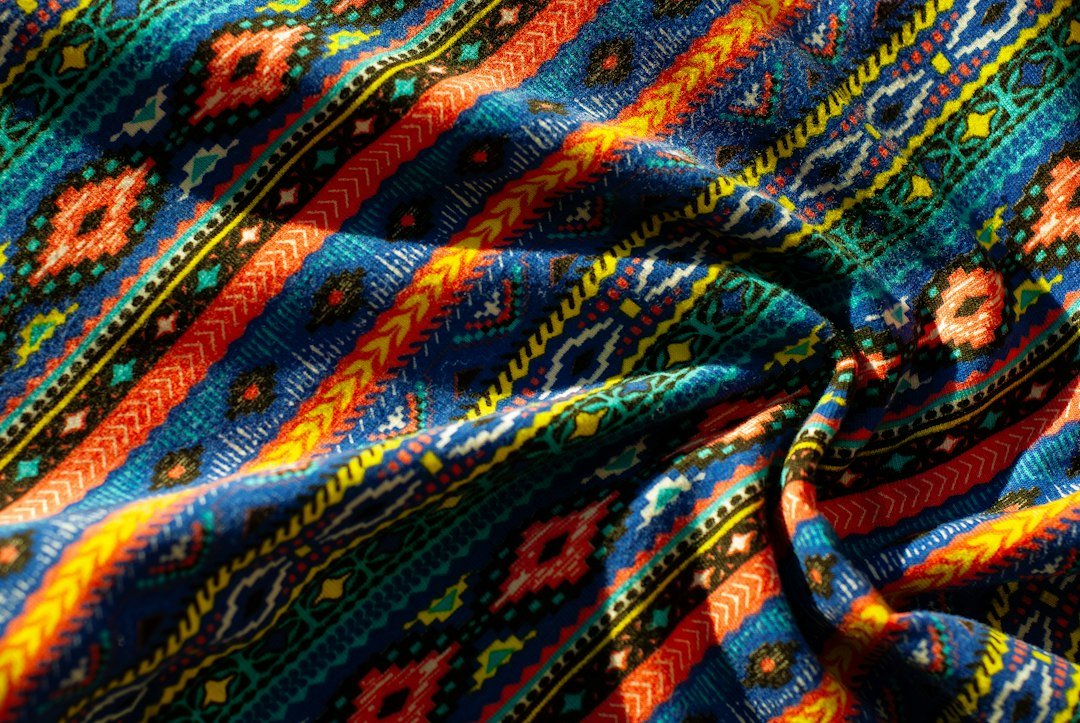
Care routines differ depending on what the sarong is made from, and most people never check the label before their first wash. Traditional batik sarongs are usually cotton, hand-dyed using a wax-resist process, which means the color sits on the surface of the fiber rather than penetrating it the way machine-dyed fabric does. That makes early washes riskier for color bleed. Rayon sarongs, common in mass-produced beach versions, are soft and drapey but weaken significantly when wet, so they need gentle handling and almost no wringing. Chiffon and voile sarongs are sheer and synthetic or silk-blend, which means they resist water damage better but snag and run easily on rough surfaces like pool decks or wicker furniture. Before you do anything else with a new sarong, find the care tag or, if it’s a market find without one, do a small water test on an inside corner to see if the dye moves.
Washing Without Losing the Print
Machine washing is the single fastest way to fade a printed or batik sarong. The combination of agitation, heat, and detergent formulated for tougher fabrics breaks down surface dye far quicker than hand washing does. Hand washing in cool water with a mild, color-safe detergent is worth the extra five minutes, especially for anything hand-dyed or bought while traveling. Submerge the sarong, swish it gently rather than scrubbing, and avoid twisting it to wring out water since that’s what causes permanent creasing and stress on the weave. If a machine wash is unavoidable, use a mesh laundry bag, cold water, the most delicate cycle available, and turn the sarong inside out first so the printed side gets less friction against other fabric in the load.
Getting Sunscreen and Salt Out Before They Set
Sunscreen is the most common reason a favorite sarong develops permanent yellow-orange blotches. Chemical sunscreen ingredients oxidize when they mix with the salts in sweat or seawater, and once that reaction happens on fabric, regular detergent won’t fully remove it. The fix is timing: rinse a sunscreen stain in cool water as soon as you notice it, before it has a chance to dry and oxidize, then treat the spot with a small amount of dish soap worked in gently before washing normally. Salt water damage is a slower problem. It doesn’t stain, but repeated exposure without rinsing leaves mineral deposits in the fibers that make fabric feel stiff and look dull over time. A quick rinse in fresh water after every ocean day, even just under an outdoor shower, resets the fabric before it goes back in your bag.
Drying: Why the Dryer Is the Enemy
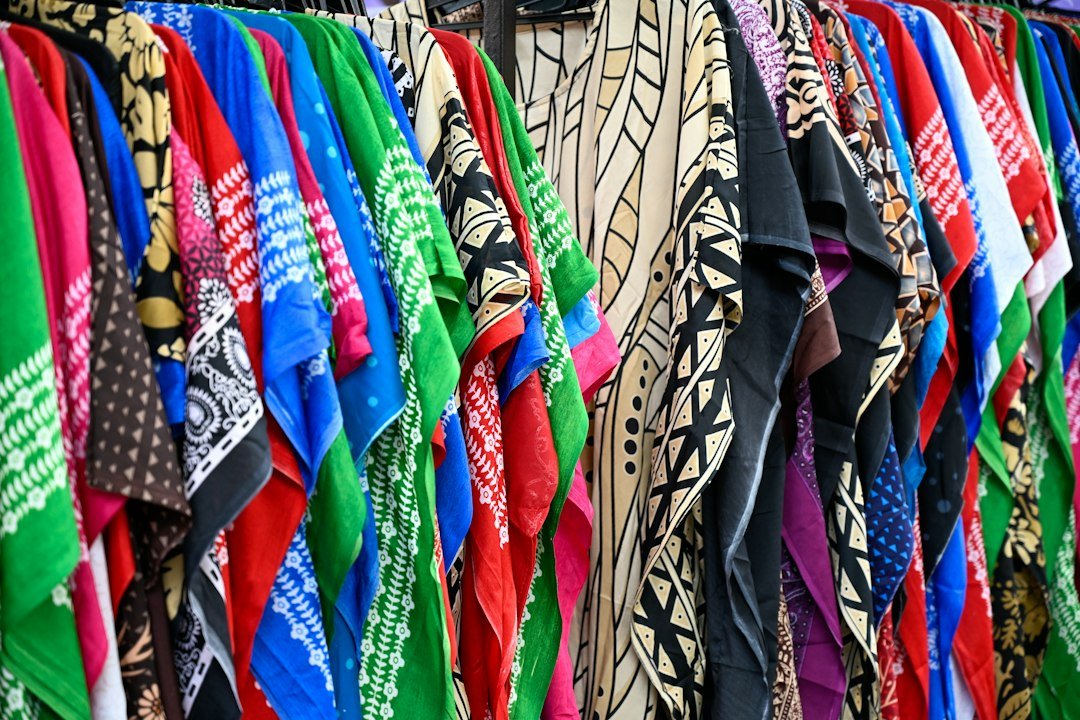
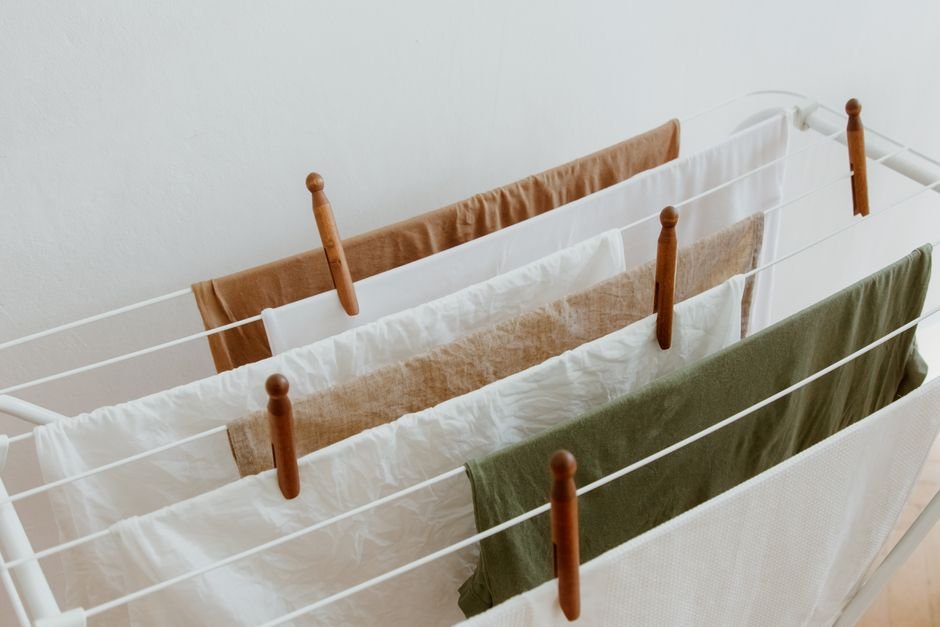
Heat is the fastest route to a shrunken, faded, or brittle sarong, and a standard clothes dryer applies more heat than almost any other step in the care process. Air drying is worth the wait. Lay the sarong flat on a towel or drape it over a wide, rounded surface like a railing rather than a thin wire hanger, which can leave a crease line that’s hard to press out later. If you’re drying it outdoors, choose shade over direct sun. UV exposure is one of the biggest causes of print fading, and a sarong left to dry in full sun for hours is getting the same fade damage it would from a full day of beach wear, compounded on top of whatever sun exposure it already had.
Ironing and Steaming Without Scorching the Dye
Sarongs wrinkle easily, especially rayon and cotton voile, but a hot iron applied directly to a printed or batik surface can scorch dye or melt synthetic blends. Steaming is the safer option for most fabric types since it relaxes wrinkles without direct contact heat. If you only have an iron, use the lowest setting appropriate for the fabric, iron on the reverse side rather than over the print, and put a thin cotton cloth between the iron and the fabric as a barrier. For batik pieces specifically, skip high heat altogether if you can. The wax-resist dyeing process is more heat-sensitive than standard printing, and even a moderate iron can dull sections of the pattern permanently.
Folding and Storing to Prevent Creases and Fading
How a sarong sits in a drawer for the other eleven months of the year matters more than most people assume. Folding the same way every time creates permanent stress lines along the fold, which is why rotating the fold pattern or loosely rolling the fabric instead keeps it smoother long-term. Store sarongs away from direct light, since even indirect sun through a window over a full season can noticeably fade a bright print. A drawer or closet works better than an open shelf near a window. If you’re storing one for the off-season, make sure it’s completely dry first. Packing away even slightly damp fabric in a closed drawer is one of the more common causes of the musty smell and faint mildew spotting that shows up on sarongs pulled out the following summer.
Packing a Sarong for Travel Without Wrecking It
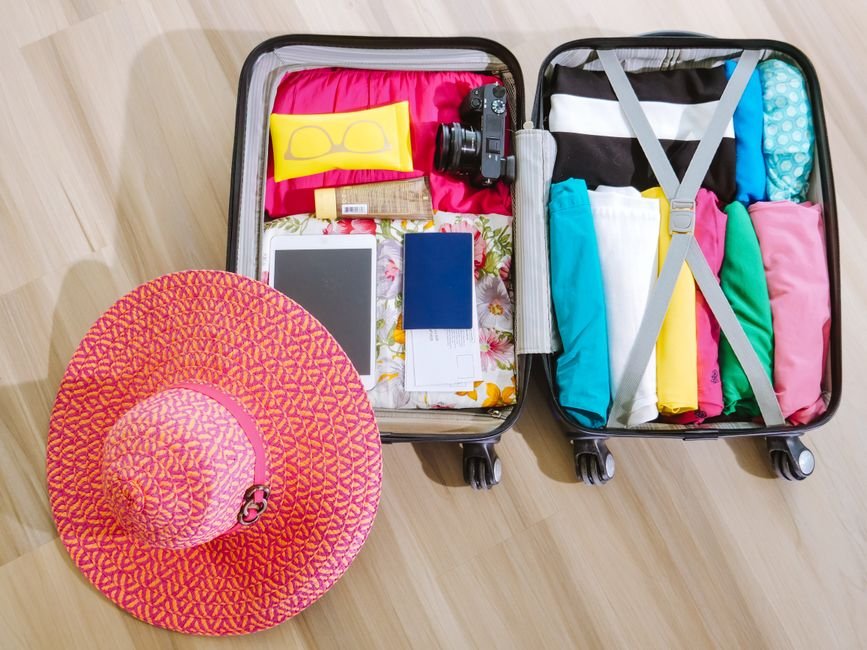
Sarongs get packed under everything else in a suitcase because they’re thin and seem indestructible, which is exactly how they end up creased, snagged on a zipper, or crushed against a bottle that leaks. Rolling rather than folding for travel reduces sharp crease lines and takes up less space, and placing the sarong in its own thin packing cube or even a clean pillowcase keeps it separate from anything with buckles, zippers, or rough texture that could snag delicate fabric like chiffon. If you’re using the sarong as an actual beach towel on the trip, pack a separate, more durable towel for sand and pool decks, and save the sarong for wear rather than for sitting directly on rough surfaces.
When to Retire a Sarong (and When It’s Just a Rewash Away)
Not every mark means the end of a sarong. Thinning at the fold lines, minor color softening from repeated washing, or a faint water spot are all cosmetic and don’t affect how the fabric wears or wraps. What actually signals it’s time to replace a piece is a snag that’s started to run through the weave, a permanent sunscreen stain that’s oxidized past the point of lifting, or fabric that’s gone stiff and brittle from salt buildup that washing no longer softens. Every body looks good in a well-fitting sarong regardless of size, and the fabric itself doesn’t discriminate either, so the piece that fits you well today is worth the extra few minutes of care it takes to keep it looking that way through the next trip and the one after that.