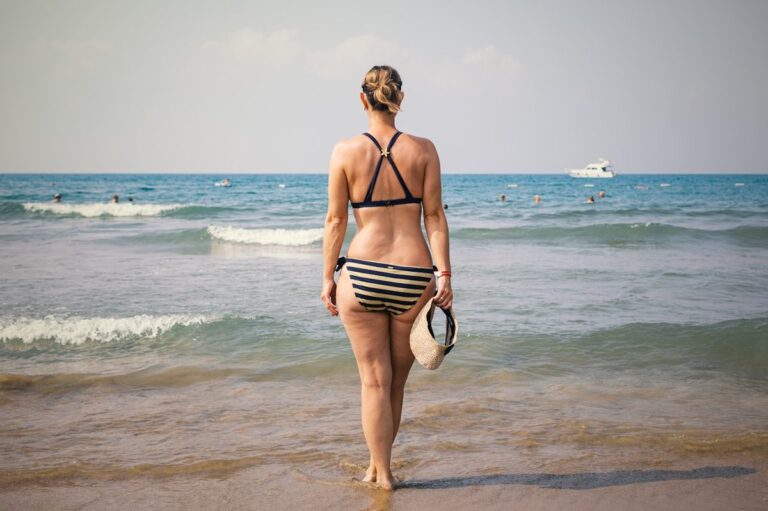
Adaptive Swimwear: 7 Best Styles
A woman in Ohio wrote to her mastectomy support group last summer asking why every “flattering” one-piece she found online still had a hook-and-eye closure at the back she couldn’t reach one-handed. That thread got 340 replies. It wasn’t really about swimsuits — it was about how much of the swimwear industry still designs for a body that moves and grips the way it did before surgery, before a stroke, before a spinal injury, before any of the thousand things that change how someone gets dressed.
Adaptive swimwear closes that gap. It’s not a separate, sadder category of swimwear — it’s swimwear built with the same fabric technology and silhouettes as everything else, minus the assumptions. Below is what actually works, broken down by the three needs that come up most: post-mastectomy support, limited mobility, and sensory sensitivity.

Mastectomy Swimwear: Built-In Pockets Without the Bulk
The single biggest complaint about mastectomy swimwear is that it looks like it. Older designs solved the prosthesis problem with thick, structured cups that read as medical from across a pool deck. Newer pocketed styles fix that by sewing a soft, breathable mesh pocket into the lining of an otherwise ordinary-looking bikini top or one-piece — the kind of construction brands like Amoena and Jodee have built entire lines around. The pocket holds a silicone or foam breast form in place through diving, swimming laps, and sitting down, without the form shifting or riding up.
For a single mastectomy, look for asymmetrical or adjustable-cup tops — some brands sew removable padding on one side only, so the unaffected side isn’t over-padded to match. For a double mastectomy, high-neck one-pieces with a wider chest panel tend to sit better than a triangle-cut bikini top, since there’s more fabric to distribute a form evenly. Soft, wire-free cups matter here too: underwire digs into healing tissue and scar lines in a way that flat-seam construction doesn’t.
One detail people skip and regret: check whether the pocket opening is top-loading or side-loading. Top-loading pockets are faster to load a form into before a swim, but side-loading pockets keep the form more secure during actual swimming, not just lounging.

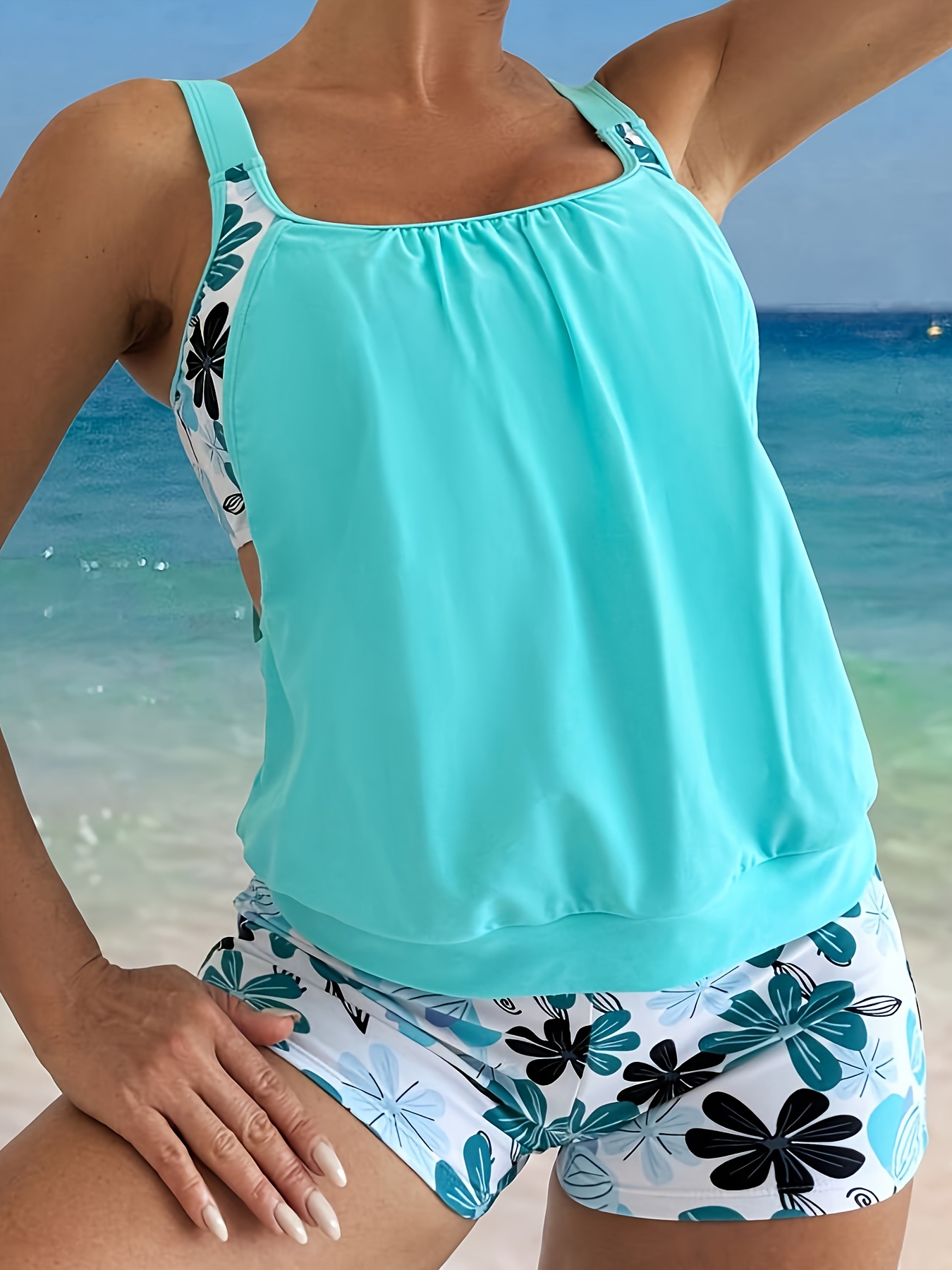
Swimwear for Limited Mobility: Fewer Steps, More Support
Getting a wet swimsuit off a body with limited mobility is often harder than getting it on. That’s why the mobility-focused adaptive market has moved toward wrap-style and side-opening designs that don’t require raising both arms overhead or twisting to reach a clasp between the shoulder blades. A wrap swim dress that ties or snaps at one hip, for example, can be put on and removed while seated, which matters for anyone transferring from a wheelchair to a pool lift.
Suits built for seated wear also fit differently through the torso. A standard swimsuit is cut to sit smoothly on a standing body, so it bunches and rides up at the hips and lower back when someone sits for most of the day. Adaptive seated-fit swimwear adds extra length through the back panel and a slightly higher rise at the hip specifically to solve that. Brands like Silverts and IZ Adaptive built their sizing charts around exactly this problem after hearing the same complaint from wheelchair users for years.
For anyone recovering from a stroke or living with one-sided weakness, front-zip or front-magnet one-pieces solve the single biggest frustration: reaching behind your own back with only one working hand. A wide front zip pull, sometimes with a fabric loop added for extra grip, lets a person dress independently instead of needing help every time they want to swim.
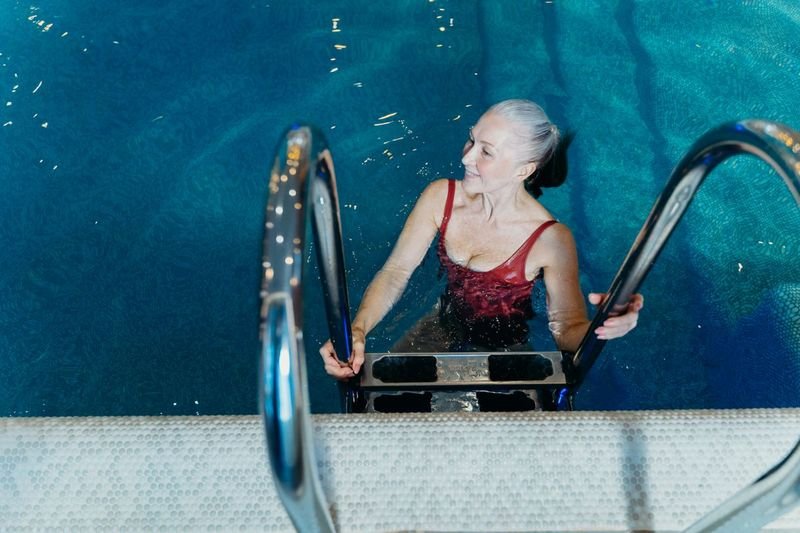
Sensory-Friendly Fabric: Why Seams and Tags Matter More Than You’d Think
For people with sensory processing sensitivities — common in autism, but also in chronic pain conditions and some PTSD presentations — the fabric itself can be the entire barrier to getting in the water. A scratchy tag at the neckline, a raised seam across the ribs, or fabric that feels “too tight” or “too loose” in ways that are hard to articulate can turn a swim into a meltdown before anyone even reaches the pool.
The fix is almost entirely about construction, not style. Flat-seam or bonded-seam swimwear eliminates the raised ridge that traditional overlock stitching leaves along every edge. Tagless printing — where size and care information is printed directly onto the fabric instead of sewn on as a separate tag — removes the single most common sensory complaint in swimwear. Compression-style fabric, the snug four-way stretch used in competitive swim training suits, is often more comfortable than a loose bikini for sensory-seeking kids and adults, since even, consistent pressure across the skin can be calming rather than irritating.
Chlorine-resistant polyester-spandex blends hold their shape and softness through repeated washes better than cheaper nylon blends, which stiffen and roughen after a season of pool use — a texture change that can undo months of successfully wearing a suit someone finally tolerated.

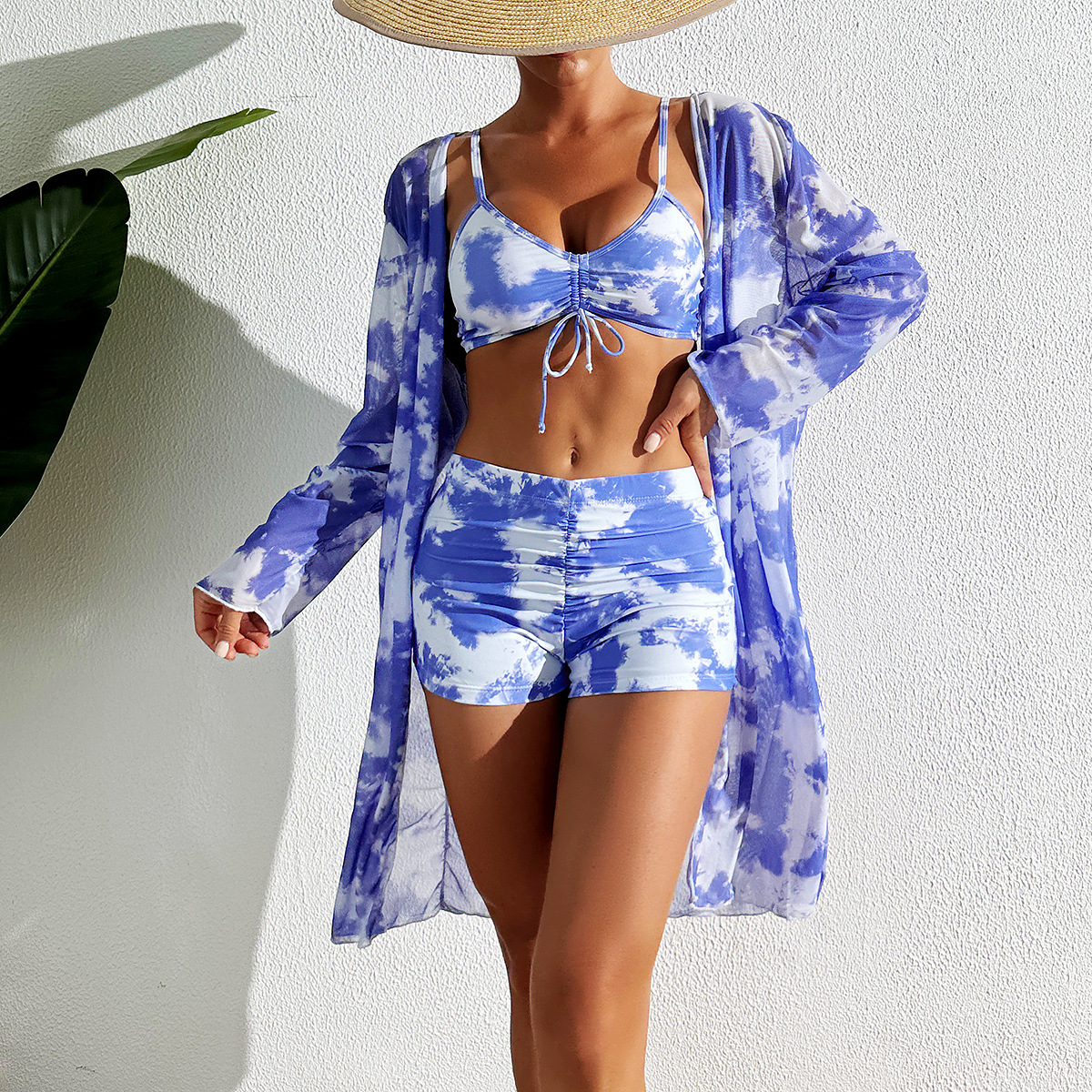
Closures That Don’t Fight You: Magnets, Zips, and Velcro vs. String Ties
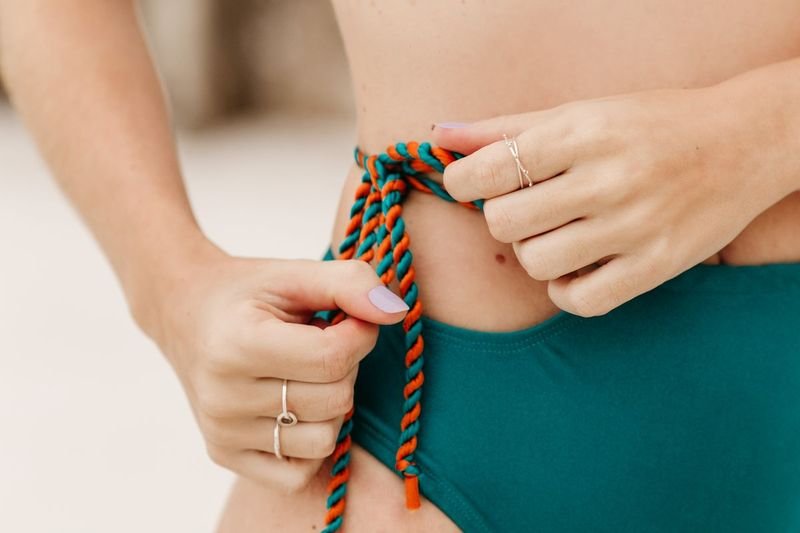
A traditional tie-side bikini bottom needs two working hands, functional fine motor control, and a mirror or a lot of patience — three things that can’t always be counted on. Watch anyone try to re-tie a slipping bikini string one-handed in the water and you’ll see exactly why adaptive brands have largely abandoned ties in favor of hardware that locks into place without fine motor skill.
Magnetic closures are the biggest shift in the category over the last five years. A magnetic clasp at the shoulder or hip snaps shut with a light push and holds through diving and swimming, without needing the wearer to tie a knot or thread a hook through an eye they can’t see. Velcro serves the same purpose at a lower cost, though it wears out faster and can catch on hair. Wide, YKK-style zip pulls with an added fabric tab are the most durable option and the easiest to operate with limited grip strength, arthritis, or a prosthetic hand.
One-Handed Dressing: Swimsuits You Can Put On Solo
Independence is the whole point for a lot of adaptive swimwear buyers — not just comfort, but not needing someone else’s hands to get dressed. Pull-on styles in four-way stretch fabric, with no closures at all, are the simplest solution when they fit: step in, pull up, done. The tradeoff is less adjustability, so sizing has to be more precise than with a suit that laces or clips to fit.
Wrap-style swim dresses solve the same problem with more coverage. A single continuous piece of fabric wraps around the body and secures with one magnetic point or a single snap at the hip, which a person can manage even with only one functional hand. For post-mastectomy dressing specifically, several brands now sell wrap tops paired with a built-in prosthesis pocket, combining two adaptive features — the pocket and the one-handed closure — into a single garment instead of asking the wearer to solve both problems separately.

Getting to the Water Is Part of the Problem Too
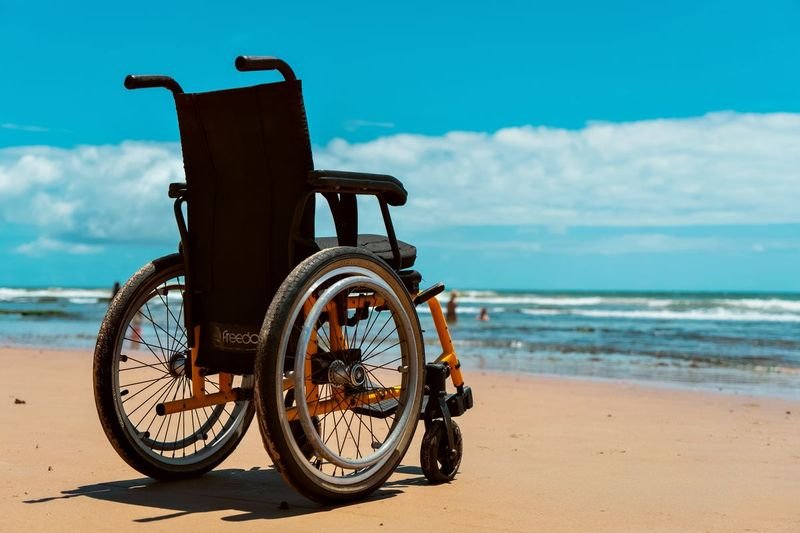
The right swimsuit doesn’t help if the beach itself is inaccessible. Standard wheelchairs sink into dry sand within a few feet, which is why more public beaches have started stocking free-to-borrow beach wheelchairs — models with wide, balloon-style tires designed to roll over sand instead of digging into it. Calling ahead to check whether a specific beach has one, and where it’s stored, saves a wasted trip. Some public pools have moved the same direction with pool lifts, required under the ADA at most public pools in the U.S. since 2012 but still inconsistently maintained or staffed.
A washable transfer mat or an old bath towel folded under the wheels of an amphibious wheelchair can extend the distance a manual chair covers on packed sand, and a wide-brimmed swim hat with a chin strap solves a smaller but real problem: sun protection for anyone who can’t easily reapply sunscreen to their own scalp or face.
Where to Actually Buy Adaptive Swimwear
The category has grown past medical-supply catalogs. Silverts and Adaptive Clothing Showroom carry dedicated adaptive swim lines with magnetic and Velcro closures across sizes. Amoena and Anita specialize specifically in pocketed mastectomy swimwear with matching breast forms sold separately. For sensory-friendly and seamless options, look at brands that also make competitive swim training suits — the flat-seam construction built for racing happens to double as sensory-friendly construction. Independent sellers on Etsy have also filled real gaps, particularly for custom prosthesis pocket placement and made-to-order sizing that mass manufacturers don’t offer.
Whichever route you take, order two sizes if the return policy allows it. Adaptive swimwear sizing runs less standardized across brands than mainstream swimwear, since so many of these companies are still small and iterating on fit.

Adaptive swimwear isn’t a smaller, more limited version of regular swimwear — in a lot of cases it’s just better engineering. A magnetic clasp that survives a wave is a better clasp, full stop, whether or not the person wearing it has full hand strength. That’s worth remembering the next time a “regular” swimsuit still expects you to fight with a knot behind your back.
If sun exposure after surgery or scarring is also a concern, our long sleeve swimwear guide covers coverage-first styles in more depth, and our inclusive swimwear guide looks at sizing and fit beyond the adaptive-specific features covered here.
Sources
- Ameridisability — 20 Adaptive Swimwear Must-Haves — roundup of current adaptive swimwear brands and features.
- Amoena — mastectomy swimwear and breast form manufacturer, referenced for pocketed-cup construction standards.
- ADA.gov — 2010 ADA Standards for Accessible Design — source for U.S. public pool lift requirements.