The Sarong Knot That Won’t Quit: Fixing Slips, Wind, and Wardrobe Malfunctions
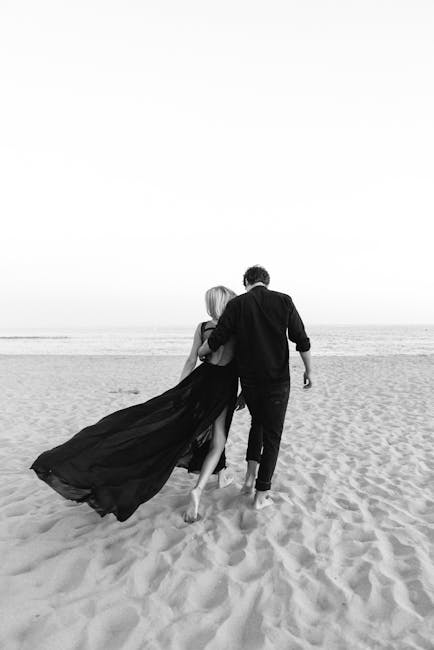
There’s a specific kind of beach panic that has nothing to do with the water: it’s the gust of wind that catches your sarong mid-walk, or the knot that quietly works itself loose while you’re reaching for a drink. Most sarong advice focuses on how to fold and drape the fabric into a particular look. What it usually skips is the part that actually determines whether that look survives past the first ten minutes — the mechanics of the knot itself. A sarong isn’t held up by style. It’s held up by tension, friction, and where you put the load. Get those three things right and almost any wrap stays put. Get them wrong and it doesn’t matter how good the fold looked in the mirror.
Why Sarongs Slip in the First Place
Every sarong failure traces back to one of three causes, and it’s rarely the fabric’s fault alone. The first is a single point of tension. Most people tie one knot, at one spot, and expect it to carry the entire garment through walking, sitting, and wind. A single knot is a single point of failure — the moment it loosens even slightly, the whole wrap shifts. The second cause is fabric slickness. Rayon and silky viscose blends drape beautifully and photograph well, but they’re also the fabrics most likely to let a knot slide open, because there’s not enough surface friction between the layers to hold the twist in place. The third is body movement that the knot wasn’t built to handle — bending to grab a bag, sitting cross-legged on a towel, or walking against a headwind all put stress on the fabric in directions a basic front knot was never designed to resist.
Understanding which of these three is actually causing your slip problem changes what you fix. A single-point-of-tension issue needs a second anchor, not a tighter knot. A slick-fabric issue needs a different tying technique or a clip, not more effort. And a movement issue needs the knot positioned where your body actually bends, not just where it looks best standing still.
The Knot That Actually Holds
The tying method most people default to — wrap around the body, cross the ends, single overhand knot at the hip — is really a display knot. It looks finished, but it’s held together by friction alone, with no mechanical lock behind it. A knot that’s actually built to last through an afternoon needs two things a display knot skips: a second point of tension, and a lock that resists being pulled open in one direction.
The Double-Knot Anchor
Instead of tying once and stopping, tie the first knot loosely, then feed one of the two hanging ends back through the loop and tie a second, smaller knot directly against the first. This isn’t decorative — it converts a single point of tension into two, so that if the outer knot loosens from movement, the inner one is still holding the base tension. It takes maybe ten extra seconds and it’s the single biggest fix for the classic “it slipped down while I was walking” complaint.
The Tuck-and-Twist Lock
For strapless or bandeau-style wraps worn around the chest, the failure point is usually gravity working against a flat knot. Twisting the fabric once before tying — so the knot sits on a twisted rope of fabric rather than a flat panel — gives the knot something to bite into instead of sliding along smooth material. Tuck the loose twisted tail under the top edge of the wrap rather than letting it hang, and the twist itself acts as a small mechanical stop that keeps the whole thing from working its way down.

Sarong in the Wind
Wind doesn’t just blow a sarong around — it finds the loosest point in the knot and pulls, which is why a wrap that felt secure standing still can come undone the second a gust hits. Lightweight, open-weave fabrics like chiffon and gauze catch more wind than they can resist, so on a genuinely breezy beach day, a slightly heavier cotton or modal sarong will actually behave better than the airiest option in your bag, even though it photographs less dramatically.
Positioning matters as much as fabric. Tying the main knot on your downwind hip, rather than centered or facing into the wind, means gusts press the fabric against your body instead of lifting the loose edge away from it. If you know you’re heading somewhere exposed — a boardwalk, an open stretch of sand, a boat — a small fabric clip at the underlying knot adds a mechanical backup that a twist alone can’t provide. It’s not glamorous, but it’s the difference between adjusting your sarong once an hour and adjusting it every five minutes.

Sarong in the Water
A sarong used as a swim cover-up has a different problem to solve: it needs to come off quickly and dry fast, without becoming a soggy, clingy mess the moment it gets splashed. Rayon and viscose feel luxurious dry but turn heavy and see-through when wet, which isn’t a dealbreaker if that’s the point of your cover-up, but it does mean the knot needs to hold even more weight than usual once the fabric is saturated. A slightly firmer double-knot anchor, rather than a loose single tie, keeps the wet weight from pulling the whole wrap loose.
For a wrap you’ll actually want to remove before swimming, skip the twist-lock techniques altogether and use a simple single loop with the tail tucked rather than knotted — it looks intentional, holds through walking to the water’s edge, and pulls free in one motion instead of requiring you to pick apart a stubborn knot with wet hands. Quick-dry fabrics like cotton voile or lightweight linen blends are worth the trade-off in drape if you’re in and out of the water repeatedly over the course of a day.

Sarong in Motion
Most sarongs are tied while standing still in front of a mirror, then immediately asked to survive walking, sitting, bending, and climbing in and out of a beach chair — none of which resemble the conditions the knot was tied under. The fix is to tie with the movement in mind rather than the reflection. If you know you’ll be sitting on sand or a low chair, position the main knot at the hip rather than centered at the front, since a center knot takes direct pressure every time you bend forward. If you’re walking any real distance, a slightly higher wrap position, sitting just above the natural waist rather than low on the hip, gives the fabric less room to work its way down with each stride.
Cycling to the beach, climbing over rocks, or chasing a kid across the sand all put lateral stress on a wrap that a still-standing tie doesn’t anticipate. For genuinely active days, a halter-style sarong tied at the neck and again at the waist — using two separate anchor points rather than one long wrap — distributes that stress across two knots instead of asking a single tie to do all the work.
Shop Sarong Cover-Ups on Amazon →
Fabric Weight and Weave: What Actually Holds a Knot
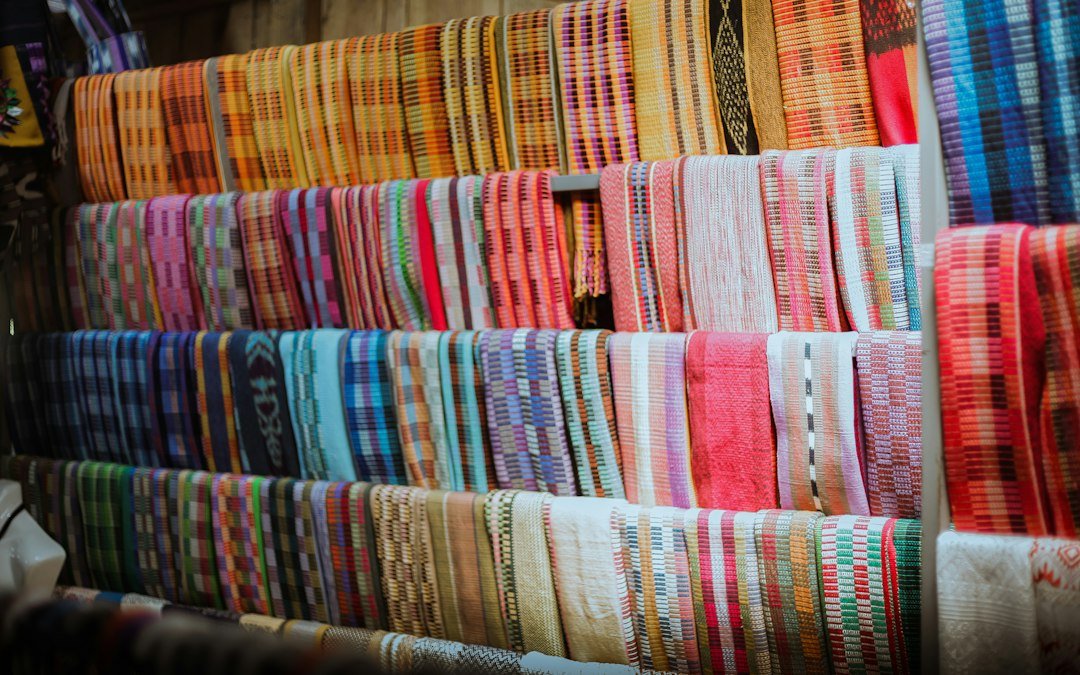
Not every fabric ties the same way, and a technique that works flawlessly on cotton can fall apart on silk. Fabric weight determines how much friction a knot has to work with, and it’s worth knowing which of your sarongs falls where before you rely on it for a windy or active day.
- Cotton voile and muslin — mid-weight with enough texture to grip itself, holds a basic knot reliably even in moderate wind.
- Rayon and viscose — beautiful drape, but slick against itself; needs a twist-lock or double-knot to stay put.
- Chiffon and gauze — the lightest and most wind-prone; best reserved for calm days or paired with a clip.
- Modal and cotton-modal blends — heavier drape with good self-grip, among the most forgiving for beginners still learning knot tension.
The Small Mistakes Behind Most Malfunctions
Tying too tightly is almost as common a problem as tying too loosely. An overly tight knot distorts the fabric’s weave right at the tension point, which weakens that spot over the course of a day and actually makes it more likely to give way later, not less. The goal is firm, even tension — snug enough that the fabric isn’t sliding through the knot, loose enough that the weave isn’t visibly straining.
Another overlooked detail is starting with uneven fabric lengths. If one end of the wrap is noticeably longer than the other before you start tying, the knot ends up off-center and carries more weight on one side than the other, which is exactly the kind of imbalance that unravels under movement. Taking a few seconds to center the fabric around your body before the first cross of the tie solves a surprising number of “it just came loose” moments before they happen. And finally, a sarong that’s been washed and dried dozens of times loses some of its natural grip as the fibers soften — if a wrap that used to hold perfectly is suddenly slipping, the fabric itself may simply be due for retirement, not the technique.
Shop One-Piece Swimsuits on Amazon →
None of this requires a different sarong or a complicated new fold to memorize — it just requires tying with the day’s conditions in mind instead of tying on autopilot. A knot built for a still afternoon on a calm beach and a knot built for a windy walk along the boardwalk aren’t the same knot, and once you know the difference, a sarong stops being something you have to keep adjusting and starts being something you can actually forget about, which is the whole point of wearing one in the first place.
Sources
Wikipedia: Sarong — overview of traditional construction and wrap styles.
SELF — fabric and fit guidance for warm-weather dressing.
Real Simple — practical tying and styling technique references.