Secondhand Swimwear: 7 Essential Safety Tips
A $12 bikini top at a consignment shop sounds like a steal until you picture who wore it last. That hesitation is normal, and it’s also mostly unfounded once you know what to look for and how to clean what you find. Synthetic swim fabric — nylon, spandex, polyester blends — actually holds up to hot-water washing better than the cotton t-shirts most people thrift without a second thought.
Is Buying Secondhand Swimwear Actually Safe?
Yes, with one condition: you have to wash it before you wear it. A 2021 study examining 800 pieces of secondhand clothing found parasitic and ectoparasite contamination in 2.7% of unwashed garments — lice eggs, pinworm eggs, scabies mites — but zero contamination in the washed items, a statistically significant difference1. That’s the whole story in one data point. The risk isn’t in the clothing itself; it’s in skipping the wash.
Dermatologists add a second layer to this: skin bacteria like staph and strep, along with ringworm-causing fungi, can survive on fabric for weeks when stored at room temperature, feeding on residual sweat and skin oils. None of that is unique to swimwear — it’s true of any secondhand garment — but swimwear has an advantage most thrifted clothes don’t. Spandex and nylon blends are built to survive chlorine, saltwater, and repeated hot washes without breaking down the way wool or rayon does. A used bikini is, structurally, an easier item to fully sanitize than a used sweater.
How to Sanitize a Secondhand Swimsuit Before You Wear It
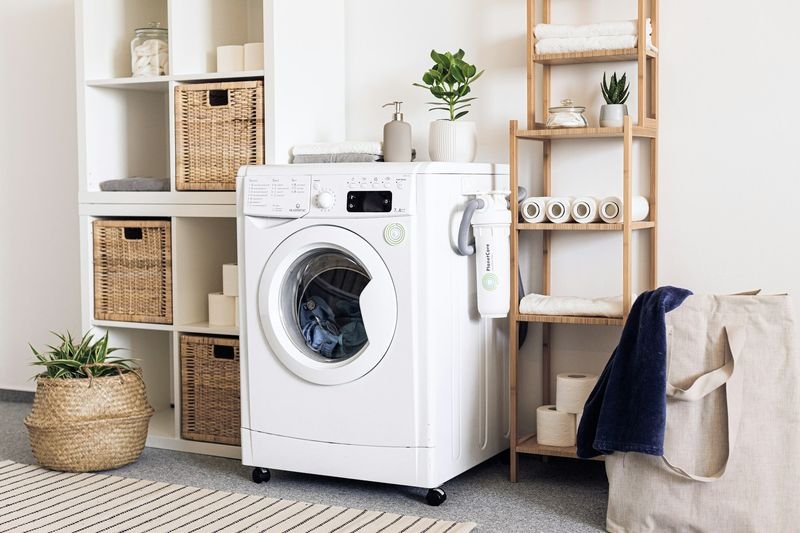
The CDC’s infection-control guidance for laundering contaminated fabric recommends hot water of at least 160°F (71°C) held for a minimum of 25 minutes, delivered via a commercial washer’s steam jet or booster heater2. Most home washing machines don’t hit 160°F on a standard cycle — residential water heaters are usually capped around 120–140°F for scald-safety reasons. So the practical version of that guidance for a home laundry room is: run the hottest cycle your washer offers, use a normal detergent dose, and follow it with a full high-heat dry cycle, since heat from the dryer does additional work the wash cycle alone won’t.
Skip fabric softener on the first wash — it coats fibers and can trap whatever you’re trying to wash out. If the suit has visible staining or smells like mildew after a hot wash, a 30-minute soak in a 1:4 white vinegar and water solution before rewashing usually finishes the job. For suits with structured padding or underwire, hand-wash in hot water with a mild detergent instead of machine-washing, since a washer’s agitation cycle is what warps cups and pads over time — the same rule covered in our full swimsuit care guide.
What to Check Before You Buy
Elastic is the first thing to fail on any swimsuit, secondhand or not. Stretch the leg openings and the top band — if they don’t snap back to roughly their original shape within a second or two, the suit has already lost most of its useful life, no matter how clean it looks. Pilling on the inside lining (the part that never sees chlorine directly but absorbs the most sweat) is a second tell. A little pilling is cosmetic; lining that’s gone thin or see-through means the fabric’s structural fibers are breaking down, and no wash cycle fixes that.
Smell the suit before you smell the detergent on it. A faint chlorine smell is normal and will wash out. A sour or mildew smell that lingers after a sniff test usually means the suit was packed away damp at some point, which is exactly the storage condition that lets bacteria and fungus establish themselves in fabric. Check tags and seams too — a readable care label tells you the fabric blend, which tells you the safe wash temperature, and intact stitching at the seams means the suit wasn’t already being held together by the elastic alone.
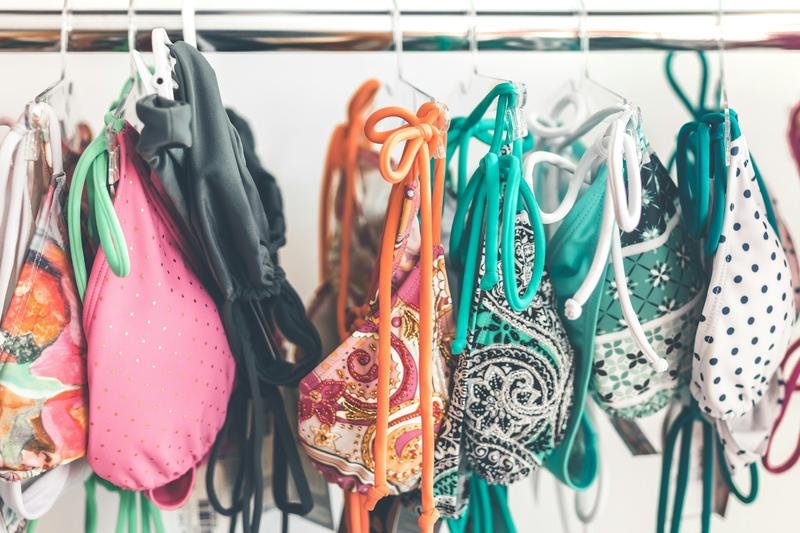
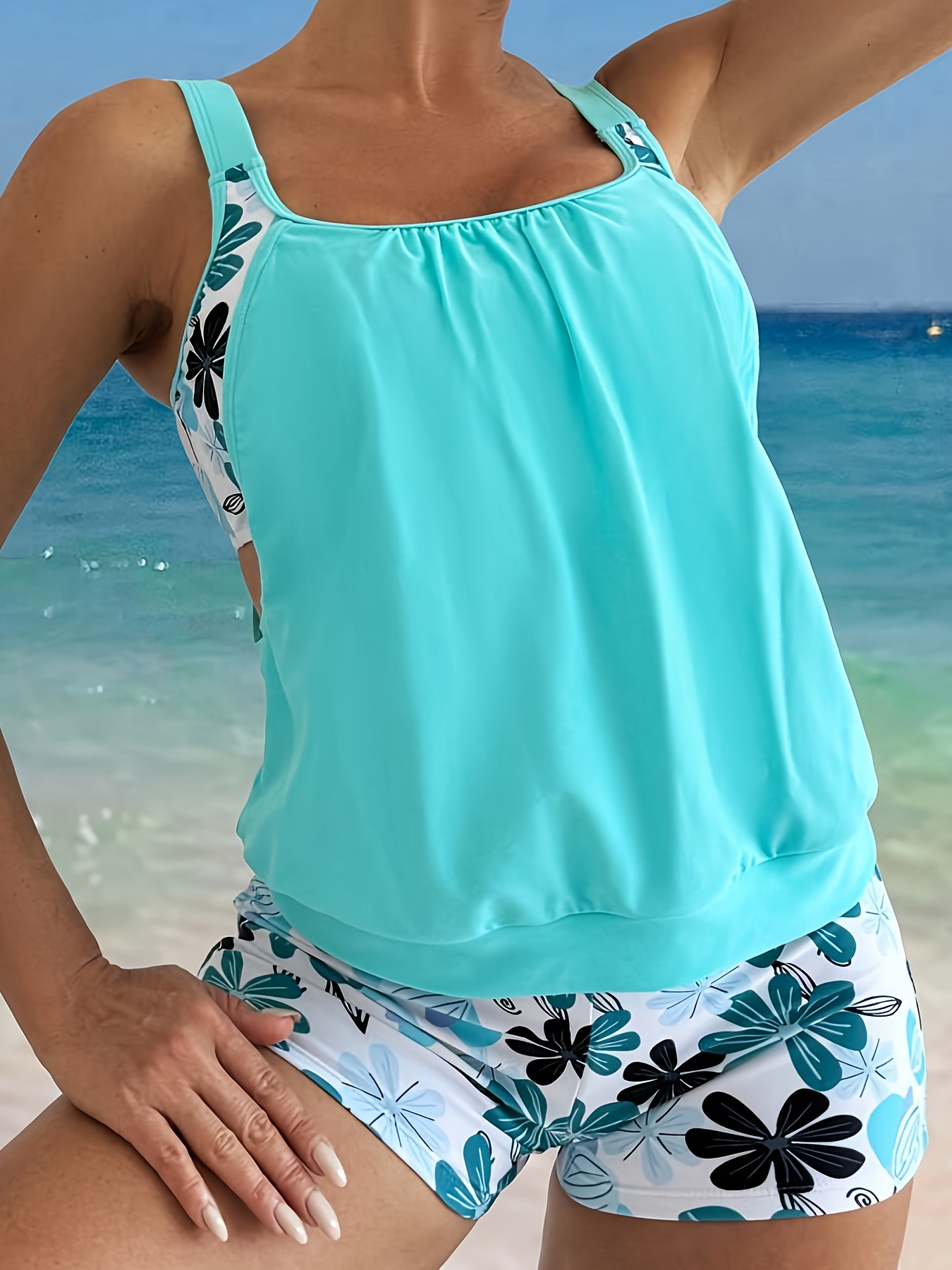
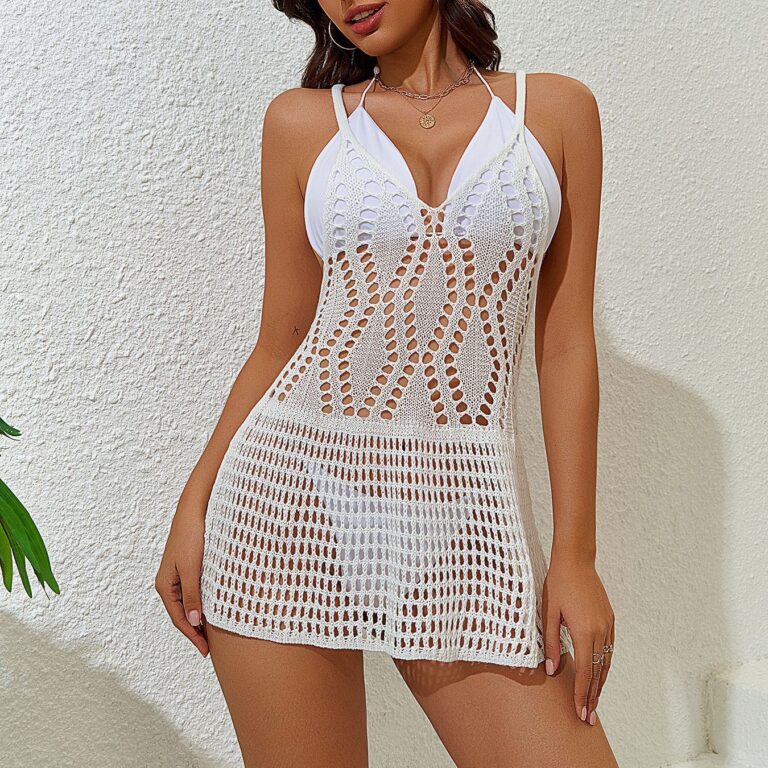
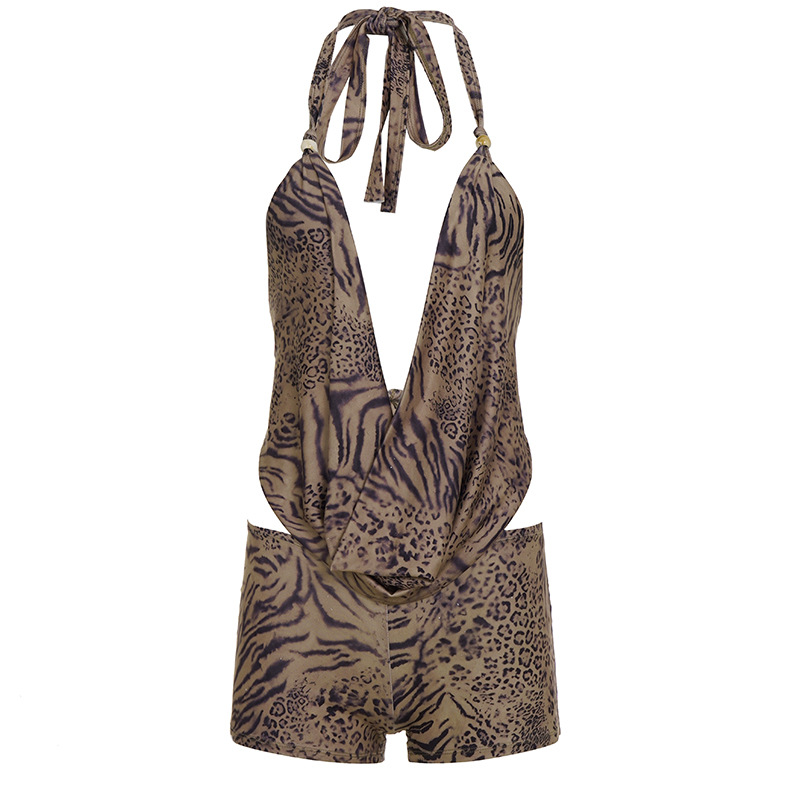
Fit is where secondhand shopping gets genuinely harder than buying new — sizing runs differently across brands and decades, and there’s no return window at a flea market table. If finding your exact size secondhand turns into a scavenger hunt, it’s worth comparing against a new option in a size you’ve already confirmed works, like the plus-size set above, rather than forcing a fit that’s close but not right.
Where to Actually Find Good Secondhand Swimwear
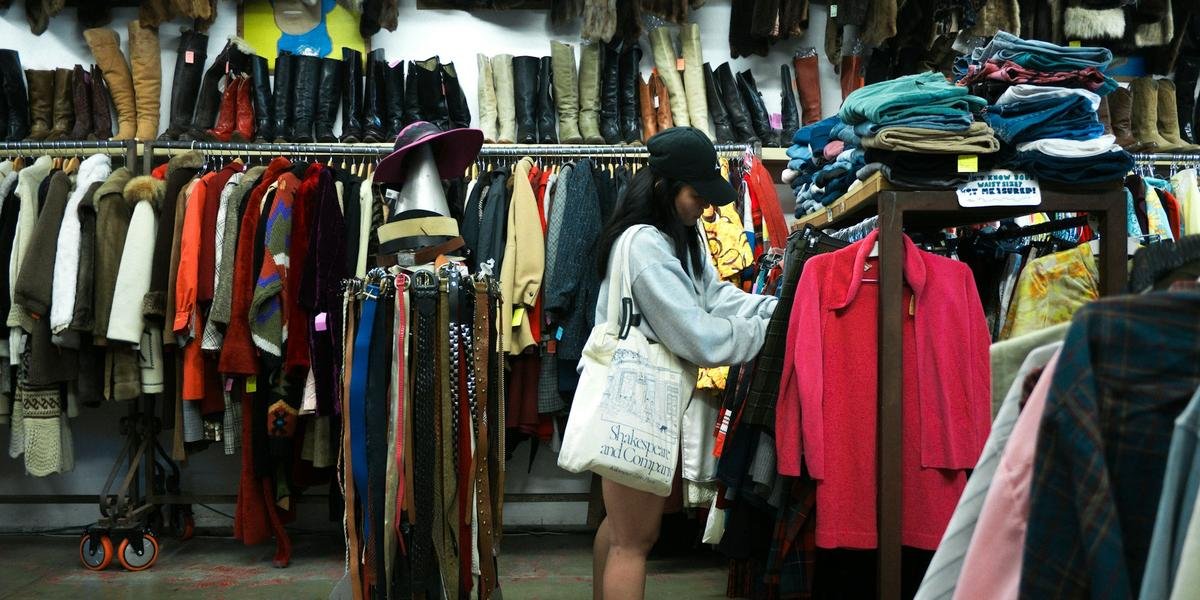
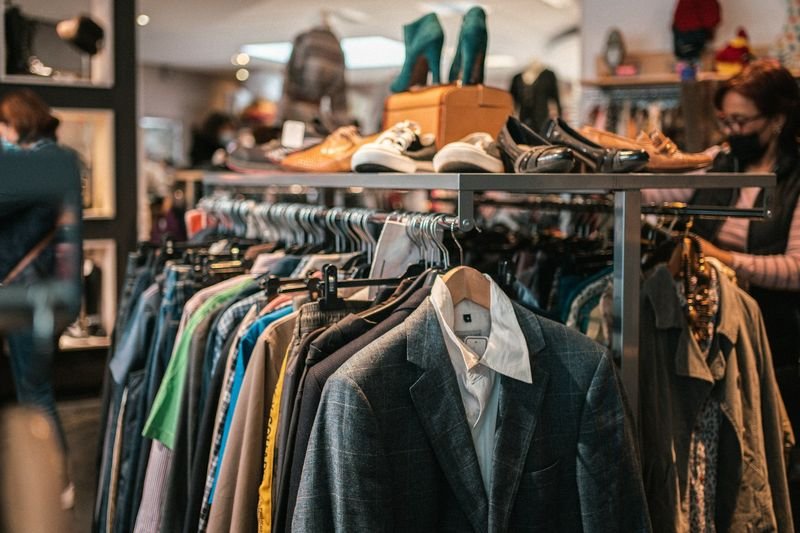
Physical thrift and consignment stores are hit or miss for swimwear specifically — most donation-based shops pull suits from the floor quickly over hygiene concerns, so the ones that make it to the rack tend to be newer donations in decent shape. Specialty consignment shops in beach towns are a better bet than general thrift chains, since they see higher swimwear volume and staff who know to check elastic before pricing a piece.
Online resale platforms solve the volume problem. Poshmark and Depop both have dedicated swimwear categories with buyer photos and measurements, and sellers who built a reputation on accurate listings. ThredUp runs secondhand items through a cleaning process before listing, which removes the guesswork on the wash step entirely — useful if you’d rather not hand-wash a thrifted bikini top yourself. Local swap events, often organized through surf or swim clubs at the start of summer, are the one source where you can try before you buy, which solves the fit problem too.
Price tells you almost as much as condition does. A secondhand bikini listed under $8 on a resale app is usually priced that low because it’s well worn, not because the seller is being generous — real demand keeps gently-used suits from reputable brands in the $15–$30 range even secondhand. A listing priced far below that range for a suit claiming to be barely worn is worth a second look at the photos before buying, since underpricing is one of the more reliable signals that a listing description doesn’t match the item.

Why the Secondhand Swimwear Market Is Exploding Right Now
This isn’t a niche habit anymore. The global secondhand apparel market is on track to hit $367 billion by 2029, growing at a 10% compound annual rate, with the U.S. portion alone projected to reach $74 billion in the same window3. Online resale is the fastest-growing slice of that — U.S. online resale grew 23% in 2024 alone, its second straight year of accelerating growth, and is expected to nearly double again by 20293. The broader U.S. secondhand apparel market grew 14% in 2024, outpacing regular retail clothing sales by five times over.
Swimwear is riding that wave for a practical reason: it’s one of the most worn-once-a-season categories in anyone’s closet. A suit bought for one trip and never worn again is exactly the kind of near-new inventory that keeps secondhand swimwear listings in better condition, on average, than secondhand everyday wear. More of what’s circulating has genuinely low wear on it, not because sellers are generous, but because swimwear gets less use per item than almost anything else people own.
What Not to Buy Secondhand
Padded or push-up tops with foam inserts you can’t remove are a pass — foam absorbs moisture and doesn’t release it the way the outer fabric does, and no wash cycle reaches foam that’s sealed inside a lining. Children’s swim bottoms, especially anything marketed for potty-training ages, are worth skipping entirely regardless of listed condition; the hygiene stakes are different for a product designed to contain accidents. And any suit with visible mildew spotting — small black or green flecks, usually along seams — should be passed over even if the price is tempting, since mildew growing into fabric fibers isn’t fully reversible with a single hot wash.
Color is a smaller but real tell too. Chlorine breaks down dye over repeated exposure, so a suit that’s noticeably faded or has yellowed white sections has logged serious pool time regardless of what the seller claims about wear. That’s not automatically a dealbreaker for a $5 everyday suit, but it’s worth knowing before paying resale prices closer to retail for a piece that’s already most of the way through its usable life.

Secondhand vs. Vintage: Not the Same Shopping Trip
These two get lumped together, but they’re different purchases with different rules. Secondhand swimwear shopping is about finding a gently-used, recent suit at a lower price — the goal is function and savings. Vintage swimwear shopping is about the cut, print, or construction of a specific era, and the suit is often decades old, which changes the fabric-condition math entirely. A 1980s one-piece with original elastic has had forty-plus years to degrade whether or not it was ever worn; our vintage swimsuit guide covers what to check for pieces that old specifically. If you’re after this season’s silhouettes for less money, stick to the secondhand and resale platforms above instead of a vintage shop.
If Thrifting Isn’t Your Thing
Not everyone wants to spend an afternoon checking elastic and sniffing linings, and that’s a fair trade-off against buying new. If you’ve read this far mostly to confirm secondhand isn’t worth the hassle for you specifically, that’s a reasonable conclusion — the hour you’d spend sourcing and sanitizing a thrifted suit has a real cost too. For a reliable fit without the detective work, our try-before-you-buy retailer guide lists stores that let you test fit on a brand-new suit before committing.
A hot wash, a stretch test on the elastic, and a sniff check cover almost every real risk in secondhand swimwear shopping. The rest is just finding a suit you’d actually wear — which, with resale platforms, consignment shops, and swap events all growing, is getting easier every season, not harder.

Sources
- Second-Hand Clothes, a New Threat for Acquiring Parasitic Infection — study of 800 secondhand garments finding zero parasitic contamination in washed items versus measurable contamination in unwashed items.
- CDC — Laundry and Bedding, Infection Control Guidelines — recommended hot-water laundering temperature and duration for destroying microorganisms on fabric.
- ThredUp 2026 Resale Report — global and U.S. secondhand apparel market size, growth rate, and online resale trends.