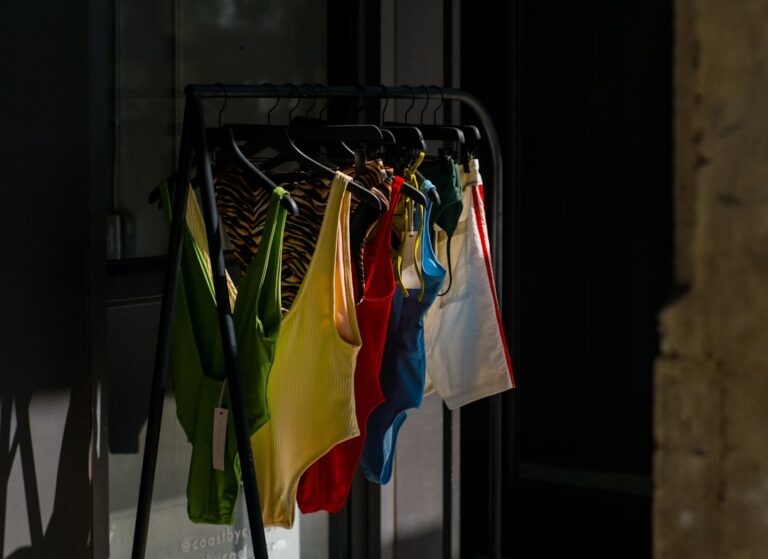
Flattering Swimsuits for Every Age: 20s, 30s, 40s and Beyond
A well-cut swimsuit in the right size will always look better than an expensive one in the wrong size. That single fact matters more than any age chart you have ever read. The swimwear industry loves to slice women into decades and hand each one a list of rules, cover this, hide that, avoid the other. Most of those rules are marketing, not fashion. What actually changes as you move through your 20s, 30s, 40s and beyond is not what you are “allowed” to wear, but what you want from a suit: more support here, more coverage there, fabric that lasts a few summers instead of one.

What Makes a Swimsuit Flattering at Any Age?
Flattering swimsuits share three traits regardless of the wearer’s age: the fabric holds its shape when wet, the straps and seams sit where they should without digging in, and the cut draws the eye to a feature you actually like. Notice that none of those depend on being 25. A 60-year-old in a suit that fits will read as more put-together than a 22-year-old in a bikini two sizes too small that she keeps tugging at.
The mistake most shoppers make is treating “flattering” as a synonym for “hides my body.” It is the opposite. A suit that fits your ribcage, sits flat against your stomach, and stays put when you dive is what reads as confident. Coverage is a personal preference, not a rule tied to a birthday. If you want the fuller story on why the old body-type charts fall apart, we covered that in our piece on swimwear for every body type.
Flattering Swimsuits in Your 20s
Your 20s are the decade to try everything, because your only real constraint is budget. String bikinis, cut-outs, bright prints, that neon triangle top you would never wear to a family barbecue, this is the window for it. The one thing worth spending on is a single well-made suit that survives more than six pool days, because fast-fashion swimwear pills and sags after a handful of washes.

One quiet tip: buy your bikini top and bottom separately if you can. Roughly a third of women are a different size on top than on the bottom, and mix-and-match sizing solves the gap that ruins otherwise cute two-pieces. A halter or triangle top with adjustable ties will follow your body through the small weight swings that come with your 20s far better than a fixed-band bandeau.
Your 30s: When Comfort Starts to Win
Something shifts in your 30s. You still want to look good, but you also want to sit through a two-hour lunch without adjusting anything. High-waisted bottoms are the workhorse of this decade, they smooth the midsection, stay put when you bend, and pair with almost any top. This is also the decade many women navigate post-pregnancy bodies, and a high-rise cut sits comfortably over a C-section scar without pretending to be shapewear.

If you are deciding between a two-piece and a one-piece for this stage, our two-piece versus one-piece guide walks through the trade-offs. For a lot of women in their 30s the answer is “both”, a fun bikini for lounging and a supportive one-piece for actually swimming.

Your 40s: Make the Case for a Great One-Piece
The tummy control swimsuit is not a compromise, it is often the best-looking option in the drawer. Modern one-pieces use ruched panels and power-mesh lining that hold you in without the sausage-casing feel of the shapewear your mother wore. A deep-V or halter neckline keeps a one-piece from looking like a school swim uniform, and a diagonal seam across the waist does more visual slimming than any color trick.

Your 40s are also when fabric quality stops being optional. Cheap swimwear loses its stretch fastest right where you need it, across the bust and stomach. Look for suits with at least 18 to 20 percent elastane (spandex), that is the ratio that keeps a suit snapping back after a summer of chlorine. A black tummy-control one-piece with strong lining will outlast and out-flatter three bargain bikinis.
Swimwear for Older Women: 50s, 60s and Beyond
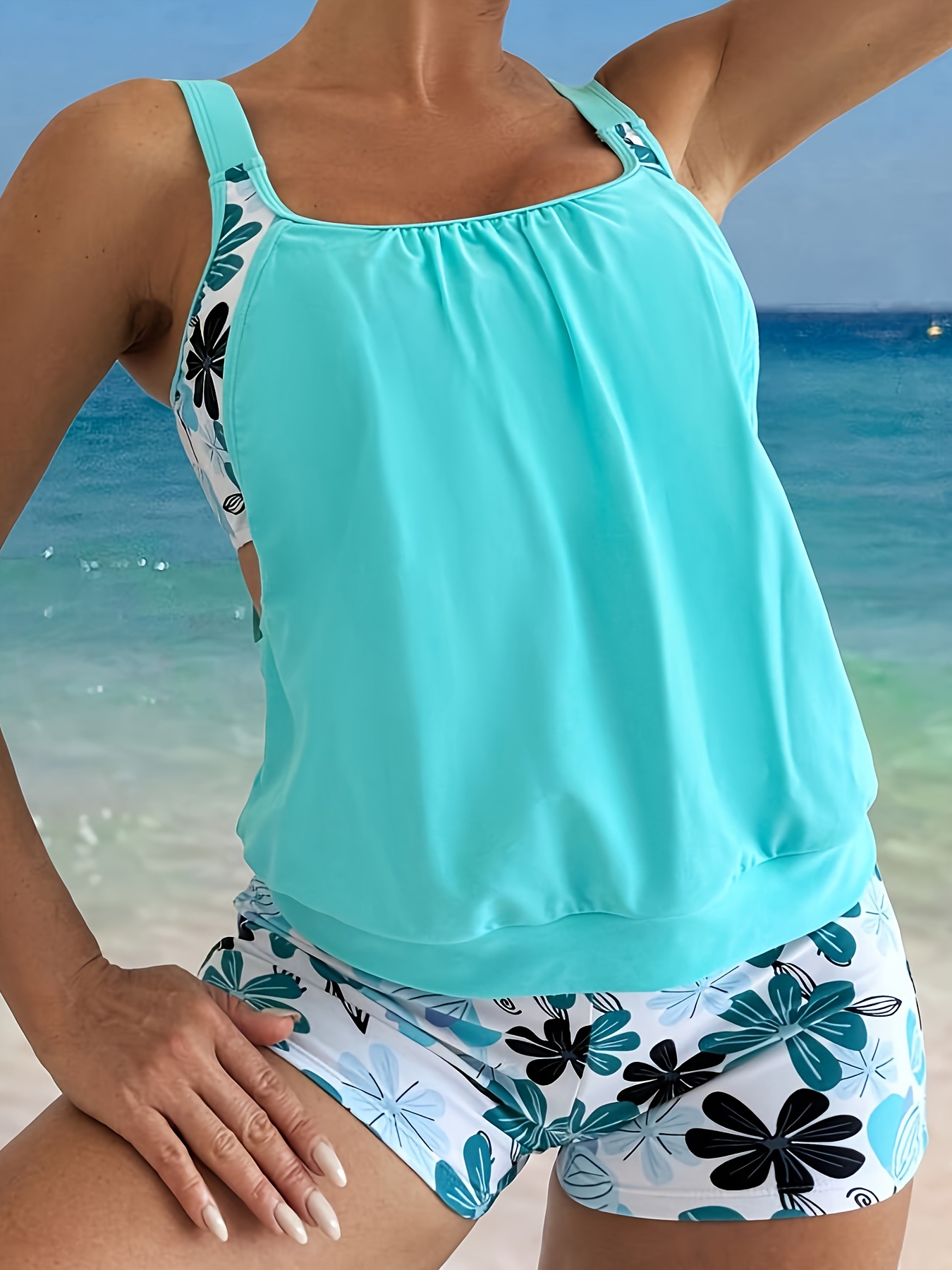
Swimwear for older women has quietly become one of the best-served corners of the market, and shoppers over 50 no longer have to settle for a floral skirted suit in three muted colors. The priorities shift toward practical comfort: wider straps that do not cut into the shoulders, higher-cut armholes so nothing pinches, and UPF 50+ fabric that protects skin that has earned some sun care. Tankinis deserve a mention here, they give the coverage of a one-piece with the bathroom-break convenience of a two-piece, which matters more than any fashion editor will admit.
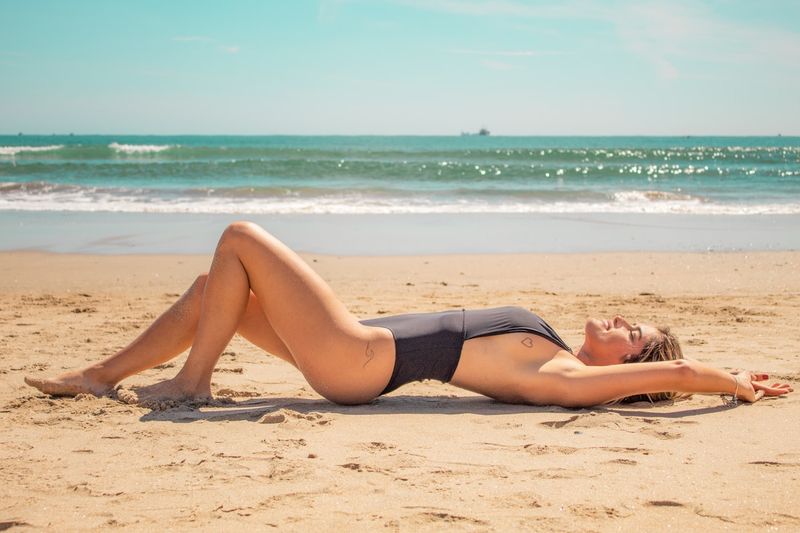
Do not read “comfort” as “boring.” A cobalt or emerald one-piece with a twist front photographs beautifully and feels like nothing on. The best swimwear for women over 50 is the suit that lets you walk from the car to the water without a single mental note to adjust it. Skin also gets more sun-sensitive with age, and dermatologists at the American Academy of Dermatology recommend swim fabric with a UPF rating for exactly this reason.
The One Rule That Beats Every Age Chart
Here is the position I will defend: age-based swimwear rules exist to sell you a narrower selection, not a better one. The industry benefits when a 45-year-old believes she is disqualified from a bright bikini, because it steers her toward a smaller, higher-margin “mature” range. Ignore it. The only rule that holds across every decade is that the suit must fit the body you have today, measured this season, not the size you were three summers ago.

Buy for the body in the mirror, not the one in your memory or your goal. Weight moves around through every decade, and a suit bought a size too small to “motivate” yourself just guarantees a bad day at the beach. If you are unsure of your real numbers, spend five minutes with our guide on how to measure yourself for a swimsuit before you order anything online.
How to Shop for a Flattering Swimsuit, Whatever Your Age
Sizing is the whole game, so start there. Measure your bust, underbust, waist and hips, then compare against the brand’s own chart rather than assuming a “medium” means the same thing everywhere, swimwear sizing is wildly inconsistent between labels. When a suit arrives, do the practical tests before you cut the tags: raise both arms over your head, bend at the waist, and sit down. If anything rides up, gapes, or digs in during those three moves, it will do the same at the beach.

A few features earn their keep at every age. Adjustable straps and side ties let one suit fit a body that changes week to week. Removable cups mean you control the support. And a fabric with a proper lining reads as more expensive than it was, while a thin unlined suit turns see-through the moment it gets wet. For a shape-by-shape breakdown, retailer guides like the ROXY body-shape guide are a useful second opinion once you know your measurements.

Frequently Asked Questions
At what age should you stop wearing a bikini? There is no such age. A bikini that fits and that you feel good in is appropriate at 25 or 65. The only thing that dates a two-piece is a poor fit, not the wearer.
What is the most flattering swimsuit for a tummy? A one-piece with a ruched or paneled front and a diagonal or V-neckline, or a high-waisted two-piece that sits above the navel. Both smooth the midsection without squeezing.
Are one-pieces or bikinis more flattering after 40? Whichever fits better on you. A well-lined one-piece and a high-waisted bikini are equally flattering, the deciding factor is support and fabric quality, not the number of pieces.
Wear the Suit, Not the Age
The next time you shop, leave the decade-by-decade advice at the door and bring a tape measure instead. The women who look best at the beach are not the youngest ones, they are the ones whose suits actually fit and who stopped apologizing for their bodies somewhere along the way.

Start with your measurements, pick the coverage that fits your day, and let the birthday number stay where it belongs, on the cake. For more on why the “flattering” label gets misused in the first place, read the truth about flattering swimwear.
Sources
- American Academy of Dermatology — Sun-protective clothing and UPF fabric guidance.
- ROXY Expert Guide — How to choose a bikini by body shape.
- Lands’ End — Choosing the best swimsuit for your body type.