How to Measure Yourself for a Bathing Suit That Truly Fits
The phrase “best swimwear for every body type” gets thrown around a lot, usually followed by a chart that sorts you into a fruit or a geometric shape and tells you which suit you are allowed to wear. Here is a quieter, more useful truth: the best swimwear for your body is simply swimwear that fits your actual measurements. Not the shape someone assigned you, not the size you wore three summers ago, but the real numbers of the body you have today. Once you know those numbers and how to read them against a size chart, shopping stops being a gamble and starts being a decision you can make with confidence.
This guide walks through exactly how to measure yourself, how to translate those measurements into the right size across different brands, and how to spot the fit details that matter most for comfort in the water. No categories, no rules about what you should hide. Just a repeatable method that works whether you are shopping for a one-piece, a bikini, or a tankini.
Why Measurements Beat Body-Type Charts
Body-type charts feel helpful because they promise a shortcut. The problem is that they flatten thousands of real, specific bodies into four or five imaginary silhouettes, then hand out styling rules based on the assumption that your goal is to look like a different shape than you are. That assumption is the flaw. A swimsuit does not need to disguise your torso or balance your hips against some ideal. It needs to hold you comfortably, stay put when you move, and make you feel good standing at the edge of the pool.
Measurements do something charts never can: they account for the details that actually affect fit. Two people described as the same “type” can have wildly different rib cages, torso lengths, and bust volumes. One will swim happily in a suit the other finds unbearable. When you shop by your own numbers, you sidestep the guesswork entirely. You are matching a garment to a body, not a body to a stereotype.
There is a confidence dividend here too. A suit that fits properly simply disappears once you have it on. You stop tugging at the leg openings, stop adjusting the straps, stop bracing for the moment a triangle top shifts. That mental quiet is worth more than any “flattering” trick, and it comes directly from getting the measurements right.
The Four Measurements That Matter Most
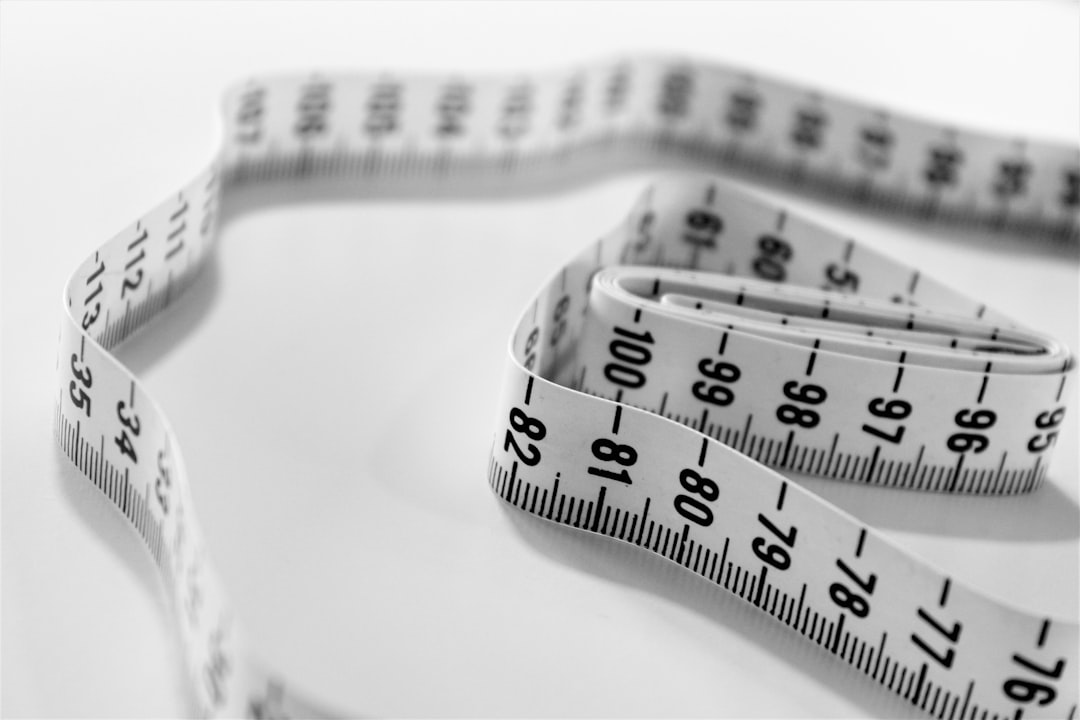
You need a soft cloth tape measure, a mirror, and about five minutes. Measure over bare skin or thin underwear, keep the tape snug but never pulling into your skin, and make sure it stays level all the way around. Breathe normally. Sucking in gives you a number that no real swimsuit will honor once you exhale in the sun.
Bust
Wrap the tape around the fullest part of your chest, usually right across the nipples, with your arms relaxed at your sides. Keep the tape parallel to the floor across your back. This is the number most one-piece and bikini-top size charts use first, and it is the one people most often get wrong by measuring too high or letting the tape ride up in the back.
Underbust
Measure directly under your bust, where a bra band would sit. This second number matters enormously if you have a fuller bust and want real support, because the gap between your bust and underbust measurement is what determines cup volume. Suits sold in true bra sizing (like 34D or 38DD) rely on this measurement, and they are often the difference between a top that holds you and one that lets everything shift the moment you dive.
Waist
Find your natural waist, the narrowest part of your torso, usually an inch or so above your belly button. Do not measure at the low point where jeans sit. For swimwear the natural waist is the reference point that keeps high-waisted bottoms and one-piece middles from digging in or gaping.
Hips
Wrap the tape around the fullest part of your hips and seat, feet together. This is the measurement that governs how bikini bottoms and one-piece hip openings sit. Too small and the leg elastic cuts in; too large and the fabric bunches. Feet together matters because standing with your legs apart can shave an inch off and sabotage the number.
Write all four numbers down somewhere you can find them, like a note on your phone. You will reuse them every time you shop, and they only need a quick refresh once or twice a year.
The Fifth Measurement Nobody Mentions: Torso Length
If one-piece swimsuits always seem to pull down on your shoulders or sag at the crotch, torso length is almost certainly the culprit, and no bust-waist-hip chart will ever flag it. A one-piece has to span from your shoulder, down your front, through the leg openings, and back up. If the suit’s torso is shorter than yours, it tugs relentlessly at your shoulders and rides up uncomfortably. If it is longer, it bags in the middle.

To measure your torso, run the tape from the center of your shoulder, down the front of your body, between your legs, and back up to the same shoulder point at the back. Keep it snug against your body the whole way. Many one-piece brands publish a torso measurement or offer “long torso” versions, and if you have ever felt like one-pieces are just not built for you, this single number may be the reason. It is one of the clearest examples of why measuring beats sorting yourself into a shape.
A well-proportioned one-piece with the right torso length feels like a second skin. If you have struggled here, a suit with adjustable straps buys you extra forgiveness while you learn your number.
Shop Adjustable-Strap One-Piece Swimsuits on Amazon →
Reading a Size Chart Without Getting Burned
Here is the reality of online swimwear: there is no universal size. A medium at one brand can be a large at another, and swimwear cut for different markets varies even more. This is exactly why your measurements matter more than the letter on the tag. Ignore the size you “usually” wear and go straight to the brand’s centimeter or inch chart every single time.
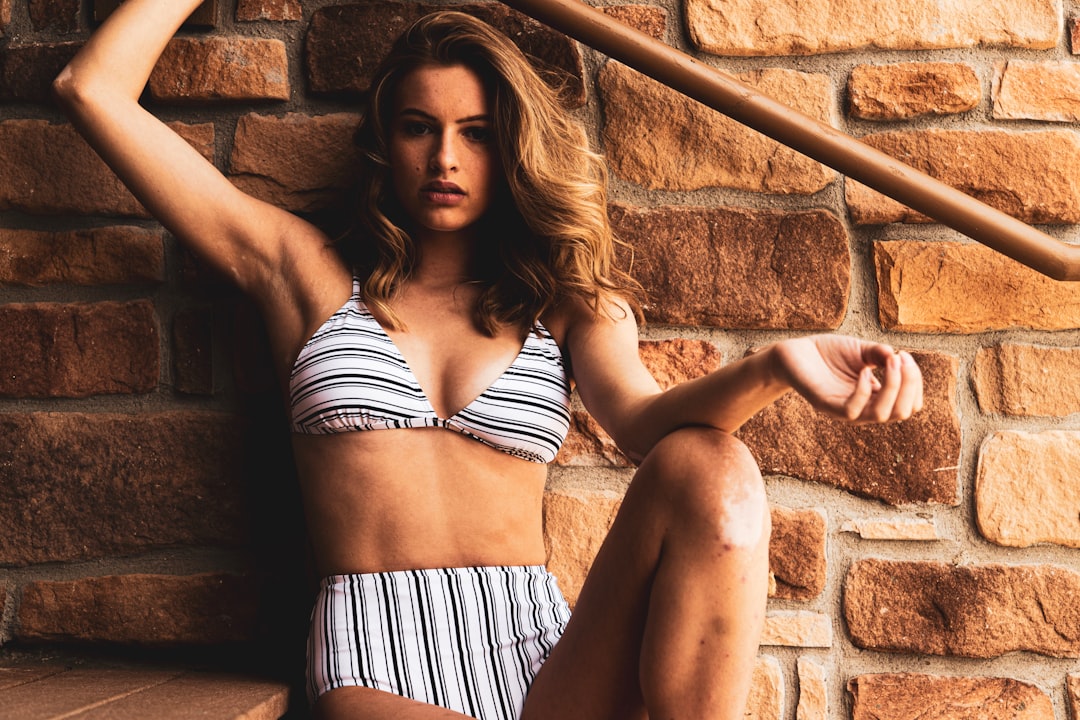
When your measurements land between two sizes, the right choice depends on the piece. For bikini bottoms and one-piece hips, size up; leg elastic that is slightly loose is comfortable, while elastic that is too tight is miserable all day. For a bust with real weight to support, prioritize the underbust and cup fit over the overall bust number, because band support is what keeps everything in place. For high-waisted bottoms, trust your waist measurement rather than your hip, since the waistband is where the digging or gaping happens.
Pay attention to fabric content too. A suit with a healthy dose of elastane (spandex) has more give and forgives a between-sizes moment gracefully. A more rigid, structured fabric holds its shape but demands a more exact match to your numbers. The product description usually tells you which you are dealing with, and it is worth the ten seconds to check.
A Quick Word on Vanity Sizing
Do not let the size label rent space in your head. Swimwear sizing is inconsistent by design across the industry, and the number on the tag is not a verdict on your body. It is a rough manufacturing code that varies from one factory to the next. Buy the size that matches your measurements, cut the tag out if it bothers you, and move on to enjoying the water. The suit exists to serve you, not the other way around.
Matching Measurements to Silhouettes You Actually Like
With your numbers in hand, the fun part begins: choosing suits you genuinely want to wear. Notice the reframe here. Instead of a chart telling you what you are “allowed” to wear, you get to pick what you love and then use your measurements to make sure it fits. Every silhouette can work for every body when the fit is right.
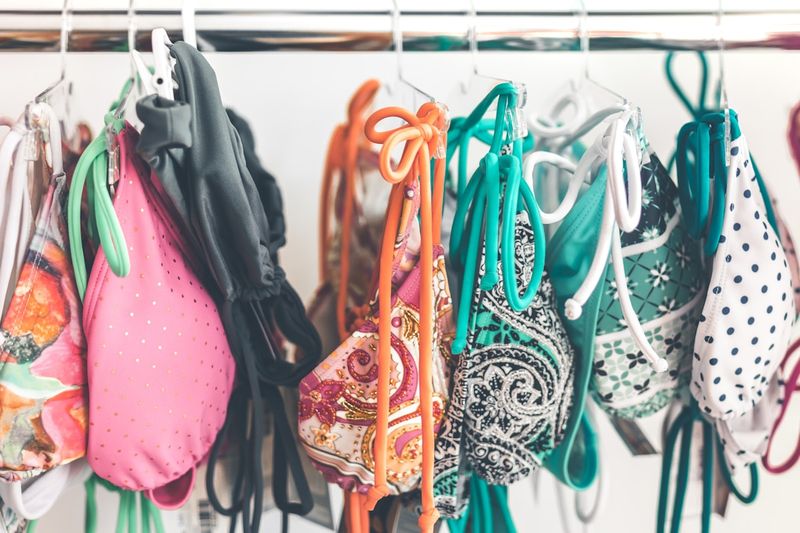
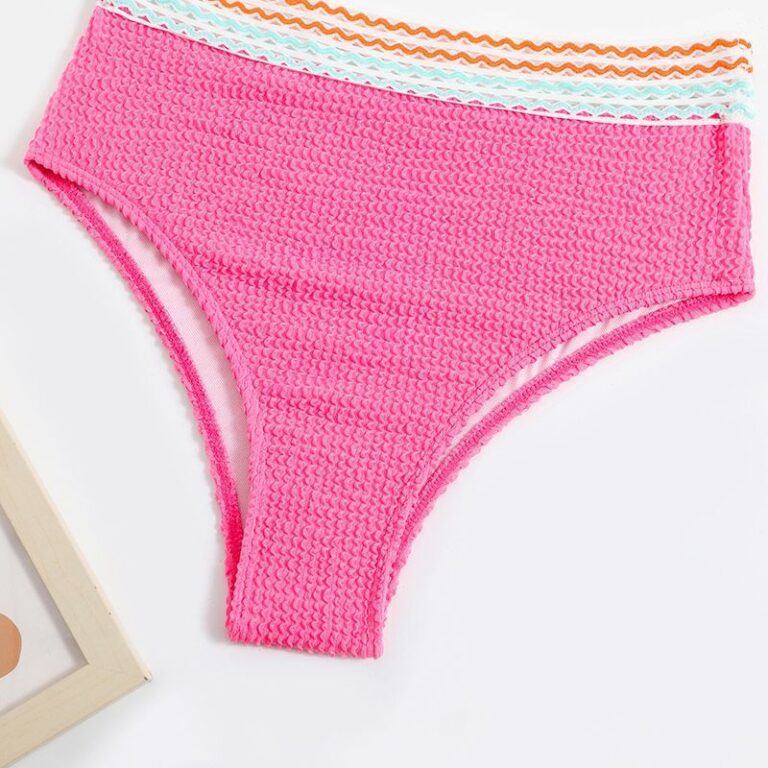
Love a high-waisted bikini? Anchor it to your true waist number and enjoy the coverage and support it gives across the middle. Prefer a classic triangle top? If your bust is on the fuller side, look for versions with a wider under-band and adjustable ties so the support comes from structure, not just knots. Drawn to a tankini because you like being able to mix separates and get one-piece coverage with two-piece convenience? Use your bust number for the top and your hip number for the bottom, and you can buy each half in its own correct size.
The one-piece deserves special mention because it is the silhouette most often ruled out by charts and most often rescued by measurements. Between torso length, adjustable straps, and modern high-stretch fabrics, a one-piece can be the most comfortable thing in your drawer once you dial in the fit. If you have written it off, your torso measurement is the place to start over.
Shop High-Waisted Bikini Sets on Amazon →
The Fit Test: Ten Minutes That Saves the Summer
When your suit arrives, do not just glance in the mirror and call it done. Put it through a quick fit test before you remove any tags, because the fitting-room floor is a far better place to discover a problem than the middle of a crowded beach.
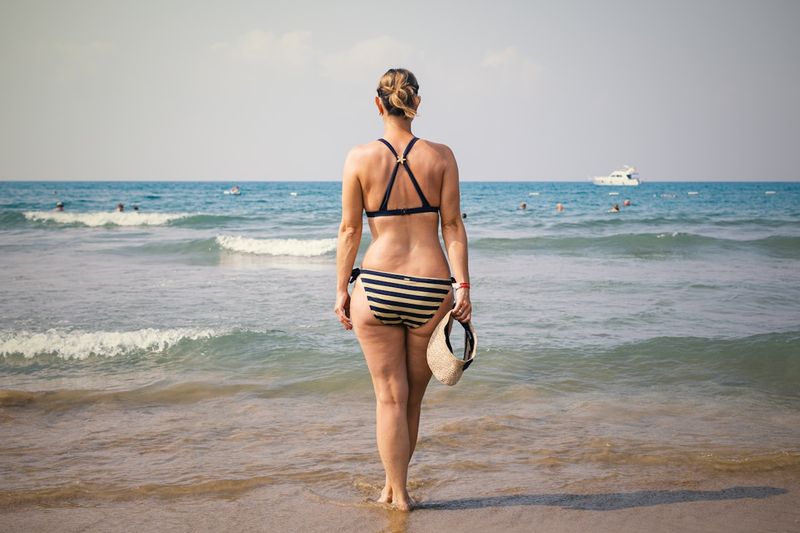
Raise both arms overhead. A one-piece should not ride up sharply, and a top should not slide off your bust. Bend forward at the waist as if reaching for a towel. Nothing should fall out or gape open. Do a few squats or sit down and stand back up. The bottoms should stay put and the leg openings should not cut red lines into your skin. Finally, run a finger under every strap and band; you want it snug enough to stay but loose enough to slide a finger under without strain.
If any of these tests fail, the suit is telling you something specific. Riding up at the shoulders means the torso is too short. A bust that spills out on the bend means you need more cup volume or a smaller band. Bottoms that cut in mean size up on the hip. Because you know your measurements, you can read these signals precisely and order the correction rather than giving up on the style entirely.

Your Body, Your Numbers, Your Suit
The best swimwear for every body type was never really about body types at all. It is about the honest, specific measurements of your own body and the willingness to match a suit to them rather than to a stereotype. Take your bust, underbust, waist, hips, and torso length once, keep them on your phone, and read every brand’s chart against those numbers. Do that, and the whole exhausting ritual of “figuring out what works for your shape” quietly dissolves.
What is left is the good part: choosing colors you love, silhouettes that make you smile, and fabrics that feel great, knowing the fit is already handled. That is where real beach confidence comes from. Not from disguising anything, but from wearing something that fits you exactly, in the body you are living in right now.
Sources
- Wikipedia — Swimsuit history and styles
- Wikipedia — Clothing sizes and sizing inconsistency
- Wikipedia — Spandex (elastane) fabric properties
Shop our full range of bikinis and swimwear at the BikiniCool store →