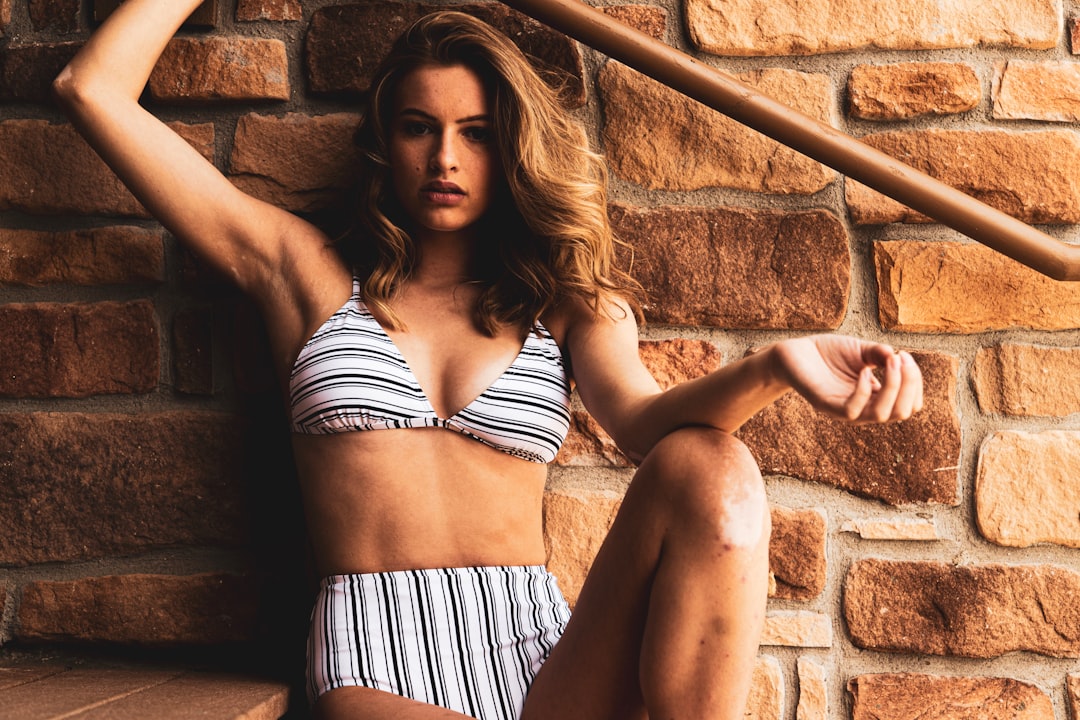
High-Waisted Bikinis: History, Fit Science & Confident Wear
The high-waisted bikini is one of those rare pieces that manages to feel both nostalgic and completely current. It nods to the pin-up silhouettes of the 1950s while sitting comfortably alongside everything else in a 2026 beach bag. But beyond the retro charm, there’s a real reason this cut keeps returning season after season: it’s thoughtfully engineered, genuinely versatile, and it lets a huge range of bodies feel at ease at the water’s edge. This is a closer look at where the style came from, how it’s actually built, and how to find a pair that fits you rather than fighting you.
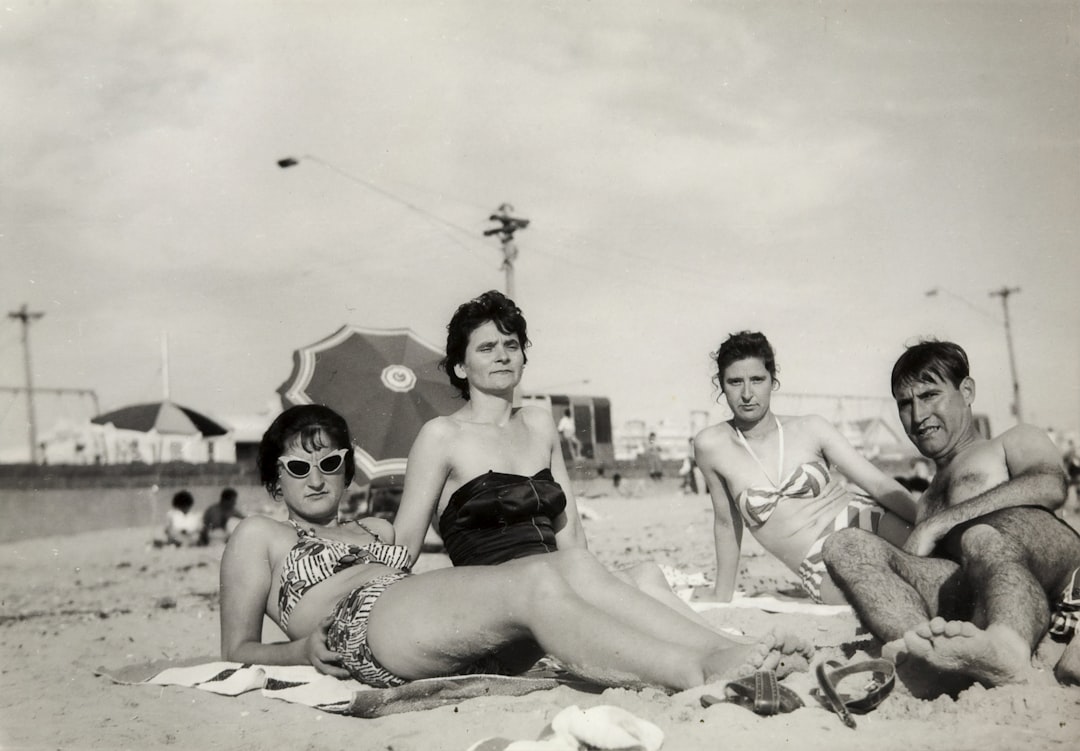
Where the High-Waisted Bikini Came From

When the modern bikini was introduced in Paris in 1946, it was scandalous precisely because it bared the midriff. Yet for the decade that followed, the most commercially popular two-pieces weren’t the tiny ones at all — they were high-waisted. Bottoms rose to the natural waist or above, often structured with light boning or shirring, echoing the cinched, hourglass tailoring that defined post-war fashion. Stars of the era made the look iconic, and for many women it was the version of the bikini they could actually imagine wearing in public.
As the 1960s gave way to the more revealing decades that followed, the high waist receded. Low-rise bottoms dominated for a long stretch, peaking in the early 2000s. The high-waisted cut never fully disappeared, though — it lived on in vintage-revival labels and pin-up subcultures until a broader wave of retro nostalgia, paired with a growing appetite for swimwear that prioritized comfort over exposure, pulled it firmly back into the mainstream. Today it sits in the permanent collection of nearly every swim brand, no longer a throwback but a staple.
What “High-Waisted” Actually Means
The term gets used loosely, so it helps to pin it down. A swim bottom’s “rise” is the distance from the crotch seam to the top of the waistband. On a standard or mid-rise bottom, that waistband lands somewhere around the hip. On a true high-waisted bikini, it sits at or above the natural waist — the narrowest part of your torso, usually an inch or two above the belly button.
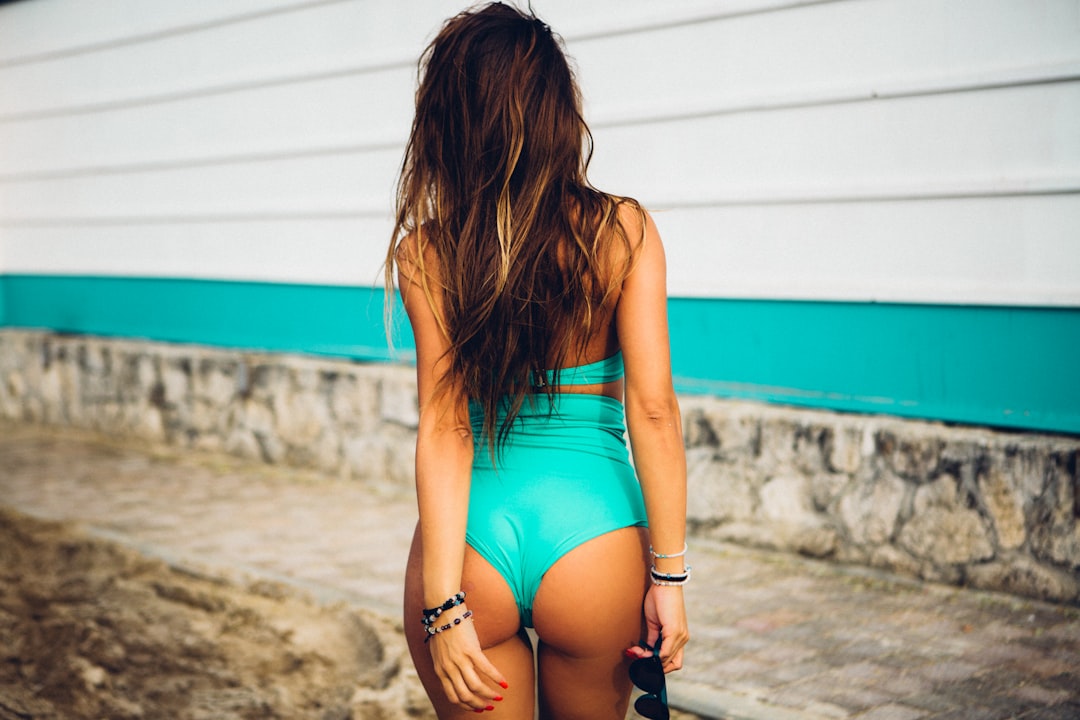
The Waistband Does Real Work
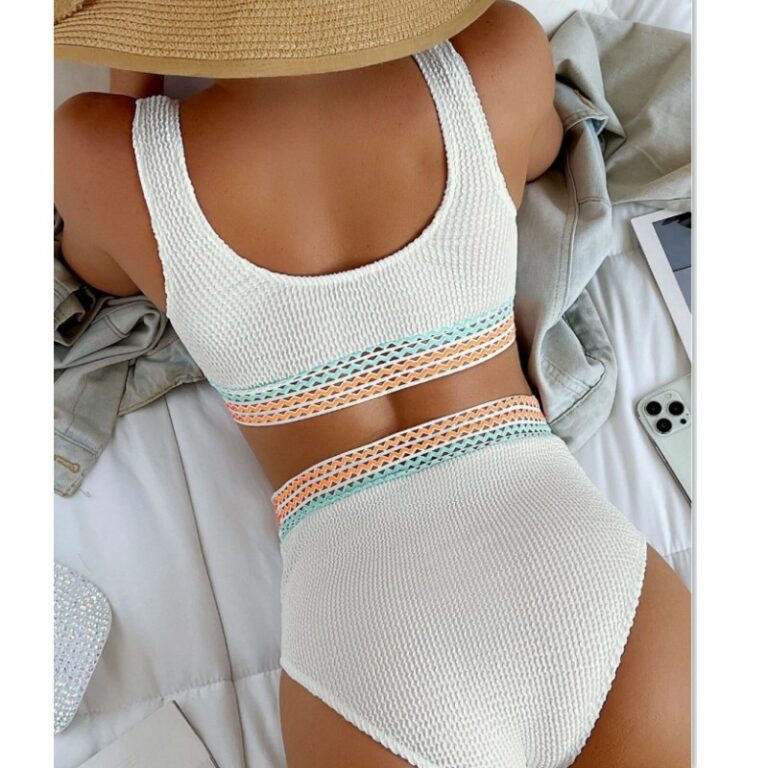
That extra fabric isn’t just for coverage. A well-made high-waisted bottom uses its waistband as a structural element. Wider bands distribute pressure across a larger surface area, so nothing digs in the way a thin elastic edge can. Many designs incorporate power mesh lining, double-layered fabric, or a slightly compressive knit through the front panel. The result is gentle support that smooths rather than squeezes — the band holds its position through waves and movement instead of rolling down at the first dive.
Fabric and Stretch Matter More Here
Because a high-waisted bottom covers more of your torso, the quality of the fabric is more noticeable than it would be on a skimpier cut. Look for a blend with a meaningful percentage of elastane or spandex — usually somewhere between 15 and 25 percent — combined with nylon or recycled polyamide. That ratio gives four-way stretch, so the fabric moves with your body when you sit, bend, and swim rather than gaping or pinching. Thin, low-stretch fabric over a large panel is what creates that unflattering, stiff look; good stretch is what makes the same cut feel like a second skin.
Shop High-Waisted Bikini Sets on Amazon →
Why the Silhouette Works for So Many Bodies
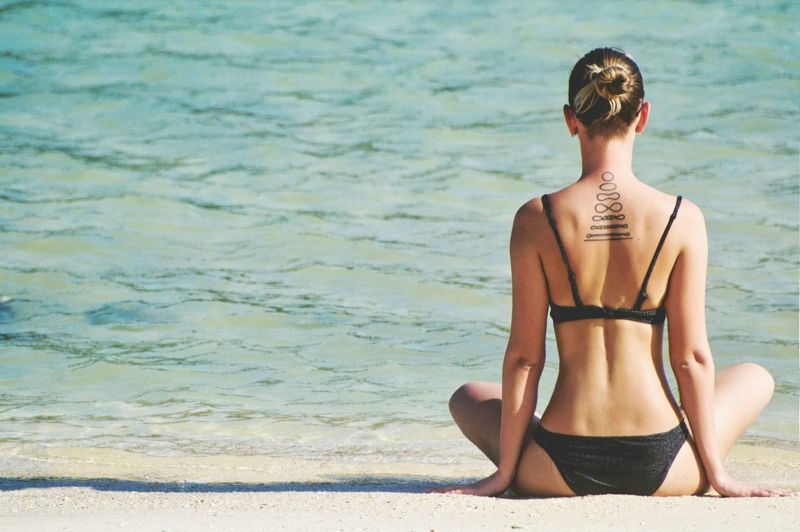
It would be easy — and wrong — to frame the high-waisted bikini as a garment that “hides” things. That language assumes there’s something to hide, and the whole appeal of this cut is the opposite: it tends to make people feel comfortable enough to actually be present at the beach instead of constantly adjusting and self-monitoring. Comfort, it turns out, is its own kind of flattery.
The geometry helps explain the broad appeal. By sitting at the narrowest point of the torso, a high waistband visually marks the waist and lets the eye read the natural curve between waist and hip. For someone with a fuller midsection, that gentle definition can feel balancing. For someone with a straighter torso, the band itself can suggest a waistline that low-rise cuts simply skip over. And for anyone who is post-partum, recovering from surgery, living with a scar, or just not in the mood to bare their stomach on a given day, the coverage is practical rather than corrective. The same cut serves all of these people for entirely different reasons — which is exactly why it’s so durable.
The best swimsuit isn’t the one that changes how you look — it’s the one that lets you stop thinking about how you look and get in the water.
Finding a Pair That Actually Fits
Fit is where a high-waisted bikini either earns its place in your rotation or ends up at the back of a drawer. A few things are worth checking when you try one on, ideally while moving rather than standing perfectly still in front of a mirror.
Start with where the waistband lands. It should sit at or just above your natural waist without rolling, folding, or cutting in. If it slides down when you raise your arms or jump, the rise is too low for your torso length or the band lacks grip. If it pinches or creates a visible ridge, size up in the bottom — high-waisted cuts are one of the strongest cases for buying your top and bottom in different sizes, which most brands sold as separates will happily let you do.
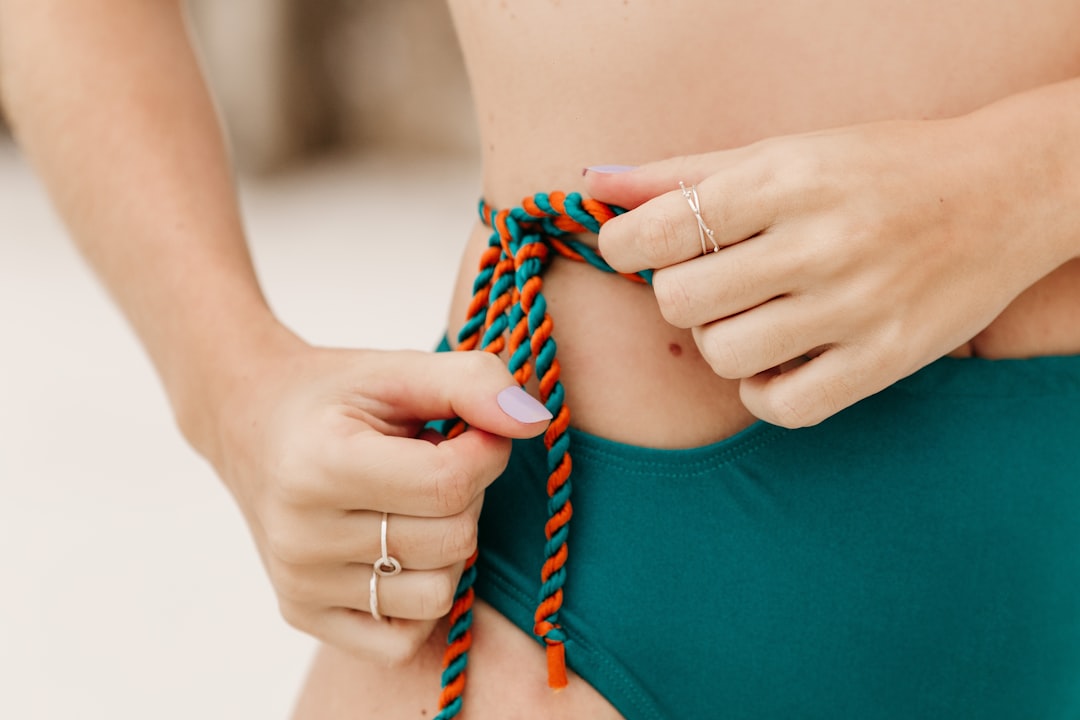
Check the leg openings next. A flattering, comfortable high-waisted bottom has leg lines that lie flat against your upper thigh without biting in. Some styles are cut higher on the leg for a leg-lengthening effect, others sit lower for more coverage; neither is better, but the elastic should feel secure without leaving deep marks. Finally, look at the back coverage and pick the amount that suits your plans — fuller cuts stay put for swimming and beach sports, cheekier cuts read more sunbathing-and-cocktails.
Pairing the Top
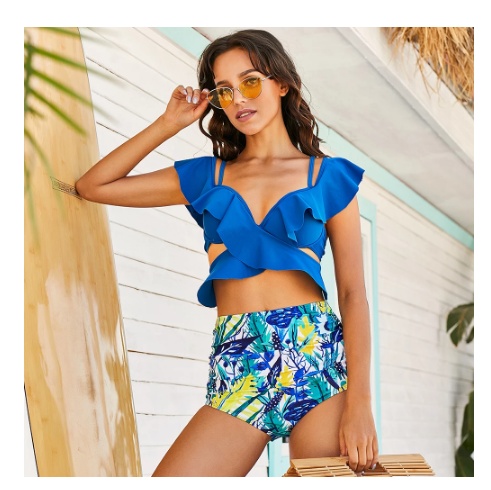
Because the bottom carries so much of the visual weight, the top is where you can play. A classic triangle or bandeau keeps the look light and retro. An underwire or molded cup top brings real support and pairs beautifully with the structured feel of a high waist, especially for larger busts. A longline or crop-style top creates a more covered, sporty silhouette and leaves just a sliver of midriff — a nice middle ground if a full high-waist set feels like more skin-coverage than you want, or less than you want, depending on your mood.
Shop Supportive Bikini Tops on Amazon →
Styling Beyond the Sand
One quietly practical thing about the high-waisted bikini is how easily it crosses over into clothing. Because the bottom reads almost like a pair of retro shorts, the top-and-bottom set works as a casual outfit with very little effort. Throw on a linen shirt left open, a high-waisted wrap skirt, or wide-leg beach trousers and the bikini becomes a perfectly respectable look for a boardwalk lunch or a poolside bar.

Accessories lean into the vintage DNA without much trying. A wide-brimmed straw hat, oversized round sunglasses, and a woven tote complete the retro reference, while gold hoops and a simpler modern top pull the same set firmly into the present. The cut is forgiving of styling experiments precisely because it covers enough to feel like an outfit rather than just underwear-for-water.
Making It Last
A high-waisted bikini represents a bit more fabric — and often a bit more construction — than a minimal cut, so protecting that investment is worth a few small habits. Rinse it in cool fresh water as soon as you’re out of chlorine or salt; both are hard on elastane and will shorten the life of the stretch that makes the cut work. Hand-wash with a gentle soap rather than tossing it in the machine, and skip the wringing and the dryer, both of which break down fibers and warp the waistband’s shape.
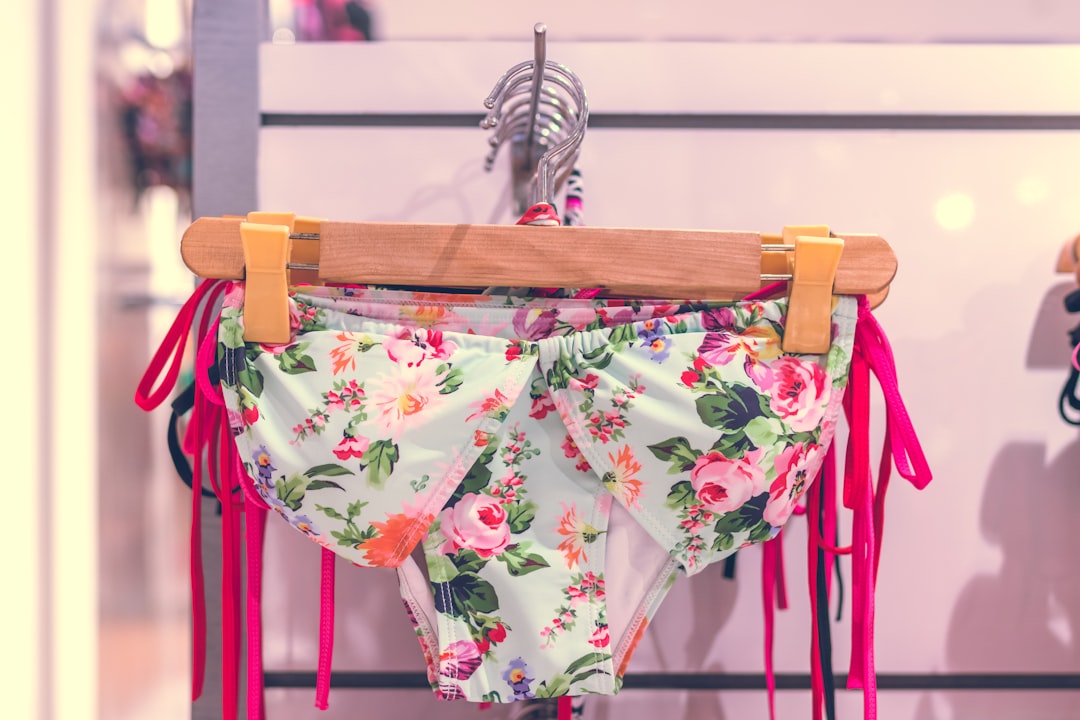
Lay it flat or hang it to dry out of direct, blazing sun, which fades color and degrades fibers over time. And give a favorite pair a rest day between wears if you can — elastane recovers its stretch better when it isn’t worn two days running. Treated this way, a good high-waisted set will hold its support and shape across many seasons, which makes the slightly higher price of a well-built pair easy to justify.
The Real Reason It Endures
Trends cycle, and the high-waisted bikini will surely share the spotlight with other cuts in seasons to come. But it has earned something more durable than a trend: it’s a genuinely useful design. It supports without constricting, flatters without pretending to fix, and carries enough history to feel timeless rather than disposable. Most importantly, it gives a wide range of people a version of the two-piece they can wear with their shoulders back and their mind on the water instead of the mirror.
Whether you’re drawn to it for the pin-up romance, the practical coverage, or simply because it’s the first bikini in years that hasn’t slipped at the worst moment, the high-waisted cut rewards you for choosing comfort. And comfort, on a hot afternoon at the beach, is the most stylish thing you can wear.
Sources
- Wikipedia — History of the Bikini
- Victoria and Albert Museum — Fashion & Textiles
- Encyclopaedia Britannica — Bikini
Shop our full range of bikinis and swimwear at the BikiniCool store →