Plus Size Swimwear: 2026 Guide to a Flattering Fit
A size 18 swimsuit and a size 8 swimsuit are not the same garment scaled up. The bust needs real underwire or a power-mesh shelf, the leg openings have to clear a fuller hip without cutting in, and the straps carry more weight, so they need width. Most disappointing plus size swimwear isn’t ugly — it’s just engineered like a small suit that got photocopied at 150%. Once you know what to check, the shopping gets a lot faster and the returns pile shrinks.
What actually counts as plus size swimwear
Plus size swimwear generally starts at a US 14–16 and runs up through 26 or beyond, though the cutoff drifts by brand. The number on the tag matters less than the build. A well-made plus suit has graded support that scales with the size — bigger cups get firmer lining, longer torsos get more length added through the body rather than just the straps, and waistbands get wider to sit flat instead of rolling.
The frustrating part is that “plus size” and “curve” labels are marketing categories, not fit guarantees. Two suits both labeled 1X can fit completely differently if one was drafted from a true plus block and the other was a straight-size pattern stretched at the side seams. The second kind is the one that gapes at the back and digs at the shoulders. You can usually spot it because the size run stops at 1X or 2X — brands that draft proper plus blocks tend to carry the range further.
Best plus size swimwear styles for your shape
Shape beats size when it comes to picking a silhouette. The most flattering plus size swimsuit is the one that works with where you carry weight, and there’s no single winner. If you carry it through the middle, a one-piece with side ruching or a high-waisted two-piece does more than any “tummy control” panel promises. If your weight sits lower, a bold printed top balances a fuller hip. Our full swimsuit-for-your-body-type guide breaks this down shape by shape.
Here’s the honest hierarchy of styles that hold up across most plus figures:
- One-piece with seaming: Vertical or princess seams do real shaping work. Skip the ones that are just a tube of fabric — they cling to everything.
- High-waisted bikini: The waistband sits at the natural waist and stays put through a wave. See our high-waisted bikini guide for the rise-by-torso math.
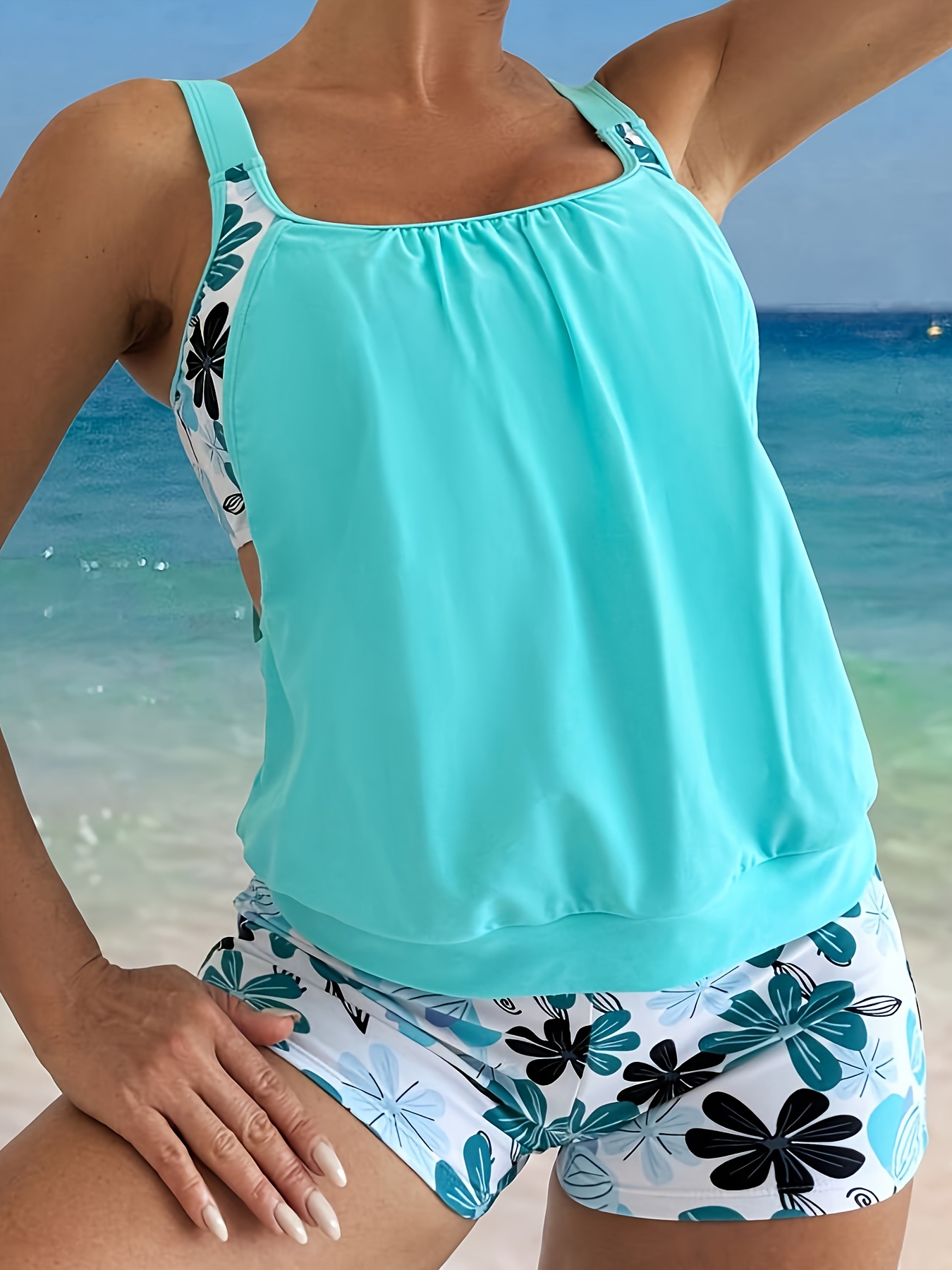
- Tankini: Coverage of a one-piece, bathroom convenience of a two-piece. A plus size tankini with a built-in shelf bra is the most forgiving option for a long beach day.
- Underwire bikini: Non-negotiable above a DD. A triangle top will not hold a fuller bust, no matter how cute it looks on the rack.
How to find a flattering plus size swimsuit that actually fits
Fit happens at three points: the band, the shoulders, and the leg opening. Get those right and the rest forgives itself. Start with the band — whether it’s a bikini top or a one-piece, the horizontal band under the bust does about 80% of the support work, not the straps. It should sit snug enough that you can fit two fingers underneath and no more.
Straps come second. On a plus suit they should be adjustable and at least a centimetre wide; spaghetti straps cut grooves into the shoulder by lunchtime. If you have a longer torso, check the body length before anything else — a one-piece that’s too short pulls down on the shoulders all day and creates that uncomfortable wedgie-and-droop combination. Many brands now sell a “long torso” version, and it’s worth hunting for.
For the bust specifically, our best bikini for a large bust breakdown covers underwire, cup construction, and the molded-vs-shelf debate in more detail. The short version: above a D cup, you want a cup sewn in, not a shelf bra sewn across.
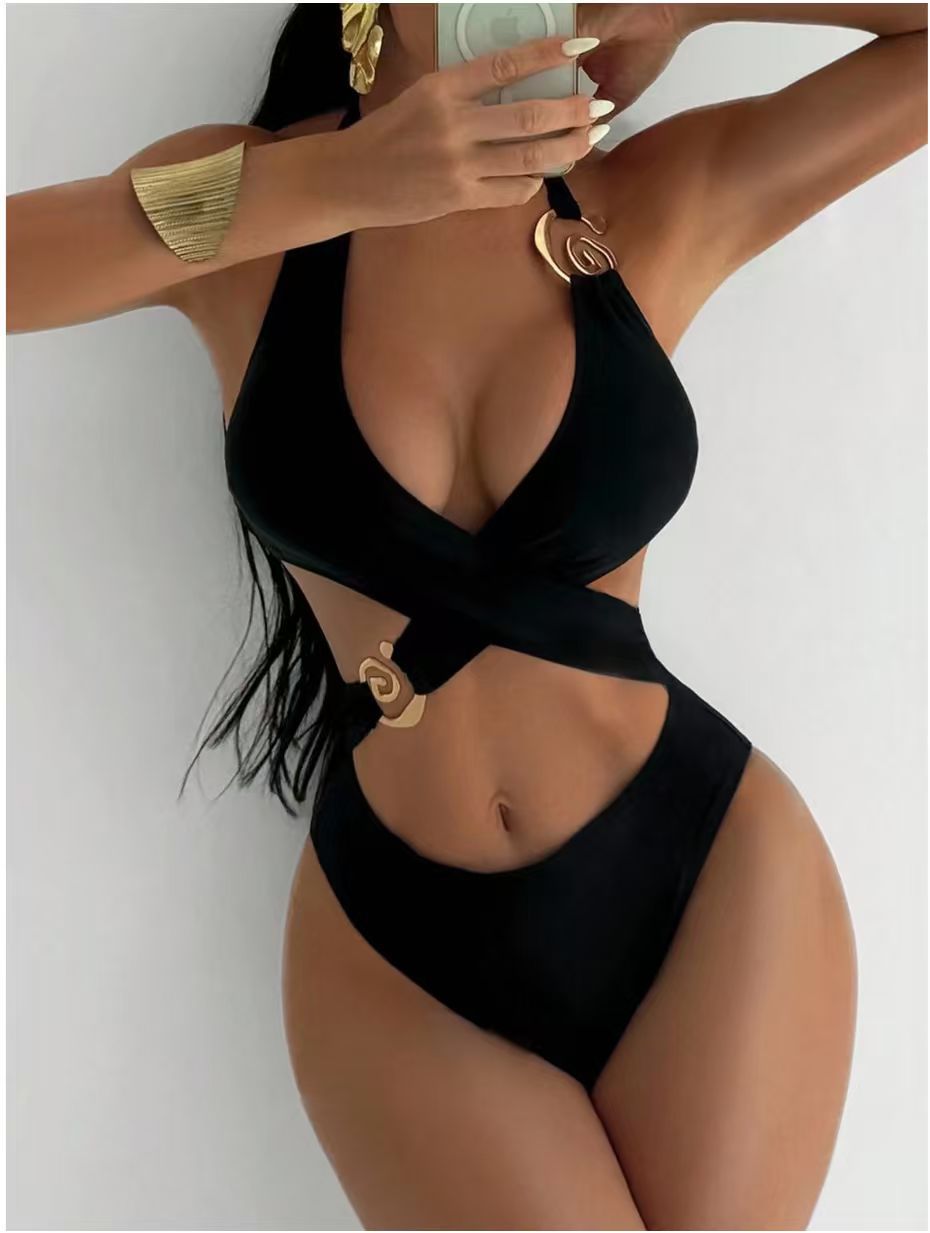
Plus size bikini vs one-piece vs tankini
People ask which is “best” for plus size, but the better question is what you’re doing in it. A suit for lap swimming, a suit for a pool party, and a suit for a beach where you’ll be in and out of the water all day are three different purchases. Here’s how the main options compare.
| Style | Best for | Support level | Watch out for |
|---|---|---|---|
| Plus size bikini | Tanning, mix-and-match sizing | Medium–high with underwire | Buy top and bottom in separate sizes |
| One-piece | Swimming, all-day wear | High | Check torso length first |
| Plus size tankini | Beach days, easy bathroom breaks | Medium–high | Top can ride up — look for a longer hem |
| High-waisted set | Midsection coverage, retro look | Medium | Waistband must hit the natural waist |
The mix-and-match advantage of a two-piece is underrated for plus figures. Bra and band sizes rarely track hip size on the same person, so buying a top in one size and bottoms in another solves the single most common fit problem in one move. A one-piece can’t do that.
Fabric and construction: what to check before you buy
A suit lives or dies on its fabric blend. Look for nylon or polyester with 18–22% elastane (spandex). Below 15% and the suit won’t hold shape over a curvier frame; it sags and goes see-through when wet. Polyester blends resist chlorine better and hold color longer, which matters if you swim in a pool regularly — nylon feels softer but fades and degrades faster against chlorine.
Fully lined matters more at larger sizes, not less. A single layer of stretched fabric over a fuller figure turns sheer the moment it’s wet, especially in white and pastels. Run your hand inside the suit: a quality plus piece has a front lining at minimum, ideally full lining through the body. Sun protection is the other quiet upgrade — tightly woven swim fabric blocks far more UV than a cotton cover-up, and the Skin Cancer Foundation notes that darker, denser fabrics push UPF ratings higher. More coverage genuinely means more protection here.
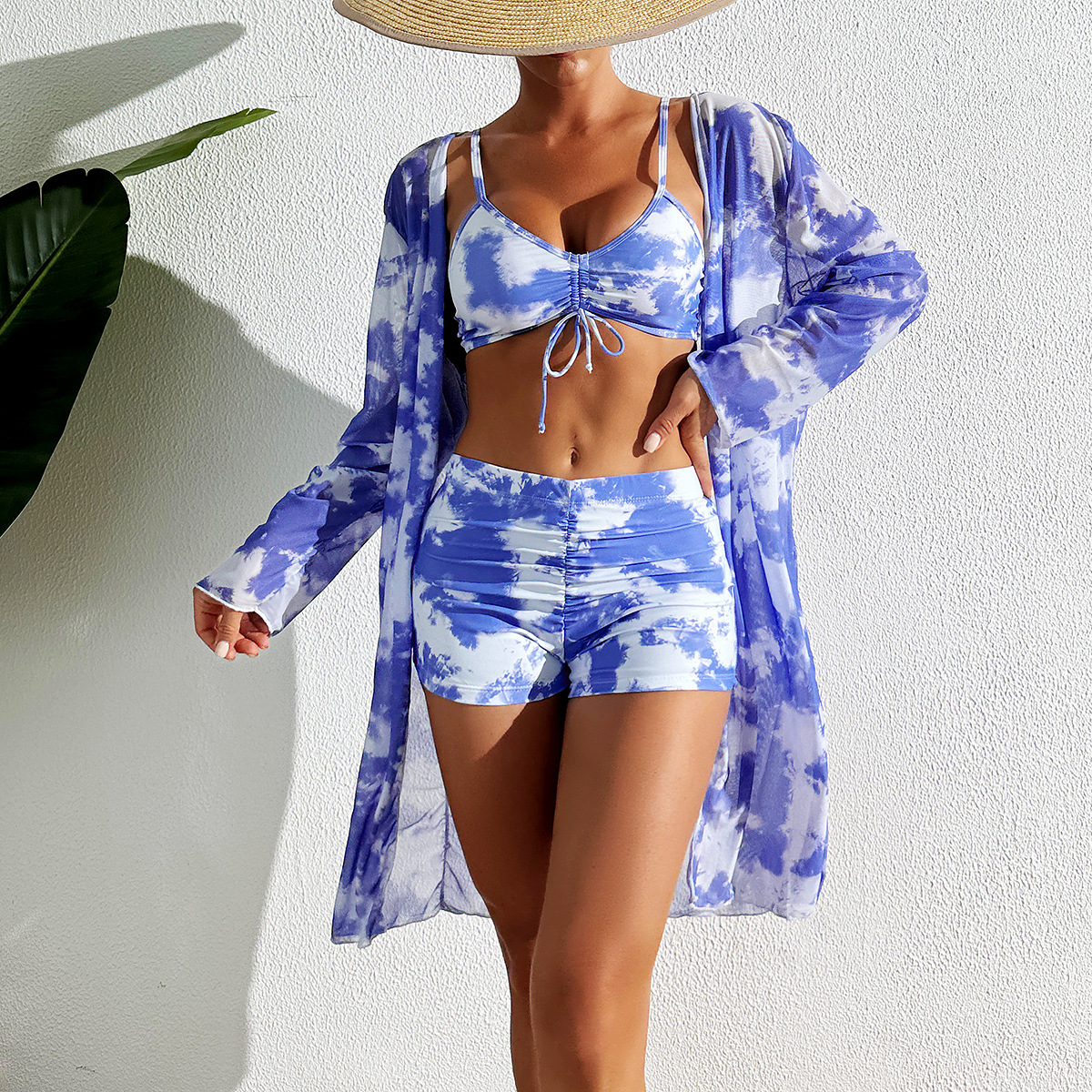
Where plus size sizing still goes wrong
The truth is, most “plus size” swim ranges that stop at 2X aren’t serving plus customers — they’re collecting the size-16 shoppers who didn’t fit the straight range and calling it inclusion. Real plus construction shows up in the details: cup sizes offered separately from band sizes, torso-length options, and size charts that list actual garment measurements instead of vanity dress numbers. When a brand only gives you “1X–3X” with no inches, that’s a tell that they scaled a small pattern and hoped.
Vanity sizing makes this worse. A 2X at one label is a 16 at another and a 22 at a third. Ignore the letter and read the measurement chart every single time — bust, waist, hip, and (if listed) torso length. Hold a tape to your favorite-fitting bra and a pair of bottoms that already work, and shop to those numbers. It feels fussy for about four minutes and then saves you every return after.
Styling a plus size swimsuit with confidence
Confidence isn’t a personality you’re born with — on a beach it’s mostly fit plus the right add-ons. A suit that fits at the band and shoulders simply photographs and feels better, which is half the battle. From there, a few choices do the heavy lifting: a high-waisted bottom you don’t have to tug, a wrap or kaftan you can throw on between swims, and a print you actually like rather than the “slimming black” everyone defaults to.
Color is allowed. The idea that larger bodies should hide in dark tones is a tired one, and bright prints photograph beautifully on a full figure. If you want a smoothing layer for a specific outfit, our tummy-control swimsuit guide covers which constructions actually do something versus which just market the idea. The goal is a suit you forget you’re wearing by the second hour — that’s the real measure of a good one.
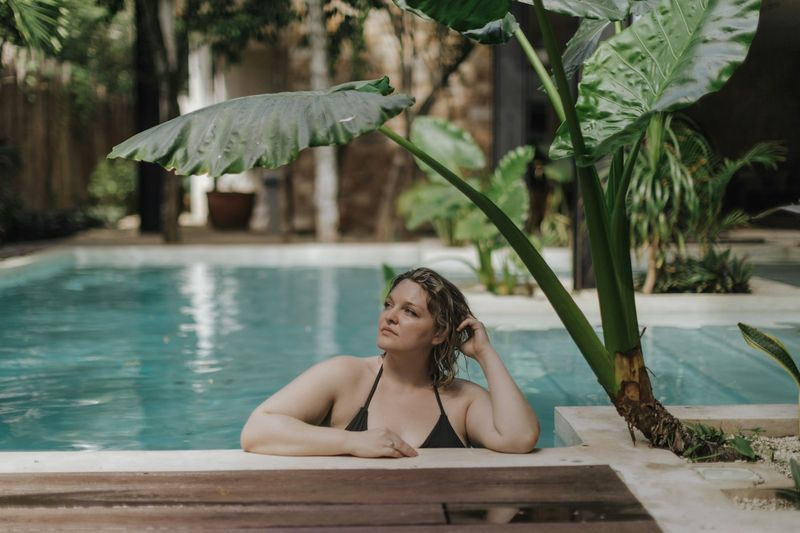
See plus size swimwear on real bodies
Photos on a rack tell you nothing about how a suit moves. A try-on haul shows you how the fabric behaves when someone sits, reaches, and walks — the moments where a cheap suit gives itself away. This 2026 plus size bikini haul is a useful watch before you commit to a style.
A few more things worth knowing
Sizing up for “comfort” usually backfires. A suit that’s too big loses all its support — the band rides up, the cups gape, and the whole thing sags when wet. Swim fabric is meant to fit snugly on dry land because it relaxes about half a size in water. If you’re between sizes, size to your largest measurement and adjust the straps, don’t grab the bigger suit wholesale.
Care extends the life of a plus suit more than price does. Rinse in cold water after every swim, skip the washing machine and the dryer entirely, and never wring it — press the water out in a towel. Chlorine and sunscreen are what actually kill swimwear, not wear. A $40 suit that’s rinsed after each use outlasts a $120 one that lives crumpled in a wet beach bag.

Your next swim suit, sorted
Stop shopping by dress size and start shopping by the three fit points — band, shoulders, leg opening — and the measurement chart. That single switch turns plus size swimwear from a gamble into a quick, repeatable decision. Pick the silhouette for your day, check the fabric has enough elastane to hold, and buy the print you actually want to wear. Ready to find yours? Browse the full body-type swimwear guide next and match a style to your shape before you check out.
Sources
- Skin Cancer Foundation — Sun-Protective Clothing — how fabric density and color affect UPF protection.
- SwimOutlet — Swimsuit Fabric Guide — nylon vs polyester and elastane content for fit and longevity.
- Colorful Plus Size Bikini Try On Haul: Summer 2026 — real-body try-on reference for current plus size styles.
Shop our full range of bikinis and swimwear at the BikiniCool store →