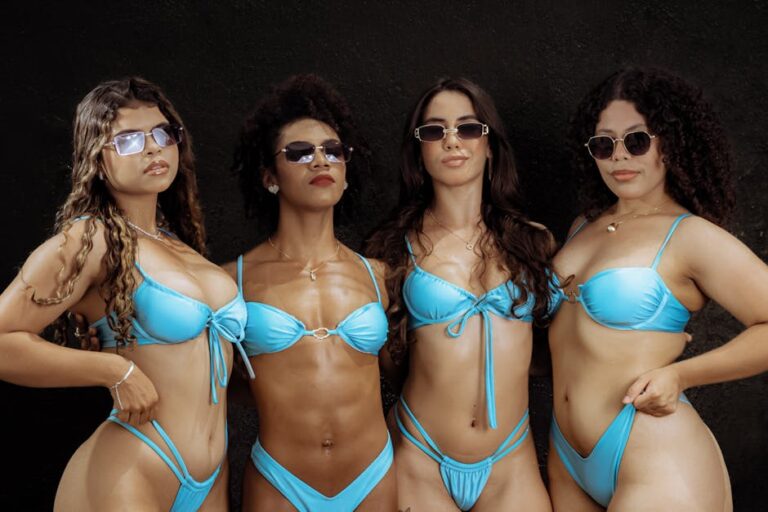
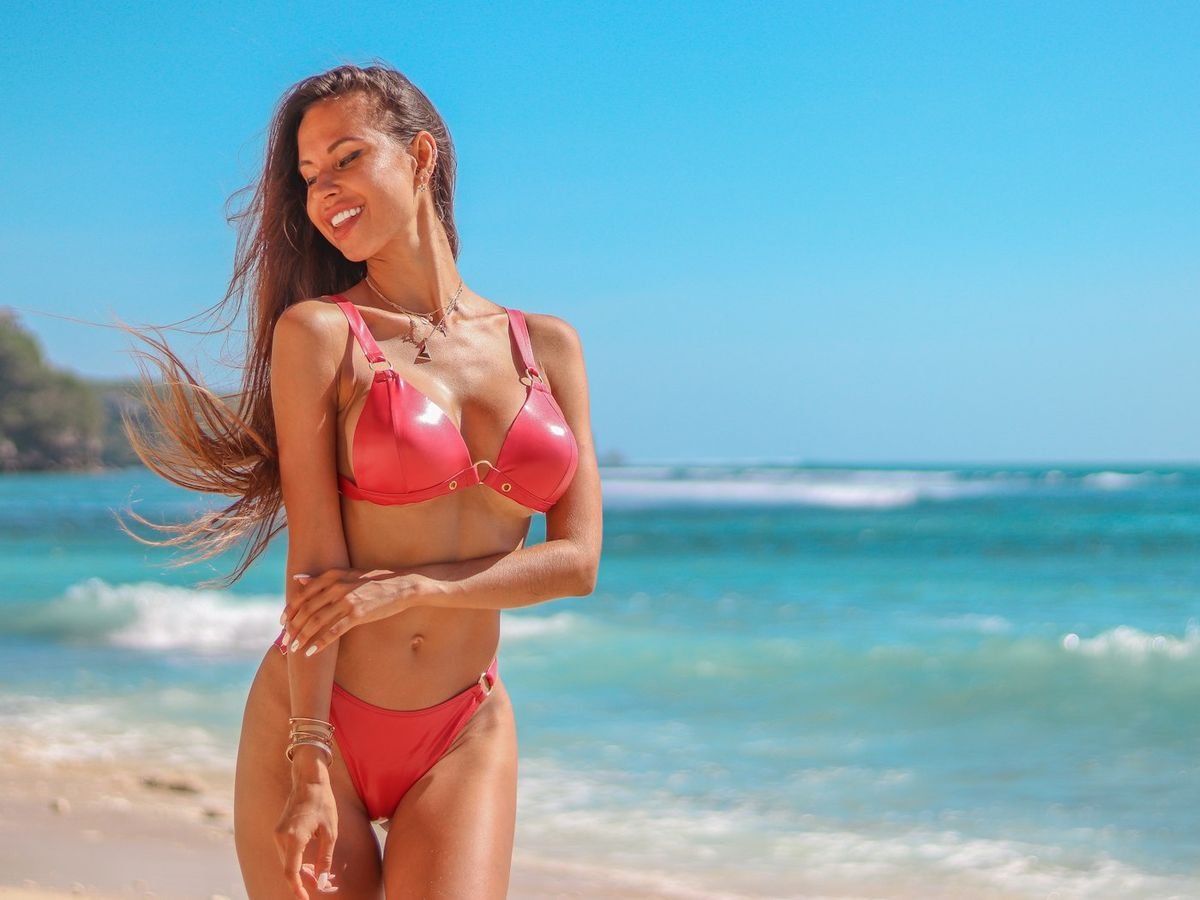
Bikini Bottoms Guide: 7 Cuts Explained for Every Body Type
The difference between a bikini bottom that looks incredible and one that sends you back to the towel isn’t about your body — it’s about the cut. Swimwear brands use inconsistent labeling, models wear sizes that don’t reflect real fit, and most buying guides skip straight to “what flatters your body type” without explaining what each silhouette actually does. This one starts there.
What Are the Main Bikini Bottom Cuts?
Most swimwear brands recognize seven core bikini bottom silhouettes: cheeky, full coverage, high-waisted, string/triangle, boy short, Brazilian, and tanga. Coverage runs on a spectrum from full-seat to nearly nothing. The confusing part is that brands label the same cut differently — one brand’s “moderate” is another’s “cheeky,” and sizing inconsistency makes it worse.
Every bottom is shaped by three variables: rise (how high it sits on the waist), leg cut (how much thigh is exposed), and seat coverage (how much of the rear it covers). Understanding those three levers tells you more than any label will.
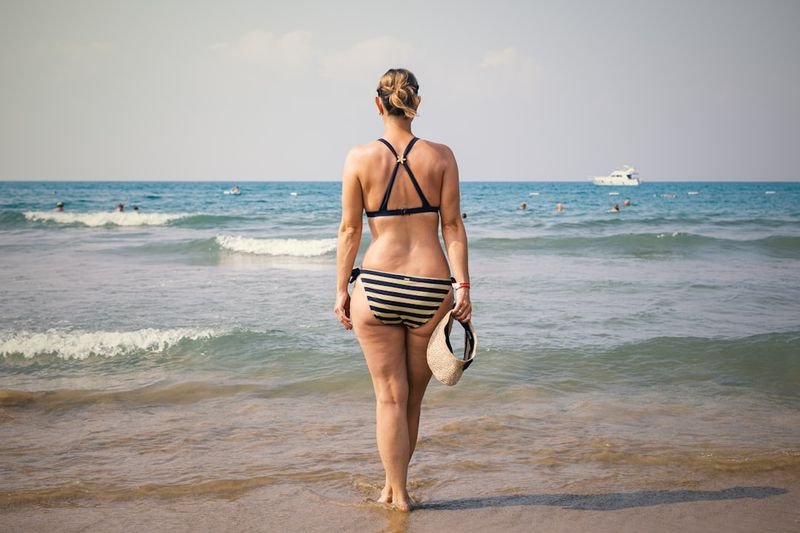
A low-rise bottom with a high leg cut and cheeky coverage looks completely different from a high-rise bottom with the same leg cut. Getting these three variables right for your proportions is what the rest of this guide is about.
Cheeky Bikini Bottoms: Show More, Feel Free
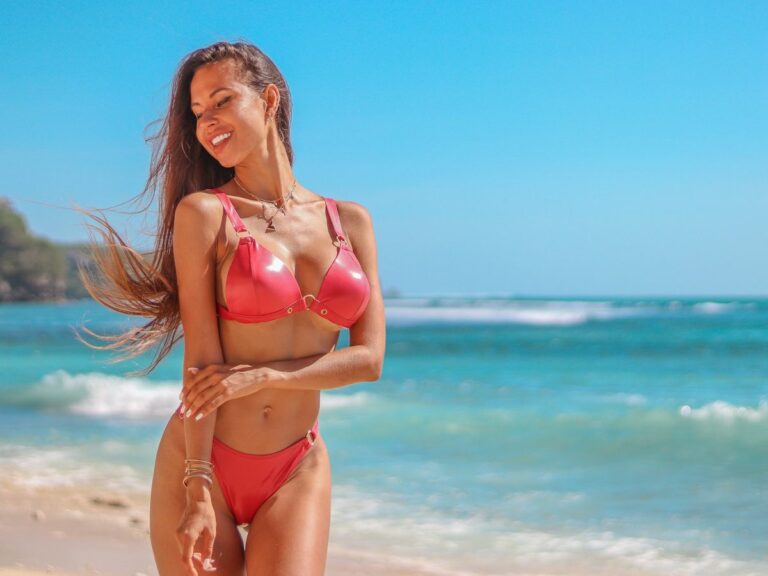
By definition, a cheeky bottom exposes between 25% and 50% of the seat. It’s the most popular cut in the market for a reason: the high leg opening creates the illusion of longer legs regardless of actual height, and it photographs well without tipping into territory that requires confidence you don’t have yet.
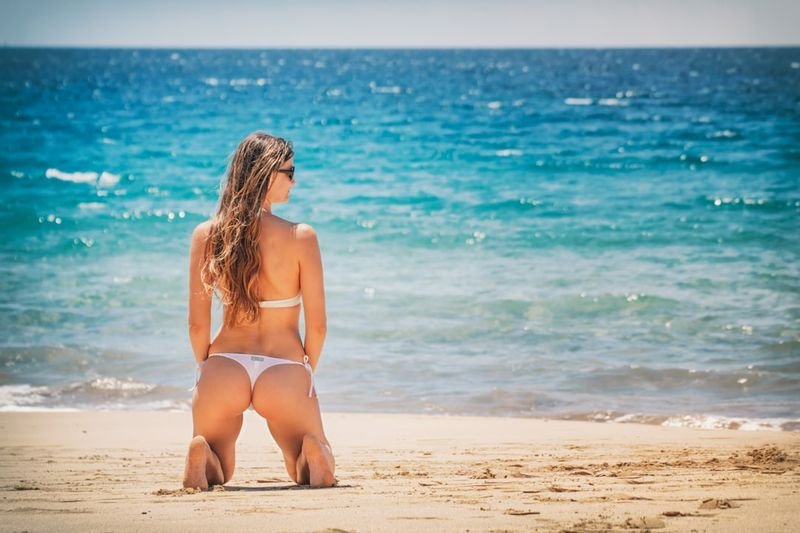
Cheeky performs best when you’re moving — walking, wading, playing beach volleyball. The higher leg cut stays put better than a full-coverage bottom because there’s less fabric to shift or bunch. The common complaint about cheeky isn’t the coverage level; it’s seat fit. A cheeky bottom that’s one size too small reads as a wedgie, not an intentional style choice. Size up if you’re between sizes, and look for styles with a slightly reinforced seat panel.
Cheeky bottoms are the backbone of a mix-and-match bikini wardrobe. A cheeky bottom in black, white, or sand pairs with nearly any top and travels well — one bottom, three different looks.
Full Coverage Bikini Bottoms: The Case for More Fabric
Full coverage bottoms cover the entire seat, with the seam sitting at or below the natural curve of the rear. The category ranges from sporty athletic fits to sleek, minimal-elastic styles — what separates them from each other is the leg opening, which can range from mid-thigh to high-cut while still maintaining full rear coverage.
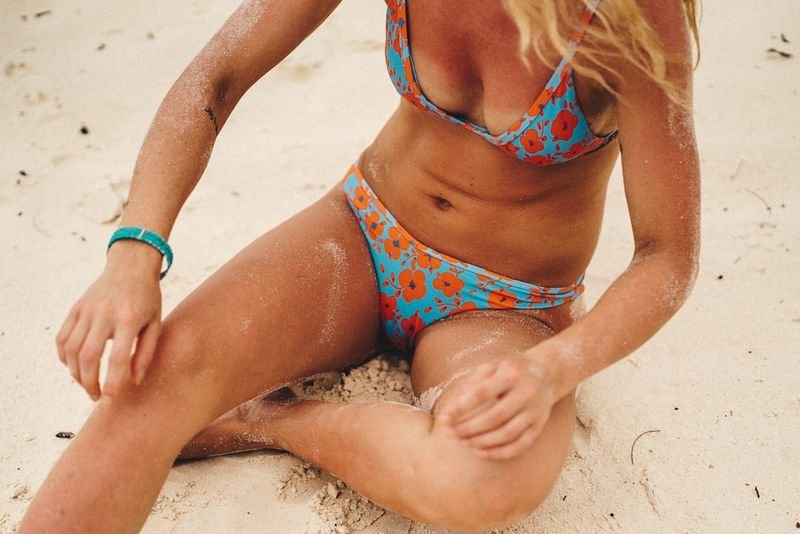
This is the right cut for actually swimming. Full coverage doesn’t shift, doesn’t creep, and keeps you out of constant-adjustment mode when you’re in the water. Surfers, paddleboarders, and anyone doing lap swim prefer it for exactly that reason. The Australian swimwear market — where ocean swimming is the baseline expectation — treats full coverage as the default, not the conservative option.
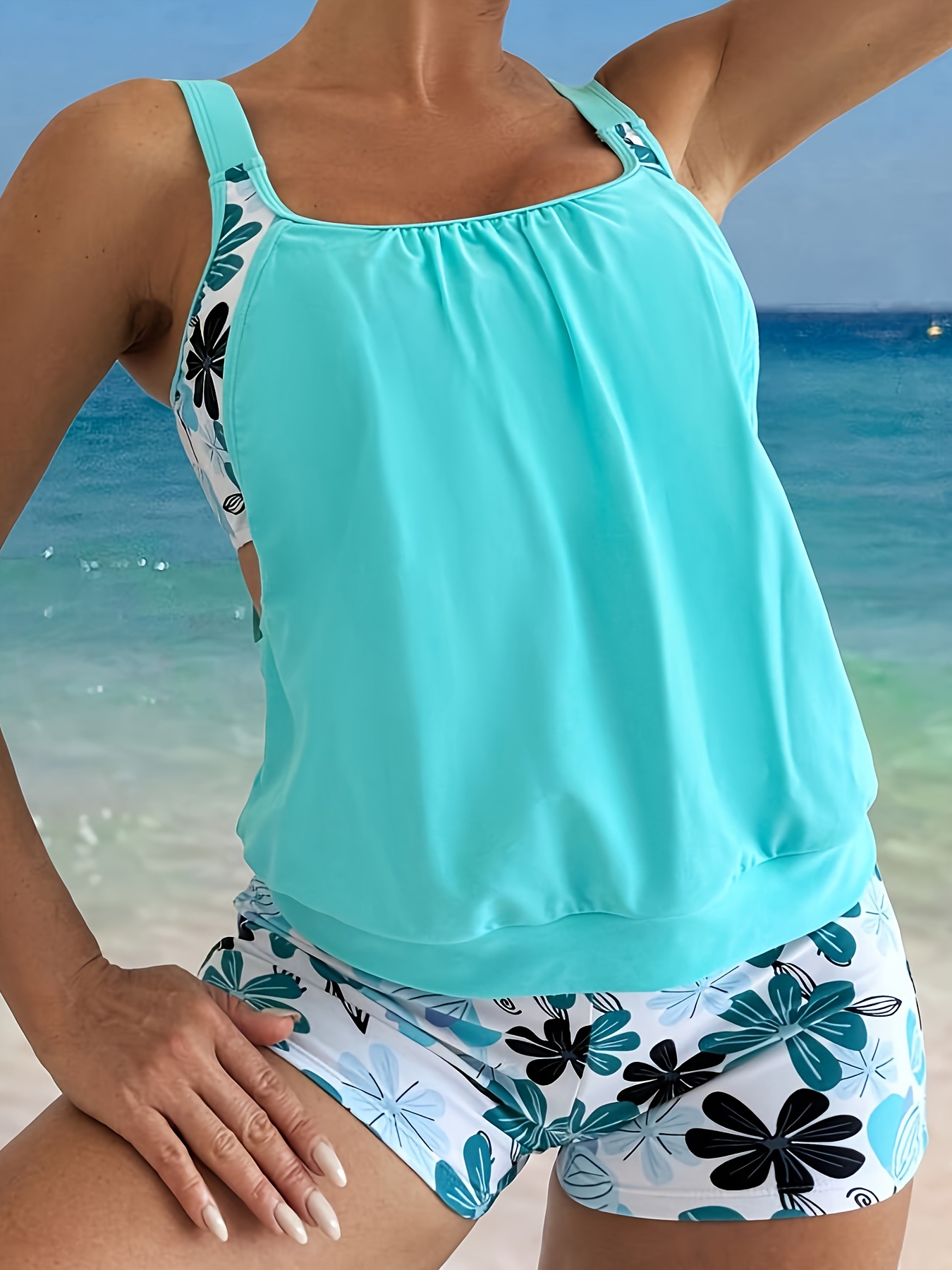
For curvy bodies, full coverage also functions as a visual anchor. Pair a solid-color full coverage bottom with a bold printed top — the eye reads the contrast and moves upward, away from the seat. This works better than a matching set because the visual interest is at shoulder height, not hip height.
High-Waisted Bikini Bottoms: Retro Shape, Modern Confidence
High-waisted bottoms sit above the belly button, typically 2 to 5 cm above the natural waist. The rise compresses the midsection slightly and creates a defined waist-to-hip ratio even on figures that naturally sit closer to rectangular proportions. They’ve completely shed the “mom swimsuit” label they carried for a decade — in 2026, high-waisted bottoms appear across every swim brand from budget to designer.
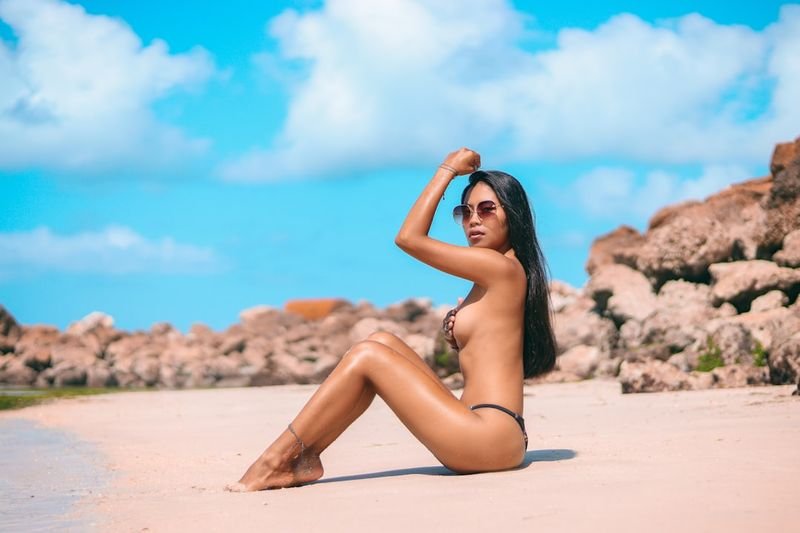
One fit mistake to avoid: pairing a high-waisted bottom with a loose or oversized top. The high rise already draws attention to the midsection; a baggy top adds bulk to the upper body and collapses the proportional effect you just created. Go with a structured top — underwire, molded cup, or front-tied — to anchor the look.
The seat on a high-waisted bottom can range from full coverage to cheeky. The defining feature is rise, not seat coverage. So a high-waisted cheeky bottom (popular in Brazil and across Latin America) gives you the waist-definition of the silhouette with the leg-lengthening effect of cheeky. That combination is worth knowing about if you like both looks.
String Bikini Bottoms: Adjustable, Universally Wearable
String bikinis tie at the hip, which makes them genuinely adjustable within a range. Most strings use a triangle-shaped seat, and coverage depends entirely on how you tie them — wider for more coverage, narrower for less. That adjustability has made them a beach staple since the 1970s: they fit bodies that don’t map neatly onto S/M/L sizing, and they pack flat without losing shape.
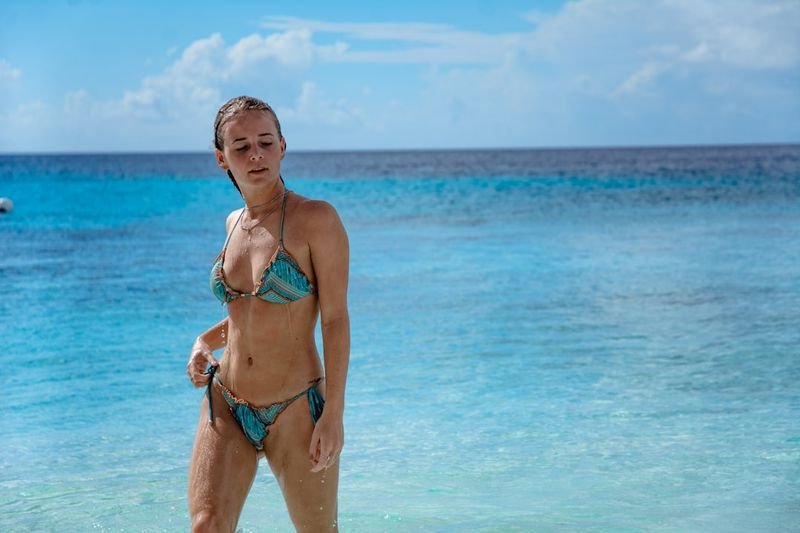
String bottoms read “resort” more than almost any other cut. The side ties create a visual break at the hip that widens narrow hips or softens wider ones depending on how the knot is positioned. Tying higher and snug elongates; tying lower and loose creates volume at the hip. A small adjustment changes the whole silhouette.
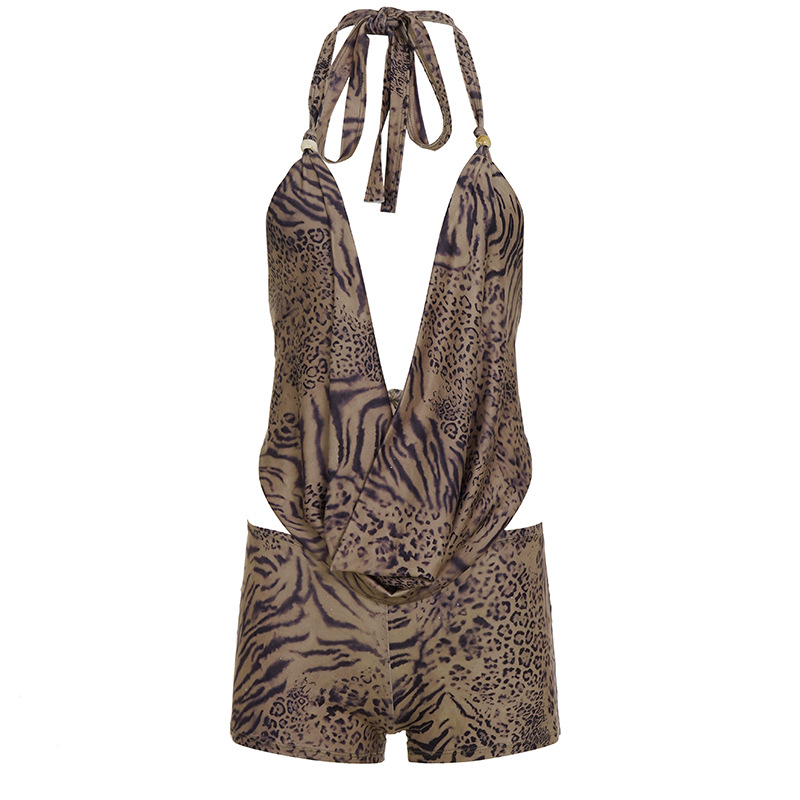
One limitation: string bottoms aren’t built for swimming. The ties can loosen underwater, and the knots require adjusting after every wave. Keep strings for sunbathing, poolside, and resort wear. If you’re actually getting in the water, switch to a fixed waistband.
Boy Short Swimsuit Bottoms: Active Coverage That Holds
Boy shorts extend down the thigh — typically 3 to 8 cm from the natural seat line — making them the highest-coverage option on this list outside of a swim skirt. They’re structured like athletic shorts cut from swimsuit fabric: they stay put, they don’t shift underwater, and they don’t require adjustment after every dive.
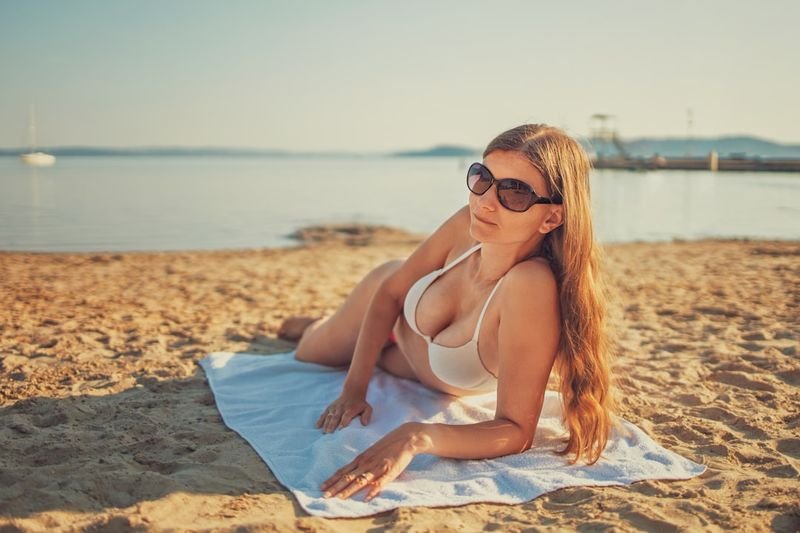
Proportionally, boy shorts work well on straight and athletic figures because the added fabric at the thigh creates the appearance of a rounder, fuller seat. They’re less ideal for wider hips — the leg line cuts horizontally across the widest part of the thigh, drawing attention rather than redirecting it. If you want the coverage of a boy short without the horizontal line, look for versions with a slightly curved leg hem instead of a straight cut.
For a visual breakdown of how each of these cuts looks across different body shapes in real swimwear, this is worth watching:
Brazilian and Tanga Cuts: Bold, Not Restricted to Specific Bodies
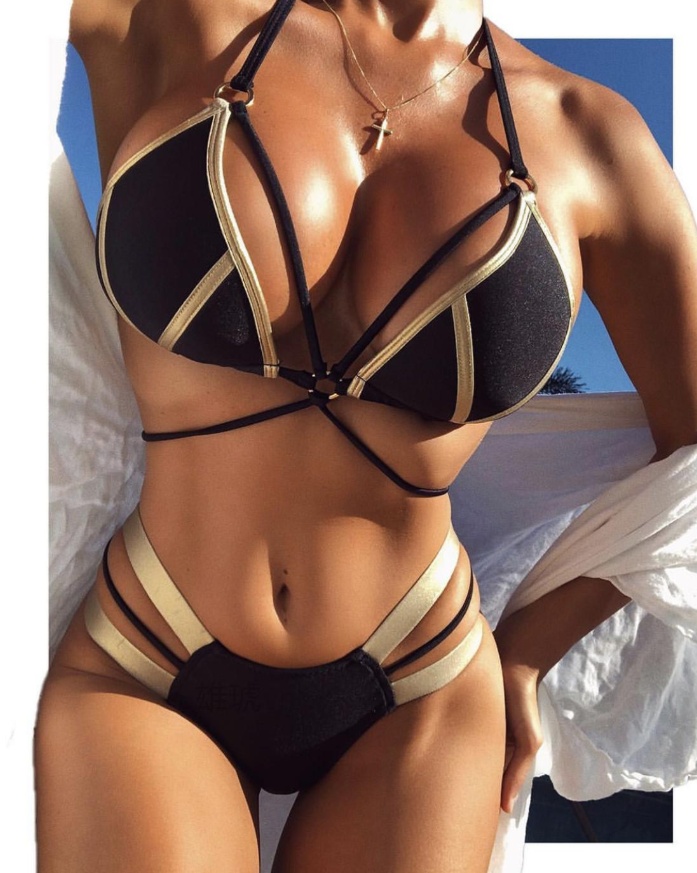
Brazilian bottoms show 50% or more of the rear, with a high leg cut that creates dramatic visual length at the thigh. The tanga is a close relative — slightly more coverage than a thong but with a narrow waistband and high-cut sides that sit at or above the hip bone. Both originated in Brazilian beach culture and dominate resort markets worldwide.
The idea that Brazilian cuts only work on certain body types is a persistent myth. What they actually require is comfort with the exposure — not a specific shape. If you’re pulling them down or adjusting constantly, the look doesn’t work regardless of how you’re built. The cut is designed for sunbathing and poolside lounging, not for swimming or activity that requires stability.
If you’re new to cheeky coverage, the Brazilian cut is not the place to start. Wear cheeky a few times, adjust to the exposure, and then decide if you want to go further. There’s no rule that requires progression.
How to Match Your Cut to Your Body Shape
Three variables determine which cut photographs and fits best: your hip-to-waist ratio, your seat shape, and your height. Here’s how they map to cuts:
Pear and hourglass figures (hips wider than waist): High-leg cuts — cheeky, string, or Brazilian — elongate the thigh line and draw attention upward. Avoid low-rise styles that sit below the hip bone; they widen the hip silhouette rather than working with it.
Rectangle figures (similar hip and shoulder width, less defined waist): High-waisted and boy short cuts add the appearance of a defined waist and fuller seat. Brazilian cuts with visible side ties also create hip definition where there isn’t a natural curve to draw from.
Apple figures (fuller midsection, less defined waist): High-waisted cuts smooth and compress without hiding. Avoid very low-rise styles that can create a visible waistband roll at the hip.
Petite frames: High-leg cheeky and string cuts elongate the leg line. Boy shorts interrupt this proportion — the horizontal hem at the thigh adds visual width and shortens the leg — and should generally be avoided unless the torso rise is minimal.
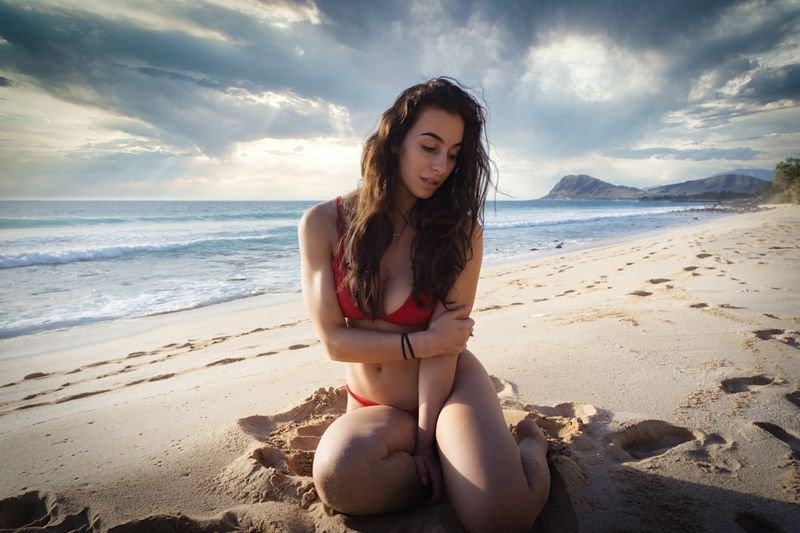
None of this works if the fit is wrong. A well-fitted full coverage bottom looks better than a poorly fitted cheeky one every time. Before you commit to a cut, make sure your swimsuit size is actually correct — that step matters more than any cut decision.
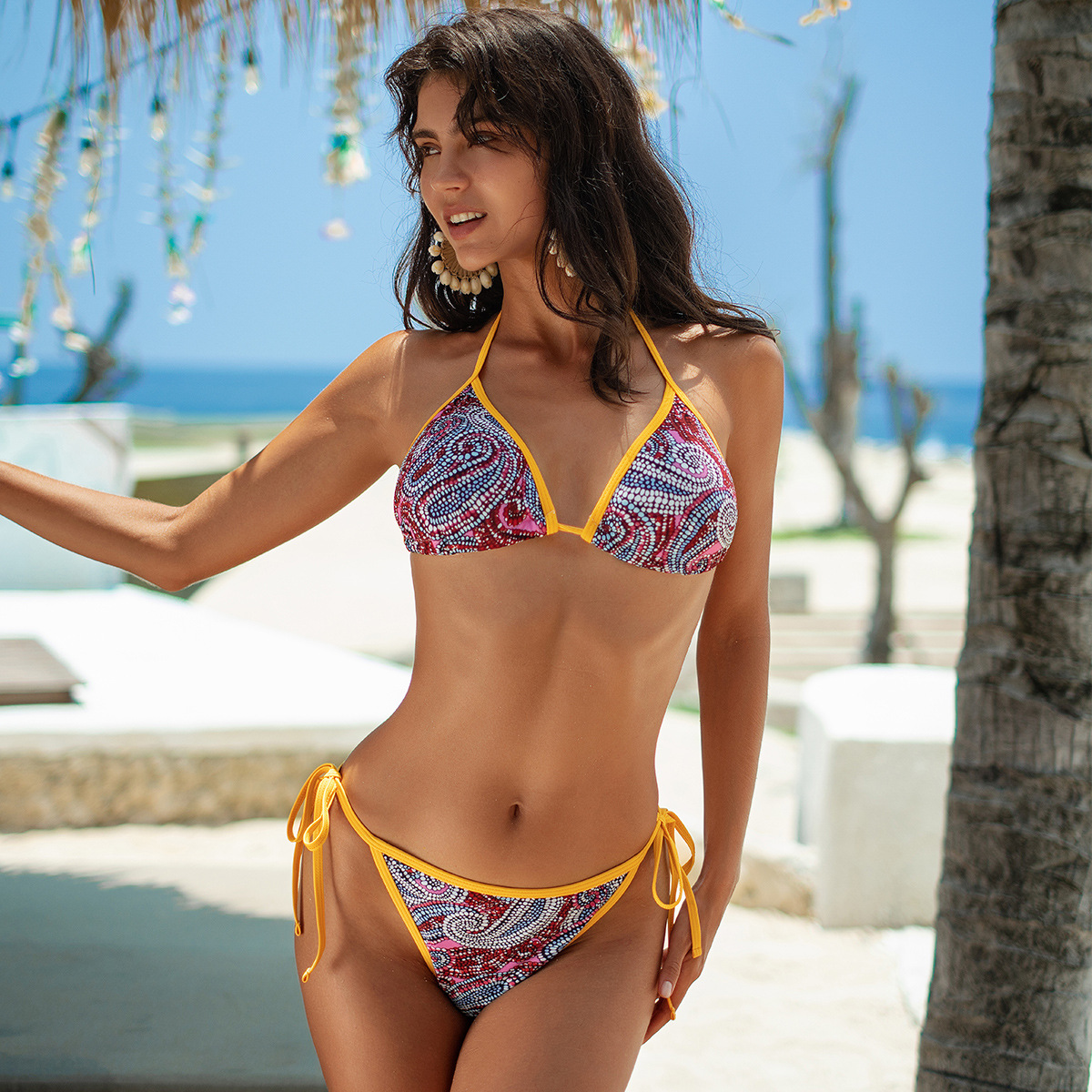
A three-piece set is a low-risk way to test different coverage levels: the included coverup or skirt changes your effective coverage without committing to a different bottom. Try the bottom with and without the added piece to see how your comfort level shifts before deciding which direction to invest in next.
For cut recommendations specific to a rectangular frame, the rectangle body shape bikini guide goes deeper on which silhouettes photograph best and which product styles are worth prioritizing.
Sources
- Bikini Bottom Styles: The Ultimate Guide — Andie Swim — detailed breakdown of core silhouettes by coverage category and leg cut
- The Best Types of Bikini Bottoms for Every Body Type — ViX Paula Hermanny — body-type-specific fit guidance from a Brazilian swimwear brand
- Cheeky vs Full Coverage Bikini Bottoms: Which Should You Choose? — MLY Apparel — coverage level comparison and practical comfort analysis