
Petite Swimwear: 7 Best Styles for 2026
In the fashion industry, “petite” means under 5’4” — and more specifically, a shorter torso, shorter inseam, or both. Most swimwear is designed around an average height of around 5’6”, which creates subtle but real proportion problems on shorter frames: the waistband sits lower than intended, bottoms hang loose in the seat, and straps that looked fine on the model dig in or gape. The seven styles below address those fit challenges directly, which is why they consistently show up in petite swimwear buying guides year after year.
1. Triangle Bikinis Create Space Where You Want It
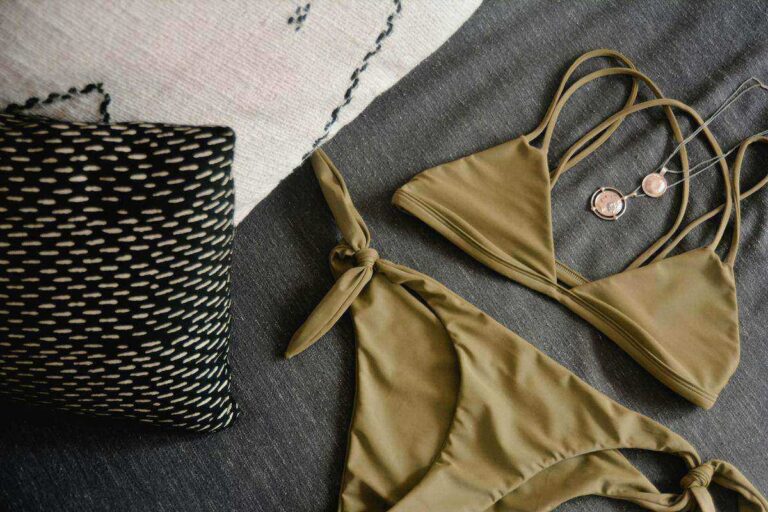
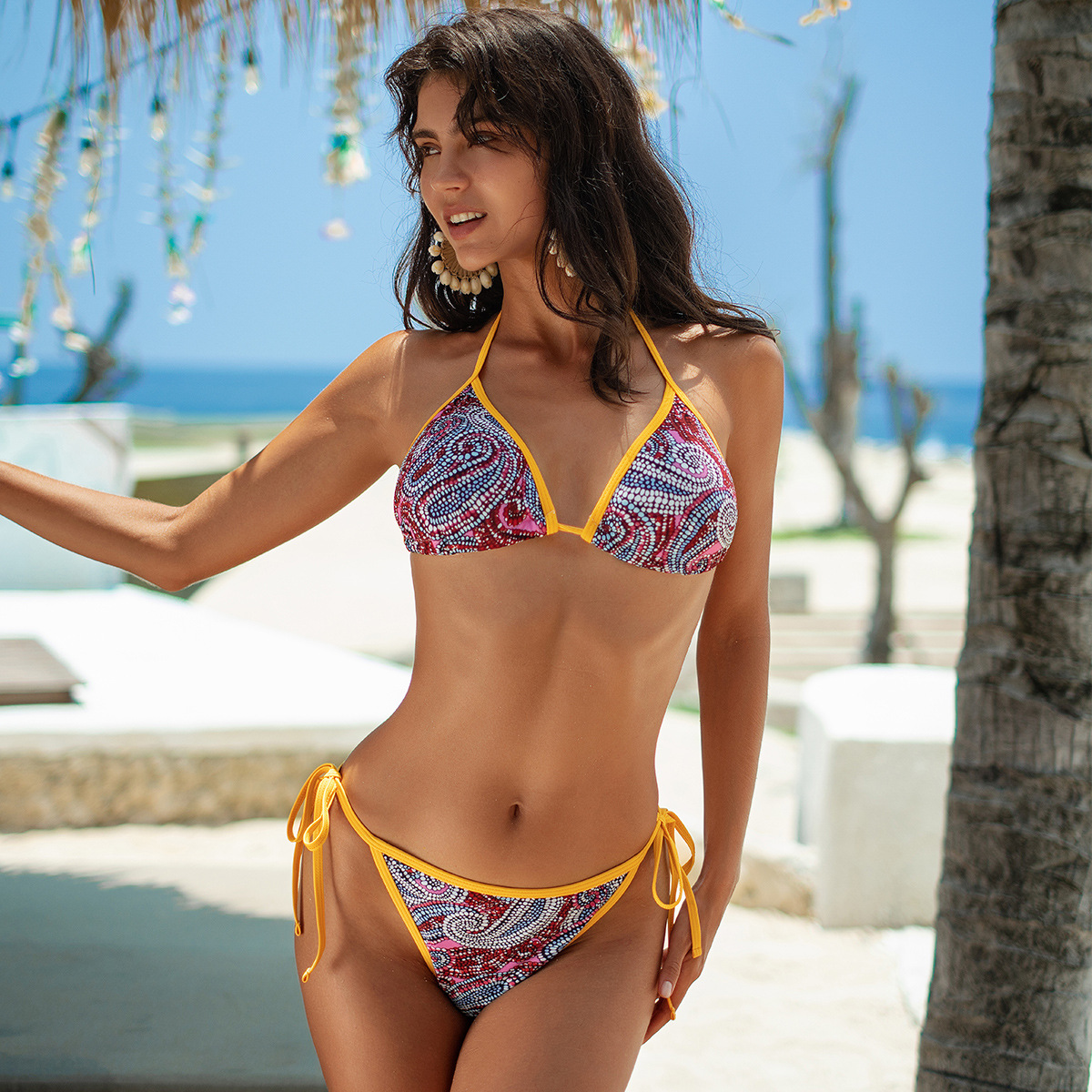
The triangle top is arguably the most reliably flattering cut for petite women, and the geometry explains why. The two diagonal lines of fabric pull the eye upward and outward, creating the impression of broader shoulders without any padding or underwire. On shorter torsos — one of the most common petite fit challenges — a thin-strapped triangle top avoids the visual compression that thick bands and heavy seaming create.
Adjustability is the other reason this cut earns its reputation. Most triangle tops tie at the back and neck, so you can customize fit to your actual measurements rather than relying on size charts built for taller women. If your torso runs short, tightening the neck tie slightly brings the top higher on the chest. A looser back tie widens the visual silhouette. That kind of fine-tuning is not possible with structured underwire tops, which is why so many petite women find off-the-shelf structured tops never quite settle where they should.
For a detailed comparison of triangle versus halter styles — including which bust shapes suit each — our halter bikini vs triangle bikini breakdown covers the specifics.
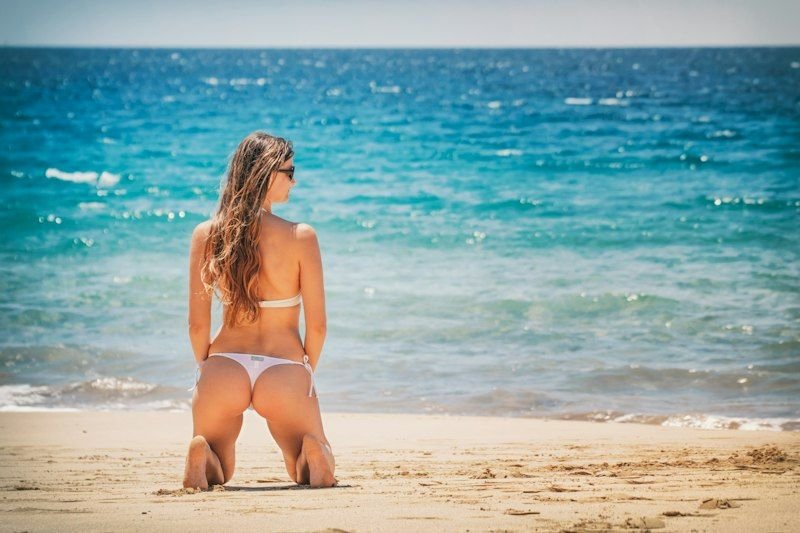
2. High-Cut Bottoms Lengthen the Leg Line Instantly
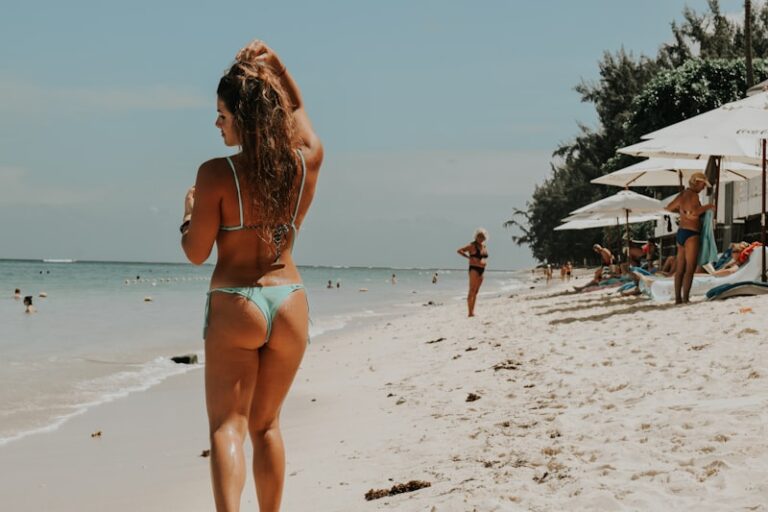
This is the single highest-impact change a petite woman can make to her swimwear wardrobe. A low-rise or mid-rise bottom interrupts the leg at the hip, making the visible leg shorter than it actually is. A high-cut bottom starts the leg opening higher on the thigh, adding perceived length to both the leg and the lower torso. The difference is not subtle — it can read as several added inches without a heel in sight.
The french cut and high-leg cut are the most common versions of this. Both pull in at the hip and ride high on the outer thigh. Some petite women prefer a high-waisted bottom for additional torso coverage, which is a legitimate choice — but it trades away the leg-lengthening effect. The decision comes down to which proportion challenge matters more: extra coverage in the midsection, or a longer-looking leg. Most petite styling advice prioritizes the high-cut leg for this reason, and most petite-specific swimwear lines lead with it.
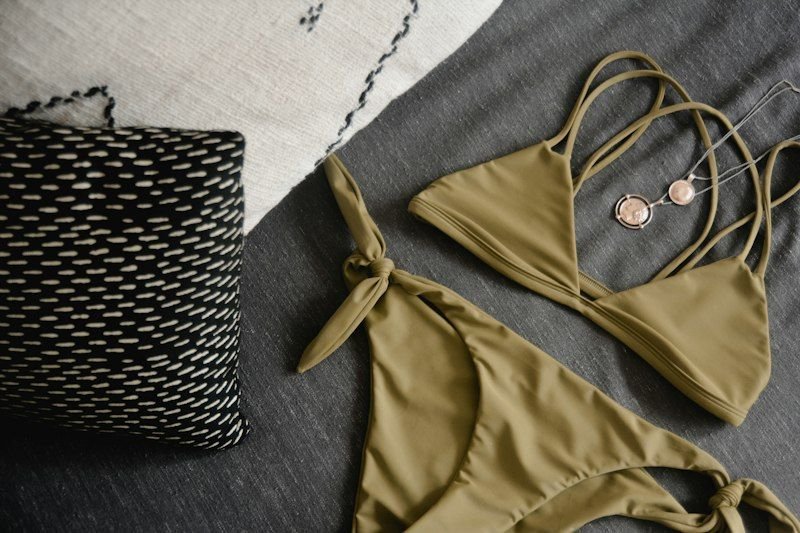

3. Halter Tops Lift the Eye and Define the Shoulders
A halter neckline does two things at once for petite frames: it creates a strong diagonal line from the tie point at the neck down to the sides of the bust, and it draws the eye upward toward the face and neck. Both effects add perceived height. On shorter women — especially those with narrower shoulders, which is common at petite heights — the halter creates the appearance of a more defined upper body without requiring any structural padding.
The halter is most effective when paired with a high-cut bottom, since the upward pull of the neckline is reinforced by the upward pull of the leg line. Together, they read as a single elongating vertical column rather than a series of horizontal interruptions across the body. That combination, more than any individual piece, is what makes the difference between a swimsuit that looks right on a petite frame and one that just looks like swimwear.
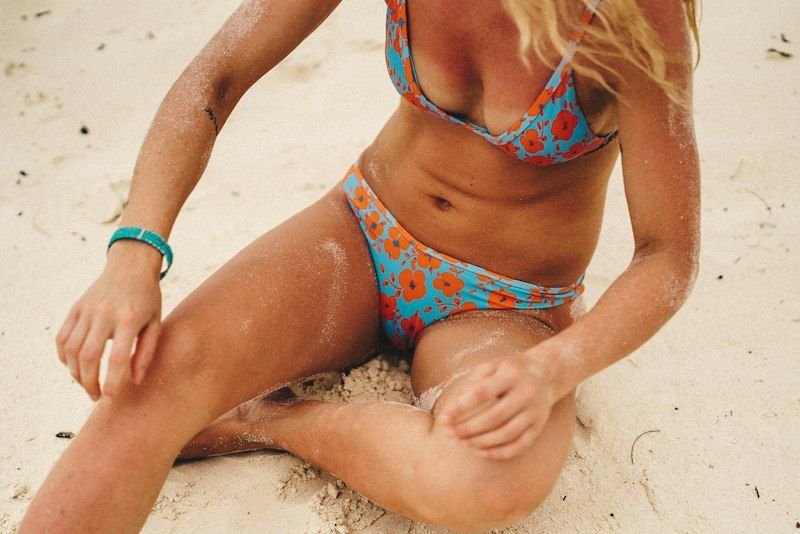
4. String Bikinis Solve the Torso Length Problem
Standard swimwear is sized around a body height of about 5’6”. That means the torso length — the distance from the shoulder strap to the bottom of the top, or from the waist to the leg opening on bottoms — is built for someone several inches taller than most petite women. The result is a suit that fits in circumference but has excess fabric in the midsection, or bottoms that sit lower on the waist than intended.
String bikinis sidestep this problem cleanly. The ties on both top and bottom are fully adjustable, which means you can effectively shorten the torso fit without altering a seam or returning the suit. The minimal coverage also means there’s far less fabric to bunch up or sag in the midsection. For women who have always struggled with the “technically the right size but still looks wrong” experience of standard swimwear, switching to string ties often solves the problem without the hassle of returns.

5. Ruffle Details Add Curves Without Adding Size
Ruffles have a bad reputation in petite fashion circles. The assumption is that any added visual volume will overwhelm a smaller frame. The opposite is true when the ruffle sits in the right place. A ruffled top creates the impression of a fuller bust, and a ruffled skirt bottom or hip ruffle adds width at the widest point of the hips — producing an hourglass outline from a frame that may not have strong hip-to-waist contrast naturally.
Placement is the deciding factor. Ruffles across the chest and at the hip line work because they add width where it reads as curves. Ruffles down the center of the abdomen, or an all-over ruffle pattern, create horizontal lines that visually cut the body into segments — the opposite of what you want on a petite frame. One well-placed ruffle is the real goal. More than that and the effect starts working against you rather than for you.
6. Bandeau Tops Work for Smaller Busts — and That’s the Point
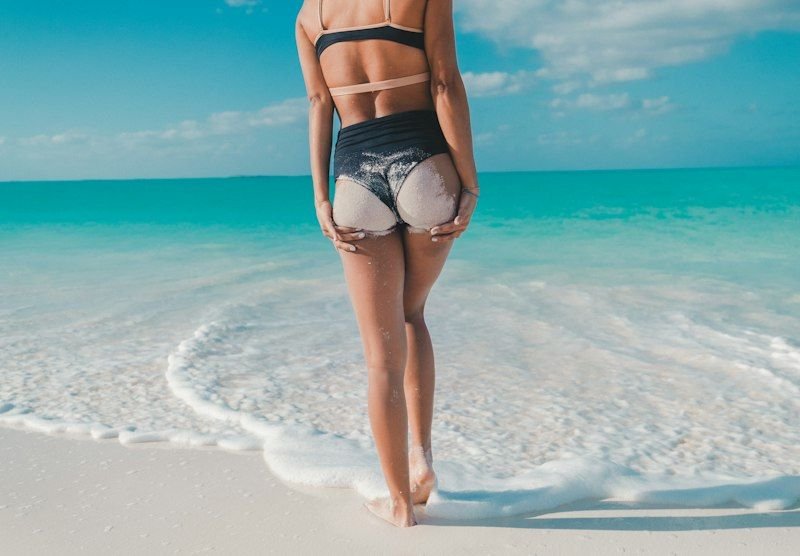
The bandeau is one of those swimwear styles cut for exactly the body type it gets least credit for: smaller-busted women. It works because it does not require structural support — the strapless silhouette stays in place precisely because there is not much weight pulling it down. The broad horizontal band across the chest widens the shoulder line visually, adding to the appearance of a more balanced upper body.
There is a practical note worth adding here. Many petite women with a smaller bust have been frustrated by standard bikini tops designed for larger cup sizes — underwire that gaps, triangle cups with excess fabric, push-up padding that looks disproportionate to the rest of the frame. The bandeau removes that friction entirely. It is cut for the torso it is covering, without engineering for a cup size the wearer does not have. If you want help pairing a bandeau top with the right bottom cut, our guide to bikini bottom cuts covers which leg openings complement different top styles.
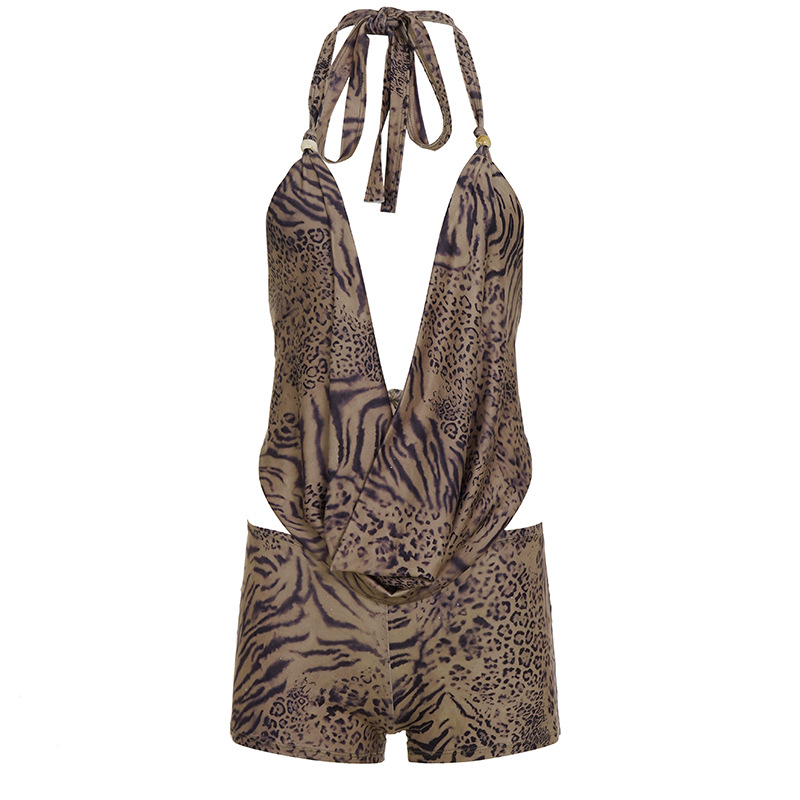
7. Monokinis and Cutout One-Pieces Elongate the Frame
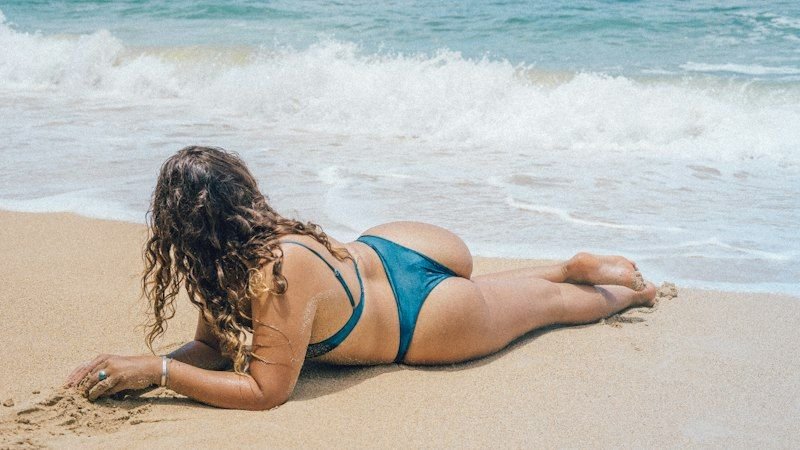
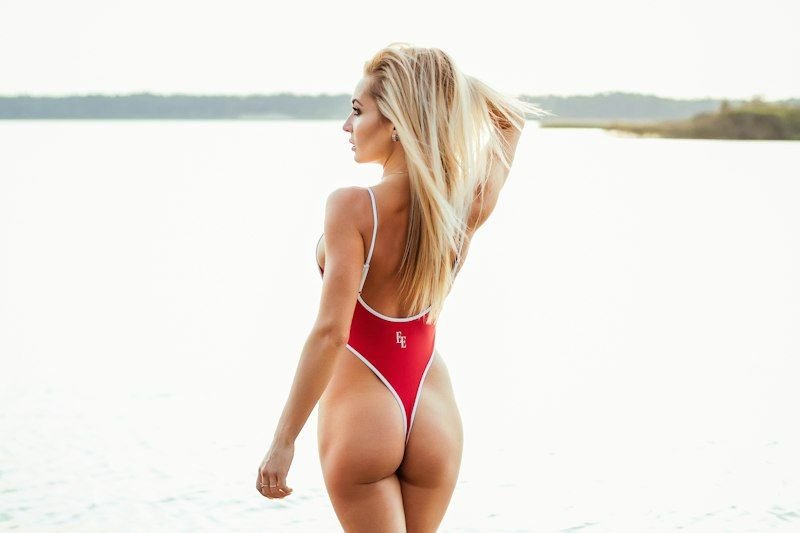
A solid one-piece can flatten the silhouette on a petite body rather than enhance it. The unbroken fabric reads as a single block, and on a shorter frame that block looks wider than it does on a taller one. Cutout one-pieces and monokinis address this by revealing skin at strategic points — most commonly at the sides or waist — which breaks the visual block and lets the eye read the body in separate sections rather than as one compressed unit.
Monokinis handle this particularly well. The connected fabric gives the coverage and simplicity of a one-piece, while the cutouts add visual complexity and reveal the hip line — the exact point that creates the impression of waist definition. The result is a longer, more proportioned silhouette than a standard one-piece creates on the same frame.
If you are shopping one-pieces specifically, look for suits that list torso length in their sizing information. A swimsuit designed for a 5’7” frame carries enough extra fabric in the midsection to create visible bunching on a 5’2” body — and no amount of size correction fixes that. Several brands now label suits as short, regular, or long torso, which is the more practical shopping filter than cup size for petite buyers.
The Fit Question Every Petite Woman Should Ask Before Buying
The most flattering petite swimwear is the one that actually fits — not the one that fits the label size. The default approach when shopping online is to order the smallest available size and assume it will work. Sizing down solves the circumference measurement and nothing else. The torso length, leg opening, and strap length are still calibrated for a woman who is four or five inches taller.
Before ordering, measure your torso length from shoulder to hip over the front of your chest and compare it to the brand’s listed torso length if they provide one. For bikinis, prioritize adjustable ties over fixed hardware closures. For one-pieces, look for adjustable straps and a labelled torso length in the sizing chart. If neither is available, sizing up and adjusting at the ties almost always produces a better result than sizing down and hoping for the best.
One more detail worth naming: prints and patterns scale with the suit size, but they do not scale with the wearer’s height. A large tropical or botanical print on a petite frame can look proportionally off because the scale of the repeat was designed for a taller body surface area. Medium-scale prints and solid colors tend to stay visually proportional on shorter frames. That is not a rule that should stop anyone from wearing the print they love — but it does explain why a suit that looked balanced on a 5’8” model can read differently at 5’2”.
If you are curious how the same challenges look from the opposite direction, our swimwear guide for tall women covers the proportion considerations from the other side.
For a visual walkthrough of current swimwear trends specifically chosen for petite frames — including what to skip — this 2026 breakdown is worth the watch:
Sources
- PureWow: 15 Petite Swimsuits Recommended by Editors, Short Women, and a Fashion Stylist — Curated petite swimwear picks with editorial notes on fit and proportion.
- PureWow: The Best One-Piece Swimsuits for Petites, Vetted by Pros — Pro-vetted one-piece options for shorter frames, including torso length guidance.
- YouTube: Summer 2026 Trends for Petite Bodies — Video breakdown of which swimwear trends flatter petite proportions in 2026 and which to avoid.